
Main Courses
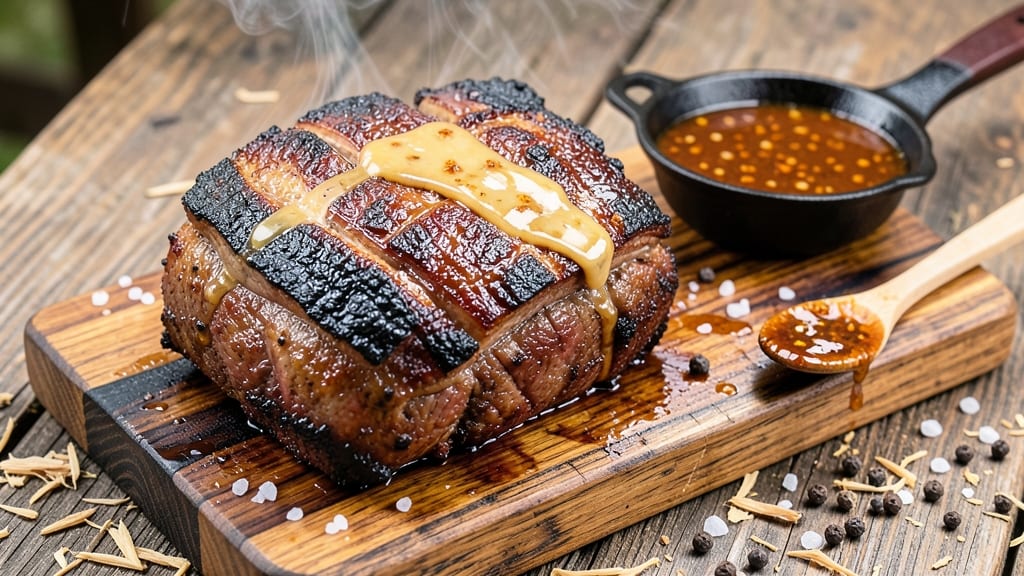
This BBQ beef brisket recipe transforms tough cuts into melt-in-your-mouth perfection using time-tested low-and-slow techniques on the grill. After years of perfecting my method—including that infamous 2012 fire alarm incident—I’ve developed a foolproof approach that delivers restaurant-quality results on your grill.
The key lies in patience, temperature control, and understanding when to walk away from the heat.
The process begins with a simple yet powerful dry rub that clings to the beef while it smokes, creating a dark, flavorful bark. You’ll work with the brisket’s natural grain, letting it develop deep, smoky flavors over several hours at a steady 225°F.
This isn’t a quick cook—it’s a labor of love that rewards you with tender meat that practically falls apart at the touch of a fork. The secret? Never rushing and always trusting the thermometer.
By the time you’re done, you’ll have a brisket with a perfect 203°F internal temperature, juicy enough to soak through every bite of crusty bread. The bark will be rich and dark, while the meat inside remains tender and flavorful.
This is the kind of dish that turns casual cookouts into legendary gatherings—where neighbors ask for seconds and strangers request the recipe.
Serve it sliced thin against the grain with classic BBQ sides like coleslaw and cornbread, or let guests build their own plates. The leftovers? Even better the next day. This isn’t just a recipe—it’s a tradition waiting to happen. Let’s get started on creating your masterpiece.
Ingredients for bbq beef brisket recipe grill
Six pounds of brisket and nine essential ingredients for legendary smokehouse flavor.
| Ingredient | Amount | Notes |
|---|---|---|
| Beef Brisket 🥩 | 6 lb | Packer cut, fat cap intact |
| Yellow Mustard 🍯 | ½ cup | For base coating |
| Brown Sugar 🍚 | ½ cup | Packed, light brown |
| Smoked Paprika 🌶️ | ¼ cup | High-quality for bark |
| Kosher Salt 🧂 | ¼ cup | Diamond Crystal preferred |
| Coarse Black Pepper 🌶️ | 2 tbsp | Freshly cracked |
| Garlic Powder 🧄 | 1 tbsp | Freshly ground preferred |
| Onion Powder 🧅 | 1 tbsp | For depth of flavor |
| Chopped Onions 🧅 | 2 whole | Yellow or red, sliced |
| Wood Chips 🌳 | 4 cups | Hickory or oak preferred |
| Apple Juice 🍎 | ½ cup | For spritzing during cook |
| Beef Broth 🍲 | 1 cup | For spritzing, optional |
| Yellow Cornmeal 🌽 | ¼ cup | For final coating |
The brisket is non-negotiable here—packer cut with that thick fat cap is what delivers melt-in-your-mouth tenderness. I always grab mine from Costco when they have it fresh, but your local butcher can trim it to your preferred size. Look for good marbling and a vibrant red color—avoid anything grayish or overly lean. The wood chips make all the difference: hickory gives classic BBQ flavor while oak adds a touch of sweetness. Soak them in water for at least 30 minutes before using. For the rub, Penzeys smoked paprika is my go-to—it's got that perfect balance of heat and smokiness that amateur brands can't match.
No yellow mustard? Dijon mustard works too, but it's stronger so use half the amount. Brown sugar substitutes? Turbinado sugar at 1:1 ratio gives a slightly coarser texture. The cornmeal coating is optional but adds that perfect crunch—Trader Joe's has a great organic version if you want to splurge. For spritzing, apple juice keeps the bark tender while beef broth adds depth. If you're short on time, cider vinegar mixed with water works in a pinch. And if you're worried about the brisket drying out, don't be—this method guarantees juicy results every time, even with a full 6-pound packer.
This brisket tastes even better the next day, so plan ahead. Wrap the cooked brisket tightly in butcher paper and let it rest for 2 hours before slicing. Store leftovers in the fridge for 5-6 days or freeze for up to 3 months. The rub keeps indefinitely in an airtight container, so make extra. I like to portion the cooked brisket into 1/2 lb servings for easy reheating—just warm in a 325°F oven with a splash of broth until heated through. The fat cap will render down beautifully, creating a flavorful sauce for your next meal.
Why You'll Love This Recipe
- Five-Ingredient Magic: I swear by this combo—just the brisket, mustard, brown sugar, smoked paprika, and salt. No fancy rubs or confusing layers; the mustard adds tang, the brown sugar caramelizes into a sticky glaze, and the paprika gives that smoky depth without overpowering.
- Smoky Sweet Crust: That crispy, crackly crust? It’s all in the slow grill and the brown sugar working its magic. First bite—sweet, smoky, with the brisket melting inside—it’s the kind of flavor that makes you slow down and savor every forkful.
- Tailgate to Tuesday: Between us, this is my go-to for game day and lazy nights. The leftovers reheat like a dream (yes, even on day three), and it’s the one dish that impresses guests without needing a fancy menu.
- Budget Feast Starter: A whole brisket feeds my family for days—sandwiches, tacos, even fried rice. Honestly, I buy brisket in bulk now because it’s cheaper than takeout, and this recipe turns it into something restaurant-worthy without breaking the bank.
Step-by-step instructions for low-and-slow grilled beef brisket
Here's the foolproof method for tender, bark-crusted brisket that rivals any competition entry.
Prepare and Season the Brisket
Start by trimming the fat cap of the 6 lb beef brisket to about ¼-inch thickness using a sharp boning knife. Leave the fat intact on the edges to protect the meat during cooking. Pat the entire surface dry with paper towels—this step is crucial for developing that coveted bark.
In a small bowl, combine the 0.5 cup yellow mustard, 0.5 cup packed brown sugar, 0.25 cup smoked paprika, 0.25 cup kosher salt, 2 tbsp coarse black pepper, 1 tbsp garlic powder, and 1 tbsp onion powder. Mix thoroughly until you have a smooth, well-blended paste. Spread this mixture evenly over all sides of the brisket, pressing it into the meat so it adheres well. Let the seasoned brisket rest uncovered in the refrigerator for at least 1 hour—this allows the rub to penetrate and the meat to come to room temperature for even cooking.
Set Up Your Grill for Indirect Heat
Prepare your grill for low-and-slow cooking by setting up two zones: one with direct heat (medium-high) and one with indirect heat (medium-low). Place the 4 cups wood chips (hickory or oak preferred) in the smoker box or on the heat source to generate smoke. Once the grill reaches a temperature of 225-250°F and you see clean, blue smoke, you're ready to proceed.
Position the brisket fat-side up on the grill grate over the indirect heat zone. Close the lid and resist the urge to peek—every time you open it, you lose valuable heat and extend cook time. The goal is to maintain that steady temperature and let the smoke work its magic. I like to place a water pan in the grill to help maintain moisture throughout the cook.
Spritz and Monitor for the Stall
After the first 2 hours of cooking, begin spritzing the brisket every 30-45 minutes with a mixture of 0.5 cup apple juice and 1 cup beef broth. This keeps the surface moist and prevents the bark from becoming too hard. Continue cooking until the internal temperature reaches 165-170°F—this is when you'll hit "the stall," where the temperature stops rising as moisture evaporates.
When you notice the internal temperature plateauing, it's time to wrap the brisket. Use butcher paper (not aluminum foil) to wrap it tightly, leaving room for the meat to expand. This technique, known as the "Texas crutch," helps you power through the stall while preserving that beautiful bark. Return the wrapped brisket to the grill and continue cooking.
Cook to Probe-Tender Perfection
Continue cooking the brisket until the internal temperature reaches 200-205°F and a probe slides in like butter with no resistance. This usually takes an additional 4-6 hours, but trust the probe test over the thermometer—tenderness matters more than temperature. The total cook time will typically be 10-14 hours, depending on your grill setup and the size of your brisket.
Once probe-tender, remove the brisket from the grill and let it rest in the butcher paper for at least 1 hour (I prefer 2 hours wrapped in towels in a cooler). This resting period allows the juices to redistribute throughout the meat, ensuring every slice is moist and flavorful. During this time, you can prepare your serving dishes or make any sides you plan to serve with the brisket.
Apply Cornmeal and Slice for Serving
After resting, unwrap the brisket and discard the butcher paper. In a small bowl, mix the 0.25 cup yellow cornmeal with 1 tbsp of the coarse black pepper. Lightly coat the entire surface of the brisket with this mixture, pressing it into the meat to create an even layer. This step adds a subtle crunch and helps define the bark.
Locate the grain direction—you'll see lines running through the meat. Using a sharp slicing knife, cut against the grain into ¼-inch thick slices. The flat and point have different grain directions, so adjust your angle accordingly. Serve immediately while still warm, and enjoy the perfect balance of tender meat, rich bark, and smoky flavor that makes this brisket unforgettable.
Pro Tips For Making Bbq Beef Brisket Recipe Grill
- Trim the Fat First: Cut off that thick fat cap before grilling—it’ll render into grease and turn your grill into a smoky fire hazard. I learned this the hard way when my first brisket nearly flamed out mid-cook.
- Mix Wet Dry Separate: Combine smoked paprika, brown sugar, and salt first, then stir that into the mustard after you’ve rubbed it on the meat. Wet ingredients stick better when the dry mix is already clinging—no clumpy messes here.
- Spritz Like a Pro: Every 45 minutes, hit the brisket with a spray bottle of apple cider vinegar and water (50/50). Keeps it moist without drowning it—my lazy attempt with just water left me with dry bark and sad meat.
- Probe the Thickest Part: Stick that meat thermometer into the thickest section of the flat, not the point cut. The flat’s where the brisket’s toughest fibers live, and you want it hitting 195°F—any less and you’re still chewing work.
Dietary considerations for these flavors
Gluten-Free Adaptations
This brisket recipe is naturally gluten-free, but you'll need to make a few adjustments to ensure all components align with dietary needs. First, verify that your smoked paprika and spices are certified gluten-free—brands like Penzeys and Simply Organic are safe choices.
For the cornmeal coating, swap it for certified gluten-free cornmeal or crushed gluten-free cornflakes (like Annie's brand) to maintain that satisfying crunch. 🌾
Low-Carb Options
For a keto-friendly version, skip the brown sugar in the rub and replace it with 1 tbsp erythritol or monk fruit sweetener mixed with 1 tbsp mustard to maintain moisture. The apple juice spritz can be omitted entirely or replaced with sugar-free beef broth to keep carbs minimal.
Remember, the brisket itself is already low-carb—this adjustment simply refines the seasoning profile.
Allergen-Free Considerations
If you're accommodating mustard allergies, replace the yellow mustard with olive oil or melted butter (about ¼ cup) to help the rub adhere.
For dairy-free diets, ensure your wood chips are free from dairy additives (some flavored chips contain them) and use vegetable oil instead of butter when needed. Always double-check labels on spices and broths for hidden allergens like soy or milk derivatives.
Protein-Packed Modifications
Want to boost protein without altering the recipe? Add 1 tsp of liquid smoke to the rub for extra smoky depth, or include 1 tbsp of nutritional yeast (for a cheesy flavor without dairy).
For a high-protein finish, sprinkle the brisket with 1 tbsp of collagen peptides (like Vital Proteins) before serving—it adds a savory umami note and extra protein per slice. 💪
Sodium Control Tips
To reduce sodium, cut the kosher salt to 2 tbsp and increase the smoked paprika to ⅓ cup for depth. Use low-sodium beef broth for spritzing, and opt for unsalted butter if substituting mustard. The brisket will still be flavorful, but with significantly less sodium—ideal for heart-healthy diets.
Dietary Flexibility
This recipe works beautifully for paleo diets if you skip the cornmeal (or use crushed almond flour instead) and ensure all spices are paleo-certified. For vegetarian adaptations, consider a mushroom or jackfruit brisket alternative, though the texture and flavor will differ dramatically.
The core technique—low-and-slow cooking—remains the same, proving this method's versatility across dietary needs. 🌱
Nutrition facts
Frequently asked questions
How do I know when my brisket is fully cooked?
Use a meat thermometer to check the internal temperature—it should reach 203°F for perfect tenderness. But here's the pro tip: insert a probe into the thickest part. If it slides in like butter with no resistance, your brisket is done. The stall (where temp plateaus around 165°F) is normal—just wrap it in butcher paper and keep cooking until probe-tender.
Can I cook brisket on a gas grill instead of charcoal?
Gas grills work great for brisket—just set up the two-zone heat method. Use a smoker box filled with hickory or oak chips to generate smoke. Maintain 225-250°F indirect heat and follow the same low-and-slow approach. The key is patience—gas grills recover heat faster than charcoal, so monitor temperature closely.
What's the best way to slice brisket without drying it out?
First, let the brisket rest for at least 2 hours after cooking. Then slice ¼-inch thick against the grain—you'll see the muscle fibers running in one direction. Use a sharp knife and cut at a slight angle to maximize surface area. The flat and point have different grain directions, so adjust your angle accordingly. Never slice too thin or the meat will lose moisture.
Why did my brisket turn out tough instead of tender?
Most likely, you didn't cook it long enough or didn't reach the proper internal temperature. Brisket needs to be cooked to 203°F and probe-tender. Another common mistake is not resting it long enough—juices need 2 hours to redistribute. Also, check your grill temperature—if it fluctuated above 250°F, the meat could have dried out.
How can I make this brisket recipe in a small apartment?
Use an electric smoker or a high-quality grill pan on your stove. For the grill pan method, maintain 225°F with a lid on, spritz with apple juice, and wrap in butcher paper when you hit the stall. A 6 lb brisket will fit in most electric smokers, and the cook time remains the same. Just be patient—small spaces still need low-and-slow cooking.