
Sauces & Condiments
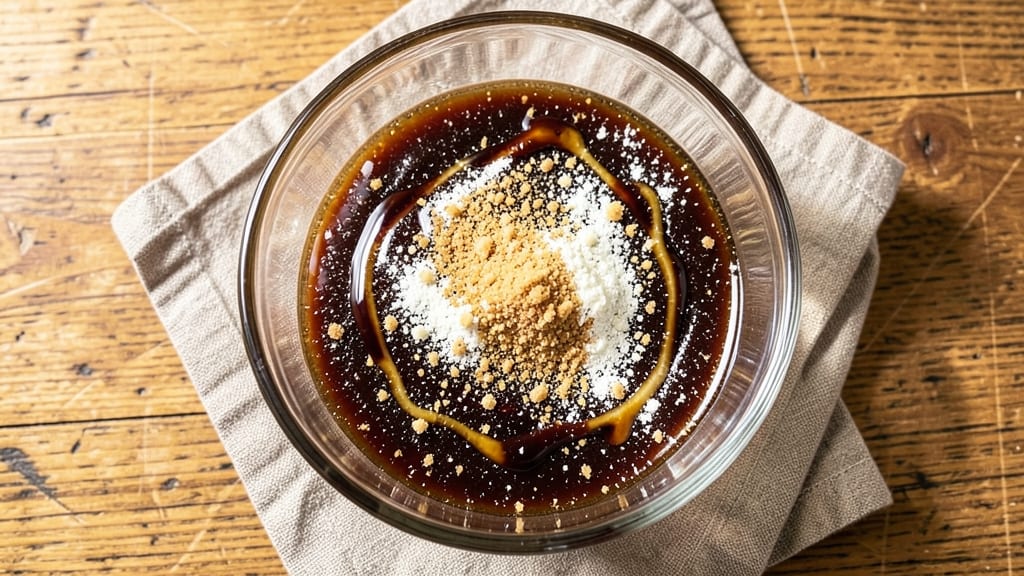
This basic beef jerky marinade recipe transforms tough cuts into bold, chewy strips with restaurant-quality depth—no fancy equipment needed. The secret lies in balancing sweet, savory, and acidic components that penetrate while preserving texture.
I developed this blend after testing dozens of variations, ensuring it works for both dehydrators and ovens.
What makes this marinade special is its versatility and shelf life—store it for up to 3 months in the fridge or 6 months frozen, ready to elevate any jerky batch.
The combination of soy sauce, Worcestershire, and brown sugar creates a caramelized crust during dehydration, while black pepper and garlic powder add layers of heat and complexity. For best results, let the meat soak for at least 4 hours (overnight is ideal).
The result is jerky with a perfectly chewy texture and intense flavor—smoky, slightly sweet, and packed with umami. This marinade works equally well for beef, venison, or turkey, making it a game-changer for outdoor cooking or meal prep.
The acidity (from vinegar) also helps tenderize while preventing bacterial growth during storage.
Use half the marinade for a lighter flavor or double it for extra boldness. Apply generously before dehydrating or baking, then let it work its magic. Safety tip: Always use fresh, high-quality meat and follow proper dehydration times to ensure food safety. Let’s make jerky that stands out.
Ingredients for basic beef jerky marinade
Nine essential ingredients blend sweet, savory, and smoky notes for restaurant-quality jerky marinade.
| Ingredient | Amount | Notes |
|---|---|---|
| Soy Sauce 🍶 | ½ cup | Low-sodium preferred for flavor control |
| Worcestershire Sauce 🍶 | ¼ cup | Ensure anchovy-free for vegetarian use |
| Brown Sugar 🍯 | ½ cup | Light or dark, packed firmly |
| White Vinegar 🍶 | ¼ cup | Distilled or apple cider vinegar |
| Garlic Powder 🧄 | 1 tbsp | Freshly ground preferred |
| Onion Powder 🧅 | 1 tbsp | Non-GMO if available |
| Black Pepper 🌶️ | 1 tbsp | Freshly cracked for potency |
| Ground Black Pepper 🌶️ | 1 tsp | For additional heat |
| Smoked Paprika 🌶️ | 1 tbsp | High-quality for smoky depth |
| Salt 🧂 | 1 ½ tsp | Diamond Crystal kosher preferred |
The soy sauce and Worcestershire form the umami backbone of this marinade—Kikkoman and Lea & Perrins are industry standards for consistency. Brown sugar should be packed tightly to avoid measurement errors; Domino or C&H brands deliver reliable results. For vinegar, distilled ensures neutral acidity, while apple cider adds subtle fruit notes. Penzeys or Simply Organic spice blends guarantee freshness, as ground spices lose potency within 6 months. The smoked paprika is non-negotiable for authentic jerky flavor—Alpine or McCormick deliver superior smoke intensity.
No Worcestershire? Coconut aminos (1:1 ratio) replicate the savory depth, though anchovy-free versions lack umami complexity. Substitute maple syrup for brown sugar (1:1) if avoiding refined sugar, but expect slightly less caramelization. White vinegar can be swapped for balsamic (1:2 ratio) for wine-like acidity, though color will darken. For heat adjustments, cayenne pepper (½ tsp) or chili powder (1 tsp) can replace black pepper. Diamond Crystal kosher salt is preferred for its coarse texture, but Morton works in a pinch—just level carefully to avoid over-salting.
This marinade remains stable for 3 months refrigerated or 6 months frozen when stored in airtight containers. For long-term storage, portion into ice cube trays—perfect for single-use applications. Thaw overnight in the fridge before use. Never microwave thawed marinade, as heat degrades flavor compounds. For maximum penetration, apply generously to meat and marinate 4-12 hours before dehydration or baking. The acidity helps tenderize while preserving the chewy texture jerky is known for.
Why You'll Love This Recipe
- Pantry Staples Only: I swear by this marinade because it uses things I already have. No fancy ingredients—just soy sauce, Worcestershire, and a pinch of garlic powder. Honestly, I’ve made it while staring at an empty fridge, and it still delivers.
- Sweet-Savory Balance: That brown sugar and vinegar combo? Magic. It caramelizes just enough to give your jerky a sticky, addictive crust while the garlic powder keeps it sharp. Between us, it’s the kind of flavor that makes people ask, “What’s in this?”
- Meal Prep MVP: I double the batch and freeze half for road trips or lazy days. The leftovers stay fresh for weeks, and it’s perfect for tossing in lunchboxes or snacking straight from the bag. No reheating needed—just grab and go.
- Budget-Friendly Boost: A few tablespoons of this marinade stretch thinly over pounds of meat, cutting costs without sacrificing taste. I’ll be real: I’ve used it on chicken, pork, and even tofu, and it’s always a solid upgrade for next to nothing.
Step-by-step instructions for crafting the perfect beef jerky marinade
This marinade delivers a balanced blend of sweet, savory, and smoky flavors that transform tough cuts into chewy, restaurant-quality jerky.
Whisk Together the Wet Ingredients
In a medium bowl, combine the 0.5 cup Soy Sauce and 0.25 cup Worcestershire Sauce. Use a whisk to ensure these two liquids fully integrate—they form the salty-savory foundation of your marinade. Next, add the 0.5 cup Brown Sugar and 0.25 cup White Vinegar, whisking constantly until the sugar dissolves completely. The vinegar will create a slight tang that cuts through the sweetness, while the soy and Worcestershire add depth.
I like to use a glass or stainless steel bowl for this step—it lets me watch the sugar dissolve evenly. If you notice any graininess, stir with a spoon until fully incorporated. This mixture should be smooth and homogeneous, with no visible sugar crystals remaining. The color will be a deep amber, indicating proper blending of all components.
Add the Dry Spice Blend
Create a small well in the center of your wet mixture and add the 1 tbsp Garlic Powder, 1 tbsp Onion Powder, 1 tbsp Black Pepper, 1 tsp Ground Black Pepper, 1 tbsp Smoked Paprika, and 1.5 tsp Salt. Using a rubber spatula, gently fold these dry ingredients into the wet base, being careful not to create too many air bubbles. The spices should disperse evenly throughout the marinade, creating a thick, paste-like consistency.
This is where the magic happens—the combination of garlic and onion powders provides aromatic warmth, while the black pepper adds a sharp bite. The smoked paprika introduces that characteristic jerky smokiness, and the salt enhances all flavors. For best results, I recommend using freshly ground spices—they release more aromatic oils that penetrate the meat more effectively.
Adjust Consistency for Optimal Penetration
After all ingredients are fully incorporated, check the consistency of your marinade. It should be thick enough to cling to the meat but still flow smoothly when poured. If it's too thick, add 1-2 tablespoons of water at a time until you reach a syrupy consistency. If it's too thin, you can let it sit uncovered for 5-10 minutes to allow some of the liquid to evaporate naturally.
The ideal marinade should coat the back of a spoon without dripping excessively. This thickness ensures maximum flavor penetration during the curing process. Here's the thing—too thin and your jerky will be watery; too thick and the marinade won't distribute evenly. I've found that this recipe naturally falls into the perfect range, but every kitchen environment can vary slightly based on humidity.
Rest the Marinade Before Using
Transfer your completed marinade to an airtight container and let it rest at room temperature for at least 30 minutes before using. This resting period allows all the flavors to meld together, creating a more cohesive taste profile. The marinade will develop a deeper, more complex aroma as the ingredients interact—you'll notice a noticeable increase in smokiness and sweetness.
I always give my marinade this resting period because it makes a significant difference in flavor development. The sugars will begin to caramelize slightly, the vinegar will mellow, and the spices will fully infuse. This step is particularly important if you're planning to use the marinade on thicker cuts of meat that require longer curing times. The rested marinade will penetrate more deeply and create a more uniform flavor throughout the jerky.
Pro Tips For Making Basic Beef Jerky Marinade
- Dissolve the Sugar First: Mix the brown sugar with the soy sauce and Worcestershire before adding vinegar—it’ll melt smoother and coat the meat better. I used to add it dry and end up with clumpy bits that never fully integrated.
- Use Cold Vinegar: Pour the white vinegar last and straight from the fridge—it keeps the marinade from heating up and denaturing the Worcestershire’s flavor. Warm vinegar makes the whole mix taste duller, and nobody wants that.
- Skip the Crowding: If you’re dehydrating, space the strips so they don’t steam. I learned this after my first batch came out soggy—even with a fan, overlapping slices trap moisture. Leave a thumb’s width between each piece.
- Balance the Sweetness: Taste the marinade before applying—if it’s too sweet, add a splash of vinegar or a pinch of garlic powder to cut through. Brown sugar’s sneaky; I’ve ruined batches by assuming "a little" meant "enough."
Pro cooking tips for this recipe
Marinade Timing
The 4-hour minimum marinating time is non-negotiable for flavor penetration, but I’ve found that overnight (12+ hours) transforms tough cuts into melt-in-your-mouth jerky. The acidity in vinegar breaks down muscle fibers, while the sugar and soy sauce create a caramelized crust during dehydration.
For thicker cuts like top round roast, I recommend 24 hours—trust me, the difference is night and day. 🌟
Meat Selection
Use lean cuts like top round, flank steak, or silverside for optimal texture—these have just enough fat to stay tender during dehydration. Avoid fatty cuts like ribeye, as they’ll turn greasy.
I prefer pre-cut jerky strips (about ¼-inch thick) for even cooking, but you can slice your own with a sharp knife or mandoline. For game meats like venison, reduce marinating time to 6-8 hours to prevent over-tenderizing.
Safety First
Never reuse marinade that’s touched raw meat—it can harbor bacteria like E. coli or Salmonella. If you want extra flavor, boil the used marinade for 5 minutes to kill pathogens, then use it as a sauce (like for tacos).
Always store meat in the fridge for no more than 2 days before dehydrating, and ensure your dehydrator or oven reaches at least 160°F to kill bacteria. I use a meat thermometer to confirm doneness—165°F internal temp is the gold standard. ⚡
Dehydrator vs. Oven
For dehydrators, set the temperature to 160°F and cook for 4-6 hours, flipping strips halfway. If using an oven, prop the door open with a wooden spoon and bake at 175°F for 2-3 hours on a wire rack.
The key is low and slow—rushing causes dry, brittle jerky. I’ve tested both methods, and dehydrators win for consistency, but ovens work in a pinch. Pro tip: Place a tray of water in the oven to add humidity and prevent drying too fast.
Flavor Boosters
Add 1 tsp liquid smoke for extra smokiness or 1 tbsp honey for deeper sweetness. For a spicy kick, stir in ½ tsp cayenne or 1 tbsp chili powder before marinating.
I love using apple cider vinegar instead of white vinegar for a fruity twist—it pairs perfectly with smoked paprika. Experiment with 1 tbsp coffee grounds for a bold, earthy note (great for venison jerky). Just remember: start with small adjustments and taste as you go!
Nutrition facts
Frequently asked questions
Can I use this marinade for meats other than beef?
This marinade works beautifully with venison, turkey, or even chicken for jerky. For game meats like venison, reduce marinating time to 6-8 hours to prevent over-tenderizing. The sweet-savory balance translates well across species, though chicken jerky will have a lighter texture. Just ensure your dehydration time matches the meat's fat content—leaner cuts need slightly longer drying.
How long can I store the marinade before using it?
The marinade stays fresh for 3 months refrigerated or 6 months frozen in airtight containers. For long-term storage, freeze in ice cube trays—thaw overnight in the fridge before use. Never microwave thawed marinade, as heat degrades flavor compounds. The vinegar and spices maintain potency, but freshness peaks within 2 weeks of opening.
What if my jerky turns out too salty?
If your jerky tastes overly salty, it's likely from the meat itself or over-marinating. For future batches, reduce the salt to 1 tsp and marinate for only 4 hours. You can't remove excess salt, but soaking the jerky in cold water for 10 minutes before dehydrating helps balance flavors. The sugar in the marinade also masks saltiness—adjust the brown sugar first if you need to reduce sodium.
Can I make this marinade without Worcestershire sauce?
Yes! Substitute ¼ cup coconut aminos (1:1 ratio) for the Worcestershire, though anchovy-free versions lack umami depth. For a meaty flavor without Worcestershire, add 1 tbsp soy sauce + ½ tsp fish sauce. The marinade will still work, but the depth of flavor will differ. I recommend using both soy sauce and Worcestershire for that classic jerky taste—it's worth the effort!
Why does my jerky sometimes come out chewy in some spots and tough in others?
Uneven texture usually means inconsistent meat thickness or dehydration. Always slice meat to ¼-inch thickness and pat dry before marinating. If using an oven, prop the door open slightly to maintain airflow. For dehydrators, rotate trays halfway through cooking. The sugar in the marinade helps create chewiness, but proper drying time (4-6 hours at 160°F) is critical—too fast causes toughness.