
Sauces & Condiments
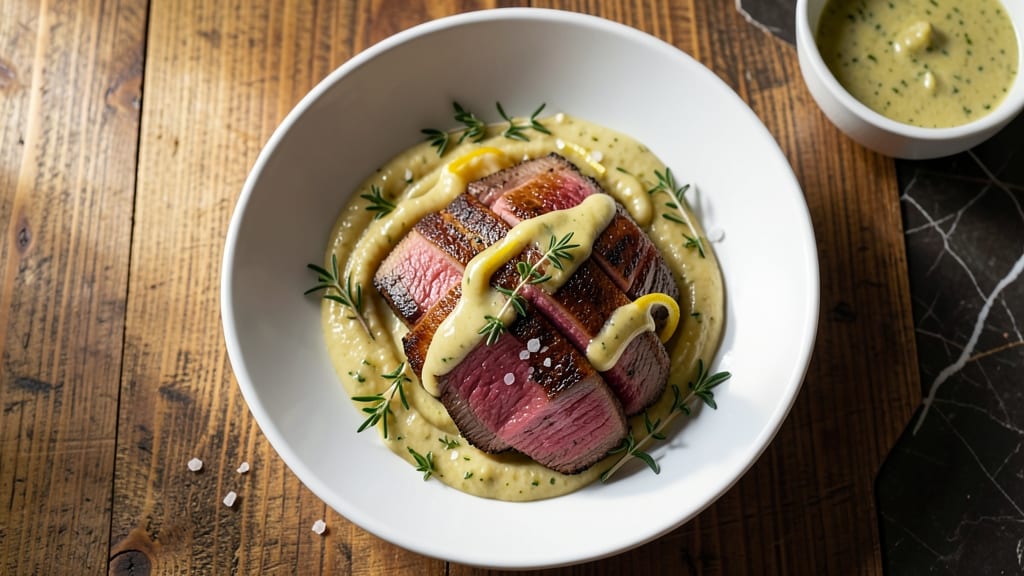
This Barefoot Contessa beef tenderloin with horseradish sauce delivers restaurant-quality results with a bold, zesty crust and melt-in-your-mouth tenderness. The secret lies in precise temperature control and a creamy horseradish sauce that cuts through the richness, creating a perfect balance of heat and elegance.
After years of perfecting this technique, I’ve refined every step to ensure juicy, perfectly cooked beef every time.
The recipe begins with searing the tenderloin to lock in flavors, followed by roasting to an ideal internal temperature of 130°F for medium-rare. The horseradish sauce—creamy, tangy, and slightly spicy—adds a sophisticated touch that elevates the dish from ordinary to exceptional.
Each bite combines the beef’s natural richness with the sauce’s sharp, refreshing kick, making it a standout centerpiece for any dinner table.
What sets this dish apart is the attention to detail: resting the meat properly, controlling the oven temperature, and blending the sauce to achieve the perfect consistency. The result is a tender, juicy steak with a crust that’s crisp yet tender, paired with a sauce that’s smooth and vibrant.
This isn’t just a recipe—it’s a technique that transforms a simple cut of beef into a showstopping meal.
Pair it with roasted vegetables or a light salad for a well-rounded plate, or serve it as the star of a holiday feast. The horseradish sauce can also be made ahead, giving you one less thing to worry about on the day of your dinner.
Let’s create a dish that’s as impressive as it is delicious.
Ingredients for barefoot contessa beef tenderloin with horseradish sauce
Sixteen ingredients transform a simple beef tenderloin into a showstopping centerpiece with crisp crust and velvety tenderness.
| Ingredient | Amount | Notes |
|---|---|---|
| Beef Tenderloin 🥩 | 3 lb | Center-cut, trimmed of silver skin |
| Unsalted Butter 🧈 | ½ cup | Cold, cut into 1-inch cubes |
| Fresh Horseradish Root 🌿 | ½ cup | Grated, not pre-made sauce |
| Heavy Cream 🥛 | ½ cup | Full-fat for optimal texture |
| Dijon Mustard 🍯 | 2 tbsp | High-quality, smooth variety |
| Fresh Lemon Juice 🍋 | 2 tbsp | Freshly squeezed, no bottled |
| Kosher Salt 🧂 | 1 ½ tsp | Diamond Crystal preferred |
| Freshly Ground Black Pepper 🌶️ | 1 tsp | Cracked peppercorns preferred |
| Fresh Thyme Leaves 🌿 | ¼ cup | Stems removed, finely chopped |
| Garlic Cloves 🧄 | 4 cloves | Peeled, minced |
| Extra-Virgin Olive Oil 🫒 | 2 tbsp | For searing |
| Shallots 🧅 | 2 whole | Minced, for sauce |
| Granulated Sugar 🍬 | 1 tsp | Balances horseradish heat |
| Vegetable Oil 🫒 | 1 tbsp | For roasting pan |
The beef tenderloin is the star—center-cut, trimmed of silver skin—and the quality makes all the difference. Whole Foods or your trusted butcher are ideal sources, but any reputable grocer will carry it. Look for vibrant color and good marbling. The horseradish root must be fresh; pre-made sauces lack the bright, peppery punch this dish demands. Penzeys or specialty markets are great for high-quality roots. For the crust, cold butter is non-negotiable—it creates that perfect crackling seal. If your butter isn't cold, chill it for 30 minutes before using.
No fresh horseradish? Freshly grated ginger at half the amount adds a different but complementary heat. Swap heavy cream for Greek yogurt at a 1:1 ratio if you prefer tang. The Dijon mustard can be omitted entirely if you dislike mustard's sharpness, but the sauce will lose some depth. For the sear, avocado oil has a higher smoke point than olive oil if you're concerned about burning. The shallots can be substituted with green onions at double the amount, though they'll add a milder flavor. Always taste the sauce before serving—adjust salt, sugar, or lemon to your preference.
Prep the horseradish sauce a day ahead—flavors meld beautifully. Store it in an airtight container in the fridge for up to 5 days. The beef tenderloin should rest at room temperature for 1 hour before cooking. For leftovers, slice against the grain and reheat gently in the oven at 300°F for 15 minutes. The sauce reheats well too, but add a splash of cream to restore its silky texture. Freeze the sauce in ice cube trays for single servings—thaw overnight in the fridge before using.
Why You'll Love This Recipe
- Two-Ingredient Sauce: The horseradish-cream combo takes five minutes to make—just grate, simmer, and whisk. No fancy techniques, no burnt fingers, just that perfect tangy kick that makes the beef taste like it was made for a holiday dinner.
- Crowd-Pleaser Guarantee: Between us, this is the one dish where even the horseradish skeptics ask for seconds. The creamy sauce mellows out the bite just enough that it’s approachable, while the butter-basted beef keeps everyone happy.
- Leftovers That Don’t Suck: Cold slices the next day? Still rich and satisfying. I swear by wrapping it tightly and reheating with a splash of cream—it’s basically beefy comfort food without the fuss. No sad, dry meat here.
- Weeknight Hero: One pan, one knife, and zero stress. The tenderloin cooks while you prep sides, and the sauce comes together while you set the table. Honestly, it’s the kind of meal that makes you wonder why you ever ordered takeout.
Step-by-step instructions for zesty horseradish-crusted beef tenderloin
Master this technique and you'll achieve a perfectly seared crust with tender, juicy meat inside.
Prepare the Horseradish Crust Mixture
In a food processor, combine the 0.5 cup grated fresh horseradish root, 0.25 cup fresh thyme leaves, 4 cloves minced garlic, 1.5 tsp kosher salt, 1 tsp freshly ground black pepper, and 1 tsp granulated sugar. Pulse until finely chopped but not pureed. Transfer to a bowl and mix in 2 tbsp Dijon mustard and 2 tbsp fresh lemon juice until fully combined.
This mixture creates the signature zesty crust that contrasts beautifully with the tender beef. The sugar balances the horseradish's heat while the thyme adds aromatic depth. Keep this mixture at room temperature while you prepare the beef.
Sear the Beef Tenderloin
Preheat your oven to 425°F. Pat the 3 lb beef tenderloin dry with paper towels and season all over with additional 1 tsp kosher salt and ½ tsp black pepper. Heat 2 tbsp extra-virgin olive oil in a large oven-safe skillet over medium-high heat. Once shimmering, add the beef and sear for 3-4 minutes per side until deeply browned.
The key here is patience—don't rush the searing. You want a deep mahogany crust that locks in juices. Remove the beef from the skillet and set aside. The residual heat will help cook the crust further in the oven.
Create the Horseradish Crust
In the same skillet (with rendered beef fat), melt 0.25 cup cold unsalted butter over medium heat. Remove the skillet from heat and spread the horseradish mixture evenly over the entire surface of the beef, pressing gently to adhere. Return the skillet to the oven and roast for 10 minutes to set the crust.
This step ensures the horseradish mixture forms a cohesive, flavorful crust rather than falling off. The butter helps bind everything together while adding richness that complements the horseradish's sharpness.
Finish Roasting to Perfection
Remove the skillet from the oven and increase the heat to 450°F. Add 1 tbsp vegetable oil to the skillet to prevent sticking. Return the beef to the oven and roast for an additional 15-20 minutes until the internal temperature reaches 130°F for medium-rare.
For accurate doneness, use a meat thermometer inserted into the thickest part of the tenderloin. The crust should be deeply caramelized while the interior remains juicy. Let the beef rest for 15 minutes before slicing—this crucial step allows juices to redistribute.
Prepare the Horseradish Cream Sauce
While the beef rests, make the sauce by melting the remaining 0.25 cup cold unsalted butter in a saucepan over medium heat. Add the 2 whole minced shallots and cook for 2-3 minutes until softened. Pour in 0.5 cup heavy cream and simmer for 3-4 minutes until slightly thickened. Stir in the remaining 0.25 cup horseradish mixture and keep warm.
This sauce should be creamy yet tangy, with the horseradish's sharpness balanced by the richness of the cream. Adjust seasoning with additional salt or pepper if needed. Serve immediately alongside the sliced beef.
Pro Tips For Making Barefoot Contessa Beef Tenderloin With Horseradish Sauce
- SEAR THE BUTTER FIRST: Melt the butter in the pan before adding the tenderloin—this prevents the meat from steaming and guarantees a deep, flavorful crust. I used to toss in the butter cold, and the pan would sputter like a bad romance; now it browns beautifully every time.
- GRATE HORSERADISH FINE: Use a microplane or the smallest holes on a box grater for the horseradish—this keeps the sauce silky instead of grainy. I once used a food processor, and it turned the sauce into a sad, lumpy mess. (Your guests won’t notice, but you will.)
- DON’T OVERCOOK THE CREAM: Keep the horseradish cream sauce on low heat—just enough to warm through, no bubbling. Once, I let it simmer while I answered emails, and it split like a bad marriage. Stir in the butter off the heat at the end instead.
- SALT THE MEAT TWICE: Season the tenderloin before searing, then again right after—this locks in flavor and prevents dryness. I skipped the second round once, and the crust tasted like a sad, forgotten appetizer. (Yes, even if you’re impatient like me.)
Essential equipment for barefoot contessa beef tenderloin with horseradish sauce
Must-Have Cooking Tools
Start with a high-quality meat thermometer—I recommend the ThermoWorks Smoke—to ensure your tenderloin hits 130°F for perfect medium-rare doneness. A large oven-safe skillet (like All-Clad Stainless Steel) is essential for searing and roasting. For precision, use a kitchen scale to measure the beef accurately. 🌡️
Crust Creation Essentials
A food processor is key for blending the horseradish mixture to the perfect texture. I use a Cuisinart DLC-2 for consistent results. A small offset spatula helps spread the mixture evenly over the beef.
For the sauce, a medium saucepan with a heatproof handle makes stirring easier while melting butter and cream.
Butter Handling Gear
Cold butter is critical for the crust, so keep it chilled with a small ice bath or cooling rack. A sharp chef’s knife and cutting board are needed for mincing shallots, garlic, and thyme. I also recommend a microplane for grating fresh horseradish root efficiently. 🧈
Optional Upgrades
For extra precision, a laser thermometer like the Meater can help with surface temperature checks. A stand mixer (like KitchenAid) can blend the sauce faster if you prefer.
For presentation, a sharp slicing knife (like Wüsthof) ensures clean cuts against the grain. These tools elevate the dish but aren’t strictly necessary.
Nutrition facts
Frequently asked questions
How do I adjust the recipe for a smaller or larger tenderloin?
The recipe works best with a 3 lb tenderloin, but you can scale it proportionally. For a 2 lb tenderloin, reduce all ingredients by about 66% while maintaining the same ratios. For larger cuts (up to 5 lbs), increase ingredients by 50-60% but don't exceed 0.5 cup horseradish root—too much can overpower the beef. Always adjust roasting time based on weight, aiming for 130°F internal temp.
Can I make the horseradish sauce ahead of time?
Yes! The sauce actually tastes better when made 1-2 days ahead—the flavors meld beautifully. Store it in an airtight container in the fridge, then reheat gently with a splash of cream before serving. For the crust mixture (horseradish + thyme + garlic), you can prep it up to 24 hours ahead and keep it chilled. Just bring it to room temp before applying to the beef.
What if my beef is still pink in the middle after roasting?
This usually happens if the beef rested too long before slicing or wasn't properly seared. For medium-rare, the center should reach 130°F. If it's still pink at 130°F, it's likely a thick cut—slice deeper into the center to check. For immediate correction, return the beef to a 300°F oven for 5-10 minutes until it reaches 140°F. Always use a meat thermometer!
How do I prevent the horseradish crust from falling off?
Cold butter is your secret weapon! Make sure your 0.5 cup butter is properly chilled before mixing with the horseradish paste. Press the mixture firmly onto the beef and let it set in the oven for the full 10 minutes before finishing. If the crust still cracks, try adding 1 tbsp cornstarch to the mixture to help bind it. Avoid overcrowding the skillet during searing.
What are the best side dishes to serve with this beef?
The rich horseradish sauce pairs beautifully with lighter sides to balance the plate. Try roasted asparagus with lemon zest, creamy polenta, or truffle mashed potatoes. For a fresh contrast, a simple arugula salad with shaved fennel and balsamic glaze works wonderfully. The sauce's tanginess also complements earthy root vegetables like roasted carrots with thyme.