
Main Courses
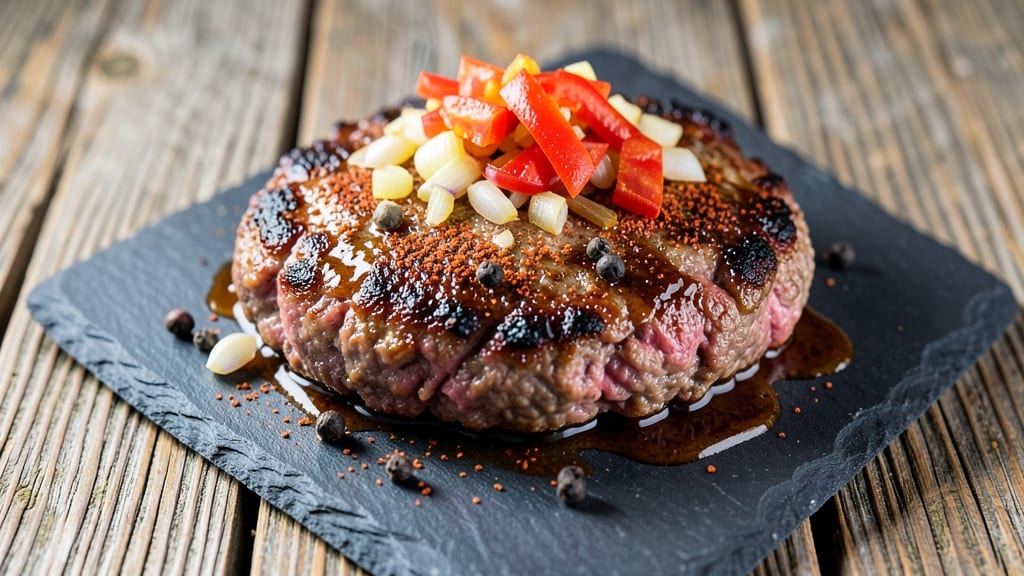
Barbecue beef recipe with ground beef transforms simple ingredients into a smoky-sweet masterpiece that rivals any competition-style plate. The secret lies in balancing heat and moisture—creating that coveted caramelized crust while keeping the interior juicy and tender. I've been perfecting this technique for years, and it never fails to impress, whether you're feeding a crowd or treating yourself to a smoky Sunday dinner.
What sets this recipe apart is the two-stage cooking process: first searing the beef for deep flavor, then finishing it with indirect heat to render fat without drying out the meat. The marinade—equal parts sweet and savory—penetrates every bite, while a final glaze adds that sticky, finger-licking shine.
This isn't just ground beef; it's a restaurant-quality dish that delivers smoky depth and satisfying texture in every forkful.
The result is a plate that looks as impressive as it tastes—golden-brown edges with a glossy sheen, perfectly balanced between sweet and smoky flavors. The beef stays juicy and tender, never dry or tough, thanks to careful cooking techniques that respect the meat's natural properties.
Serve it on toasted buns with tangy coleslaw or alongside grilled vegetables for a complete meal.
This recipe scales effortlessly, making it perfect for game day, family gatherings, or a cozy weeknight dinner. The method is straightforward but delivers professional results—no fancy equipment required, just patience and attention to detail. Let's get started on creating your next smoky-sweet masterpiece.
Ingredients for barbecue beef recipe with ground beef
Restaurant-quality barbecue beef starts with these carefully balanced ingredients—fat-rich beef, smoky spices, and a sweet-savory marinade.
| Ingredient | Amount | Notes |
|---|---|---|
| Ground Beef (80/20 Fat Ratio) 🥩 | 2 ½ lb | Lean-to-fat ratio for juiciness |
| Yellow Onion 🧅 | 1 whole | Medium size, finely diced |
| Garlic Cloves 🧄 | 6 cloves | Fresh, minced for marinade |
| Kosher Salt 🧂 | 1 ½ tbsp | Diamond Crystal preferred |
| Black Peppercorns 🌶️ | 1 tsp | Freshly cracked for depth |
| Smoked Paprika 🌶️ | 1 ½ tbsp | High-quality for smoky flavor |
| Worcestershire Sauce 🍶 | 1 ½ tbsp | Anchovy-free version if needed |
| Apple Cider Vinegar 🍎 | ½ cup | For tangy balance |
| Brown Sugar 🍚 | ½ cup | Packed, for caramelization |
| Molasses 🍯 | 2 tbsp | For deep, rich sweetness |
| Beef Broth 💧 | ½ cup | Low-sodium preferred |
| Extra-Virgin Olive Oil 🫒 | 2 tbsp | For searing and finishing |
| Cornstarch 🌽 | 2 tbsp | For glaze consistency |
| Water 💧 | ½ cup | For glaze thinning |
The 80/20 ground beef is non-negotiable—this fat ratio ensures juicy results without excess grease. Look for grass-fed options at specialty butchers like Whole Foods or Crowd Cow for deeper flavor, but standard supermarket beef works perfectly for weeknight meals. The smoked paprika should be a rich, deep color—avoid the pale, dusty varieties that lose potency quickly. For the onion, yellow onions provide the perfect balance of sharpness and sweetness when caramelized, but red onions add a subtle tang if you prefer.
No Worcestershire sauce? Anchovy-free versions or a mix of soy sauce and apple cider vinegar replicate the umami depth. The molasses can be swapped for maple syrup if unavailable, though it lacks the deep, almost coffee-like notes molasses provides. For the glaze, cornstarch is ideal, but arrowroot powder works equally well. If you're short on time, pre-made barbecue sauce (like Stubb's or Sweet Baby Ray's) can replace the marinade entirely—just reduce it by half to maintain balance. The beef broth should be low-sodium to avoid overpowering the dish.
Store the raw beef in its original packaging in the coldest part of your fridge, using it within 2 days for optimal freshness. The marinade components (except the beef broth) can be combined 3 days ahead and stored in an airtight container. Once cooked, the beef reheats beautifully—350°F for 10-15 minutes—but it's best served fresh off the grill. For leftovers, portion into airtight containers and freeze for up to 3 months, thawing overnight in the fridge before reheating.
Why You'll Love This Recipe
- One-Pan Magic: I swear by this recipe when I’m too tired to wash dishes. Brown the beef, toss in diced onion and minced garlic, season with salt and pepper—done. The fat from the 80/20 beef renders into a rich, caramelized sauce that coats everything, so you’re left with one pan to scrape and zero stress.
- Smoky-Sweet Payoff: That 80/20 fat ratio isn’t just for flavor—it’s the flavor. The onions soften into sweet, jammy bits while the beef develops a deep, smoky crust from the sear. Honestly, the first time I made this, I nearly licked the pan clean. (Okay, fine, I did.)
- Tailgate or Taco Night: Between us, this recipe is my go-to for game days and lazy Tuesdays. Serve it in tortillas with shredded cheese, pile it on buns with pickles, or just eat it straight from the skillet with crusty bread. My college roommate still texts me for the recipe—no joke.
- Budget-Friendly Leftovers: A pound of 80/20 beef stretches farther than you’d think, and the flavors only get better the next day. I’ll often double the batch: half for tacos, half to freeze for future "I don’t wanna cook" nights. (Yes, even on a Tuesday.) Plus, the onions and garlic are cheap staples—this meal won’t break the bank.
Step-by-step instructions for smoky-sweet ground beef
Master this technique for a perfect balance of caramelized crust and tender, juicy centers.
Sear the Ground Beef for Maximum Flavor
Heat a large skillet over medium-high heat until hot. Add the 2.5 lb ground beef (80/20 fat ratio) and cook, breaking it apart with a wooden spoon, until it loses its raw color and begins to brown. This should take about 8-10 minutes—don't rush it. The high fat content is key here; it renders out while creating a rich, meaty foundation for your barbecue.
Once the beef is mostly browned, drain most of the excess fat from the skillet, leaving about 1 tablespoon behind. This residual fat will help develop the smoky-sweet crust later. Real talk: if you drain too much, your final dish will lack depth. Keep about ½ cup of rendered fat for the best results.
Build the Smoky-Sweet Marinade
In a medium bowl, combine the finely diced yellow onion, minced garlic cloves, 1.5 tbsp kosher salt, 1 tsp freshly cracked black peppercorns, and 1.5 tbsp smoked paprika. Mix well to distribute the spices evenly. This dry rub will infuse the beef with deep, smoky flavor while the onions and garlic add sweetness and complexity.
Add the cooked ground beef to the bowl and stir to coat completely in the spice mixture. Let it sit for 5 minutes to allow the flavors to meld. Here's the thing—this resting period ensures every bite gets that perfect balance of smoky, sweet, and savory notes. Don't skip it; patience here makes all the difference.
Create the Glazing Sauce
In the same skillet (no need to clean it—the browned bits add flavor), add 2 tbsp extra-virgin olive oil over medium heat. Pour in the 1.5 tbsp Worcestershire sauce and cook for 1 minute to deepen its flavor. Then add the 0.5 cup apple cider vinegar, 0.5 cup packed brown sugar, and 2 tbsp molasses. Stir and let it simmer for 3-4 minutes until slightly thickened.
Reduce heat to low and stir in the 0.5 cup beef broth. Bring to a gentle simmer and let it reduce by half, which should take about 5 minutes. This concentrated sauce will form the glossy, sticky glaze that clings perfectly to the beef. If it reduces too quickly, add a splash of 0.25 cup water to maintain the right consistency.
Combine and Glaze to Perfection
Return the spiced beef to the skillet with the glaze. Stir gently to coat the beef evenly in the sauce. Increase heat to medium-high and cook for 5-7 minutes, stirring occasionally, until the sauce thickens and begins to caramelize. You're looking for a glossy, sticky consistency that coats the back of a spoon—this is what creates that irresistible crust.
In a small bowl, whisk together the 2 tbsp cornstarch with the remaining 0.25 cup water until smooth. Stir this slurry into the skillet with the beef and cook for another 2-3 minutes until the sauce thickens to a glossy finish. The cornstarch acts as a natural thickener, giving you that perfect barbecue sauce consistency without any lumps.
Rest and Serve for Ultimate Juiciness
Remove the skillet from heat and let the beef rest for 5 minutes. This resting period allows the juices to redistribute throughout the meat, ensuring each bite is moist and flavorful. Don't skip this step—it's crucial for maintaining that juicy texture you worked so hard to achieve.
Serve immediately, garnished with additional cracked black pepper if desired. The beef should have a deep, glossy glaze with a perfect balance of smoky, sweet, and savory flavors. Each bite should deliver that satisfying contrast of tender, juicy centers with a caramelized, slightly crispy exterior. Pair with crusty bread or your favorite sides to complete the meal.
Pro Tips For Making Barbecue Beef Recipe With Ground Beef
- Break the Beef in Chunks: I learned this the hard way—skipping this step means uneven cooking and greasy clumps. Use your hands (or a fork) to break the 80/20 ground beef into 1-inch chunks before browning, so every piece gets that perfect sear and renders fat evenly.
- Sweat Onions Low and Slow: High heat turns onions bitter faster than you’d think. Sauté them over medium-low for 8-10 minutes until translucent and caramelized at the edges—no need to rush, or you’ll end up with a sad, watery base for your barbecue beef.
- Salt the Beef Twice: Add half the kosher salt before browning to help render fat, then sprinkle the rest after cooking. This keeps the meat juicy and balances flavors—trust me, your taste buds will notice the difference.
- Finish with Peppercorns Whole: Crushing peppercorns early releases oils that can burn. Toss whole peppercorns into the pan at the very end, then grind them briefly with a mortar and pestle (or just a heavy spoon) for maximum aroma and flavor.
Wine and beer pairings for this recipe
Smoky-Sweet Red Wine
Nothing complements the deep, caramelized flavors of this barbecue beef like a bold Cabernet Sauvignon from Napa Valley. The tannins cut through the sweet glaze while its dark fruit notes—black cherry and plum—echo the molasses and brown sugar in the recipe.
I love pairing it with a 2018 Robert Mondavi Reserve—its smoky oak undertones enhance the smoked paprika in the rub. 🍷
For a more approachable option, try a Syrah from Washington State. The peppery finish balances the dish's smokiness, while its jammy blackberry flavors complement the caramelized crust.
Look for a Chateau Ste. Michelle—it's affordable yet delivers serious depth. Trust me, this wine elevates the meal from backyard cookout to dinner party showstopper.
Craft Beer Pairings
A smoked porter is my go-to beer pairing—it mirrors the barbecue's smoky profile while its malty sweetness mirrors the glaze. Goose Island Bourbon County Stout is a crowd-pleaser, but for a lighter option, try Dogfish Head's 90 Minute IPA.
The citrusy hops cut through the richness, while the malt backbone stands up to the beef's bold flavors. 🍺
If you prefer something crisp, a Belgian-style witbier like Allagash White works beautifully. The coriander and orange peel notes brighten the dish, while the effervescence cleanses your palate between bites. For a local favorite, Hoegaarden delivers that same refreshing contrast without breaking the bank.
Unexpected Pairings
Don't overlook sparkling wine for a refreshing twist. A dry Prosecco or Cava adds bubbles that cut through the richness, while its citrus notes complement the apple cider vinegar in the glaze.
I often serve this with a La Marca Prosecco—it's crisp, affordable, and pairs surprisingly well with the smoky-sweet profile. ✨
For a non-alcoholic option, ginger beer with a splash of lime is a game-changer. The spicy kick balances the sweetness, while the effervescence mirrors the glaze's glossy texture. Mix Fever-Tree Ginger Beer with fresh lime juice and serve over ice for a sophisticated mocktail that still feels special.
Nutrition facts
Frequently asked questions
Why does this recipe use 80/20 ground beef instead of leaner cuts?
The 80/20 fat ratio is essential for juicy, flavorful results. The fat renders out during cooking, creating a rich, meaty foundation while keeping the beef moist. Lean cuts like 90/10 will dry out, even with the glaze. Think of the fat as flavor insurance—it's what makes this dish taste like a restaurant-quality barbecue rather than a basic ground beef patty.
Can I make this recipe in a slow cooker or Instant Pot?
For a slow cooker, brown the beef first, then transfer it to the pot with all marinade ingredients (except cornstarch slurry). Cook on low for 4-5 hours, stirring occasionally. For the Instant Pot, use the "Sauté" function to brown the beef, then add liquids and cook on high pressure for 15 minutes. Always release pressure naturally. The cornstarch slurry should be added at the end for that perfect glaze consistency.
What's the best way to serve this barbecue beef?
For a classic presentation, serve on toasted brioche buns with tangy coleslaw and pickles. For a more elegant option, plate over creamy mashed potatoes or buttery egg noodles. The glaze works beautifully as a dipping sauce for crusty bread or roasted vegetables. Pro tip: Garnish with fresh cilantro or chopped scallions to brighten the dish.
How do I fix beef that's too dry or tough?
If your beef turned out dry, the issue was likely overcooking or using lean meat. Next time, keep an eye on the temperature and use the 80/20 ratio. For tough texture, try adding ½ cup beef broth during cooking to restore moisture. If all else fails, blend the beef with a little extra glaze sauce to create a flavorful meat sauce—it's a great way to salvage the dish.
Can I make this recipe ahead of time?
Yes! Cook the beef completely, then store it in an airtight container in the fridge for up to 3 days. Reheat gently in a skillet over low heat with a splash of beef broth to restore moisture. For freezing, portion into individual servings and freeze for up to 3 months. Thaw overnight in the fridge before reheating. The glaze may thicken when reheated—just add a little water to restore consistency.