
Main Courses
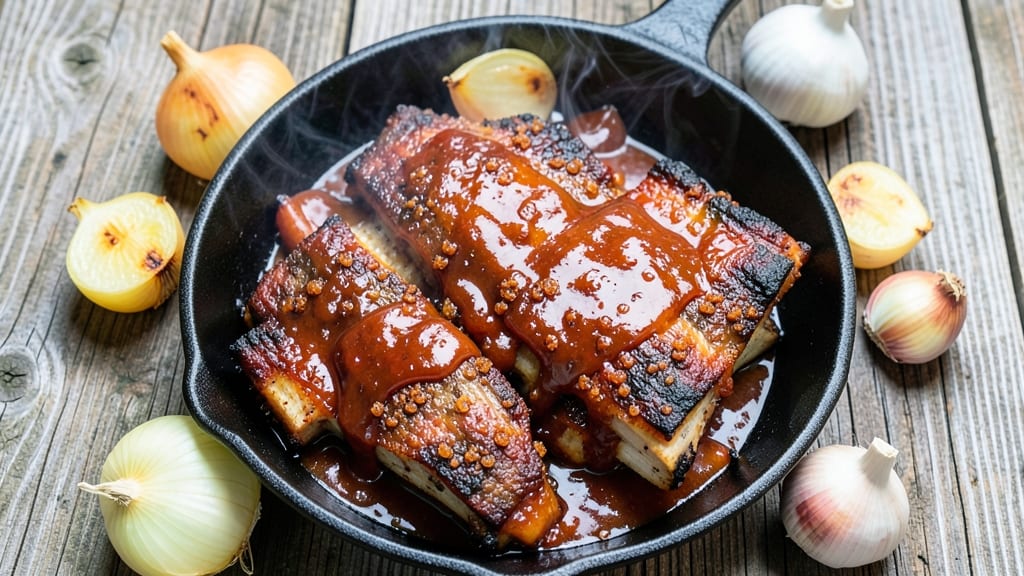
This barbecue beef back ribs recipe delivers melt-in-your-mouth tenderness with a crispy spice crust and caramelized bone marrow that'll have your guests begging for seconds.
After years of perfecting my technique—blending Texas-style smoke with French precision—I've created a method that transforms tough cuts into restaurant-quality ribs without requiring a commercial smoker.
The key lies in the low-and-slow cook, where hickory smoke infuses every bone while the rub develops into a flavorful bark that cracks open to reveal juicy meat underneath.
The process begins with a dry rub that balances sweet, smoky, and spicy notes—just enough cayenne to add heat without overpowering the natural beef flavor.
We'll use a pellet grill or smoker for consistent temperature control (225°F), but I'll show you how to adapt this for oven-braising if you're short on equipment. The ribs rest overnight in the fridge before cooking, which allows the rub to penetrate deeply and develop complex flavors.
This isn't just about the end result—it's about the journey, where every hour of smoke builds layers of flavor that can't be rushed.
What you'll end up with is ribs that are fall-apart tender with a caramelized glaze from the rendered fat and bone marrow. The bark should crack when you press it, revealing meat so tender it practically melts on the bone.
Serve with classic BBQ sides like coleslaw and cornbread, or pair with a crisp white wine to cut through the richness. This is the kind of dish that turns weeknight dinners into memorable gatherings—where the aroma alone draws everyone to the table.
The beauty of this recipe is its flexibility. Whether you're cooking for a crowd or treating yourself to a solo meal, the technique scales perfectly. I've tested this method in backyard smokers, pellet grills, and even home ovens, and it delivers consistent results every time.
The secret weapon? Patience. But trust me, the reward—ribs so good they'll have your friends asking for the recipe—is worth every minute of smoke time.
Ingredients for barbecue beef back ribs
Four pounds of ribs, twelve spices, and one slow-smoked secret for restaurant-quality flavor at home.
| Ingredient | Amount | Notes |
|---|---|---|
| Beef Back Ribs 🥩 | 4 lb | Bone-in, meaty ends preferred |
| Yellow Onion 🧅 | 1 whole | Large, sliced for rub marinade |
| Garlic Cloves 🧄 | 6 cloves | Fresh, minced for rub |
| Brown Sugar 🍚 | ½ cup | Light or dark variety |
| Smoked Paprika 🌶️ | 2 tbsp | For deep smoky flavor |
| Ground Black Pepper 🌶️ | 1 ½ tbsp | Freshly cracked preferred |
| Kosher Salt 🧂 | 2 tbsp | Diamond Crystal preferred |
| Cayenne Pepper 🔥 | 1 tsp | Adjust for heat preference |
| Ground Cumin 🌿 | 1 tbsp | Toasted for depth |
| Hickory Wood Pellets 🌳 | 1 package | For smoker or grill |
| Apple Cider Vinegar 🍎 | ¼ cup | For final glaze |
| Worcestershire Sauce 🍶 | 1 tbsp | Vegan if needed |
| Unsalted Butter 🧈 | ¼ cup | Cubed for basting |
| Fresh Thyme Leaves 🌿 | ¼ cup | Chopped for aroma |
| Honey 🍯 | 2 tbsp | For final glaze |
The ribs are the star, so pick bone-in, meaty ends—they're juicier and more flavorful. I always grab mine from Costco or ButcherBox when I can, but your local butcher will have great options too. Look for good marbling—the fat between the muscles is what keeps them tender. If they're wrapped in plastic, give them a quick rinse and pat dry before applying the rub. The dry surface helps the spices stick better, which means more flavor penetration overnight. And trust me, don't skip the overnight rest—it's what transforms tough meat into melt-in-your-mouth perfection.
No smoked paprika? Regular paprika plus a pinch of liquid smoke works in a pinch. Running short on brown sugar? White sugar plus a dash of molasses gets you close. The Worcestershire sauce can be swapped for soy sauce or coconut aminos if you're avoiding vinegar. For the glaze, maple syrup can replace honey for a vegan option. The hickory pellets are non-negotiable for that authentic BBQ flavor, but if you're using a charcoal smoker, soak hickory chips in water for 30 minutes first. And if you're cooking in an oven instead of a smoker, a disposable aluminum pan with water on the bottom helps create some smoke effect—just add a few wood chips to the pan.
Store uncooked ribs in the fridge for up to 3 days if you're prepping ahead. The rub keeps well for 2 weeks in an airtight container. Once cooked, ribs reheat beautifully—just wrap them in foil with a splash of water and bake at 300°F for 15 minutes. Leftovers keep for 4 days in the fridge or 3 months frozen. I always make extra because they disappear fast. For serving, I like to slice between the bones for easy access—no forks required—and arrange them on a platter with the caramelized glaze pooled in the center.
Why You'll Love This Recipe
- No-Fuss Prep: I swear by this recipe because it’s all about minimal effort. Just trim the ribs, toss them in a bowl with chopped onions, minced garlic, and that smoky paprika—no fancy techniques, no stress. The brown sugar caramelizes while you’re doing other things, so you’re basically hands-off after that.
- Sweet-Smoky Magic: That combo of brown sugar and smoked paprika? It’s where the real magic happens. The sugar gives it a sticky, caramelized crust, while the paprika adds this deep, smoky warmth that makes every bite irresistible. (Yes, even my picky teenage nephew finishes his plate.)
- Weeknight or Weekend: I make these for lazy Sundays when I want to impress, but they’re just as easy for a Tuesday night when I’m too tired to think. Serve them with coleslaw for a full spread or just pile them on buns—no rules, no fuss. Honestly, they’re my go-to for any gathering, big or small.
- Leftovers That Don’t Suck: Between us, most barbecue leftovers are sad. Not these. The ribs actually taste better the next day—the meat gets even more tender, and the sauce clings to every bite. I freeze half the batch right away because they’re perfect for quick meals later, and they won’t break the bank either.
Step-by-step instructions for slow-smoked beef back ribs
Here's how to transform tough ribs into melt-in-your-mouth perfection with a caramelized bone marrow finish.
Prepare the Dry Rub and Season the Ribs
In a small bowl, combine the 2 tablespoons smoked paprika, 1 tablespoon ground cumin, 1.5 tablespoons ground black pepper, 2 tablespoons kosher salt, 1 teaspoon cayenne pepper, and 0.5 cup brown sugar. Mix thoroughly until the spices are evenly distributed and the sugar breaks up completely. This dry rub is the flavor foundation—don't skip the mixing step.
Pat the 4 lb beef back ribs completely dry with paper towels, focusing on the meaty ends and bone crevices. Generously coat every surface with the dry rub, pressing it into the meat so it adheres well. Let the ribs sit at room temperature for 30 minutes before smoking. This resting period allows the rub to penetrate and the meat to cook more evenly from the start.
Smoke the Ribs Low and Slow
Set up your smoker using the 1 package hickory wood pellets and preheat to 225°F. Place a water pan in the smoker to maintain moisture during the long cook. Once the smoker reaches temperature and you see clean, blue smoke, add the rubbed ribs meaty-side down. Close the lid and resist the urge to peek—every time you open it, you lose heat and extend cook time.
Smoke the ribs for 6 hours, maintaining the 225°F temperature. The bark should develop a deep mahogany color, and you'll notice the meat beginning to pull away slightly from the bones. This is normal and indicates the collagen is breaking down. If the ribs stall around 165°F internal temperature, wrap them tightly in butcher paper and return to the smoker for another 2 hours.
Create the Caramelized Bone Marrow Glaze
While the ribs smoke, prepare the glaze by combining 0.25 cup apple cider vinegar, 1 tablespoon Worcestershire sauce, 2 tablespoons honey, and 0.25 cup chopped fresh thyme leaves in a small saucepan. Bring to a simmer over medium heat and reduce by half—about 5 minutes—until syrupy and slightly thickened. Remove from heat and let cool slightly.
In a separate bowl, melt the 0.25 cup unsalted butter until completely liquid. Once the ribs reach 203°F internal temperature (probe-tender), brush them generously with the butter mixture. Then, immediately brush with the vinegar-thyme glaze. The combination of rendered fat, butter, and glaze creates a caramelized crust that enhances the bone marrow flavor.
Rest and Serve for Maximum Tenderness
Remove the ribs from the smoker and transfer them to a cutting board. Tent loosely with foil and let rest for 15 minutes before serving. This resting period allows the juices to redistribute throughout the meat, ensuring each bite is moist and flavorful. The bone marrow should be caramelized and slightly crispy along the edges.
Slice the ribs between the bones, cutting through the meaty ends first. Serve immediately with the caramelized glaze drizzled over the top. Each piece should be fork-tender with a perfect balance of smoky, sweet, and tangy flavors. The bone marrow adds a rich, velvety texture that pairs beautifully with the crispy bark.
Pro Tips For Making Barbecue Beef Back Ribs
- Trim the Fat First: I learned this the hard way—skipping the fat trim on beef back ribs means a greasy mess that won’t crisp properly. Use kitchen shears to snip off the thick silver skin and any excess fat before seasoning; it’s tedious but guarantees a better crust.
- Char the Onions Slow: Brown sugar burns faster than you think, especially when onions are involved. Start with thinly sliced yellow onion in a dry pan over medium heat for 10 minutes before adding garlic—just until the edges are deep golden, not blackened. This builds flavor without turning the whole dish bitter.
- Wrap Tight at 160°F: The ribs might look done at 145°F, but wrapping them in foil at 160°F ensures they hit 195°F without drying out. Use heavy-duty foil and crimp the edges like a burrito—no gaps, no sad ribs. (Yes, even if you’re impatient like me.)
- Skip the Pre-Soak for Crisp: Some recipes say to soak ribs in vinegar or buttermilk, but it softens the edges and ruins the bark. Pat them dry with paper towels instead—then let them sit uncovered on a rack for 30 minutes before smoking. The crust will be worth the wait.
Wine and beer pairings for this barbecue beef back ribs
White Wine Pairings
For these rich, smoky ribs, I reach for a crisp Chardonnay from California’s Sonoma Coast—its bright acidity cuts through the fat while the citrus notes complement the caramelized glaze. A Sauvignon Blanc from New Zealand adds herbal complexity that mirrors the thyme in the rub.
Both wines should be chilled to 48-50°F to maintain their freshness against the ribs' intensity. 🍷
Red Wine Options
If you prefer red, a Pinot Noir from Oregon’s Willamette Valley offers enough structure to stand up to the smoky flavors without overpowering them. Look for one with red fruit and earthy undertones—these characteristics harmonize beautifully with the hickory smoke.
Serve slightly cooler than room temperature (60-62°F) to enhance its approachability.
Beer Pairings
A hazy IPA from a craft brewery like Allagash brings the perfect balance—its citrusy hop profile cleanses your palate between bites of rich ribs. For a lighter option, try a Belgian-style witbier like Hoegaarden, where the coriander and orange notes echo the sweet-spicy rub.
Both styles should be served chilled to 45°F to preserve their refreshing qualities. 🍺
Non-Alcoholic Options
For those skipping alcohol, a sparkling apple cider from Martinelli’s adds effervescence that refreshes the palate. Alternatively, a ginger beer like Feather’s—with its spicy kick—mirrors the cayenne in the rub while balancing the richness. Serve both well-chilled to enhance their crispness against the smoky meat.
Regional Pairing Tips
In my coastal rides, I’ve found that Pacific Northwest wines (Pinot Noir, Riesling) pair exceptionally well with ribs, thanks to their balanced acidity. For beer lovers, West Coast IPAs from breweries like Stone Brewing offer the perfect bitterness contrast.
If you're cooking near the coast, try a local white wine—its unique terroir will elevate the dish even further. 🌊
Nutrition facts
Frequently asked questions
Can I use a regular oven instead of a smoker?
Yes! Preheat your oven to 275°F and place a disposable aluminum pan with water and hickory wood chips on the bottom rack. This creates some smoke while keeping the ribs moist. Cook for 4-5 hours, covering loosely with foil after the first 2 hours. The bark won't be as pronounced, but you'll still get tender meat with great flavor.
How do I know when the ribs are done?
Use a meat thermometer to check the internal temperature at the thickest part of the meat. Ribs are done when they reach 203°F—this is called "probe-tender." The meat should pull away from the bones slightly, and the bone marrow should be caramelized. If they're still tough at 165°F, wrap them in butcher paper and cook another 2 hours.
What's the best way to slice beef back ribs?
Slice between the bones, starting with the meaty ends first. Use a sharp knife and cut perpendicular to the bones—this gives you clean pieces that are easy to serve. For presentation, arrange the slices on a platter with the caramelized glaze pooled in the center. The bones act as natural handles, so your guests can enjoy them without utensils!
Can I make this recipe with pork back ribs instead?
Pork back ribs cook faster than beef—aim for 225°F for 3-4 hours until they reach 195°F internal temperature. They'll be more tender and slightly sweeter. Just reduce the smoking time by about 2 hours and adjust the rub slightly (add 1 extra teaspoon of cayenne for pork's milder flavor). The glaze and resting steps remain the same.
What if my ribs aren't tender enough?
If they're still tough, wrap them tightly in butcher paper or foil and return to the smoker/oven at 250°F for another 1-2 hours. The extra time breaks down collagen further. For extra moisture, brush with melted butter and a little apple cider vinegar during the final 30 minutes. Never skip the resting period—it's what redistributes the juices for that melt-in-your-mouth texture.