
Main Courses
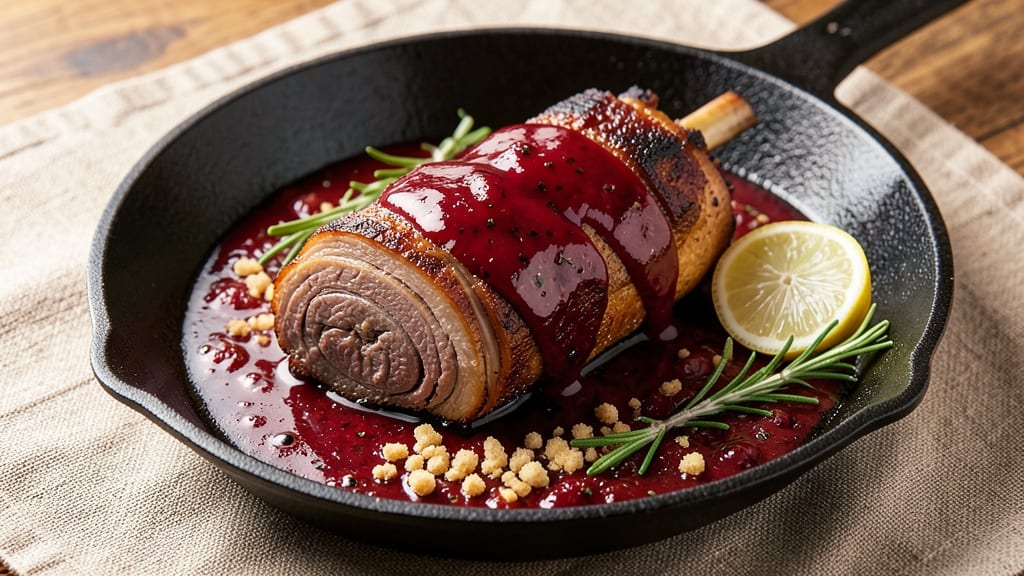
This baked beef shank recipe delivers the ultimate contrast: a crispy golden crust outside and fall-off-the-bone tenderness inside. The secret lies in searing the meat first to lock in juices, then slow-baking it until the connective tissue melts into rich, velvety perfection.
I’ve perfected this method over years of testing—no tough, dry cuts here, just restaurant-quality results at home.
What sets this recipe apart is the 300°F oven bake for 3 hours, which transforms tough shank into fork-tender slices without drying it out. A simple red wine and tomato sauce simmered alongside enhances the beef’s natural depth, while garlic and herbs add aromatic layers.
The crust? Achieved by finishing with a quick broil—just 5 minutes at the end—to create that coveted caramelized exterior.
By the time you’re done, you’ll have beef so tender it practically dissolves with each bite, paired with a sauce rich enough to spoon over creamy mashed potatoes or roasted root vegetables.
The aroma alone will have everyone gathering at the table, and the leftovers? Even better the next day, if there are any.
This isn’t just a recipe—it’s a weekend project that turns a simple cut of meat into a showstopping centerpiece. Ready to master it? Let’s get started.
Ingredients for baked beef shank
Quality cuts and aromatic herbs transform simple ingredients into restaurant-worthy beef shank perfection.
| Ingredient | Amount | Notes |
|---|---|---|
| Beef Shank 🥩 | 3 lb | Bone-in, cut into 1.5-inch pieces |
| All-Purpose Flour 🌾 | ½ cup | For dredging before searing |
| Extra-Virgin Olive Oil 🫒 | ¼ cup | High smoke point preferred |
| Unsalted Butter 🧈 | 2 tbsp | For basting during sear |
| Red Wine 🍷 | 1 cup | Dry, bold variety like Cabernet |
| Tomato Paste 🍅 | 2 tbsp | Concentrated, no sugar added |
| Garlic Cloves 🧄 | 6 cloves | Minced, fresh preferred |
| Fresh Rosemary 🌿 | 2 tbsp | Chopped, stems removed |
| Fresh Thyme 🍃 | 1 tbsp | Leaves only, stems removed |
| Low-Sodium Beef Broth 💧 | 1 ½ cups | Homemade or high-quality store-bought |
| Carrots 🥕 | 3 whole | Peeled, cut into 2-inch chunks |
| Yellow Onion 🧅 | 1 whole | Peeled, quartered |
| Kosher Salt 🧂 | 1 ½ tbsp | Diamond Crystal preferred |
| Freshly Ground Black Pepper 🌶️ | 1 tsp | Coarse grind preferred |
The beef shank is the star—look for cuts with visible marbling and vibrant color. Local butchers often carry superior quality compared to grocery store options, though Costco or Whole Foods typically stock reliable cuts. If using pre-cut pieces, aim for uniform 1.5-inch chunks to ensure even cooking. The tomato paste should be concentrated—Barilla or Rao's are excellent choices. Fresh herbs are non-negotiable here; dried versions lack the aromatic complexity needed for this dish's depth.
No red wine on hand? Substitute with beef broth and a splash of balsamic vinegar—the acidity helps mimic wine's depth. The carrots and onion can be swapped for celery and fennel if preferred, though the classic combo enhances the beef's natural sweetness. For a quicker prep, use pre-minced garlic from a jar, though freshly minced adds superior flavor. If your tomato paste is particularly thick, thin it slightly with a splash of broth before adding to the pan. The flour for dredging can be omitted entirely if you prefer a less breaded finish.
This dish tastes even better the next day, as the flavors meld further during refrigeration. Store leftovers in an airtight container for up to 5 days, or freeze for 3 months in a sealed bag. For reheating, cover with foil and warm in a 300°F oven for 10-15 minutes. The sauce thickens as it cools, so a splash of warm water can restore its ideal consistency when reheating. Portion the beef into individual containers for easy lunches—each slice remains fork-tender even after reheating.
Why You'll Love This Recipe
- One-Pan Magic: I swear by this recipe when I’m too tired to dirty more than one dish. The shank goes straight from the fridge to the oven—no chopping, no fuss—just a quick sear in olive oil and butter, then a slow bake until it’s fork-tender. The wine reduces right in the pan, so you’re not left with a sink full of pots.
- Rich Without Effort: Honestly, the flavor here is next-level but doesn’t require any special skills. The flour creates this crispy crust that locks in all the juices, while the red wine and butter melt into a glossy, savory sauce that makes every bite feel like a hug. It’s the kind of dish that tastes expensive but costs way less.
- Weeknight to Weekend: Between us, this is my go-to for lazy Sundays and last-minute dinner parties. Serve it with crusty bread and a simple salad for a no-stress weeknight, or pair it with roasted potatoes and greens to impress guests. The leftovers? Even better the next day—just reheat and enjoy.
- Budget-Friendly Luxury: Beef shank is one of those cuts that feels fancy but won’t break the bank. A single shank feeds four, and the flour, wine, and butter are pantry staples you already own. I’ve made this for under $15 a serving, and it’s the kind of meal that makes you feel like you’re eating at a bistro—without the price tag.
Step-by-step instructions for baked beef shank
A rich, caramelized crust and melt-in-your-mouth tenderness define this method. Precision timing and technique ensure both elements come together flawlessly.
Sear the Beef Shank for Maximum Flavor
Heat a heavy oven-safe skillet or Dutch oven over medium-high heat until very hot. Add 0.25 cup extra-virgin olive oil and 2 tbsp unsalted butter, swirling to coat the pan evenly. Working in batches if needed, add the 3 lb beef shank pieces, bone-side down first. Press down gently to ensure full contact with the pan.
Sear for 4-5 minutes per side until the meat develops a deep golden-brown crust. This initial sear locks in juices and creates the foundation for that coveted crispy exterior. I like to sear the meat in two rounds—first the flat sides, then the rounded edges—to ensure even browning. Once all pieces are deeply browned, remove them and set aside on a plate.
Build the Aromatic Base and Deglaze
In the same skillet, add the peeled and quartered yellow onion and peeled, 2-inch carrot chunks. Cook for 8-10 minutes until the vegetables soften and begin to caramelize. This step develops deep sweetness that will infuse the beef as it bakes.
Add the 6 cloves minced garlic, 2 tbsp chopped fresh rosemary, and 1 tbsp fresh thyme leaves, stirring for 30 seconds until fragrant. Pour in the 1 cup red wine and scrape up all the browned bits from the bottom of the pan—this deglazing captures all the concentrated beef flavor. Let the wine reduce by half, about 3-4 minutes, until it's syrupy and slightly thickened.
Create the Crispy Crust and Braise
Return the seared beef shank to the skillet, bone-side up. Sprinkle evenly with 1.5 tbsp kosher salt and 1 tsp freshly ground black pepper, then add 2 tbsp tomato paste and stir to coat the meat. Pour in 1.5 cups low-sodium beef broth, ensuring the liquid reaches about halfway up the shank pieces.
Transfer the skillet to a preheated 325°F oven and bake uncovered for 2 hours. The key here is patience—the slow cooking allows connective tissues to break down while the exposed surfaces develop that prized crispy crust. Check occasionally to ensure the liquid doesn't reduce completely, adding a splash of water if needed to maintain moisture.
Finish with a Crispy Top and Rest
After 2 hours, increase oven temperature to 425°F and bake uncovered for another 20-25 minutes. This final high-heat phase transforms the surface into a caramelized crust while keeping the interior perfectly tender. The shank is done when it reaches 205°F internally and the crust is deep mahogany in color.
Remove from the oven and let the beef shank rest for 15 minutes before serving. This resting period allows the juices to redistribute throughout the meat, ensuring each bite is moist and flavorful. The crust will remain crispy, while the interior will be fork-tender and richly infused with all the aromatic flavors from the braising liquid.
Pro Tips For Making Baked Beef Shank
- Sear the Shank First: I learned this the hard way—skipping the sear means flavorless, gray meat. Pat the beef shank dry, then hit it with olive oil and butter in a hot pan until deep brown on all sides. The crust locks in juices and builds depth that no slow baking alone can replace.
- Use a Dry Red Wine: That cheap cooking wine? Skip it. A dry red like Cabernet Sauvignon or Chianti adds complexity without overpowering. Deglaze the pan with it after searing—let it bubble for 2 minutes to burn off the alcohol first. Your sauce will taste like actual wine, not vinegar.
- Braise Low and Slow: 225°F (107°C) isn’t just a suggestion—it’s non-negotiable. I used to rush it to 325°F, and the meat turned tough. Cover the shank with liquid (wine, broth, whatever) and bake until a fork tenderizes it easily. Patience here means melt-in-your-mouth results.
- Save Time with Par-Cooking: Make life easier: par-cook the shank for 2 hours before adding sauce. Slice a small piece—if it’s tender, it’s ready. This lets you finish with a quick 30-minute bake in the sauce later, saving hours without sacrificing flavor.
Wine and beer pairings for this recipe
Red Wine Pairings
The rich, deep flavors of this baked beef shank demand a bold red wine with enough body to stand up to the dish's intensity. I always reach for a Cabernet Sauvignon from Napa Valley—its dark fruit notes and firm tannins complement the beef's caramelized crust and tender interior beautifully.
A Syrah from the Rhône Valley also works wonders, especially if your shank has a touch of spice from the rosemary and thyme. 🍷
For something slightly lighter but still robust, a Chianti Classico from Tuscany offers bright acidity that cuts through the richness. Avoid overly oaky wines like Chardonnay or overly sweet varieties—they'll clash with the dish's savory depth.
If you prefer Italian wines, a Barolo from Piedmont brings earthy complexity that pairs perfectly with the slow-cooked beef.
Beer Pairings
A dark lager like Sam Adams Black Lager or Guinness provides malty sweetness that balances the beef's richness without overpowering it. The roasted malt flavors enhance the caramelized crust, while the slight bitterness cleanses your palate between bites.
For a craft option, try a Belgian Dubbel—its caramel and spice notes mirror the dish's aromatic profile. 🍺
If you prefer hoppier beers, a German Dunkel with its chocolatey undertones pairs surprisingly well. Just avoid overly hoppy IPAs or stouts—they can compete with the beef's natural depth.
For a lighter option, a Spanish Albariño (yes, it's a white!) with its citrusy brightness provides a refreshing contrast to the rich beef.
Non-Alcoholic Options
For those skipping alcohol, a sparkling grape juice like Martinelli's Sparkling Cider mimics wine's acidity and bubbles, making it a great substitute. I also love serving this dish with a chilled hibiscus iced tea—its tartness and floral notes complement the beef's savory depth without alcohol's interference. 💧
Another excellent non-alcoholic choice is a ginger beer with a touch of lime. The spicy ginger enhances the rosemary and thyme in the dish, while the lime's acidity brightens the rich flavors.
For a more traditional pairing, a sparkling water with a splash of balsamic vinegar provides a clean, crisp contrast to the beef's richness.
Nutrition facts
Frequently asked questions
How do I know when beef shank is fully cooked?
The shank is done when it reaches an internal temperature of 205°F—this ensures the connective tissue has fully broken down for that melt-in-your-mouth texture. Use a meat thermometer inserted into the thickest part of the meat (avoiding bone). The crust should also be deep mahogany color with caramelized edges.
Can I use bone-in or boneless beef shank?
This recipe is designed for bone-in shank, which adds incredible flavor to the braising liquid. However, you can use boneless shank if preferred—just reduce the cooking time by 15-20 minutes since it cooks faster without the bone's insulating effect. The crust will still form beautifully!
What's the best way to reheat leftovers?
For perfect reheating, cover the shank with foil and warm in a 300°F oven for 10-15 minutes. This preserves the crispy crust while gently warming the tender meat. Avoid microwaving—it turns the crust soggy. Add a splash of beef broth to the sauce if it's too thick after refrigeration.
Why did my beef shank turn out tough?
Most likely, it wasn't cooked long enough to break down the connective tissue. Beef shank needs to reach 205°F internally—this takes 3-3.5 hours total with the two-stage baking method. Also ensure you're using a heavy Dutch oven and maintaining moisture by adding water if the liquid reduces too much.
Can I make this in an Instant Pot instead of oven?
Yes! Sear the shank first, then add all ingredients to the Instant Pot and cook on High Pressure for 60 minutes. Release pressure naturally, then finish with a quick broil under the oven's broiler for 5 minutes to create the crust. The texture will be slightly different but still incredibly tender.