
Appetizers
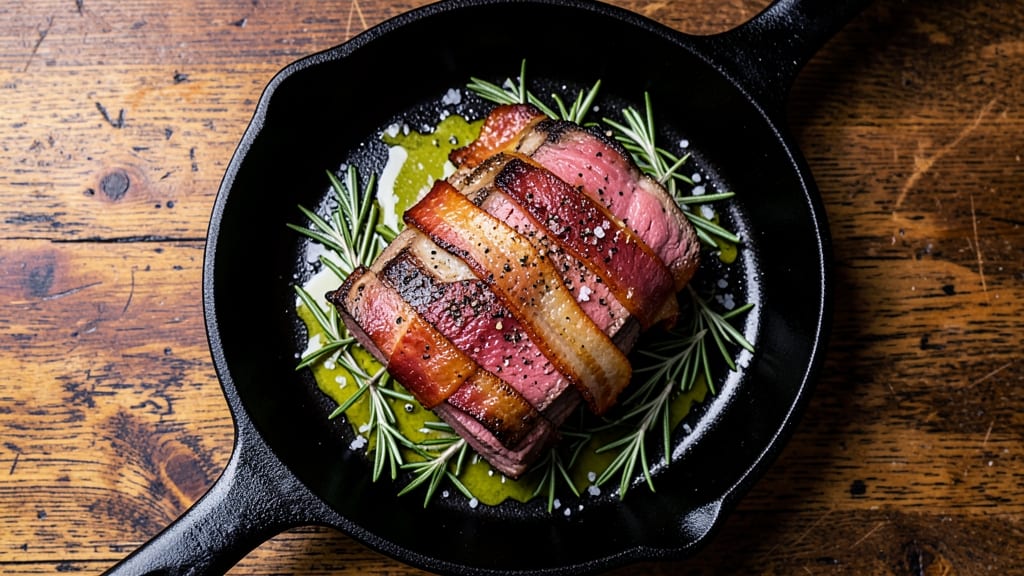
This bacon-wrapped beef sirloin filet delivers restaurant-quality results with juicy centers and smoky crisp edges—no fancy equipment required. The secret lies in a simple yet precise technique: wrapping thick-cut sirloin in thick-cut bacon before searing it to perfection.
I've perfected this method over countless dinner parties, and it never fails to impress even the most discerning guests.
The process begins with a high-heat sear to render the bacon fat, which then bastes the beef, creating that signature caramelized crust. A medium-rare finish ensures tender, melt-in-your-mouth beef, while the bacon adds layers of savory depth.
This isn't your typical weeknight meal—it's a foolproof method for achieving steakhouse-quality results at home, every time.
What sets this recipe apart is the balance of textures and flavors: the crispy bacon contrasts beautifully with the tender beef, while the smoky aroma fills your kitchen long before the meal is ready.
The best part? It takes just 30 minutes from start to finish, making it ideal for special occasions or when you want to elevate a simple dinner.
Pair it with roasted garlic mashed potatoes or a bold red wine reduction for a complete meal that feels indulgent yet remains approachable. The technique is straightforward, but the results are anything but ordinary—this is the kind of dish that turns a regular weeknight into something memorable.
Ingredients for bacon wrapped beef sirloin filet
Thick-cut beef and premium bacon create restaurant-worthy results at home.
| Ingredient | Amount | Notes |
|---|---|---|
| Beef Sirloin Filet 🥩 | 1 ½ lb | Thick-cut, 1.5-inch minimum |
| Thick-Cut Bacon 🥓 | 8 oz | Unsmoked preferred for flavor |
| Kosher Salt 🧂 | 1 ½ tsp | Diamond Crystal preferred |
| Freshly Ground Black Pepper 🌶️ | 1 tsp | Cracked peppercorns preferred |
| Extra-Virgin Olive Oil 🫒 | 1 tbsp | For searing and basting |
| Fresh Rosemary 🌿 | 1 sprig | For aroma, stems removed |
| Garlic Cloves 🧄 | 2 cloves | Minced for seasoning |
| Unsalted Butter 🧈 | 2 tbsp | For basting, softened |
| Red Wine Reduction 🍷 | ½ cup | Optional, for serving |
| Fresh Thyme Leaves 🌿 | ¼ tsp | For garnish, chopped |
The beef is non-negotiable—thick-cut sirloin (at least 1.5 inches) ensures a juicy center while the thick-cut bacon delivers crisp edges. Whole Foods or local butchers often carry ideal cuts; if pre-sliced, look for 'filet mignon' labeled as 'thick-cut'. The bacon should be unsmoked for authentic flavor, and Costco or Trader Joe's typically stock high-quality options. Freshness matters: beef should be bright red with visible marbling, while bacon should smell rich and smoky—not stale. Pat the beef dry before seasoning to maximize crust formation.
No thick-cut bacon? Double-wrap regular bacon for similar results, though texture won’t be identical. Substitute smoked paprika (1 tsp) for the rosemary aroma if unavailable, but fresh herbs elevate the dish. For the red wine reduction, Cabernet Sauvignon works best—reduce 1 cup of wine with 1 tbsp butter until syrupy. The olive oil should be fruity and peppery (like California or Italian varieties) to complement the beef’s richness. If using pre-minced garlic, toast it in olive oil first to deepen flavor. The butter for basting must be unsalted to control seasoning.
Store raw beef and bacon separately in the fridge for up to 3 days—use within 24 hours for optimal texture. Once cooked, serve immediately for the best contrast between crisp bacon and juicy beef. Leftovers reheat poorly, so plan for fresh consumption. The red wine reduction keeps 5 days refrigerated or 3 months frozen. For presentation, arrange the filet on a warm platter with the bacon fanned out dramatically—crisp edges first—and garnish with fresh thyme. Pair with roasted garlic mashed potatoes to balance the richness.
Why You'll Love This Recipe
- Five-Ingredient Magic: Between us, this recipe is one of those rare dishes where the ingredients do all the work. A single filet, a handful of bacon, and a drizzle of olive oil—no fancy herbs or complicated steps. I swear, I’ve made it after a long day when I couldn’t even think straight, and it still came out ridiculously good.
- Crispy-Creamy Obsession: That first bite—crispy bacon wrapping around tender, juicy beef? It’s the kind of contrast that makes you close your eyes. The olive oil keeps the steak from drying out, while the bacon’s smokiness turns a simple filet into something dangerously addictive.
- Weeknight or Weekend Star: Honestly, this is my go-to for everything: a lazy Friday night, a dinner party, or even a picnic. Slice it thin for sandwiches later, or serve it whole with mashed potatoes—it works every time. My husband even lets me cook it when he’s in charge of the grill.
- Leftovers That Don’t Suck: Most steak leftovers are sad, dry slices. Not this. The bacon keeps it rich, so I can reheat slices in the morning for breakfast tacos or toss them into a salad. (Yes, even on a Tuesday night.) It’s the only protein I actually look forward to reheating.
Step-by-step instructions for bacon-wrapped beef sirloin filet
Master this technique and you'll achieve perfectly juicy beef with irresistible smoky bacon edges every time.
Prepare the Beef with Seasoning and Herbs
Remove the beef sirloin filet from the refrigerator and let it sit at room temperature for 30 minutes to ensure even cooking. Pat the surface dry with paper towels—this step is crucial for achieving a good sear. In a small bowl, combine the 1.5 teaspoons kosher salt, 1 teaspoon freshly ground black pepper, 1 sprig fresh rosemary (finely chopped), and the 2 minced garlic cloves. Rub this mixture evenly over all sides of the beef, pressing gently to help the seasoning adhere.
I like to make small slits in the surface of the beef with a sharp knife—just enough to create pockets for the seasoning to penetrate deeper. This ensures every bite carries that herby, garlicky depth. Let the seasoned beef rest for another 10 minutes while you prepare the bacon wraps.
Create the Bacon Wraps
Cut the 8 ounces thick-cut bacon into 4 equal strips, each about 2 inches wide. The key here is to maintain even thickness—if any strip is too thin, it won't crisp properly. Lay each strip flat on a cutting board and use the flat side of your knife to gently press out any excess fat, concentrating the meat in the center. This creates a more uniform wrap that will encase the beef perfectly.
Place the beef sirloin filet in the center of one bacon strip and carefully roll it up, tucking in the sides as you go. Secure the roll with a small piece of kitchen twine or a toothpick. Repeat this process with the remaining bacon strips and beef. The result should be four neat, cylindrical packages that will bast the beef as they cook, creating that signature smoky flavor.
Sear the Bacon-Wrapped Beef
Heat a large cast-iron skillet over medium-high heat until it's smoking hot. Add the 1 tablespoon extra-virgin olive oil and let it shimmer for 30 seconds. Place the bacon-wrapped beef packages in the skillet, leaving space between each. Sear for 4-5 minutes per side, pressing down gently with a spatula during the first minute to ensure even contact with the pan. This prevents the bacon from curling and guarantees a crispy exterior on all sides.
You'll know it's time to flip when the bacon starts to release easily from the pan and the edges develop a deep golden-brown color. The beef should be developing a rich crust, but don't rush this step—patience here ensures that perfect balance between crispy bacon and tender beef. Remove the packages from the skillet and set them aside on a wire rack over a plate to catch any drippings.
Baste and Finish in the Oven
Reduce the oven temperature to 400°F and place the skillet with any rendered bacon fat in the oven. Add the 2 tablespoons softened unsalted butter to the skillet and let it melt completely. Carefully transfer the bacon-wrapped beef packages to the skillet in the oven. Baste the packages with the melted butter every 5 minutes for 10 minutes total, spooning the butter over the tops and sides to keep everything moist and flavorful.
After basting, continue roasting for an additional 8-10 minutes until the internal temperature of the beef reaches 135°F for medium-rare. The bacon should be crispy and the edges of the beef should be beautifully caramelized. To check doneness, use a meat thermometer inserted into the thickest part of the beef, avoiding the bacon. Remove the packages from the oven and let them rest on a cutting board for 5 minutes before serving.
Serve with Garnish and Optional Sauce
Use a sharp knife to carefully slice through the bacon and remove it from the beef. Garnish the top of each piece with the 0.25 teaspoon chopped fresh thyme leaves and serve immediately. The beef should be juicy with a pink center, surrounded by crispy, smoky bacon. For an elegant touch, drizzle each serving with the 0.5 cup red wine reduction—this adds a sophisticated finish that complements the rich flavors of the beef and bacon.
This dish delivers on all the promises: tender, juicy beef with irresistible crispy bacon edges. The herby seasoning and garlic infuse every bite, while the red wine reduction ties everything together. Serve with roasted vegetables or a simple arugula salad to complete the meal.
Pro Tips For Making Bacon Wrapped Beef Sirloin Filet
- CRISP THE BACON FIRST: I learned this the hard way—wrapping raw bacon around a steak and expecting it to crisp by the time the meat’s done? Not happening. Cook the bacon slices in a dry skillet over medium-high heat until they’re golden and just starting to crackle, then wrap them around the steak. That way, you get perfect bacon and don’t turn your steak into a sad, greasy mess.
- SEAR THE STEAK HOT AND FAST: High heat. Seriously, crank it up to medium-high and let that cast-iron scream. A quick 2-minute sear on each side with the bacon-wrapped edges down builds flavor and a crust before you finish cooking it low and slow. Skip the slow start, or you’ll end up with a steak that’s more steamed than seared.
- USE TOOTHPICKS TO SECURE WRAPS: After wrapping the bacon around the steak, secure it with toothpicks—two per side. I used to rely on just one, and the bacon would unravel mid-cook, leaving half the steak exposed. Two keeps it tight, and you can pull them out before serving without a fight.
- SALT THE BACON TOO: Yes, even if it’s thick-cut. Sprinkle a pinch of kosher salt on each bacon slice before wrapping—it seasons the edges that touch the steak and prevents them from tasting bland. I was skeptical until I tried it, and now I can’t go back.
Troubleshooting perfect results
Bacon Not Crisping
If your bacon wraps end up soft instead of crispy, it’s likely due to uneven heat distribution or insufficient searing time. Always use a heavy cast-iron skillet—it retains heat better than stainless steel or nonstick.
Preheat the pan over medium-high heat until it’s smoking hot before adding the beef and bacon. Sear for 4-5 minutes per side without moving the packages, pressing down gently with a spatula during the first minute to ensure full contact. 🔥
Beef Overcooking
Medium-rare beef is the goal, but it’s easy to overcook when wrapped in bacon. Use a meat thermometer to monitor internal temperature—remove the beef when it hits 135°F for medium-rare.
If your oven runs hot, reduce the temperature to 375°F instead of 400°F and check frequently. Overcooking dries out the beef, so resist the urge to peek too often. 🌡️
Uneven Cooking
Uneven cooking often happens when the beef and bacon packages aren’t the same size or thickness. Cut the bacon into even 2-inch-wide strips and trim the beef to uniform thickness (about 1.5 inches).
If using a skillet, leave space between packages to allow heat to circulate. For larger batches, cook in two rounds to avoid crowding. 🍳
Bacon Falling Off
If the bacon unravels during cooking, it’s likely not secured tightly enough. After rolling the beef in bacon, wrap each package with kitchen twine or secure with toothpicks before searing.
For extra stability, lightly brush the bacon with egg wash (1 beaten egg + 1 tbsp water) before rolling—this helps it stick. 💡
Dry or Tough Beef
Dry beef usually means the meat was overcooked or not rested properly. Always let the beef rest for 5-10 minutes after cooking to allow juices to redistribute. If using a thick-cut filet, avoid cutting into it too soon.
For extra tenderness, marinate the beef for 1-2 hours in a mix of olive oil, garlic, and rosemary before wrapping in bacon. 🥩
Bacon Burning
Burnt bacon is a sign of too-high heat or overcrowding. Keep the heat at medium-high and avoid stacking packages in the pan. If the bacon starts to smoke excessively, reduce the heat slightly and continue cooking.
For a smokier flavor without burning, try applewood-smoked bacon (available at specialty butchers) instead of unsmoked. 🌟
Nutrition facts
Frequently asked questions
Can I use regular bacon instead of thick-cut?
You can substitute regular bacon, but the results won't be as impressive. Double-wrap each piece of beef with two layers of regular bacon to mimic the thickness of thick-cut. The texture will be slightly different, but it'll still deliver that smoky flavor. For best results, choose high-quality bacon with a good fat-to-meat ratio.
How do I adjust the recipe for a larger group?
For 6 servings, increase the beef to 2.5 lbs and the bacon to 12 oz. Cook in batches to avoid overcrowding the pan, which can lead to uneven cooking. Use two skillets if needed, and maintain the same searing time per batch. The oven can handle both batches at once if you space them properly.
What's the best way to reheat leftovers?
This dish isn't ideal for reheating, but if you must, slice the beef thinly and warm it in a skillet over low heat for 2-3 minutes with a splash of beef broth. The bacon will lose its crispness, so serve it fresh whenever possible. For extra flavor, add a pat of butter and a splash of red wine while reheating.
Can I grill this instead of using the oven?
Grill the bacon-wrapped beef over medium-high heat for 4-5 minutes per side until the bacon is crispy. Move to indirect heat and continue cooking until the internal temperature reaches 135°F for medium-rare. The grill adds a nice smoky char that complements the bacon beautifully. Just be sure to monitor the heat closely.
What's the best way to store the ingredients before cooking?
Keep the beef and bacon separate in the fridge for up to 3 days. Let the beef sit at room temperature for 30 minutes before cooking, while the bacon can go straight from the fridge to the pan. For long-term storage, freeze the beef (up to 6 months) and bacon (up to 3 months) separately in airtight containers.