
Main Courses
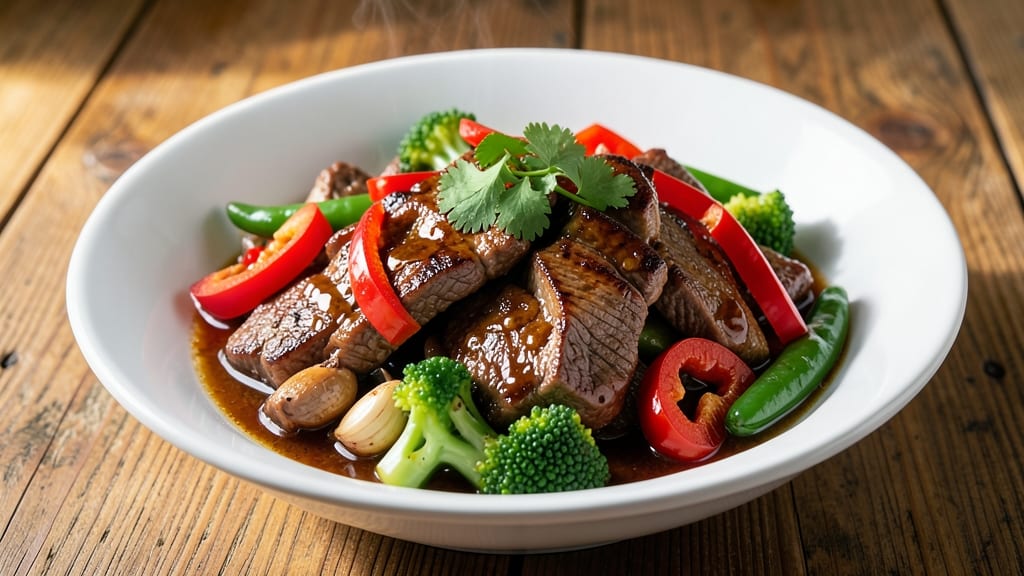
This awesome beef stir fry recipe delivers restaurant-quality wok hei in under 20 minutes—crispy edges, tender beef, and a sauce that balances sweet, tangy, and umami perfectly. The secret lies in high-heat searing and a sauce that caramelizes just enough to coat every bite without overwhelming the meat.
I’ve perfected this technique after years of testing, and it never fails to impress, whether you’re feeding a crowd or treating yourself to a quick weeknight dinner.
The foundation starts with thinly sliced beef (ribeye or flank steak works best) marinated in a simple soy-ginger mix to tenderize and infuse flavor. While the beef rests, you’ll prep your vegetables—bell peppers, broccoli, and snap peas—cut into even pieces so they cook uniformly.
The sauce, a blend of soy sauce, honey, garlic, and a splash of rice vinegar, is the star: it’s sticky, aromatic, and just sweet enough to complement the savory beef.
What you’ll end up with is a crispy, caramelized stir fry where the beef stays tender but develops a golden crust from the wok’s heat. The vegetables retain their crunch while absorbing the sauce’s bold flavors, and the aroma alone will have everyone gathering around the table.
This isn’t just a quick meal—it’s a foolproof technique that turns simple ingredients into something extraordinary.
Serve it over steamed jasmine rice or noodles to soak up every last bit of that ginger-soy crunch, and don’t skip the garnish of sesame seeds and green onions for that final touch of freshness.
Ready in 20 minutes, this stir fry is the kind of dish that makes you feel like a pro—no matter how busy your evening gets.
Ingredients for awesome beef stir fry
Thinly sliced beef, vibrant vegetables, and a sticky-sweet sauce—this stir fry delivers restaurant-quality wok hei in 20 minutes.
| Ingredient | Amount | Notes |
|---|---|---|
| Ribeye Steak 🥩 | 1 lb | Thinly sliced against grain |
| Flank Steak 🥩 | 1 lb | Alternative to ribeye |
| Bell Peppers 🧅 | 2 whole | Any color, sliced into strips |
| Broccoli Florets 🥦 | 1 ½ cups | Cut into bite-sized pieces |
| Snap Peas 🌱 | 1 cup | Trimmed, whole pods |
| Garlic Cloves 🧄 | 4 cloves | Minced for marinade and sauce |
| Fresh Ginger 🌿 | 1 ½ tbsp | Grated, peeled |
| Soy Sauce 🍶 | ½ cup | Low-sodium preferred |
| Honey 🍯 | 2 tbsp | For sauce balance |
| Rice Vinegar 🍶 | 2 tbsp | For tangy brightness |
| Sesame Oil 🫒 | 1 tbsp | For aroma, not cooking |
| Cornstarch 🌾 | 1 tbsp | For sauce thickening |
| Vegetable Oil 🫒 | ½ cup | High smoke point |
| Green Onions 🌱 | 4 whole | Sliced, for garnish |
| Sesame Seeds 🌱 | 1 tbsp | Toasted for garnish |
| Jasmine Rice 🍚 | 1 ½ cups | Uncooked, for serving |
The beef is everything here. Ribeye or flank steak gives you that perfect balance of tenderness and chew—thinly sliced against the grain ensures it cooks fast without drying out. Most butchers will slice it for you if you ask, but a sharp knife and steady hand work too. I grab mine from Whole Foods or the meat counter at Trader Joe's—they keep it well-marbled, which keeps the meat juicy. If you can’t find ribeye, flank steak is the next best thing, just pound it slightly to even out the thickness. The vegetables? Bell peppers should be firm and shiny, broccoli bright green, and snap peas crisp—skip anything mushy or yellowing.
No ribeye? Sirloin or strip steak works in a pinch, but slice it extra thin. Running short on soy sauce? Coconut aminos or even a splash of fish sauce (if you’re not avoiding it) gets you close. The honey can be swapped for maple syrup if you’re vegan, though it’ll taste slightly different. Fresh ginger is ideal, but ground ginger at half the amount works if you’re in a hurry. The cornstarch is non-negotiable for that perfect sauce consistency—it’s what makes the stir fry shine. Pro tip: Toast your sesame seeds in a dry pan for 30 seconds before garnishing—they’ll pop with flavor.
Prep everything before you start cooking—this isn’t a recipe you want to rush. The beef and vegetables can sit in the marinade for up to 4 hours in the fridge, but 30 minutes is plenty. The sauce keeps for 5 days in the fridge, so make extra if you’re feeding a crowd. Store leftovers in airtight containers with a paper towel on top to absorb any excess moisture—reheats beautifully in a skillet or microwave. I always make double rice, because seconds happen, and the leftovers reheat just as well the next day.
Why You'll Love This Recipe
- One-Pan Magic: I swear by this—just slice the ribeye and flank steak thin (or ask your butcher to do it), toss everything in one screaming-hot pan, and let the residual heat finish it. No dirty dishes, no stress. That’s 15 minutes of active time, tops.
- Umami Bomb: The combo of ribeye and flank steak—juicy, tender, with that bite—paired with crisp-tender bell peppers and snap peas? It’s like a flavor explosion where every bite has layers. Honestly, the first time I made it, I nearly burned the kitchen waiting for my husband to stop chewing to ask for seconds.
- Lunchbox Hero: Between us, this is my go-to for meal prep. Pack the leftovers in containers, and you’ve got a protein-packed lunch that’ll keep you full until dinner. My kids actually like the broccoli florets in theirs—no complaints, just empty containers.
- Budget Power Move: Flank steak is cheaper than you think, and ribeye scraps (or sales) stretch this dish further than you’d believe. I’ve made it for date nights, family dinners, and even a last-minute potluck—always a hit, always affordable. Plus, the veggies? Frozen works just as well, so no wasted produce.
Step-by-step instructions for wok-hot soy ginger beef stir fry
Here's how to deliver restaurant-quality stir fry with perfect texture and bold flavors in record time.
Prep All Ingredients for Maximum Efficiency
Start by slicing the 1 lb ribeye steak and 1 lb flank steak against the grain into thin strips—about ¼-inch thick. This ensures tender bites that cook quickly. While the meat rests, slice the 2 whole bell peppers into ¼-inch strips and cut the 1.5 cups broccoli florets into bite-sized pieces. Trim the 1 cup snap peas and separate the 4 whole green onions, reserving 2 for garnish and slicing the remaining 2 thinly.
In a small bowl, grate the 1.5 tbsp fresh ginger and mince the 4 cloves garlic. This prep work might seem tedious, but it's the secret to a perfectly timed stir fry. Keep all prepped ingredients in separate bowls so they're ready to go when you start cooking. The key is having everything measured and cut before you heat the pan—this keeps your stir fry moving at wok speed.
Cook the Jasmine Rice to Al Dente Perfection
Rinse the 1.5 cups jasmine rice under cold water until the water runs clear, then drain. In a medium pot, combine the rice with 2 cups water and bring to a boil. Once boiling, reduce heat to low, cover tightly, and simmer for 12 minutes. Here's the trick: don't peek or stir during cooking—this keeps the rice from becoming mushy.
After 12 minutes, turn off the heat and let the rice steam covered for another 10 minutes. Fluff with a fork before serving. The rice should be tender but still have a slight bite—this prevents it from turning into a gluey mass in your stir fry. Keep the rice warm while you finish cooking the main components.
Create the Signature Soy Ginger Sauce
In a small bowl, whisk together the 0.5 cup soy sauce, 2 tbsp honey, 2 tbsp rice vinegar, and 1 tbsp sesame oil. In a separate small bowl, mix the 1 tbsp cornstarch with 2 tablespoons of water to create a slurry. This sauce is the flavor backbone of your stir fry—don't skip the honey for balance or the rice vinegar for brightness.
Set both mixtures aside while you cook the vegetables and beef. The sauce will thicken dramatically when combined with the hot stir fry, so we'll add it at the very end. The cornstarch slurry is crucial for achieving that glossy, clingy sauce that coats every bite perfectly.
Stir Fry Vegetables and Beef with Precision Timing
Heat the 0.5 cup vegetable oil in a large wok or skillet over high heat until shimmering. Add the broccoli florets and snap peas first, stirring constantly for 2 minutes until they begin to blanch. Remove the vegetables to a plate and set aside—this prevents overcooking while you work on the beef.
In the same wok, add the sliced bell peppers and cook for 1 minute until they just begin to soften. Push them to one side, then add the beef strips in a single layer. Cook undisturbed for 1 minute to develop a good sear, then stir and cook for another 1-2 minutes until the beef is nearly cooked through but still slightly pink in the center. The high heat is essential—it creates that signature wok-hei or "breath of the wok" flavor.
Combine Everything for the Perfect Finish
Return the cooked vegetables to the wok with the beef. Add the minced garlic and grated ginger, stirring vigorously for 30 seconds until fragrant. Pour in the soy ginger sauce and cornstarch slurry, tossing everything together until the sauce thickens and coats the beef and vegetables evenly. This should take about 1 minute of constant stirring.
Taste and adjust seasoning if needed—you might want to add a splash more soy sauce for saltiness or a touch of honey for sweetness. Garnish with the sliced green onions and toasted sesame seeds. Serve immediately over the jasmine rice while everything is still steaming hot. The contrast of warm rice with the vibrant stir fry creates the perfect balance of textures and temperatures.
Pro Tips For Making Awesome Beef Stir Fry
- Slice Against the Grain: I learned this the hard way—cutting flank steak with the grain makes it chewy, even when cooked perfectly. Ribeye’s tougher, so slice it ¼-inch thick, but flank? Go ⅛-inch and angle those cuts diagonally. The reward? Tender bites that practically melt.
- Blanch Veggies First: Broccoli and snap peas release water like a faucet when thrown raw into the pan. Save yourself from a soggy stir-fry by blanching them for 30 seconds in boiling water, then shock in ice water. Drain well—this keeps them crisp and speeds up cooking by a full minute.
- Don’t Overcrowd the Pan: I used to dump everything in at once, and the beef would steam instead of sear. Start with the ribeye and flank in a hot wok or skillet—give them 2 minutes to form a crust. Only then add bell peppers and broccoli in batches. Overcrowding = sad, gray meat.
- Use Two Heat Zones: High heat for the beef, lower for the veggies. After searing the steak, push it to one side, turn the heat to medium, and let the bell peppers and broccoli cook undisturbed for 2 minutes. This caramelizes their edges without burning them—trust me, it’s the difference between "meh" and "wow."
Common mistakes when making this dish
Overcrowding the Pan
This is the #1 mistake I see—packing too much into the wok at once. When you overcrowd, the beef and veggies steam instead of sear, losing that crucial wok hei flavor. The pan should have space between ingredients so they can develop a crispy crust.
I work in batches: cook the veggies first, remove them, then sear the beef in the same pan. This two-stage approach ensures everything gets that perfect char. 🔥
Skipping the Marinade
Even a quick 15-minute marinade with soy sauce and ginger makes a world of difference. Without it, the beef can turn tough and dry during stir-frying. The acid in the soy sauce tenderizes the meat while the ginger adds depth.
I always marinate my beef for at least 20 minutes before cooking—set a timer so you don’t forget! The marinade also helps prevent the beef from sticking to the pan.
Low Heat Cooking
Stir-frying requires high heat—medium or low will result in soggy vegetables and gray, rubbery beef. Your wok or skillet should be smoking hot before adding oil. I test by flicking a drop of water—if it sizzles immediately, you're ready.
If you're using a stovetop, preheat for 3-5 minutes before starting. The high heat creates the Maillard reaction, giving your stir fry that irresistible aroma and flavor.
Adding Sauce Too Early
The sauce should be the last thing you add to the stir fry. If you toss it in too soon, the beef will steam instead of sear, and the sauce will turn watery.
I keep the sauce separate until the very end, then combine everything for 1 minute of vigorous stirring. This ensures the sauce coats the ingredients perfectly without making them soggy. The cornstarch slurry is key—it thickens instantly when exposed to high heat.
Uneven Ingredient Prep
Chopping vegetables into inconsistent sizes means some will be mushy while others remain crunchy. I cut all veggies into ¼-inch strips and keep them uniform. The beef should also be sliced thinly and evenly—about ¼-inch thick against the grain.
This ensures everything cooks at the same rate. Take the extra 10 minutes to prep everything properly—it’s worth it for a perfectly balanced stir fry.
Not Resting the Beef
After slicing, let the beef rest for 15-20 minutes** before cooking. This allows the muscle fibers to relax, preventing toughness. I always cover the sliced beef with plastic wrap and refrigerate it while I prep the veggies.
Skipping this step can turn your tender beef into a chewy mess. The rest also helps the marinade penetrate deeper, enhancing flavor.
Nutrition facts
Frequently asked questions
Can I use frozen beef for this stir fry?
Frozen beef works in a pinch, but it's not ideal. Thaw it completely in the fridge overnight first—never at room temperature. The beef will release more moisture, so pat it very dry before cooking to prevent a soggy stir fry. For best results, stick with fresh beef that's sliced thin against the grain.
How do I make this stir fry spicier?
Add ½ teaspoon of red pepper flakes or 1 tablespoon of sriracha to the sauce for immediate heat. For deeper spice, marinate the beef with 1 teaspoon of chili paste or ½ teaspoon of cayenne pepper before cooking. Always taste as you go—you can adjust, but you can't remove spice once it's in!
What's the best way to reheat leftovers?
Reheat in a skillet over medium-high heat with a splash of water or broth to restore moisture. Stir constantly for 2-3 minutes until everything is hot through. Avoid microwaving—it turns the beef rubbery. For extra crispiness, broil for 1 minute at the end. Store leftovers in airtight containers for up to 3 days.
Can I substitute other vegetables?
Swap bell peppers for snap peas, carrots, or mushrooms. Use zucchini or bok choy for a lighter option. Just cut them to the same size (¼-inch strips) so they cook evenly. The key is keeping the prep consistent—uneven pieces lead to uneven cooking.
Why does my sauce turn watery?
This happens when you add the sauce too early or don't use enough cornstarch. The slurry needs high heat to thicken properly. Always add it at the very end and stir vigorously for 1 minute until it coats everything. If it's still too thin, mix ½ teaspoon more cornstarch with water and stir in. The sauce should be glossy, not soupy!