
Main Courses
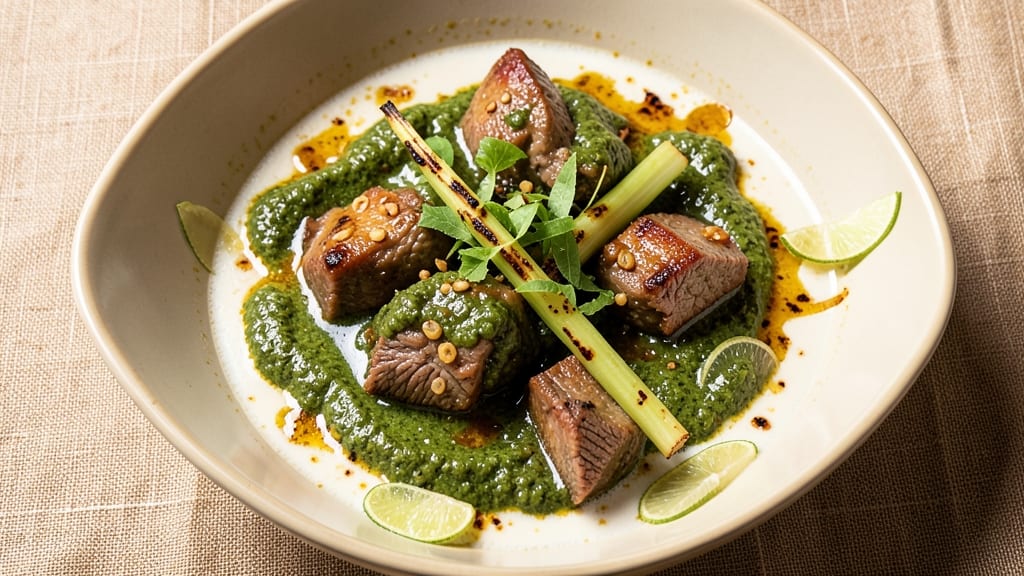
This authentic Thai green beef curry brings the vibrant flavors of street-side Bangkok into your kitchen, where aromatic herbs and creamy coconut milk create a perfect balance.
The secret lies in the homemade curry paste—a fragrant blend of lemongrass, galangal, kaffir lime leaves, and fresh Thai chilies—that infuses every bite with herbal heat. I’ve perfected this recipe over years of testing, ensuring the flavors develop deeply while keeping the process accessible for home cooks.
The dish starts with a sizzling wok hei—that signature smoky aroma from high-heat searing—that transforms tough beef into tender, flavorful pieces. As the curry simmers, the coconut milk mellows the spice while absorbing the rich, earthy notes of the paste.
What makes this recipe truly authentic is the layered balance: sweet from palm sugar, sour from tamarind, and a slow-building heat that lingers on your palate. No shortcuts here—just the real deal.
By the time you serve it over fragrant jasmine rice, you’ll have a dish that’s restaurant-quality at home, with a velvety sauce clinging to every bite of beef. The aroma alone will have everyone gathering around the table, and the flavors—complex yet harmonious—will leave them asking for seconds.
This isn’t just a curry; it’s a taste of Thailand, made simple enough for weeknight dinners.
Pair it with a crisp cucumber salad or lime wedges to cut through the richness, and you’ve got a complete meal that’s as impressive as it is delicious. Let’s get cooking—your taste buds are in for a treat.
Ingredients for authentic thai green beef curry
These vibrant ingredients bring Bangkok street flavors to your kitchen with herbal heat and creamy balance.
| Ingredient | Amount | Notes |
|---|---|---|
| Beef Chunks 🥩 | 1 ½ lb | Chuck roast, 1-inch cubes |
| Green Curry Paste 🌶️ | ½ cup | Homemade or quality store-bought |
| Coconut Milk 🥥 | 1 can | Full-fat, 13.5 oz can |
| Lemongrass Stalk 🌿 | 2 whole | Bruised, bottom 4 inches used |
| Galangal Root 🥕 | 3 oz | Peeled, thinly sliced |
| Kaffir Lime Leaves 🍋 | 4 whole | Torn into strips |
| Thai Bird's Eye Chilies 🔥 | 3 whole | Seeds removed, finely chopped |
| Palm Sugar 🍯 | ¼ cup | Packed, or sub brown sugar |
| Fish Sauce 🍶 | 2 tbsp | Red Boat brand preferred |
| Tamarind Paste 🍋 | 1 tbsp | Or sub lime juice |
| Garlic Cloves 🧄 | 6 cloves | Minced |
| Shallots 🧅 | 4 whole | Peeled, thinly sliced |
| Jasmine Rice 🍚 | 1 ½ cups | Uncooked, for serving |
| Vegetable Oil 🫒 | 3 tbsp | High smoke point |
| Salt 🧂 | 1 tsp | Kosher or sea salt |
The curry paste is non-negotiable for authentic flavor. Mae Ploy or Thai Kitchen brands are solid if making your own feels overwhelming, but homemade elevates everything. Look for fresh galangal—it smells like ginger but tastes earthier, almost citrusy. Asian markets usually carry it, or sub ginger if desperate (though it won't be the same). The beef should be chuck roast for tenderness, and Costco or local butchers often have it pre-cubed. Kaffir lime leaves? Freeze extras—they keep for months and add instant Thai vibes to any dish.
No galangal? Ginger plus a pinch of turmeric gets you close, but you'll miss that signature depth. Out of tamarind? Lime juice plus 1 tsp sugar mimics the tang. The fish sauce is crucial—Red Boat or Thai Kitchen brands have the right balance. Skip the cheap stuff, or the sauce will taste harsh. Palm sugar is optional but adds authentic sweetness; Trader Joe's sells it in the international aisle. For the chilies, adjust to taste—bird's eye chilies are spicy, but you can use serrano or jalapeño if you prefer milder heat.
This curry tastes even better the next day as flavors meld. Store in an airtight container in the fridge for 4-5 days or freeze for 3 months. Double the recipe and freeze half—perfect for lazy weeknights. The rice should be cooked separately and served alongside. Garnish with fresh cilantro and lime wedges right before eating—that's when the magic happens. Leftovers reheat beautifully; just add a splash of water or coconut milk if it thickens too much.
Why You'll Love This Recipe
- One-Pot Magic: I swear by this recipe—just brown the beef, toss in the paste, splash on coconut milk, and let it simmer. The galangal and lemongrass do all the work while you sip your tea (or wine, no judgment).
- Herb Bomb Flavor: That first bite? Chef’s kiss. The green curry paste—with its cilantro, kaffir lime leaves, and chili—hits like a flavor explosion, but the coconut milk smooths it into something rich and addictive. (Yes, even my picky husband asks for seconds.)
- Meal Prep MVP: Make a double batch on Sunday, and you’ve got lunch sorted for days. The curry tastes even better reheated—just add a splash of water and a squeeze of lime. My freezer is stocked with portions because this dish never disappoints.
- Budget-Friendly Feast: Beef chunks stretch further than you’d think, and the paste/coconut milk combo keeps costs low. Honestly, I’ve served this to friends who assumed it was restaurant-quality—no one ever guesses it’s my “frugal but fancy” trick.
Step-by-step instructions for authentic Thai green beef curry
Here's how to build layers of complex flavor—starting with aromatic herbs and ending with velvety coconut richness.
Prepare the Aromatic Base
Heat the 3 tablespoons vegetable oil in a heavy-bottomed pot over medium heat. Add the 4 whole shallots and 6 cloves garlic cloves, cooking for 3-4 minutes until the shallots turn golden and the garlic releases its fragrance. This is where the foundation forms—don't rush it.
Add the 2 whole lemongrass stalks (bruised), 3 oz galangal root (sliced), and 4 whole kaffir lime leaves (torn). Stir gently for 2 minutes until the galangal softens slightly and the lemongrass releases its citrusy aroma. You'll smell the earthy, floral complexity that defines Thai cuisine—this is your cue to add the 0.5 cup green curry paste and stir continuously for 1 minute to fully integrate all the flavors.
Brown the Beef and Balance Flavors
Push the aromatics to the side of the pot and add the 1.5 lb beef chunks in a single layer. Let them sear undisturbed for 3-4 minutes until a deep golden crust forms. This step creates the Maillard reaction that builds depth. Stir the beef to coat with the paste, then add 0.25 cup palm sugar and 1 tablespoon tamarind paste, stirring to dissolve the sugar.
Pour in 1 cup of water (from the can of coconut milk) and bring to a simmer. Cover and cook for 15 minutes on medium-low heat, stirring occasionally. The beef should begin to tenderize while absorbing the aromatic paste. Here's the thing—if the liquid reduces too quickly, add more water 1 tablespoon at a time to maintain moisture without diluting the flavors.
Build the Coconut Cream Sauce
Open the 1 can coconut milk and pour in half (about 6.75 oz), reserving the remainder for later. Stir well and simmer uncovered for 10 minutes on medium heat until the sauce thickens slightly. You're looking for a consistency where the back of a spoon leaves a visible trail—this ensures the curry coats the beef beautifully.
Add the 2 tablespoons fish sauce and 1 teaspoon salt, stirring to combine. Taste and adjust the balance—you want the fish sauce's umami to complement the herbal notes without overpowering them. The curry should sing with a harmonious blend of sweet, sour, spicy, and savory. If it needs more depth, add the remaining 6.75 oz coconut milk and simmer for another 5 minutes.
Finish with Heat and Freshness
Stir in the 3 whole Thai bird's eye chilies (chopped) and cook for 1-2 minutes until the chilies soften slightly but retain their heat. The curry should now have a vibrant green hue and a subtle kick. Remove from heat and let it rest for 5 minutes—this allows the flavors to meld and the sauce to thicken naturally.
Garnish with additional kaffir lime leaves (if desired) and serve immediately over 1.5 cups cooked jasmine rice. The curry should be rich yet balanced, with tender beef swimming in a velvety sauce that carries all the aromatic complexity. Each bite should deliver layers of galangal's peppery bite, lemongrass's citrusy brightness, and coconut's creamy warmth—this is the essence of authentic Thai green curry.
Pro Tips For Making Authentic Thai Green Beef Curry
- Bloom the Paste First: I learned this the hard way—skipping the initial fry step makes your curry taste flat. Heat your oil (about 2 tablespoons) until shimmering, then add the green curry paste and stir constantly for 2-3 minutes until it darkens slightly and releases its aroma. This step unlocks the paste’s full flavor—don’t rush it.
- Slice Galangal Thin: Thick chunks of galangal? Forget it. You want this root to dissolve into the curry, not sit like a chewable afterthought. Use a sharp knife to shave it into paper-thin slices (about 1/8-inch thick), then smash them lightly with the side of your knife before adding. It’ll melt into the sauce without leaving texture.
- Simmer, Don’t Boil: The moment you add coconut milk, drop the heat to low and let the curry simmer gently. I used to crank it up, and the milk would curdle or split—total disaster. Keep it at a bare simmer (tiny bubbles at the edges) for 20-25 minutes, stirring occasionally. Patience here guarantees a creamy, cohesive sauce.
- Toast the Lemongrass: Yes, even if you’re impatient like me. Split the lemongrass stalk lengthwise and sear the pale inner side in the same hot oil you bloomed the paste—just 30 seconds until fragrant. This deepens its citrusy punch and prevents it from turning the curry bitter. Toss it in whole, then fish it out before serving.
Perfect pairings for this authentic thai green beef curry
Rice Pairings
Jasmine rice is the classic choice for Thai green curry, with its delicate floral aroma that complements the herbal notes. Cook 1.5 cups uncooked jasmine rice with 2 cups water and ½ teaspoon salt for perfectly fluffy grains.
For extra authenticity, try Thai hom mali rice, a premium variety with a fragrant, slightly sticky texture that soaks up the curry beautifully. 🍚
Fresh Herb Garnishes
Finish your curry with fresh herbs to brighten the dish. A handful of cilantro leaves adds a citrusy freshness, while Thai basil (if available) brings a licorice-like depth.
I like to scatter ½ cup chopped cilantro and a few kaffir lime leaves right before serving—this adds color and a burst of aroma that elevates every bite.
Crunchy Salad Sides
A crisp cucumber salad cuts through the richness of the curry. Toss 2 cups sliced cucumber with 1 tbsp lime juice, ½ tsp salt, and 1 tbsp chopped mint.
For extra crunch, add ¼ cup crushed roasted peanuts or fried shallots. This refreshing contrast balances the creamy, spicy curry perfectly.
Beverage Pairings
Thai iced tea is the classic choice—its sweet, creamy notes mirror the curry’s flavors. I recommend Cha Yen or Thai Iced Tea from Trader Joe’s. For a non-caffeinated option, try coconut water—it’s light and hydrating, complementing the dish’s tropical elements.
Avoid heavy sodas or dark beers, as they can overpower the delicate herbs.
Spicy Heat Balancers
If your curry is too spicy, serve it with cooling sides. A dollop of sweet chili sauce—like Sriracha or Sweet Thai Chili Sauce—adds a tangy contrast. For extra freshness, offer lime wedges—a squeeze of lime brightens the dish and balances the heat.
I always keep lime wedges on the table for guests to adjust their spice level.
Bread and Dippers
For a heartier meal, serve with Thai steamed buns (kanom khao neeo mangkon)—their soft, slightly sweet texture pairs wonderfully with the curry. If you can’t find them, garlic naan or crusty baguette slices work too. The bread soaks up the rich sauce, making every bite even more satisfying. 🔥
Nutrition facts
Frequently asked questions
Why does authentic green curry need galangal instead of ginger?
Galangal has a unique citrusy, peppery flavor that's essential for authentic green curry—it's not the same as ginger! While ginger adds warmth, galangal brings that signature earthy, slightly floral note that balances the coconut and herbs. If you're missing it, try ginger plus a pinch of turmeric, but you'll lose some depth.
Can I make this curry less spicy?
Start by removing the seeds from the Thai bird's eye chilies, or use milder serrano/jalapeño peppers. For extra control, serve with cooling sides like cucumber salad or lime wedges—guests can adjust to their taste. The curry paste already contains heat, so reduce it to 2 tablespoons if you prefer mild flavors.
How do I fix beef that's still tough after cooking?
If the beef feels chewy, it likely didn't simmer long enough. For future batches, extend the simmering time to 20-25 minutes on low heat. For this curry, try adding 1 tablespoon fish sauce and 1 tablespoon coconut milk to the pot, then simmer uncovered for 10 more minutes—this helps tenderize the meat.
What's the difference between green and red curry?
Green curry uses green curry paste with herbs like kaffir lime leaves, lemongrass, and cilantro, giving it a vibrant green color and herbal, coconut-forward flavor. Red curry relies on dried red chilies for its deep red hue and richer, slightly smokier taste. Both use coconut milk, but green curry is lighter and brighter—perfect for quick weeknight meals!
Can I make this curry ahead of time?
Yes! This curry actually tastes better the next day as flavors meld. Store in an airtight container in the fridge for 4-5 days or freeze for 3 months. Reheat gently on low heat, adding a splash of water or coconut milk if it thickens too much. The beef will be even more tender after resting!