
Main Courses
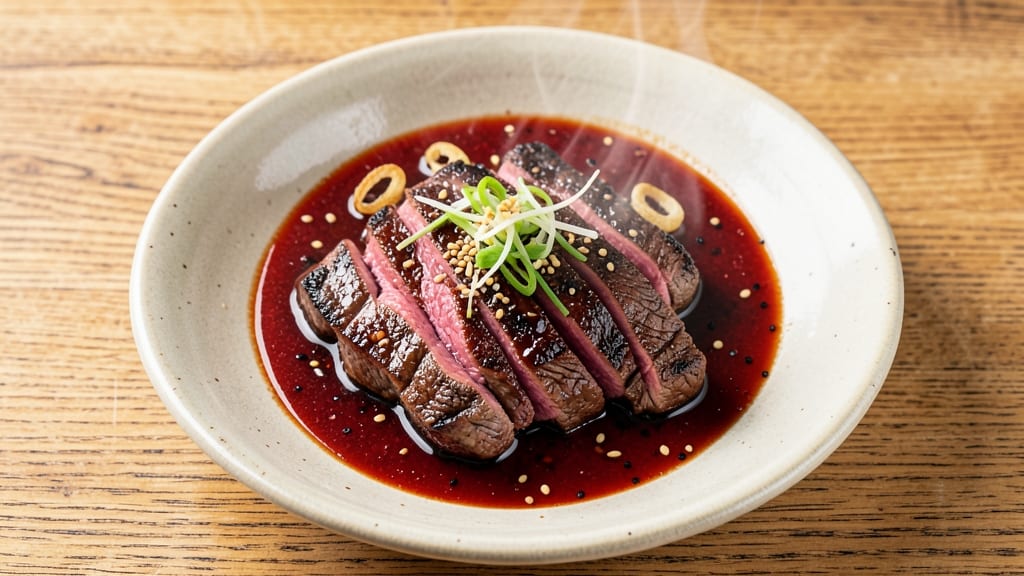
This authentic Korean beef recipe delivers the bold, sweet-spicy flavors of traditional bulgogi in just 30 minutes—no long marinating required. The secret lies in fermented ingredients like gochujang and doenjang, which create that signature umami depth and caramelized gloss.
I’ve simplified the process without sacrificing authenticity, so you get restaurant-quality results at home with minimal effort.
The technique focuses on a quick, flavor-packed marinade that tenderizes the beef while building layers of sweetness from brown sugar and savory richness from fermented soybean paste. High-heat searing in a cast-iron skillet ensures a caramelized crust, while the sauce reduces to a sticky, glossy finish.
This isn’t just another beef stir-fry—it’s a dish rooted in Korean tradition, adapted for modern kitchens.
By the time you’re done, you’ll have tender, glossy beef slices with a perfect balance of sweet, spicy, and savory notes, served over steamed rice with classic sides like kimchi and quick-pickled vegetables.
The aroma alone—smoky, aromatic, and irresistibly rich—will have everyone at the table asking for seconds. This is comfort food with cultural depth.
Perfect for weeknight dinners or special occasions, this recipe scales easily for crowds while keeping prep simple. The key is patience in the final sauce reduction—let it bubble away until it coats the back of a spoon, creating that signature bulgogi shine. Let’s get cooking!
Ingredients for authentic korean beef
Fermented pastes and aromatic oils create the signature umami depth for authentic Korean beef.
| Ingredient | Amount | Notes |
|---|---|---|
| Ribeye Steak 🥩 | 1 ½ lb | Thinly sliced against grain |
| Gochujang 🌶️ | ⅓ cup | Korean fermented chili paste |
| Doenjang 🧂 | ¼ cup | Fermented soybean paste |
| Brown Sugar 🍯 | ¼ cup | Light or dark variety |
| Sesame Oil 🫒 | 1 ½ tbsp | Toasted sesame preferred |
| Soy Sauce 🍶 | ¼ cup | Korean or Japanese preferred |
| Garlic Cloves 🧄 | 6 cloves | Minced for marinade |
| Fresh Ginger 🌿 | 1 tbsp | Grated, peeled |
| Green Onions 🧅 | 4 whole | Thinly sliced, white and green parts |
| Sesame Seeds 🌰 | 1 tbsp | Toasted for garnish |
| Vegetable Oil 🫒 | 2 tbsp | High smoke point |
| Rice Vinegar 🍶 | 1 tbsp | White or seasoned |
| Salt 🧂 | 1 tsp | Kosher or sea salt |
| Black Pepper 🌶️ | ½ tsp | Freshly ground |
The quality of your fermented ingredients makes all the difference here. Gochujang should be smooth and slightly sweet with a deep red hue—avoid brands with artificial colors. For doenjang, look for the traditional fermented soybean paste with a rich, earthy aroma; Korean markets or specialty stores carry the best varieties. If you can’t find authentic doenjang, substitute with an equal amount of miso paste, though the flavor will be subtly different. The ribeye steak should be well-marbled and thinly sliced against the grain for optimal tenderness. Butcher shops often slice it for you, or use a sharp knife and freeze the meat for 30 minutes to make slicing easier.
No gochujang? Substitute with a blend of 2 tbsp sriracha and 1 tbsp soy sauce, though you’ll lose some of the fermented depth. For doenjang, miso paste or extra soy sauce works in a pinch, but the umami won’t be as complex. The brown sugar can be swapped for honey or maple syrup, though brown sugar’s caramelization is key to the dish’s glossy finish. If you’re short on time, skip the grated ginger and use an extra 0.5 tsp of ground ginger—it’s not ideal, but it works. The sesame oil should be toasted; if yours isn’t, heat it gently in a pan for a minute before using to deepen its nutty aroma.
Marinate the beef for at least 15 minutes, but up to 2 hours if possible—this ensures maximum flavor absorption. The sauce thickens as it reduces, so don’t rush the final step; let it simmer until it coats the back of a spoon for that signature bulgogi shine. Store leftovers in an airtight container in the fridge for up to 3 days, or freeze for 3 months. Reheat gently in a skillet or microwave, adding a splash of water to restore moisture. For meal prep, double the sauce and freeze it separately—just thaw and toss with pre-cooked beef when ready to serve.
Why You'll Love This Recipe
- Fewer Ingredients, Big Payoff: The pantry staples you already own—gochujang, doenjang, brown sugar—do all the heavy lifting. No fancy marinades or last-minute grocery runs; just chop, sear, and let the sauce work its magic while you sip your coffee.
- Umami Bomb Combo: That deep, savory punch from doenjang and gochujang? It’s the kind of flavor that makes you pause mid-bite. The brown sugar caramelizes just enough to balance the heat, and a drizzle of sesame oil ties it all together—like a hug in sauce form.
- Weeknight or Weekend Star: Toss leftover slices into rice bowls for lunch, serve it over noodles for a quick dinner, or pile it high on toast for brunch. It’s the one recipe that works as hard as you do—no excuses, just deliciousness.
- Leftovers That Don’t Suck: Unlike takeout that gets soggy, this beef stays tender and flavorful for days. Reheat it gently, and it’s still rich and satisfying—proof that good food doesn’t have to disappear after one meal. (Yes, even on a Tuesday night.)
Step-by-step instructions for sweet-spicy fermented soy gloss beef
This method delivers restaurant-quality Korean beef with deep umami and balanced sweet-spicy notes.
Prepare the Fermented Soy Marinade
In a medium bowl, combine the 0.33 cup gochujang, 0.25 cup doenjang, 0.25 cup brown sugar, 1.5 tablespoons sesame oil, 0.25 cup soy sauce, 1 tablespoon rice vinegar, 1 teaspoon salt, and 0.5 teaspoon black pepper. Whisk vigorously until fully incorporated and smooth—this blend creates the signature fermented base.
Add the 6 minced garlic cloves and 1 tablespoon grated fresh ginger, stirring until the aromatics dissolve completely. The marinade should be thick but pourable, with visible red flecks from the gochujang. Let it sit at room temperature for 10 minutes to allow flavors to meld—this short resting period enhances depth without overpowering the beef.
Marinate and Sear the Ribeye
Slice the 1.5 lb ribeye steak thinly against the grain into ¼-inch strips. Arrange half the beef in a single layer in a shallow dish and pour half the marinade over it. Gently toss with tongs to coat evenly, then let it marinate for 15 minutes. Repeat with the remaining beef and marinade.
Heat a large skillet over medium-high heat and add 2 tablespoons vegetable oil. Once shimmering, add half the marinated beef in a single layer. Let it sear undisturbed for 2-3 minutes until the edges develop a deep caramelization. Flip and cook another 1-2 minutes until just cooked through—medium-rare is ideal. Transfer to a plate and repeat with the remaining beef.
Build the Sweet-Spicy Gloss
Return the skillet to medium heat and reduce by half, scraping up any browned bits with a wooden spoon. Pour in the remaining marinade and simmer for 3-4 minutes until thickened to a glossy consistency. The sauce should coat the back of a spoon and cling to the beef when tossed.
Add the 4 thinly sliced green onions and toss gently to wilt slightly. Remove from heat and stir in 1 tablespoon toasted sesame seeds—this adds nutty texture and visual contrast. The finished sauce should be vibrant red with deep umami undertones and a subtle sweet-spicy finish.
Serve with Authentic Presentation
Return the seared beef to the skillet and toss gently to coat in the glossy sauce. Let it rest for 2 minutes to meld flavors. Serve immediately over steamed rice, garnished with additional green onions and a sprinkle of sesame seeds for texture.
Each bite should deliver tender beef with a sticky, fermented soy glaze that balances sweetness, spice, and umami. The thin slicing against the grain ensures perfect tenderness, while the marinade's depth comes from the doenjang and gochujang working together—this is the hallmark of authentic Korean beef preparation.
Pro Tips For Making Authentic Korean Beef
- SEAR BEFORE SAUCE: Toss that ribeye in a screaming-hot pan with just a drizzle of oil first—no sauce yet. I learned this the hard way after my first batch turned mushy when I dumped the marinade in too early. Get those edges caramelized in 2-3 minutes before even thinking about gochujang.
- GRIND DOENJANG FINE: That fermented soybean paste isn’t just for stirring—blend it into a smooth paste first. I used to just chop it, and the texture was clumpy no matter how much I stirred. A quick pulse in a food processor makes it melt into the sauce like it’s supposed to.
- LOW AND SLOW FINISH: After searing, crank the heat down to medium-low and let it simmer uncovered. I used to rush it, and the sauce would turn bitter. Give it 10-12 minutes—just until the sauce thickens and the meat stays tender.
- SALT THE STEAK TWICE: Generously salt the ribeye right after searing, then again after the sauce is mostly done. The first hit seasons the crust, the second balances the funky flavors. Skip this, and the gochujang’s heat will overpower everything.
Make-ahead tips for this authentic korean beef
Marinade Prep Ahead
Make the marinade up to 2 days in advance and store it in an airtight container in the fridge. The flavors deepen over time, especially the fermented pastes like gochujang and doenjang, which develop more complexity.
When ready to use, whisk vigorously to re-emulsify any separated oils. I like to prep this the night before so the beef can marinate overnight for maximum tenderness. 🌶️
Beef Prep Shortcut
Slice the 1.5 lb ribeye against the grain and store it in a resealable bag with half the marinade for up to 12 hours before cooking. This gives you flexibility—marinate it for just 15 minutes if short on time, or let it sit overnight for deeper flavor.
For extra convenience, freeze the marinated beef in a single layer on a tray, then transfer to a bag for up to 3 months. Thaw in the fridge overnight before cooking. ❄️
Sauce Make-Ahead
Double the sauce recipe and store it in a quart-sized airtight container in the fridge for up to 5 days. When reheating, warm it gently in a saucepan over low heat with a splash of water to restore its glossy texture.
This is perfect for meal prep—simply toss pre-cooked beef with the reheated sauce and serve. For freezing, portion the sauce into ice cube trays and transfer to a bag for easy single-use portions. 💫
Reheating Perfection
Reheat beef in a cast-iron skillet over medium heat for 3-4 minutes, adding 1 tablespoon water to prevent drying. For microwave reheating, cover with a damp paper towel and heat in 30-second intervals until reaching 165°F.
Always finish with a quick sear in a hot pan to restore that caramelized crust and glossy finish. 🔥
Garnish Prep
Toast the sesame seeds in a dry skillet over low heat for 2-3 minutes until golden and fragrant. Store them in a small jar at room temperature for up to 2 weeks.
Thinly slice the green onions and store them in a sealed container in the fridge for up to 5 days. Keep these garnishes prepped so you can assemble plates quickly when serving. 🌱
Portion Control
Divide the cooked beef into meal-sized portions (about ½ cup per serving) and store in airtight containers. When reheating, add a splash of water or broth to maintain moisture.
For balanced meals, pack each portion with ½ cup steamed rice and ¼ cup kimchi to recreate the full Korean dining experience. Label containers with dates to track freshness. ✨
Nutrition facts
Frequently asked questions
What's the difference between this recipe and traditional bulgogi?
This recipe focuses on a quick 30-minute preparation using fermented soybean paste (doenjang) and chili paste (gochujang) for deep umami, while classic bulgogi relies on longer marinating with pear juice and sugar. The result is a richer, spicier profile with less sweetness—perfect for those who love bold flavors without waiting hours.
Can I use a different cut of beef instead of ribeye?
Yes! For best results, choose well-marbled cuts like sirloin or flank steak. Avoid lean cuts like chicken breast—they won't develop the same caramelized crust. Thinly slice against the grain for maximum tenderness, regardless of the cut.
How do I adjust the spice level?
Reduce heat by cutting the gochujang to 0.25 cup and add 1 tbsp honey for balance. For extra spice, increase gochujang to 0.5 cup and add 0.5 tsp red pepper flakes. Always taste the marinade before applying to beef.
What sides pair best with this dish?
Classic pairings include steamed rice, kimchi, and quick-pickled vegetables. For extra authenticity, serve with banchan (Korean side dishes) like spinach with sesame or spicy cucumbers. The fermented flavors in your beef complement these perfectly.
Why is my sauce too thin after cooking?
Simmer the sauce longer over medium-low heat until it reduces to a glossy consistency (about 5-7 minutes). If it's still thin, remove from heat and let it cool slightly—it will thicken as it sits. For instant thickening, mix 1 tsp cornstarch with 1 tbsp water and stir in.