
Main Courses
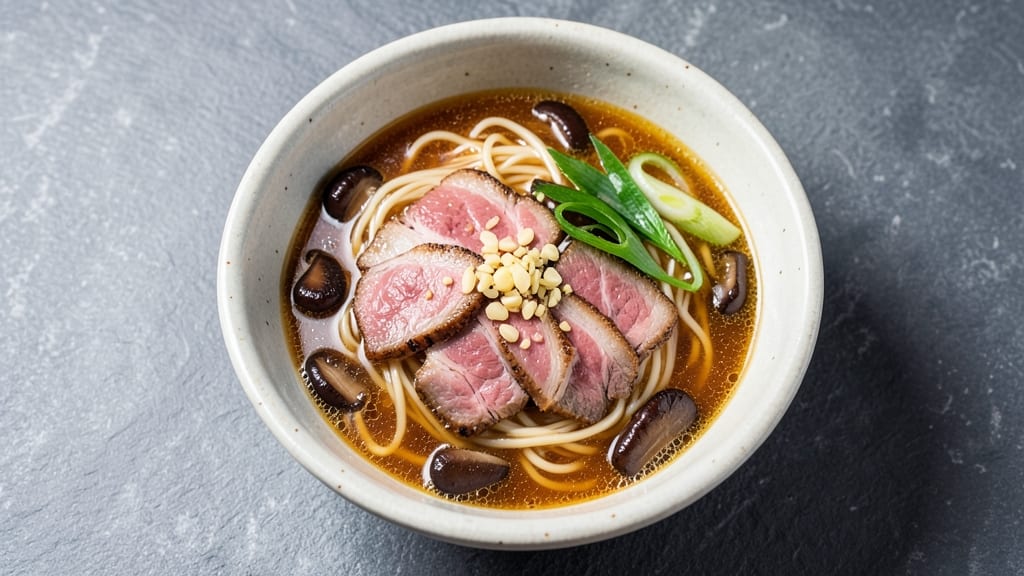
This authentic Japanese beef ramen recipe delivers the rich, umami-packed experience you crave—silky wheat noodles swimming in a deeply flavorful broth, topped with melt-in-your-mouth caramelized beef and traditional garnishes. 🔥 The secret lies in slow-simmered pork bones for a velvety base, balanced by soy sauce and a touch of miso for depth, creating a harmony of savory and subtle sweetness that defines Japanese ramen culture.
What sets this recipe apart is the attention to authenticity: thinly sliced chashu beef (braised until tender and glossy), fresh menma (fermented bamboo shoots), crisp nori strips, and marinated soft-boiled eggs that add creamy richness.
The broth isn’t just flavorful—it’s labor of love, built through hours of simmering collagen-rich pork, garlic, and aromatic spices to develop a complex, layered taste that’s impossible to replicate with shortcuts.
By the time you finish this recipe, you’ll have a steaming bowl of ramen that transports you straight to a Tokyo izakaya—golden broth, perfectly al dente noodles, and beef so tender it nearly dissolves on your tongue.
The toppings are arranged with intention, balancing textures and flavors in every bite: crisp, soft, chewy, and savory all at once.
The best part? This recipe honors tradition while allowing room for personal touches—whether that’s a dash of chili oil for heat or a sprinkle of furikake for extra umami. Let’s bring the soul of Japanese ramen to your kitchen, one perfect bowl at a time.
Ingredients for authentic japanese beef ramen
Silky noodles, caramelized beef, and umami-packed broth—this ramen delivers Tokyo izakaya quality.
| Ingredient | Amount | Notes |
|---|---|---|
| Pork Bones (Pig Trotter or Neck) 🦴 | 2 lb | For rich collagen broth |
| Chashu Beef (Thinly Sliced) 🥩 | 1 lb | Pre-braised, caramelized |
| Ramen Noodles (Fresh or Dried) 🍜 | 8 oz | Per package, al dente preferred |
| Fresh Ginger (Thinly Sliced) 🧅 | ½ inch | Peeling removed, julienned |
| Garlic Cloves 🧄 | 8 cloves | Smash lightly before adding |
| Dried Shiitake Mushrooms 🍄 | 6 whole | Rehydrated, stems removed |
| Soy Sauce (Japanese) 🫒 | ½ cup | Kikkoman preferred |
| White Miso Paste 🧈 | 2 tbsp | For umami depth |
| Sesame Oil 🥜 | 1 tbsp | Toasted for aroma |
| Green Onions 🧅 | 4 whole | Thinly sliced, white and green |
| Menma (Fermented Bamboo Shoots) 🌿 | 1 package | 8 oz, sliced |
| Nori Strips 🍣 | 4 sheets | Cut into thin strips |
| Soft-Boiled Eggs 🥚 | 2 whole | Marinated in soy sauce |
| Chili Oil 🌶️ | 1 tbsp | For finishing heat |
| Furikake Seasoning 🌾 | 2 tbsp | Sesame and seaweed blend |
The pork bones are non-negotiable for that signature ramen richness. Look for trotter or neck bones at your local Asian market—they yield the most collagen. If your grocery store only has regular pork bones, double up to 3-4 lbs for maximum depth. The chashu beef? Pre-braised is ideal, but if you're making it from scratch, marinate the beef overnight in soy sauce, sake, and sugar. For the ginger, fresh is a must—dried lacks the bright, citrusy punch that balances the broth's savory notes. I always grab extra at H Mart or 99 Ranch since it's used in so many dishes.
No Japanese soy sauce? Substitute with a mix of tamari and a pinch of sugar. Miso paste can be swapped for white miso powder, but stick with white—red miso adds too much color and earthiness. Running low on shiitake? Cremini mushrooms work in a pinch, but soak them longer to mimic the texture. The nori strips can be replaced with dried seaweed flakes, though fresh nori has that unmistakable crispness. For the eggs, if you can't find marinated ones, soft-boil regular eggs and brush with soy sauce before slicing. The chili oil? Lao Gan Ma brand is my go-to, but any good chili crisp will do.
Broth keeps for 5 days in the fridge, but it's even better the next day as flavors meld. Store noodles separately in a sealed container to prevent sogginess. The chashu beef? Freeze in single-serving portions for quick ramen nights. Garnishes like menma and nori stay crisp for 3 days in the fridge if wrapped tightly in plastic. Pro tip: assemble bowls just before serving—the toppings lose their magic if left sitting in the broth too long.
Why You'll Love This Recipe
- One-Pot Magic: I swear by this—simmer pork bones and chashu beef together, then toss in noodles and broth. No extra pans, no mess, just deep flavor that builds while you prep the rest. Honestly, the broth alone does half the work.
- Umami Bomb: That slow-cooked pork bone broth? It’s the star—rich, savory, with just a hint of smoky sweetness from the beef. Add fresh ginger and garlic at the end, and suddenly your bowl tastes like a Tokyo izakaya, not just another weeknight dinner.
- Lunchbox Hero: Between us, this is my go-to for meal prep. The chashu stays tender for days, the noodles reheat perfectly, and I can pack it cold or hot. My kids grab it for school lunches—yes, even the picky ones—because it’s just that satisfying.
- Budget Flex: Pork trotters are cheaper than you think, and a few bones stretch into multiple bowls. Thinly sliced chashu adds luxury without breaking the bank. I make a big batch, freeze portions, and still have leftovers that taste better the next day. Smart, simple, and worth every penny.
Step-by-step instructions for authentic Japanese beef ramen
Here's the method that delivers restaurant-quality ramen with rich umami broth and perfectly balanced flavors.
🔥 Step 1: Build the Collagen-Rich Broth
Start by rinsing the 2 lb pork bones (pig trotter or neck) thoroughly under cold water, then place them in a large stockpot. Cover with 12 cups cold water and bring to a boil over high heat. Once boiling, immediately reduce to a gentle simmer—you want tiny bubbles breaking the surface, not a rolling boil.
Skim off any foam that rises to the surface during the first 15 minutes of simmering. This removes impurities and ensures a clean, clear broth. Add the 0.5 inch fresh ginger (thinly sliced) and 8 cloves garlic cloves (lightly smashed) after 30 minutes of simmering. These aromatics will infuse the broth with deep flavor as it develops.
Let the broth simmer uncovered for 3-4 hours until it reduces by about one-third and develops a rich, golden color. The pork bones should be tender enough to pull apart easily with tongs. Strain through a fine-mesh sieve into a clean pot, discarding the bones and ginger. You should have about 6-7 cups of concentrated broth—this is your flavor foundation.
🍳 Step 2: Caramelize the Chashu Beef
While the broth simmers, heat a separate large skillet over medium heat and add the 1 lb chashu beef (thinly sliced) in a single layer. Let it sear undisturbed for 2-3 minutes until the edges begin to brown. This initial searing locks in juices and builds deep flavor.
Add 0.25 cup soy sauce (Japanese) and 1 tbsp sesame oil to the skillet. Stir gently to coat the beef evenly, then transfer the entire contents to a heatproof dish. Cover loosely with foil and let it marinate in the residual heat for 10 minutes. This step ensures the beef stays tender while developing a glossy, caramelized surface.
Return the beef to the skillet and cook uncovered for another 5 minutes until the sauce reduces to a sticky glaze. The beef should be deep brown with a slight sheen—this is your signature chashu flavor. Remove from heat and set aside, reserving the pan drippings for later.
👨🍳 Step 3: Prepare the Mushroom and Vegetable Medley
In the same skillet (don't wash it—the browned bits are flavor!), add 1 tbsp sesame oil and heat over medium heat. Add the 6 whole dried shiitake mushrooms (rehydrated and stems removed) and cook for 3 minutes until they release their moisture and begin to soften.
Add the 1 package menma (fermented bamboo shoots, sliced) and 4 whole green onions (thinly sliced). Stir-fry for 2 minutes until everything is heated through and fragrant. Remove from heat and set aside. This medley provides the perfect textural contrast to the silky broth and tender beef.
🥘 Step 4: Assemble the Ramen Bowls
Bring the 6-7 cups pork broth back to a gentle simmer in the stockpot. Add the 2 tbsp white miso paste and stir until fully dissolved. The broth should take on a slightly cloudy appearance—this indicates the miso has emulsified properly, adding deep umami flavor.
Divide the 8 oz ramen noodles (fresh or dried) among 4 bowls. Ladle 1½ cups hot broth over each serving of noodles. The noodles should be al dente—if using dried, cook them separately for 1 minute less than package instructions, then add to the bowl with hot broth to finish cooking.
Arrange 2 slices chashu beef on each bowl of noodles, followed by a quarter of the mushroom-menma mixture. Place 1 soft-boiled egg (marinated in soy sauce) and 1 sheet nori strips (cut into thin strips) on each serving. Drizzle with 1 tsp chili oil and sprinkle with ½ tbsp furikake seasoning. The contrast of textures and temperatures is what makes this ramen truly special.
🍽️ Step 5: Serve and Enjoy Immediately
Gently stir each bowl of ramen to combine all elements. The noodles should be silky and glossy, the broth rich and aromatic, and the beef tender with caramelized edges. The first bite should deliver a perfect balance of umami, saltiness, and subtle heat from the chili oil.
Serve immediately with chopsticks and a small bowl of extra broth on the side for dipping. The furikake seasoning adds a final nutty, seaweedy crunch that ties everything together. This isn't just ramen—it's a complete culinary experience that captures the essence of Japanese comfort food at its finest.
Pro Tips For Making Authentic Japanese Beef Ramen
- Char Bones Slowly: I learned this the hard way—pork trotters or neck bones need low and slow heat to render fat properly. Crank the oven to 300°F (150°C) for 2-3 hours, flipping halfway, or simmer them in water until the meat falls off the bone. Rushing this step means weak broth and a lot of scraping later.
- Slice Chashu Against Grain: Thinly sliced chashu is the star, but if the slices are rubbery, you’re cutting with the grain. Angle your knife perpendicular to the muscle fibers—like slicing a loaf of bread—and use a sharp, long blade (Japanese yanagiba if you have one). The result? Tender, melt-in-your-mouth beef every time.
- Bloom Garlic in Oil: Toss whole garlic cloves in oil for 30 seconds before adding them to the broth—this prevents bitter flavors and maximizes aroma. I was skeptical until I tried it: the soup smells richer, and the garlic’s sweetness shines through without overpowering. (Yes, even if you’re impatient like me.)
- Strain Broth Twice: After simmering pork bones, strain through a fine-mesh sieve first to catch big debris, then a cheesecloth for a silky finish. The second straining removes the last of the grit—your future self will notice the difference when sipping that first bowl. (Does it take 10 extra minutes? Worth it.)
Best sauces and condiments for this dish
Umami Miso Base
The foundation of your ramen's flavor comes from the white miso paste, which adds depth and complexity to the broth. I recommend using 2 tbsp of high-quality white miso (like Honten Miso) and dissolving it into the simmering pork broth just before serving.
This ensures the miso's rich umami doesn’t overpower but instead enhances every sip. 💛
Soy Sauce Glaze
For the chashu beef, a soy sauce glaze is non-negotiable—it’s what gives those slices their signature glossy sheen. Use ¼ cup Japanese soy sauce (Kikkoman) and 1 tbsp sesame oil in the skillet to coat the beef.
Let it reduce into a sticky, caramelized sauce while you finish the rest of your toppings. This step transforms ordinary beef into melt-in-your-mouth perfection.
Chili Oil Finish
A drizzle of chili oil (like Lao Gan Ma) is the secret weapon for adding a subtle kick and tying all the flavors together. Start with 1 tsp per bowl—you can always add more if you love heat.
The oil’s smoky, spicy notes cut through the richness of the broth and beef, balancing the dish beautifully. 🌶️
Sesame Oil Aroma
Don’t skip the sesame oil—it’s what elevates your toppings from good to unforgettable. Add 1 tbsp to the skillet when cooking your shiitake mushrooms and menma.
The nutty aroma wafts up as you stir-fry, infusing every bite with warmth. A quick toast in the skillet (just until fragrant) amplifies its flavor even more.
Furikake Crunch
Finish each bowl with ½ tbsp furikake seasoning—this Japanese blend of sesame seeds, seaweed, and spices adds a final layer of texture and umami. I love Nissin Furikake for its balanced flavor, but homemade blends with toasted sesame seeds and dried bonito flakes work too.
Sprinkle it right before serving so it stays crisp.
Reserved Broth Drizzle
Save a splash of the pork broth from the stockpot to drizzle over your finished ramen. This extra step adds a final burst of savory depth and ensures every bite is packed with flavor.
I like to ladle 1-2 tbsp over the top just before eating—it’s like a little umami hug for your noodles. ✨
Nutrition facts
Frequently asked questions
Can I substitute beef with chicken or pork for this ramen?
While beef is traditional for this recipe, you can absolutely use chicken thighs or pork belly instead! For chicken, braise it with soy sauce, sake, and sugar for 2 hours until tender. Pork belly works beautifully too—just slice it thinly and braise until crispy. The key is to mimic the caramelized texture and rich flavor of chashu beef.
How do I make the broth faster without losing flavor?
For a quicker version, use a pressure cooker! Simmer the pork bones for 90 minutes under pressure instead of 3-4 hours on the stovetop. Add a pork bone broth bouillon cube (like Kikkoman) for extra depth. The broth will still be rich, though it won’t develop as much collagen—just add a splash of cornstarch slurry to thicken it slightly if needed.
What’s the best way to store leftover ramen?
Store broth and noodles separately to prevent sogginess. Keep the broth in an airtight container for up to 5 days in the fridge, and noodles for 2 days. Reheat broth gently, then add fresh noodles and toppings when serving. For freezing, portion broth into ice cube trays—just thaw and reheat as needed for quick ramen nights!
Why does my ramen broth look cloudy or greasy?
Cloudiness comes from fat and collagen breaking down—it’s normal and adds richness! To clarify, skim fat after simmering or chill the broth overnight, then remove the hardened fat. Grease happens if you don’t skim foam early on. For a cleaner look, strain through a cheesecloth-lined sieve after cooking. The flavor won’t suffer—it’s all about presentation!
Can I make this gluten-free?
Yes! Swap the soy sauce for tamari or coconut aminos, and use gluten-free ramen noodles. For the chashu, marinate the beef in coconut aminos + sake + sugar. The broth will still be deeply flavorful—just check all toppings (like furikake) for hidden gluten. Menma and nori are usually gluten-free, but always verify labels.