
Main Courses
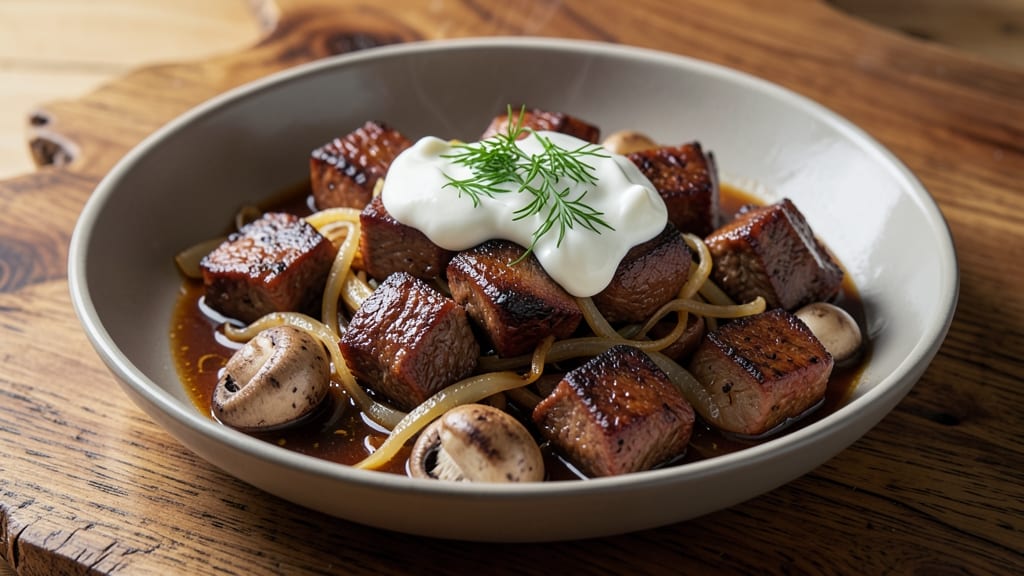
This authentic German beef stroganoff recipe brings hearty German comfort to your table with tender beef, rich mushrooms, and a velvety sour cream sauce that clings to egg noodles like a hug. The secret lies in slow-cooked onions and mushrooms that form the flavorful base, while a splash of beer and a touch of mustard add that unmistakable German depth. I've perfected this dish over years of testing, balancing traditional techniques with home-cook practicality.
The key to authenticity is building the sauce properly—starting with caramelized onions and mushrooms that develop deep, savory notes before the beef joins. A splash of dark beer (or substitute with beef broth) adds complexity, while sour cream at the end creates that signature creamy velouté texture.
Unlike Russian stroganoff, this German version leans into heartier flavors and a more substantial sauce that stands up to crusty bread or dumplings.
What you'll end up with is a restaurant-quality dish that's rich, comforting, and packed with German flavors—tender beef, earthy mushrooms, and a sauce so creamy it practically melts on your tongue.
The egg noodles absorb the flavor beautifully, creating a satisfying one-bowl meal that's perfect for family dinners or special occasions. This isn't just stroganoff; it's a taste of German home cooking.
The beauty of this recipe is its versatility—serve it with buttered egg noodles for a classic presentation, or pair it with fluffy potato dumplings for extra heartiness. The leftovers reheat beautifully, making it ideal for meal prep. Let's create this authentic German classic that'll have everyone asking for seconds.
Ingredients for authentic german beef stroganoff
German pantry staples and a few specialty touches for that authentic stroganoff hug.
| Ingredient | Amount | Notes |
|---|---|---|
| Beef Chuck Roast 🥩 | 1 ½ lb | Trimmed of fat, cut into 1-inch cubes |
| Yellow Onions 🧅 | 2 whole | Thinly sliced, about 3 cups |
| Button Mushrooms 🍄 | 12 oz | Whole, cleaned and halved |
| Dark Lager Beer 🍺 | ½ cup | German-style, like Paulaner or Beck's |
| Dijon Mustard 🍯 | 1 tbsp | For authentic tang |
| Sour Cream 🧈 | ¾ cup | Full-fat for velvety texture |
| Egg Noodles 🍝 | 8 oz | Fresh or dried, medium width |
| Unsalted Butter 🧈 | 3 tbsp | For rich flavor base |
| All-Purpose Flour 🌾 | 2 tbsp | For thickening sauce |
| Beef Broth 💧 | 1 cup | Low-sodium preferred |
| Fresh Thyme 🌿 | ¼ cup | Chopped, or 1 tsp dried |
| Garlic Cloves 🧄 | 4 cloves | Minced, for depth |
| Salt 🧂 | 1 ½ tsp | Diamond Crystal preferred |
| Black Pepper 🌶️ | ½ tsp | Freshly cracked |
| Worcestershire Sauce 🍶 | 1 tbsp | For umami kick |
The beef is non-negotiable—chuck roast gives you that melt-in-your-mouth texture, not tough sirloin. Look for good marbling at your butcher or the meat department; Costco or Whole Foods often have pre-cut cubes if you're short on time. Mushrooms should be fresh, not those sad pre-sliced packs—they lose flavor fast. For the beer, any German lager works, but Paulaner or Beck's are the gold standard. If you're avoiding alcohol, beef broth with a splash of apple cider vinegar mimics the depth perfectly.
No beer? Substitute with beef broth plus 1 tbsp vinegar—it's what I do when I'm making this for kids. Fresh thyme is ideal, but dried works at one-third the amount (and it's way cheaper). The Worcestershire sauce might seem odd, but it adds that savory depth German cooking loves—don't skip it. For the mustard, Dijon is traditional, but whole-grain mustard adds texture if you're feeling fancy. The egg noodles? Fresh ones have a better bite, but dried works in a pinch—just cook them al dente so they don't turn to mush in the sauce.
This sauce is a flavor bomb that only gets better the next day, so make extra. Store leftovers in the fridge for up to 4 days—the sauce thickens slightly, so just stir in a splash of broth when reheating. Freezes beautifully for 3 months, though the noodles might get mushy. I always double the sauce and portion it into containers for quick lunches. The secret to restaurant-quality stroganoff? Let it sit for 10 minutes after cooking—all that flavor melds together like magic.
Why You'll Love This Recipe
- One-Pot Wonder: I swear by this recipe when I’m too tired to wash a million dishes. The beef, onions, and mushrooms all simmer together in one deep pan—no extra pots, no fuss—just rich, saucy perfection with minimal cleanup. (Yes, even on a Tuesday night.)
- Beer-Braised Magic: That dark lager isn’t just an ingredient—it’s the secret weapon. It deepens the sauce into something dangerously addictive, with a malty richness that cuts through the beef’s richness. Honestly, I’ll take this over any bottled stroganoff sauce.
- Leftovers That Shine: This dish actually improves the next day. The flavors meld even more, and it reheats like a dream—whether you’re packing lunches or feeding a crowd. My kids beg for it cold in sandwiches, and I don’t even judge them.
- Budget-Friendly Feast: A chuck roast stretches further than you’d think, especially when paired with mushrooms and onions that bulk up the dish. Between us, this is my go-to when I need to feed four people for under $20—no sad leftovers, just happy stomachs.
Step-by-step instructions for authentic German beef stroganoff
Here's how to make this rich, velvety stroganoff with deep German flavors and tender beef.
Sear the Beef Chuck Roast for Deep Flavor
Heat a large Dutch oven over medium-high heat and add 1 tablespoon of the unsalted butter. Once the butter foams, add half of the 1.5 lb beef chuck roast cubes in a single layer. Let them sear undisturbed for 2-3 minutes until a deep golden-brown crust forms.
Flip the beef and cook another 2-3 minutes until browned on all sides. Remove the seared beef and set aside. Repeat with the remaining beef cubes, adding another 1 tablespoon of butter if needed. This initial searing creates the rich, caramelized foundation for your stroganoff.
Real talk: Don't crowd the pan or the beef will steam instead of sear. You want those crusty edges that pack serious flavor punch. I like to work in batches if needed—just keep the heat steady and don't let the butter burn.
Build the German-Inspired Sauce Base
With the beef removed, reduce heat to medium and add the remaining 1 tablespoon unsalted butter. Toss in the 2 whole yellow onions and cook for 5-6 minutes until softened and beginning to caramelize at the edges. Add the 4 cloves garlic cloves and cook for 30 seconds until fragrant.
Stir in the 12 oz button mushrooms and cook for another 4-5 minutes until they release their moisture and begin to brown. This step develops the umami depth that makes German stroganoff so distinctive. The mushrooms should look tender but still hold their shape slightly.
Here's the thing—don't rush this step. The longer you cook the aromatics, the more complex flavors you'll build. I often let the onions caramelize a bit more than strictly necessary because that sweetness balances the richness of the sour cream later.
Deglaze and Develop the Velouté
Pour in the 0.5 cup dark lager beer and scrape up all those delicious browned bits from the bottom of the pan. Let it simmer for 2-3 minutes until reduced by about half. This deglazing step captures all that meaty flavor you worked so hard to create.
Stir in the 1 tbsp Dijon mustard and 1 tbsp Worcestershire sauce, then sprinkle in the 2 tbsp all-purpose flour. Cook for 1 minute to toast the flour slightly—this prevents that raw flour taste and helps thicken the sauce properly. Pour in the 1 cup beef broth and bring to a gentle simmer.
This is where the magic happens. The beer adds a subtle maltiness that German stroganoff is known for, while the mustard and Worcestershire provide that authentic tang and umami. Let the sauce simmer for 5 minutes until it thickens slightly but remains silky smooth.
Incorporate the Beef and Finish with Sour Cream
Return the seared beef to the pot along with any accumulated juices. Add the 0.25 cup fresh thyme, 1.5 tsp salt, and 0.5 tsp black pepper. Simmer for 10-12 minutes until the beef is fork-tender and easily pulls apart. The sauce should coat the beef beautifully at this point.
Remove the pot from heat and let it cool slightly for 2 minutes. Then gently stir in the 0.75 cup sour cream using a spatula, being careful not to create any lumps. The heat from the beef will gently warm the sour cream, creating that signature velvety texture without curdling.
I know it seems counterintuitive to remove from heat before adding the sour cream, but trust me—this prevents curdling and maintains that silky consistency. If you add it too soon, you risk breaking the cream.
Cook the Egg Noodles and Assemble
While the stroganoff rests, cook the 8 oz egg noodles according to package instructions until al dente. Drain and set aside. The key here is to cook them just shy of perfect—they'll finish cooking in the residual heat of the stroganoff.
To serve, spoon the stroganoff over the hot egg noodles. The noodles will soak up just enough sauce to create the perfect bite, while keeping each forkful rich and satisfying. Garnish with additional fresh thyme if desired, and serve immediately with crusty bread on the side.
This dish tastes even better the next day when the flavors have time to meld, but the texture is best enjoyed fresh. The combination of tender beef, rich velouté, and egg noodles creates a comforting German classic that's perfect for chilly evenings.
Pro Tips For Making Authentic German Beef Stroganoff
- SEAR THE BEEF HARD: Don’t treat this like a quick weeknight dinner—get that Chuck Roast screaming hot in a dry skillet before adding oil. I used to rush it, and the meat just steamed instead of developing that deep, caramelized crust that holds up through the beer braising. Two minutes per side, no moving the pan, until it’s dark brown with edges almost black.
- SLICE ONIONS THINLY: German stroganoff isn’t about big, chewy onion chunks—it’s about layers of flavor. Cut those yellow onions paper-thin (almost translucent) so they melt into the sauce instead of sitting as separate pieces. I learned this the hard way after serving a version where the onions were still identifiable after 2 hours of cooking.
- DEGLAZE WITH BEER IMMEDIATELY: As soon as you pull that beef off the heat, pour in the dark lager right away—don’t let those browned bits sit. Scrape the fond with a wooden spoon while it’s still hot, or you’ll lose half the flavor to the bottom of your pot. This isn’t the time to walk away; the sauce starts building now.
- STIR IN MUSHROOMS LATE: Add the button mushrooms only in the last 10 minutes, or they’ll turn to mush and soak up all the liquid. I was skeptical at first—why not cook them longer for deeper flavor?—but the texture stays firm and they absorb just enough sauce to be tender without disappearing. Save the mustard for this step too; it needs time to mellow.
Troubleshooting great authentic german beef stroganoff
Sauce Too Thin?
If your sauce ends up too thin after simmering, don't panic—this happens when the beef releases too much moisture. Reduce the heat to low and let it simmer uncovered for an extra 5-10 minutes to evaporate excess liquid.
For an immediate fix, mix 1 tbsp cornstarch with 2 tbsp cold water, stir into the sauce, and simmer for 1-2 minutes until thickened. I've found that simmering uncovered helps concentrate flavors too—just be patient and let it reduce naturally. 🌡️
Beef Still Tough?
Tough beef usually means it didn't cook long enough. The chuck roast should reach 195-203°F internal temperature for tender results. If yours is still firm, return it to the pot with ¼ cup additional beef broth, cover, and simmer for another 15-20 minutes.
The slow cooker method works wonders here—just transfer everything to a slow cooker on low for 3 hours. Pro tip: Slice against the grain after cooking to maximize tenderness. 💪
Sour Cream Curdled?
Curdling happens when the sour cream gets too hot. To fix it, immediately remove from heat and stir in 1 tbsp cold butter or 1 tbsp cold heavy cream. The fat content helps stabilize the mixture.
For prevention, always stir the sour cream in off the heat and work gently with a spatula. I've even had success adding ½ tsp lemon juice to help smooth out any lumps—it's a trick I learned from German home cooks. 🧈
Mushrooms Too Watery?
Watery mushrooms mean they weren't cooked long enough to release their moisture. After adding them to the pan, cook for an extra 2-3 minutes until they begin to brown and release their liquid. For next time, try patting them dry with a paper towel before cooking—this reduces excess moisture.
I also recommend using a mix of cremini mushrooms (for meatier texture) and white button mushrooms (for milder flavor) to balance the texture. 🍄
Onions Burning?
Burnt onions happen when you walk away from the pan. Keep the heat at medium-low and stir frequently—aim for golden brown, not blackened. For extra insurance, add 1 tbsp water to the pan when the onions start to stick.
The key is patience: caramelizing onions takes 10-15 minutes total, but the wait is worth the sweet, deep flavor. I often set a timer to remind myself to check them every 3-4 minutes. 🧅
Flavor Too Mild?
Mild flavor usually means the aromatics weren't cooked long enough. For a deeper taste, increase the caramelization time for onions to 15 minutes and mushrooms to 8-10 minutes. Add 1 tsp smoked paprika or ½ tsp caraway seeds for authentic German depth.
I also like to toast the flour in the pan for 2 minutes** before adding liquid—this adds a nutty note that elevates the whole dish. 💛
Nutrition facts
Frequently asked questions
Why does this recipe use beer instead of wine like Russian stroganoff?
German stroganoff traditionally uses beer for a malty, slightly sweet depth that complements the rich beef and sour cream. The dark lager adds subtle caramel notes that balance the tanginess, while wine (common in Russian versions) would make the dish too acidic. For authenticity, a German-style lager like Paulaner works best, but you can substitute with beef broth plus vinegar if needed.
Can I make this dish ahead of time?
This stroganoff actually tastes better the next day as flavors meld. Assemble everything (except noodles) and refrigerate for up to 4 days. Reheat gently on low, stirring in a splash of broth or milk to restore creaminess. For make-ahead meals, freeze the sauce without noodles for 3 months—just thaw overnight in the fridge before reheating.
What's the best cut of beef for authentic German stroganoff?
Chuck roast is non-negotiable for authentic texture—it's flavorful and tender when cooked properly. Avoid lean cuts like sirloin, which can dry out. Ask your butcher to cut it into 1-inch cubes for even cooking. For convenience, pre-cut beef chuck from Costco or Whole Foods works perfectly, just trim any large fat pieces before searing.
How can I make this vegetarian?
Swap the beef for 1.5 lbs portobello mushrooms or 1 lb extra-firm tofu (pressed and cubed). For tofu, pan-fry until golden before adding to the sauce. Boost umami with 1 tbsp soy sauce or 1 tsp miso paste. The beer and mustard will still provide that authentic German tang, while the mushrooms add hearty texture. Serve with extra noodles to soak up the rich sauce.
What sides pair best with German beef stroganoff?
Classic pairings include buttered egg noodles (as in the recipe), potato dumplings, or crusty rye bread. For a lighter option, serve with roasted Brussels sprouts or a simple green salad. The German tradition often includes a side of pickled vegetables (like cucumbers or red cabbage) to cut through the richness. Leftovers make great sandwiches the next day!