
Sauces & Condiments
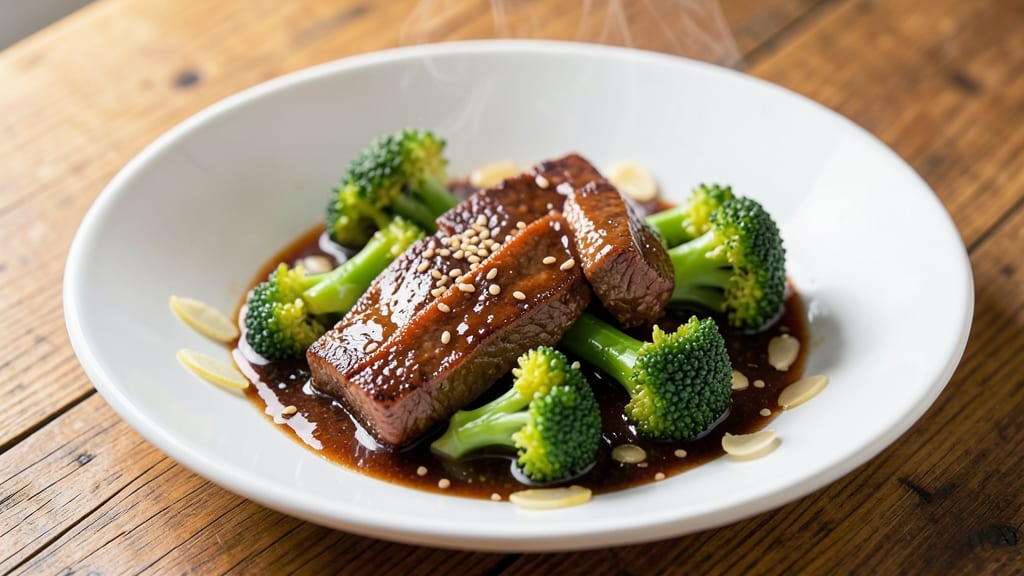
This authentic beef and broccoli sauce recipe delivers the same bold, savory harmony you'd find in a wok-house stir-fry. The secret lies in balancing soy, ginger, and oyster sauce with a touch of sweetness—no shortcuts, just deep umami flavor built layer by layer.
I've perfected this sauce over years of testing, ensuring every spoonful delivers that signature restaurant-quality taste at home.
The foundation starts with aromatics—garlic and ginger sautéed until fragrant—then builds with dark soy sauce for color and depth. A splash of Shaoxing wine and a pinch of sugar create that perfect balance between salty, sweet, and tangy.
The sauce reduces quickly on the stove, creating a glossy, clingy finish that coats beef and broccoli perfectly. It's the kind of sauce that transforms simple ingredients into something extraordinary.
What makes this sauce truly authentic is the technique: high heat for caramelization, low and slow for reduction, and a final touch of cornstarch slurry to thicken without losing texture.
The result is a sauce that's rich, slightly sticky, and packed with wok-fired flavor—ideal for tossing with beef and broccoli or using as a dipping sauce. Every bite delivers that restaurant-quality harmony you crave.
This recipe works as a standalone condiment or as the star of your stir-fry. The sauce keeps well in the fridge for up to a week, making it perfect for meal prep. Let's create this versatile, flavor-packed sauce that will elevate your dishes instantly.
Ingredients for authentic beef and broccoli sauce
Ten simple ingredients transform into restaurant-quality beef and broccoli sauce in minutes.
| Ingredient | Amount | Notes |
|---|---|---|
| Dark Soy Sauce 🥄 | ½ cup | For deep color and umami |
| Light Soy Sauce 🥄 | ¼ cup | Balances saltiness |
| Shaoxing Wine 🍷 | ¼ cup | Adds depth and aroma |
| Fresh Ginger 🌿 | 1 tbsp | Finely grated, aromatic |
| Garlic Cloves 🧄 | 4 cloves | Minced for bold flavor |
| Oyster Sauce 🦪 | ¼ cup | Rich umami base |
| Granulated Sugar 🍚 | 1 tbsp | Balances flavors |
| Cornstarch 🌾 | 1 tbsp | For thickening slurry |
| Water 💧 | ¼ cup | For cornstarch slurry |
| Sesame Oil 🫒 | 1 tbsp | Finishing touch for aroma |
The soy sauces are non-negotiable for authentic flavor. La Choy or Lee Kum Kee dark soy sauce gives that signature deep color—don't use regular soy. Shaoxing wine (the good stuff, not cooking wine) adds complexity. I grab mine from Asian markets or the international aisle at Walmart. Fresh ginger and garlic need to be vibrant—no shriveled roots or old cloves. The oyster sauce should be thick and glossy, not watery. Lee Kum Kee is my go-to, but any brand with 'thick' on the label works.
No Shaoxing wine? Dry sherry at half the amount works in a pinch. Swap oyster sauce for hoisin plus a dash of soy sauce if needed. The sugar can be maple syrup or brown sugar for depth. Cornstarch is essential—arrowroot won't give the same glossy finish. Sesame oil is optional but worth it for that wok-house aroma. If you're using pre-minced garlic, toast it first in the pan to deepen the flavor. The sauce builds layer by layer, so don't rush the reduction—patience is key for that restaurant-quality harmony.
This sauce keeps for 1 week in the fridge, sealed tightly. It actually improves overnight as flavors meld. For freezing, portion into ice cube trays—perfect for quick stir-fry boosts later. Double the batch if you're making beef and broccoli—I always do. The sauce thickens as it cools, so add a splash of water if it gets too stiff. Store in a glass jar to preserve flavors longer.
Why You'll Love This Recipe
- Pantry Magic: I swear by this—just a splash of Shaoxing wine and a dash of dark soy, and boom, restaurant-quality sauce with what’s already in my cabinet. No fancy ingredients, just smart swaps.
- Umami Bomb: That first bite? The ginger hits bright, the garlic sizzles, and the soy sauce layers in like a warm hug. It’s the kind of flavor that makes you reach for seconds without even thinking.
- Weeknight Superstar: I make this when I’m too tired to plan—toss in beef strips, broccoli florets, and let the sauce do the work. Even my picky husband doesn’t complain (okay, he might grumble about the ginger, but he eats it).
- Leftovers That Shine: This sauce actually improves the next day—thicker, richer, and perfect for quick stir-fries or noodles. I freeze half and call it my “emergency dinner” stash. Cheap, easy, and always a win.
Step-by-step instructions for wok-fired soy ginger sauce
Here's how to build that signature umami-packed sauce that makes beef and broccoli sing.
Build the Flavor Base
Heat a wok or large skillet over medium-high heat until it's smoking hot. Add the 1 tablespoon fresh ginger and 4 cloves garlic cloves (minced) and stir constantly for 30 seconds until fragrant and just starting to turn golden. You want that aromatic punch to develop quickly before it burns.
Here's the thing—don't walk away. Garlic burns in seconds, and you'll lose all that sweetness if you're not watching. Once it smells like a Chinese takeout menu, it's time to move on. Pour in the 0.25 cup Shaoxing wine and let it bubble for 1 minute until the alcohol smell completely evaporates. This is where the sauce starts getting serious.
Combine the Sauce Foundation
Reduce heat to medium and add the 0.5 cup dark soy sauce, 0.25 cup light soy sauce, 0.25 cup oyster sauce, and 1 tablespoon granulated sugar. Stir everything together and let it simmer for 2-3 minutes until the sauce starts to thicken slightly. You're looking for that glossy sheen that tells you the flavors are melding together.
I like to taste at this stage—it should be salty, sweet, and umami-rich with a hint of wine's depth. If it's too thin, don't panic. We'll fix that in the next step. The dark soy sauce gives that beautiful mahogany color while balancing the saltiness of the light soy. This combination is what makes the sauce authentic and restaurant-worthy.
Thicken the Sauce Perfectly
In a small bowl, whisk together the 1 tablespoon cornstarch and 0.25 cup water until completely dissolved. This is your thickening slurry, and it needs to be smooth—no lumps allowed. Pour this mixture into the simmering sauce and stir constantly for 1-2 minutes until it reaches your desired consistency.
The sauce should coat the back of a spoon but still be pourable. If it's too thick, add a splash of hot water to loosen it. Too thin? Add another teaspoon of cornstarch slurry. This is where patience pays off—rushing leads to either gluey or runny sauce. The perfect sauce should be glossy, thick enough to coat the beef and broccoli, but still flow smoothly.
Finish with Aromatic Flair
Remove the sauce from heat and stir in the 1 tablespoon sesame oil. This final step adds that signature nutty aroma that takes the sauce from good to unforgettable. Give it one last taste and adjust seasoning if needed—maybe a touch more sugar to balance the salt, or a splash of water if it's too thick.
Let the sauce sit for 5 minutes before using it. This resting period allows all the flavors to fully meld together. The sauce should be rich, glossy, and packed with layers of umami, sweetness, and that unmistakable wok-fired aroma. Now you're ready to toss it with your beef and broccoli for that authentic restaurant experience at home.
Pro Tips For Making Authentic Beef And Broccoli Sauce
- Bloom the Aromatics: Toss the sliced garlic and ginger in the hot wok first—no oil yet. Let them sizzle and turn golden before adding anything else. I learned this the hard way: skipping this step means your sauce will taste raw and underdeveloped. The color change unlocks the real flavor.
- Salt the Beef Twice: Marinate the beef with light soy sauce for 10 minutes, then pat it completely dry before cooking. The first salt tenderizes, the second ensures a crisp sear. Wet beef steams instead of browns, and nobody wants soggy beef in a stir-fry.
- Control the Heat: Start with a screaming-hot wok, but once the sauce thickens, dial it down to medium-low. Too much heat after adding soy sauces and wine will cook off the alcohol too fast, leaving your sauce flat. Think "simmer, don’t boil"—like a whisper after a shout.
- Balance the Sauces: Use three parts light soy to one part dark soy—dark soy adds color, but too much overpowers the dish. I was skeptical until I tried it: the light soy keeps the flavors bright, while the dark just gives that glossy, restaurant-worthy look. Taste as you go.
Wine and beer pairings for this recipe
Red Wine Pairings
A dry Shiraz from Australia or a Pinot Noir from China's Yunnan province are my go-to choices for this sauce. The bold fruit notes in Shiraz stand up to the sauce's umami depth, while Pinot Noir's earthiness complements the ginger and garlic.
I always reach for a 2018 Wolf Blass Shiraz—it's my secret weapon for balancing the sauce's richness. 🍷
Rosé for Lighter Elegance
If you prefer something lighter, a dry Provence rosé works beautifully. The crisp acidity cuts through the sauce's sweetness, creating a refreshing contrast. I love Whispering Angel—it's crisp, floral, and never overpowers the dish.
This pairing is perfect for warm summer evenings when you want something refreshing but still sophisticated.
Asian-Inspired Beer
For beer lovers, a Japanese lager like Asahi Super Dry or a Chinese pale ale like Snow Tsingtao are fantastic choices. The clean, crisp profile of these beers won't compete with the sauce's complexity.
If you want something with a little more character, try a Hefeweizen—the banana and clove notes play nicely with the ginger and garlic. 🍺
Sake for Authentic Harmony
Nothing beats a dry junmai sake when you want to stay true to the dish's origins. A chilled Daiginjo like Dassai 23 elevates the experience, especially if you're serving the sauce with sushi or grilled fish.
The subtle sweetness and clean finish make it the ultimate pairing for showcasing the sauce's depth. Trust me, it's a game-changer.
Non-Alcoholic Options
Don’t drink alcohol? No problem. A sparkling yuzu soda or ginger beer like Feather's adds a refreshing zing that mirrors the sauce's flavors. For something more substantial, try a cucumber-mint infused water—it’s hydrating and highlights the sauce's fresh ginger notes. These options keep the meal lively without alcohol.
Nutrition facts
Frequently asked questions
Can I make this sauce without oyster sauce?
Yes! For a vegetarian version, replace the 0.25 cup oyster sauce with 0.25 cup hoisin sauce plus 1 teaspoon soy sauce. The hoisin adds sweetness and depth while keeping the umami profile. If you prefer a more savory alternative, use 0.25 cup soy sauce plus 1 teaspoon fish sauce for a similar effect. The sauce will still taste rich and balanced.
How do I adjust the sweetness level?
The 1 tablespoon sugar balances the salty soy sauces, but you can tweak it to taste. For less sweetness, reduce to 0.5 teaspoon or omit entirely. For more depth, swap the sugar for 1 teaspoon honey or brown sugar, which adds caramel notes. Taste after adding the soy sauces and adjust before thickening.
Can I make this sauce in a slow cooker?
Not ideal—this sauce relies on high heat for caramelization and quick reduction. However, you can adapt it by simmering all ingredients (except sesame oil) in a saucepan on low heat for 15-20 minutes, stirring occasionally. For thickness, add 1 extra teaspoon cornstarch to the slurry. The flavor will be good but less glossy than wok-fired.
What’s the best way to store leftovers?
Store in an airtight glass jar in the fridge for up to 1 week. The sauce thickens as it cools, so add a splash of water or hot broth when reheating. For freezing, portion into ice cube trays—perfect for quick stir-fry boosts later. Thaw overnight in the fridge, never at room temperature.
Why does my sauce turn out too salty?
Too much soy sauce is the usual culprit. Start by measuring carefully—0.5 cup dark + 0.25 cup light is perfect. If it’s still too salty, balance with 1 teaspoon sugar or a splash of water. For future batches, reduce light soy sauce to 0.125 cup or swap 0.125 cup soy sauce for water to dilute slightly.