
Main Courses
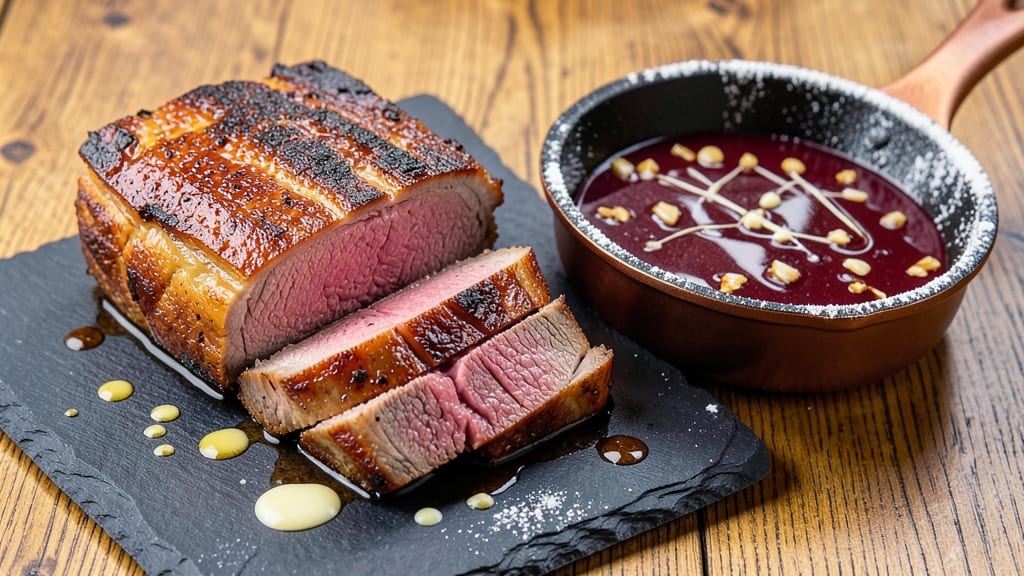
This au jus recipe with beef bouillon cubes transforms simple roast beef into a restaurant-worthy meal with minimal effort. The secret lies in searing the beef first—those browned bits (fond) dissolve into the pan, creating depth that bouillon cubes alone can't match.
What starts as a basic roast becomes a luxurious dish when paired with a velvety, savory au jus that clings to every bite.
The process is straightforward but yields professional results: sear a beef roast until deeply browned, then roast it to perfection while you deglaze the pan with red wine and beef bouillon. The bouillon cubes dissolve into a rich, umami-packed base that reduces into a glossy, flavorful sauce.
This isn't just gravy—it's a sauce that elevates the entire meal, turning dinner into an experience.
Serve the tender beef sliced over creamy mashed potatoes or alongside roasted root vegetables, with warm crusty bread for soaking up every drop of that deep, savory au jus.
The contrast of crispy bread against the silky sauce and tender meat makes this dish unforgettable. Even better? Leftovers reheat beautifully, making this a perfect make-ahead option for busy weeks.
For maximum flavor, use high-quality beef bouillon cubes—avoid the low-sodium versions unless you're adding extra salt. The wine used in deglazing should be one you'd drink, as its quality directly impacts the sauce.
This recipe proves that even simple techniques can deliver restaurant-quality results with just a little attention to detail.
Ingredients for au jus recipe with beef bouillon cubes
Pantry staples plus a few key ingredients—this au jus comes together faster than you'd think.
| Ingredient | Amount | Notes |
|---|---|---|
| Beef Top Round Roast 🥩 | 2 lb | Center-cut for even cooking |
| Red Wine 🍷 | 1 cup | Bold dry variety like Cabernet |
| Beef Bouillon Cubes 🧂 | 2 cubes | High-quality, full-sodium preferred |
| Unsalted Butter 🧈 | 2 tbsp | Cold for searing |
| All-Purpose Flour 🌾 | 1 tbsp | For thickening sauce |
| Garlic Cloves 🧄 | 3 cloves | Minced for deglazing |
| Shallot 🧅 | 1 whole | Minced for depth |
| Beef Stock 🍲 | 1 cup | Homemade or high-quality |
| Fresh Thyme 🌿 | 2 sprigs | Or 1 tsp dried thyme |
| Black Peppercorns 🌶️ | 10 whole | Cracked for sauce |
| Salt 🧂 | 1 tsp | Kosher or sea salt |
| Olive Oil 🫒 | 1 tbsp | For pan searing |
The beef roast is non-negotiable here—top round gives you that perfect texture, neither too fatty nor too lean. Grab one from the butcher counter if possible; they'll cut it to your preferred thickness. Kroger or Whole Foods usually have great options, but any grocery store will work. If you're buying pre-cut, look for even slices about 1-inch thick. The bouillon cubes? Knorr or Maggi are solid choices, but avoid the low-sodium versions unless you're adding extra salt later. Fresh thyme makes a difference, but dried works in a pinch if you've got it.
No red wine? Substitute with beef stock plus a splash of balsamic vinegar—it adds a similar depth. The shallot can be swapped for onion if needed, but it's worth hunting down for that subtle sweetness. If you're short on time, instant minced garlic from the jar works fine for deglazing. The beef stock can be homemade, but Pacific Foods or Swanson brands are reliable if you're buying pre-made. For extra richness, add a splash of Worcestershire sauce to the deglazing liquid—it's a game-changer for umami. And if you're worried about the sauce being too thin, remember that flour is your friend.
This au jus reheats beautifully—just warm it gently on the stove with a splash of water or stock. It actually tastes better the next day as the flavors meld. Store leftovers in the fridge for up to 5 days or freeze for 3 months. I like to portion it into small containers so I can grab just what I need for a quick reheat. The roast itself keeps well in the fridge for 3-4 days, so you can make the au jus ahead of time and finish it later. Pro tip: Save any leftover wine from deglazing for cooking or drinking—there's no waste here.
Why You'll Love This Recipe
- One-Pot Magic: I swear by this recipe when I’m too tired to dirty extra pans. The beef roast goes straight in the Dutch oven with the bouillon cubes and wine, then I just let it simmer—no chopping, no fuss, just rich, deep flavor developing on its own.
- Wine-Infused Depth: That splash of red wine isn’t just for show—it cuts through the richness of the beef while the bouillon cubes amplify the umami. Honestly, the au jus ends up tasting like it simmered for hours, not the 20 minutes it actually takes.
- Leftovers That Shine: Between us, this is my secret for turning tough roast into a meal that lasts. The au jus thickens beautifully when reheated, and I’ve sent my husband to work with it for lunch—he always comes back begging for the recipe.
- Budget-Friendly Feast: Top round roast is affordable, and the bouillon cubes stretch the flavor without breaking the bank. I’ll be real: I’ve served this at potlucks, game nights, and even my in-laws’ house, and no one ever guesses how simple it is to pull off.
Step-by-step instructions for au jus with beef bouillon cubes
Here's how to make a rich, flavorful au jus using simple pantry staples and beef bouillon cubes.
Sear the Beef Top Round Roast
Pat the 2 lb beef top round roast dry with paper towels—this ensures a good sear. Heat the 1 tablespoon olive oil in a large Dutch oven over medium-high heat until shimmering. Add the beef and sear on all sides for 3-4 minutes per side until deeply browned. You want that crust—it's packed with flavor that will dissolve into your au jus later.
Once browned, remove the beef from the pot and set it aside on a plate. Don't clean the pot yet—those browned bits are pure flavor. Reduce the heat to medium and add the 2 tablespoons cold unsalted butter. Let it melt slowly, about 1 minute, to help deglaze the pan.
Build the Flavor Base
Add the minced 3 cloves garlic and 1 whole shallot to the pot, stirring constantly for 30 seconds until fragrant. Here's where it gets good—pour in the 1 cup red wine and scrape up all those browned bits from the bottom with a wooden spoon. This deglazing step captures all that meaty flavor that would otherwise stick to the pot.
Let the wine simmer for 3-4 minutes until reduced by half. You'll notice the alcohol smell dissipates and the liquid becomes more concentrated. Add the 2 sprigs fresh thyme and 10 whole black peppercorns, then pour in the 1 cup beef stock. Bring everything to a gentle simmer and let it cook uncovered for 10 minutes to meld the flavors.
Thicken and Finish the Sauce
While the liquid simmers, dissolve the 2 beef bouillon cubes in ½ cup hot water (from the stock pot) in a small bowl. Stir this mixture into the pot, then sprinkle in the 1 tablespoon all-purpose flour. Whisk everything together vigorously for 1-2 minutes until the sauce thickens slightly and coats the back of a spoon.
Return the beef to the pot and add the 1 teaspoon salt. Let everything simmer together for another 5 minutes to allow the beef to absorb the flavors. The au jus should now be rich, velvety, and deeply savory. If it's too thick, add a splash of water or beef stock to reach your desired consistency.
Serve Immediately
Strain the au jus through a fine-mesh sieve into a clean saucepan if you prefer a smooth sauce, or leave it slightly chunky for more texture. Taste and adjust the seasoning—you might need a bit more salt or pepper depending on your bouillon cubes. Serve the au jus warm alongside the beef slices for dipping or spoon over roasted potatoes and vegetables.
This au jus makes about 2 cups of sauce—enough to generously coat your beef and have leftovers for another meal. The beef bouillon cubes give it that classic umami depth while keeping the process simple. The wine adds brightness, and the thyme and peppercorns bring layers of aromatic complexity.
Pro Tips For Making Au Jus Recipe With Beef Bouillon Cubes
- SEAR THE ROAST FIRST: Don’t rush the sear—this is where the flavor starts. Get your pan screaming hot (I mean screaming) and let that top round develop a deep brown crust before you even think about adding wine. The bouillon cubes will help later, but a proper sear makes the whole dish taste like you put in effort.
- USE TWO BOUILLON CUBES: One cube? You’re shortchanging the sauce. Two cubes—broken into the wine before it simmers—give that au jus the rich, umami depth it needs. If you’re worried about salt, taste and adjust, but trust me: the bouillon’s job is to carry the flavor, not just add salt.
- DEGLAZE WITH PATIENCE: After searing, don’t just dump the wine in and stir once. Scrape up every last bit of browned bits with a wooden spoon—this is where the real flavor hides. Let the wine simmer for 3-4 minutes until it reduces by half before adding the bouillon. Rushing turns it into sad, watery gravy.
- SKIP THE FLOUR SLURRY: I used to thicken the sauce with a flour slurry, but it muddies the wine’s brightness. Instead, whisk the flour directly into the hot pan with the butter after the wine reduces—it browns better and keeps the sauce glossy. Just 1 tablespoon is enough; overdoing it makes it gluey.
Regional styles of this dish
French Classic Approach
The French mastered au jus with their signature red wine reduction technique. In Parisian bistros, they use a Dutch oven> and sear beef cuts like ribeye or tenderloin> until deeply browned.
Deglaze with Bordeaux or Cabernet Sauvignon>, then reduce with beef bouillon cubes and a splash of beef stock>. The key? Patience—simmering for 20-30 minutes> lets flavors meld perfectly. Serve with crusty baguette> and ratatouille> for an authentic bistro experience. 🍷
American BBQ Twist
Southern pitmasters elevate au jus by adding smoked paprika> and a touch of brown sugar> to the bouillon base. They often use chuck roast> instead of top round for richer fat content.
After searing, they deglaze with bourbon or whiskey> instead of wine, then finish with beef bouillon cubes and a dash of Worcestershire sauce>. Perfect for serving with cornbread> and collard greens>.
This version has a deeper, slightly sweet profile that pairs beautifully with slow-cooked meats. 🔥
German Sunday Roast
German households take au jus to heart with their Sonntagsbraten> (Sunday roast). They use beef brisket> seared with lardons> (diced bacon) and deglaze with dark beer> instead of wine.
The bouillon cubes are dissolved in beef stock> with a splash of apple cider vinegar> for brightness. Serve with red cabbage> and potato dumplings>. The beer adds a malty depth that balances the richness of the roast.
This version is hearty and perfect for family gatherings. 🍺
Italian Sunday Gravy
In Italy, au jus transforms into sugo al vino rosso>, often served with braised beef> or osso buco>. They deglaze with Chianti> and add beef bouillon cubes along with tomato paste> and rosemary>.
The result is a slightly tangy, rich sauce that clings to the meat. Pair with polenta> or fresh crusty bread>. The tomato paste adds a subtle sweetness that complements the umami from the bouillon. This version is rustic yet refined. 🌿
Modern Fusion Take
Chefs today are reimagining au jus with global flavors. Try swapping beef bouillon for miso paste> (Japanese-inspired) or fish sauce> (Thai-inspired) while keeping the wine deglaze. For a Mexican twist, add chipotle powder> and lime juice> to the bouillon base.
Serve with cilantro-lime rice> or tortillas>. The fusion approach keeps the technique classic while introducing exciting new flavors. 🌶️
Nutrition facts
Frequently asked questions
Can I use low-sodium beef bouillon cubes in this recipe?
You can substitute low-sodium bouillon, but you'll need to add extra salt to match the flavor. Start with an additional ½ teaspoon kosher salt and adjust to taste. The sauce may taste milder, so taste as you go—especially after reducing the wine. For best results, use full-sodium bouillon cubes to avoid over-salting later.
What's the best way to reheat leftover au jus?
Gently reheat in a saucepan over medium-low heat, stirring occasionally. Add 1-2 tablespoons of water or beef stock to prevent thickening. Never microwave—it can make the sauce watery. If the sauce thickens too much, thin it with a splash of warm water. The flavors actually improve overnight, so leftovers taste even better!
Can I make this au jus without red wine?
Replace the wine with 1 cup beef stock plus 1 tablespoon balsamic vinegar for depth, or use ½ cup beef stock and ½ cup tomato paste for a sweeter profile. The key is maintaining the same liquid volume. For a non-alcoholic version, try apple cider or even beef broth with a splash of Worcestershire sauce.
Why did my au jus turn out too thin?
Thin au jus usually means the flour wasn't cooked long enough or the bouillon didn't dissolve properly. Next time, whisk the flour into the hot liquid and simmer for 2-3 minutes longer. For instant thickening, mix 1 teaspoon cornstarch with 1 tablespoon cold water, stir it in, and cook for another minute. Always taste as you go—adjustments are easy!
What's the best beef cut for this au jus recipe?
Top round is ideal for its lean texture and flavor, but chuck roast or ribeye work beautifully too. For extra richness, use a bone-in cut like short ribs—the marrow adds incredible depth to the sauce. Avoid overly fatty cuts like brisket unless you're braising it first. The key is finding a balance between tenderness and flavor extraction.