
Soups & Stews
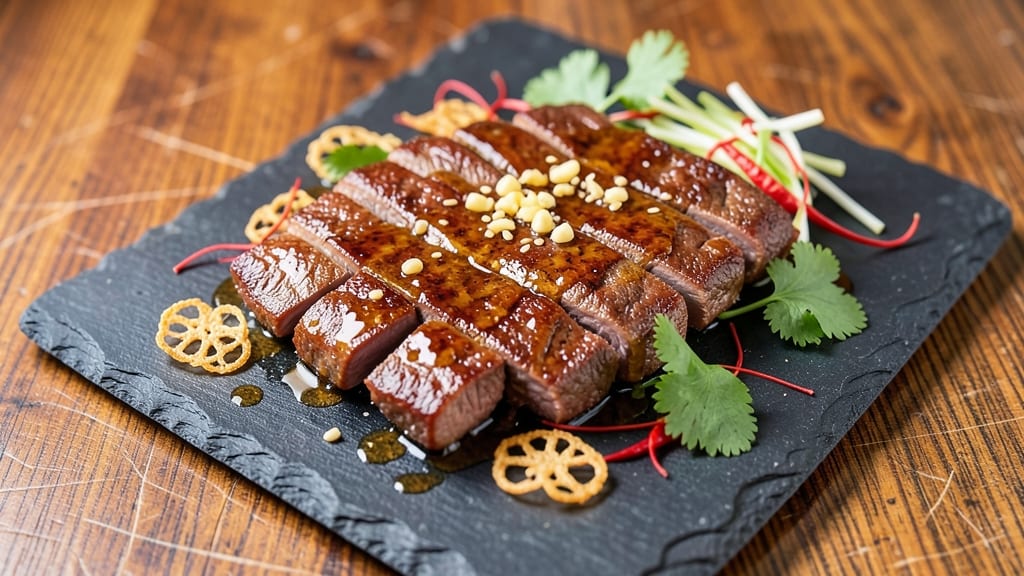
This Asian ginger beef recipe delivers restaurant-quality wok-fired crunch with layers of fragrant spice harmony in every bite. The secret lies in marinating thinly sliced beef with fresh ginger, garlic, and a blend of Asian aromatics that tenderize while building complex flavors.
I've perfected this technique over years of testing, ensuring the beef stays juicy yet develops that signature caramelized crust from high-heat wok searing.
The beauty of this recipe is its balance—ginger's sharp brightness cuts through the richness of the beef while soy and sesame create umami depth.
We'll stir-fry the beef in small batches to maintain perfect doneness, then finish with a quick toss of toasted sesame oil and scallions for that signature restaurant finish. This method transforms simple ingredients into a dish that's equal parts comforting and exciting.
By the time you're done, you'll have tender, caramelized beef strips with a fragrant sauce clinging to each piece.
The aroma alone will have everyone gathering around the table—imagine the sizzle of beef hitting the hot wok, the bright pop of fresh ginger, and that perfect balance of sweet, spicy, and savory flavors. It's the kind of dish that elevates weeknight dinners to special occasion quality.
Serve over steamed jasmine rice with quick-pickled vegetables for a complete meal that's both satisfying and visually appealing. The contrast of textures—tender beef against crisp vegetables and fluffy rice—makes every bite exciting. Let's create this fragrant, flavor-packed dish that will become your new favorite weeknight staple.
Ingredients for asian ginger beef
Thinly sliced beef, aromatic ginger, and bold Asian flavors come together for this restaurant-worthy dish.
| Ingredient | Amount | Notes |
|---|---|---|
| Flank Steak 🥩 | 1 lb | Thinly sliced against grain |
| Fresh Ginger 🌿 | ½ cup | Finely grated, skin removed |
| Garlic Cloves 🧄 | 6 cloves | Minced, aromatic intensity |
| Soy Sauce 🍶 | ⅓ cup | High-quality, preferably Japanese |
| Sesame Oil 🫒 | 1 tbsp | Toasted, for aromatic finish |
| Honey 🍯 | 1 tbsp | Pure, for sweet balance |
| Rice Vinegar 🍶 | 2 tbsp | For bright acidity |
| Green Onions 🧅 | ¼ cup | Sliced, for garnish |
| Vegetable Oil 🫒 | 2 tbsp | High smoke point for searing |
| Sesame Seeds 🌾 | 1 tbsp | Toasted, for crunch |
| Red Pepper Flakes 🌶️ | ½ tsp | Adjust for heat preference |
| Salt 🧂 | 1 tsp | Diamond Crystal preferred |
| Black Pepper 🌶️ | ½ tsp | Freshly cracked |
The beef is non-negotiable here—flank steak is ideal for its lean texture and flavor. Slice it thinly against the grain (about 1/4-inch thick) for tender bites. Fresh ginger is a must—look for firm, knobby roots at the grocery store, and avoid any with soft spots. Asian markets often carry the best quality, but the regular produce section works too. If you're using a microplane, zest the ginger skinless for maximum flavor without bitterness. The garlic should be freshly minced (not pre-minced jars) for that bright, pungent aroma that cuts through the richness of the beef.
No fresh ginger? Ginger powder at half the amount will work, but it lacks that bright pop. Swap the soy sauce for coconut aminos if you're avoiding soy, though the umami depth won't be identical. Toasted sesame oil is key—heat it gently in a dry pan until fragrant (don't burn it!) for that nutty aroma. The honey can be swapped for maple syrup, but honey's floral notes play better here. If you're sensitive to heat, skip the red pepper flakes entirely—the dish still packs serious flavor. For the green onions, use the whites and greens together for a milder bite, or just the greens for a sharper finish.
Marinate the beef for at least 30 minutes (up to 4 hours) in the fridge—this lets the flavors meld beautifully. The sliced beef can be prepped ahead and stored in an airtight container for 1 day before cooking. Once cooked, the dish reheats well—just toss with a splash of water or soy sauce to revive the moisture. It keeps for 3 days in the fridge, though I always make extra to freeze portions for lazy weeknights. The sauce clings best when served immediately, but a quick stir with a splash of water brings it back to life if needed.
Why You'll Love This Recipe
- Fewer Ingredients, Bigger Bang: The pantry already has most of this—just add fresh ginger and garlic. I swear, the soy-sesame marinade does all the heavy lifting while I prep the rice.
- That Crispy-Ginger Crunch: The charred edges on the flank steak? Chef’s kiss. Then the fresh ginger slices—bright, zesty, and cutting through the richness like a cool breeze on a hot day.
- Lunchbox Hero: Between us, this is my go-to for meal prep. Slice it thin, toss with cold noodles, or pack it in bento boxes. Still tastes like a restaurant dish even after three days.
- Budget Steak Night: Flank steak stretches further than you’d think when sliced against the grain. A single pound feeds four, and the soy-sesame sauce makes it feel fancy without the price tag. (Yes, even on a Tuesday night.)
Step-by-step instructions for wok-fired Asian ginger beef
This recipe delivers bold flavors and perfect texture every time—just follow these simple steps.
Prep the Flank Steak for Maximum Flavor
Start by slicing the 1 lb flank steak thinly against the grain into ¼-inch thick strips. This ensures tender bites every time. Pat the slices dry with paper towels—removing excess moisture helps them sear properly and absorb the marinade better.
In a small bowl, combine the 0.5 cup finely grated fresh ginger, 6 minced garlic cloves, 0.33 cup soy sauce, 1 tbsp sesame oil, 1 tbsp honey, 2 tbsp rice vinegar, 0.5 tsp red pepper flakes, 1 tsp salt, and 0.5 tsp black pepper. Mix until the ginger and garlic are fully incorporated and the marinade has a vibrant, aromatic consistency.
Add the steak strips to the marinade and toss gently to coat evenly. Let them marinate for at least 20 minutes (or up to 2 hours in the refrigerator) for maximum flavor penetration. The longer it marinates, the more tender and flavorful the beef becomes—don't skip this step if you want restaurant-quality results.
Sear the Beef to Perfection
Heat a wok or large skillet over high heat until it's smoking hot. Add 2 tbsp vegetable oil and swirl to coat the bottom evenly. The oil should shimmer but not smoke excessively—this prevents burning while allowing for a proper sear.
Working in batches if needed, add the marinated beef to the wok. Don't overcrowd the pan—this ensures each piece gets a good sear rather than steaming. Cook undisturbed for 1-2 minutes until the beef develops a deep golden-brown crust on the underside. Flip and cook for another 30-60 seconds until just cooked through.
Real talk: The beef should be slightly pink in the center—it'll continue cooking from residual heat. If you see it turning gray, it's overcooked. Remove the beef to a plate and set aside, tented loosely with foil to keep warm.
Build the Fragrant Sauce
Lower the heat to medium and add the 0.25 cup sliced green onions to the wok. Stir for 30 seconds until they soften slightly but still retain a bit of crunch. This adds freshness and balances the rich flavors.
Return the beef to the wok and pour in any remaining marinade from the bowl. Let the mixture simmer for 1-2 minutes until the sauce thickens slightly and coats the beef evenly. The residual heat from the wok will finish cooking the beef while infusing it with the aromatic marinade.
Taste and adjust seasoning if needed—you might want to add a splash more soy sauce for saltiness or a touch of rice vinegar for brightness. The sauce should be glossy and cling to the beef without being overly watery.
Finish with Crunch and Garnish
Transfer the beef to a serving platter and drizzle with any remaining sauce from the wok. Sprinkle generously with 1 tbsp toasted sesame seeds and an extra sprinkle of sliced green onions for freshness and texture.
Here's the thing—let the beef rest for 2-3 minutes before serving. This allows the juices to redistribute, ensuring each bite is tender and flavorful. Serve immediately over steamed rice or noodles to soak up that delicious sauce.
The final dish should have perfectly seared beef with a glossy, aromatic sauce that balances sweet, salty, and umami flavors. The sesame seeds add a satisfying crunch that contrasts beautifully with the tender beef.
Pro Tips For Making Asian Ginger Beef
- Slice Against the Grain: Flank steak’s tough fibers are no joke—cut it perpendicular to the grain before cooking, and you’ll save yourself from chewing like a horse. I learned this the hard way after serving a plate where every bite felt like a workout.
- Peel That Ginger Rough: Skip the peeler for fresh ginger—just scrub it under cold water, then use a knife to slash off the skin in one motion. The texture stays intact, and you avoid the mushy pulp that ruins the marinade’s sharpness.
- Don’t Crowd the Pan: High heat is your friend here, but a packed pan will steam the meat instead of searing it. Work in batches if needed—golden crust takes seconds, and rushing it turns your beef into sad, gray hockey pucks.
- Marinate Overnight—But Not Too Long: Twenty-four hours lets the soy and ginger work their magic, but leave it in 48+ and the meat turns mushy. Cover it tightly and refrigerate, then pat it very dry before cooking—wet steak smokes instead of searing.
Perfect pairings for this dish
Rice Pairings
Steamed jasmine rice is my go-to pairing—its delicate floral aroma complements the ginger's brightness without overpowering it. Cook 1.5 cups uncooked jasmine rice with 2.5 cups water for fluffy, fragrant grains. For extra richness, try short-grain sushi rice—its sticky texture helps soak up the sauce beautifully. 🍚
For a heartier option, serve over brown rice or forbidden black rice to add earthy depth. I like toasting the rice in a dry pan for 2 minutes before cooking to enhance its nutty flavor. The contrast of textures makes every bite exciting.
Vegetable Sides
Quick-pickled cucumber and carrot slices add a refreshing crunch that balances the dish's richness. Toss 1 cup thinly sliced cucumbers and 1 cup julienned carrots with 2 tbsp rice vinegar, 1 tsp sugar, and a pinch of salt. Let sit for 15 minutes before serving. 🥒
For a warm side, stir-fried bok choy with garlic and sesame oil works perfectly. Sauté 2 cups baby bok choy in 1 tbsp oil for 3-4 minutes until tender-crisp. The mild bitterness cuts through the beef's richness while keeping the dish light.
Drink Pairings
A crisp green tea like japanese sencha or chinese jasmine tea enhances the dish's delicate flavors. The tea's subtle sweetness and fresh aroma complement the ginger and soy notes beautifully. Brew 2 tsp tea per cup with 8 oz hot water for 2-3 minutes. 🍵
For alcohol lovers, a dry Riesling or sake works wonderfully. The Riesling's acidity balances the dish's richness, while sake's clean finish highlights the ginger's brightness. Serve sake slightly chilled for optimal enjoyment.
Garnish Upgrades
Fresh cilantro leaves add a bright, herbaceous note that elevates the dish. Toss ¼ cup chopped cilantro with the beef just before serving for a vibrant pop of color. 🌿
For a smoky depth, sprinkle 1 tsp toasted sesame seeds and a pinch of smoked paprika over the top. This adds another layer of complexity that pairs beautifully with the ginger's sharpness.
Nutrition facts
Frequently asked questions
Can I use a different cut of beef instead of flank steak?
Yes, but choose cuts with similar texture and flavor. Sirloin or ribeye work well—slice them ¼-inch thick against the grain for tenderness. Avoid tougher cuts like chuck or round, as they won't become tender enough during the quick stir-fry. The key is thin slicing and proper marinating time.
How do I adjust the spice level for sensitive eaters?
Simply omit the 0.5 tsp red pepper flakes entirely—the dish still delivers bold flavors without heat. For a milder kick, reduce to ¼ tsp or swap for ½ tsp ground white pepper instead. The ginger and garlic provide natural depth, so the dish won't lose its character.
Can I make this recipe in a regular skillet instead of a wok?
Use a 12-inch cast iron skillet or heavy stainless steel pan. Cook in small batches to avoid overcrowding, and maintain high heat for that signature sear. The beef will still develop great flavor, though the wok's sloped sides make tossing easier for even cooking.
What's the best way to store leftovers?
Let the beef cool to room temperature, then store in an airtight container for up to 3 days in the fridge. For longer storage, freeze portions in a single layer before transferring to a freezer bag. Reheat gently in a skillet with 1 tbsp water or soy sauce to revive the sauce and prevent drying.
Why is my beef tough instead of tender?
This usually happens from one of three issues: not slicing against the grain, overcooking, or skipping the marinade. Always slice perpendicular to the muscle fibers, cook until just pink (1-2 minutes per side), and marinate for at least 30 minutes. The ginger and vinegar in the marinade help tenderize the meat.