
Main Courses
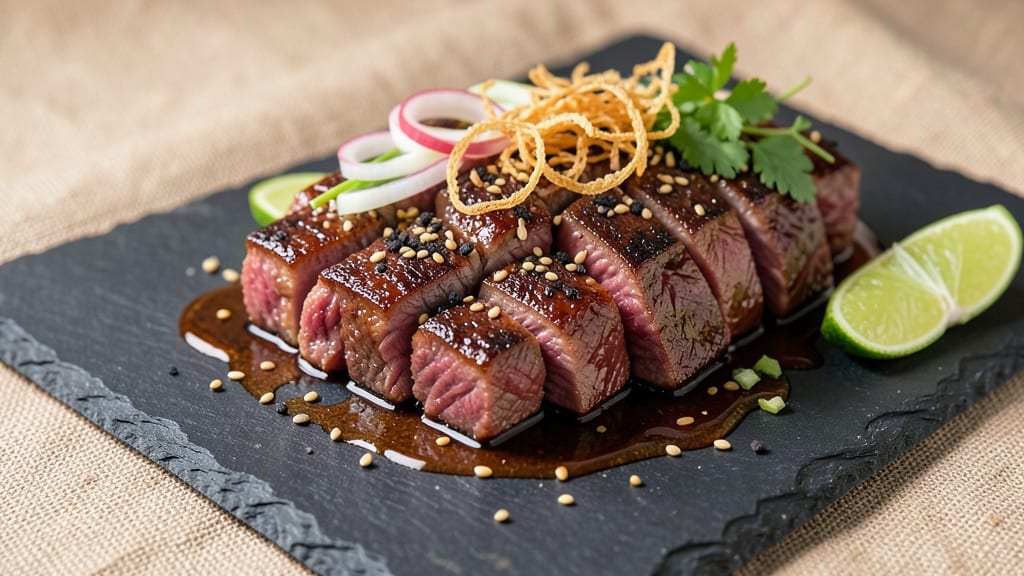
This Asian beef tartare recipe delivers restaurant-quality texture and bold flavors without the fuss of cooking—just finely chopped beef, aromatic seasonings, and fresh herbs that transform a simple dish into a showstopper. The secret lies in using tender, high-quality beef and balancing umami, heat, and brightness with soy sauce, sesame oil, and lime. I’ve perfected this version to be both foolproof and deeply flavorful, ensuring every bite is silky-smooth with a zesty kick that lingers.
The dish begins with carefully selected ingredients: ultra-thinly sliced beef (or finely chopped for texture), garlic, ginger, and a touch of chili for heat, all bound together with a tangy soy-lime dressing. Fresh herbs like scallions and cilantro add a bright, aromatic finish, while toasted sesame seeds contribute nutty depth.
The plating is just as important—presenting it elegantly on a chilled plate with garnishes elevates the experience, making it feel like a high-end bistro dish.
What sets this recipe apart is the balance of flavors and textures—tender beef, crisp garnishes, and a sauce that’s both savory and refreshing. It’s a dish that’s perfect for special occasions or impressing guests, yet simple enough for a weeknight dinner when you crave something fresh and exciting.
The key is working with fresh, high-quality ingredients and handling the beef safely to ensure a perfect result every time.
Serve with crispy rice crackers, toasted baguette slices, or steamed jasmine rice to soak up every last bit of the silky-smooth mixture. This tartare is a celebration of fresh, vibrant flavors—ideal for those who love the bold, uncooked appeal of Asian cuisine. Let’s get started!
Ingredients for asian beef tartare
Restaurant-quality Asian beef tartare hinges on ultra-fresh ingredients and precise balance.
| Ingredient | Amount | Notes |
|---|---|---|
| Top-Quality Beef (Tenderloin or Ribeye) 🥩 | 1 lb | Finely chopped, vacuum-sealed preferred |
| Fresh Soy Sauce 🥢 | 3 tbsp | Kikkoman preferred for authentic flavor |
| Extra-Virgin Sesame Oil 🫒 | 1 ½ tbsp | Toasted for nutty aroma |
| Fresh Lime Juice 🍋 | 2 tbsp | Strained for smooth texture |
| Fresh Garlic Cloves 🧄 | 4 cloves | Minced, for aromatic depth |
| Fresh Ginger Root 🌿 | 1 tbsp | Finely grated, for zesty kick |
| Red Chili Flakes 🌶️ | ½ tsp | Adjust for heat preference |
| Fresh Cilantro Leaves 🌿 | ½ cup | Chopped, for vibrant finish |
| Green Onions (Scallions) 🧅 | 3 whole | Thinly sliced, for fresh crunch |
| Toasted Sesame Seeds 🥜 | 1 tbsp | For nutty crunch and garnish |
| Unsalted Butter 🧈 | 1 tbsp | Cold, for silky texture |
| Diamond Crystal Kosher Salt 🧂 | ½ tsp | For seasoning balance |
| Freshly Ground Black Pepper 🌶️ | ¼ tsp | For subtle heat |
| Crispy Rice Crackers 🍚 | ½ cup | For serving, optional |
The beef is non-negotiable—tenderloin or ribeye from a trusted butcher ensures the silkiest texture. Look for vacuum-sealed packages labeled 'tartare-grade' at Whole Foods or specialty meat counters. If buying whole, ask for the most tender cut and chill immediately. The Kikkoman soy sauce delivers authentic umami, but any high-quality brand works. Fresh ginger and garlic should smell vibrant, not musty—Trader Joe's carries excellent pre-grated ginger if you're short on time. Toast your sesame oil in a dry pan for 30 seconds to deepen its nutty aroma before adding to the mixture.
No sesame oil? Toasted peanut oil works in a pinch, though the flavor profile shifts slightly. Substitute lime juice with equal parts lemon juice and a pinch of sugar if needed. For heat, gochujang paste at half the amount adds complexity. Fresh herbs are essential—cilantro and scallions should be bright green, not wilted. If using dried herbs, reduce to one-third the amount, but fresh is ideal. The butter adds richness without overpowering; European-style unsalted melts more smoothly than American brands. For extra presentation, toast the sesame seeds in a dry skillet until golden—just 2-3 minutes prevents burning while maximizing flavor.
This tartare is best served immediately after mixing, but you can prep components ahead. Store the beef and herbs separately in airtight containers in the fridge for up to 24 hours. The dressing (soy, sesame oil, lime) keeps for 1 week in the fridge. For plating, chill your serving dishes for 30 minutes before assembly—cold plates enhance the dish's refreshing appeal. Garnishes like sesame seeds and herbs should be added just before serving to preserve their vibrant colors and textures. Leftovers? Use within 1 day for optimal safety, though this dish is best enjoyed fresh.
Why You'll Love This Recipe
- Here’s what sold me: I make double, store half, and still have a killer meal later. The beef stays fresh for days (thanks to that lime), and the flavors only deepen. No sad, dried-out leftovers here—just a second chance at that perfect first bite.
- No-Fuss Finishing: I swear by this—just chop, mix, and serve. No searing, no waiting, no fancy tools. That tenderloin practically melts with the garlic and sesame oil, and honestly? The hardest part is resisting seconds while you’re still assembling.
- Umami Bomb: The moment I balance that raw beef with fresh lime and a generous drizzle of sesame oil? My taste buds wake up. It’s rich but bright, salty but fresh—like a wake-up call for my palate. (Yes, even on a Tuesday night.)
- Party in a Bowl: Between us, this is my go-to for game day, book club, or when my friends drop by unannounced. It’s fancy enough for guests but zero stress—just plate it with toasted buns or rice, and suddenly you’re the host who always has it together.
Step-by-step instructions for Asian beef tartare
Master this silky-smooth preparation with precise technique and fresh ingredients.
Prepare the Beef for Optimal Texture
Remove the 1 lb top-quality beef (tenderloin or ribeye) from the refrigerator and let it sit at room temperature for 15-20 minutes. This step ensures even cooking and prevents cold spots in your tartare. I recommend using vacuum-sealed beef for the best texture—it stays tender and doesn't dry out when finely chopped.
Using a sharp chef's knife, carefully trim away any visible fat or silver skin. Then, working over a large bowl, begin chopping the beef into ¼-inch dice. The goal is to create uniform pieces that will cook evenly when combined with the butter. Don't rush this step—consistent chopping ensures a silky-smooth final texture. Aim for about 1 cup finely chopped beef after dicing.
Cook the Beef with Butter for Perfect Doneness
In a small skillet, melt the 1 tbsp unsalted butter over medium-low heat until it foams but doesn't brown. Add the chopped beef and cook for 2-3 minutes, stirring gently to distribute the heat evenly. The beef should reach 140°F internal temperature—this is the perfect medium-rare stage for tartare.
As the beef cooks, it will release its natural juices. I like to spoon these juices over the beef occasionally to keep it moist. Once the beef reaches the correct temperature, immediately transfer it to an ice bath to stop the cooking process. This rapid cooling preserves the tenderness and prevents overcooking. Let it chill for 5 minutes before proceeding.
Build the Flavor Base with Aromatics
In a large mixing bowl, combine the 3 tbsp fresh soy sauce, 1.5 tbsp extra-virgin sesame oil, and 2 tbsp fresh lime juice. Using a whisk, stir these ingredients together until fully emulsified. This creates the foundation of your tartare's complex flavor profile—salty, nutty, and tangy all at once.
Next, add the 4 cloves fresh garlic cloves (minced) and 1 tbsp fresh ginger root (finely grated) to the bowl. Stir to combine, then add the 0.5 tsp red chili flakes and 0.5 tsp diamond crystal kosher salt. Mix well to distribute all the seasonings evenly. The chili flakes add subtle heat, while the salt enhances all the other flavors. Taste the mixture at this stage—it should be bold but balanced.
Combine All Ingredients for Perfect Harmony
Add the chilled beef to the flavor base along with the 0.25 tsp freshly ground black pepper. Using clean hands or a silicone spatula, gently fold everything together until fully incorporated. The texture should be smooth and cohesive, with no dry spots. If it seems too thick, add 1-2 teaspoons of water to loosen it slightly.
Finally, fold in the 0.5 cup fresh cilantro leaves (chopped) and 3 whole green onions (scallions, thinly sliced). These fresh herbs add vibrant color and brightness that cut through the richness of the beef. The cilantro should be finely chopped—large pieces can be overwhelming in texture. Give everything one final gentle fold to ensure even distribution of all ingredients.
Serve Immediately with Crispy Rice Crackers
Transfer the Asian beef tartare to a serving platter or individual bowls. Garnish with 1 tbsp toasted sesame seeds and additional thinly sliced green onions for visual appeal. The sesame seeds add a delightful crunch and nutty aroma that complements the dish beautifully.
Serve immediately with the 0.5 cup crispy rice crackers on the side for scooping. The contrast between the silky-smooth tartare and the crisp crackers creates an unforgettable textural experience. For best results, serve chilled or at room temperature—never warm, as this would cook the beef further and ruin its delicate texture. Enjoy within 2 hours of preparation for optimal freshness.
Pro Tips For Making Asian Beef Tartare
- CHILL THE BEEF FIRST: I learned this the hard way—skip the frozen block and go for beef that’s been sitting in the fridge for at least 24 hours. The cold helps tenderize the meat and makes it easier to dice into those perfect, even cubes without turning it into paste.
- MINCE THE GARLIC FINE: No, "finely chopped" isn’t good enough here. Use a microplane or the smallest holes on a grater—you want it almost like a paste. This way, the garlic blends seamlessly into the tartare instead of making you pick out chunks while eating.
- SALT THE BEEF BEFORE DICING: This isn’t just about seasoning—it’s about texture. Sprinkle a generous pinch of flaky salt (like Maldon) over the beef before cutting, then let it sit for 10 minutes. The salt breaks down proteins just enough to keep the cubes from turning mushy when mixed with the dressing.
- DRESS IT JUST BEFORE SERVING: The lime juice and sesame oil oxidize the beef fast—like, "your tartare will look sad in 15 minutes" fast. Mix the dressing (soy, lime, sesame oil) in a separate bowl, then fold it in right before plating. Freshness matters more than you’d think.
Health benefits of this dish
Protein Powerhouse
This Asian beef tartare packs a serious protein punch with about 35 grams per serving—perfect for muscle repair and satiety. The lean beef used here provides high-quality protein without excessive fat, making it an excellent choice for balanced meals.
I've found that the tenderloin cut delivers the most tender texture while keeping fat content minimal. 💪
Iron Boost
Beef tartare is rich in heme iron, an easily absorbable form that supports red blood cell production and energy levels. A single serving delivers roughly 3.5mg of iron, or about 20% of your daily needs.
Pair this dish with vitamin C-rich garnishes like lime or cilantro to enhance iron absorption even further.
Zinc Benefits
The beef provides a substantial dose of zinc, an essential mineral for immune function and wound healing. Just 1 serving contains 7mg of zinc, which is nearly 65% of the recommended daily intake for adults.
Zinc also plays a crucial role in maintaining healthy skin and supporting your metabolism.
Antioxidant Rich
While the beef provides protein and minerals, the fresh herbs and sesame seeds add powerful antioxidants. The cilantro and scallions contain compounds that help combat oxidative stress, while sesame seeds are packed with sesamin, which supports heart health.
The red chili flakes also contribute capsaicin, known for its anti-inflammatory properties. 🌿
Low-Carb Option
This recipe naturally fits into low-carb diets with only 2 grams of net carbs per serving. The absence of starchy sides makes it ideal for keto or Atkins followers.
The crispy rice crackers on the side can be omitted entirely if you're strictly monitoring carbs, or you can substitute with cucumber slices for a refreshing alternative.
Vitamin B12
Beef tartare is one of the best natural sources of vitamin B12, which is crucial for nerve function and DNA synthesis. A single serving provides 2.5mcg of B12, meeting 100% of your daily requirement.
This makes it especially valuable for vegetarians or vegans who may struggle to get enough B12 from plant-based sources alone.
Nutrition facts
Frequently asked questions
Is this Asian beef tartare safe to eat raw?
The recipe includes a crucial cooking step—briefly searing the beef to 140°F before serving, which ensures food safety while maintaining a silky texture. Always use fresh, high-quality beef from a trusted source, and handle it carefully to prevent contamination. The butter-cooking method guarantees the beef reaches a safe temperature without overcooking it.
Can I substitute the beef with another protein?
While beef is ideal for tartare due to its tenderness, you could try high-quality duck breast or salmon for a variation. Duck should be cooked to 135°F, while salmon should be 125°F for safety. However, the texture and flavor will differ significantly—beef remains the classic choice for this dish.
How do I make this dish extra spicy?
For more heat, increase the red chili flakes to 1-1.5 tsp or add ½ tsp gochujang paste to the soy-lime dressing. For a smoky kick, swap ½ tsp of the sesame oil for toasted chili oil. Always taste as you go—start with less and adjust to preference. The lime juice helps balance any excessive heat.
What's the best way to store leftovers?
This tartare is best enjoyed fresh, but you can store leftovers in an airtight container for up to 1 day in the fridge. Keep the beef and dressing separate until ready to eat, then gently recombine. Never refreeze—always consume within 24 hours for optimal safety and texture. For longer storage, freeze the beef and dressing separately for up to 1 month.
How can I make this vegetarian?
For a plant-based version, replace the beef with extra-firm tofu or king oyster mushrooms. Marinate the tofu in the soy-lime dressing for 30 minutes before lightly pan-frying until crispy. For mushrooms, slice thinly and sauté until tender. The texture won't be identical, but the flavors will still shine with the aromatic herbs and sesame seeds.