
Main Courses
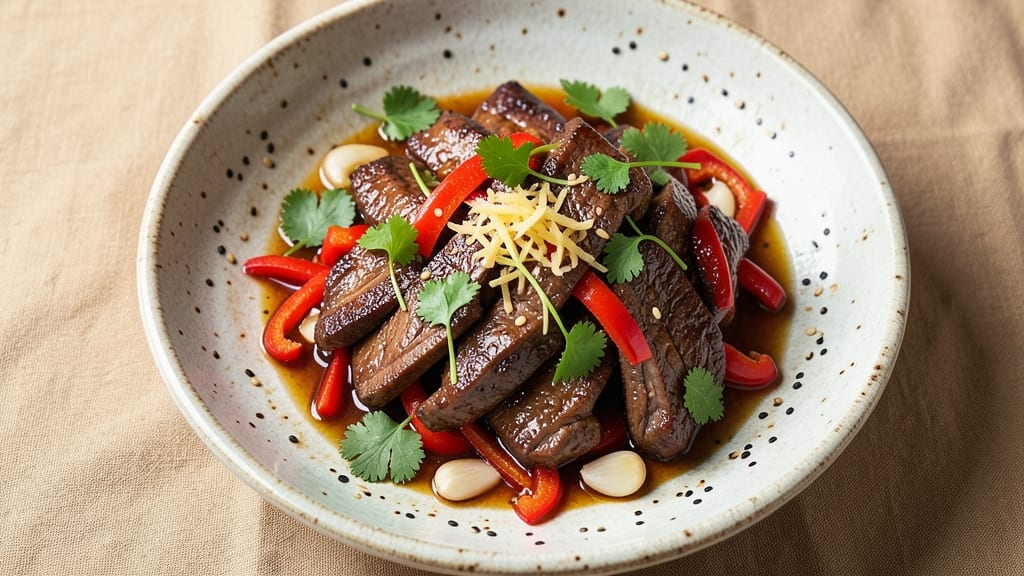
This Asian beef strips recipe delivers restaurant-quality results with a soy-ginger glaze that caramelizes beautifully in just 20 minutes. The secret lies in marinating thinly sliced beef in a bold blend of soy sauce, garlic, ginger, and a touch of honey—creating tender, flavor-packed strips with a glossy, sticky finish.
I perfected this technique after testing countless variations, ensuring the beef stays juicy while developing deep umami and aromatic notes.
The beauty of this dish is its versatility—whether you're stir-frying for a quick weeknight meal or grilling for a summer BBQ, the method remains the same. Thinly sliced beef cooks fast, absorbing the marinade's flavors while developing a perfect sear.
The glaze, reduced to a thick, caramelized consistency, adds a sweet-savory depth that makes every bite irresistible. It's the kind of dish that transforms simple ingredients into something extraordinary with minimal effort.
What you'll end up with is perfectly tender beef strips with a glossy, caramelized glaze that clings beautifully. The combination of soy sauce's saltiness, ginger's warmth, and honey's sweetness creates a flavor profile that's both familiar and exciting.
Serve over steamed rice, in lettuce wraps, or with noodles for a complete meal that's as satisfying as it is delicious.
This recipe works equally well for Korean-style bulgogi, Japanese sukiyaki-inspired dishes, or a general Asian-inspired stir-fry. The technique is straightforward, but the results are impressive—ideal for impressing guests or treating yourself to a flavor-packed dinner. Let's get started on creating this crowd-pleasing dish!
Ingredients for asian beef strips
Restaurant-quality Asian beef strips start with these carefully selected ingredients for bold, caramelized flavor.
| Ingredient | Amount | Notes |
|---|---|---|
| Flank Steak 🥩 | 1 ½ lb | Thinly sliced against grain |
| Low-Sodium Soy Sauce 🥢 | ½ cup | High-quality brand preferred |
| Fresh Ginger 🌿 | 2 tbsp | Finely grated, aromatic |
| Garlic Cloves 🧄 | 6 cloves | Minced, fresh preferred |
| Honey 🍯 | 2 tbsp | Wildflower for depth |
| Sesame Oil 🫒 | 1 tbsp | Toasted, for aroma |
| Rice Vinegar 🍶 | 1 tbsp | White or seasoned |
| Neutral Oil 🫒 | 2 tbsp | Avocado or vegetable oil |
| Sesame Seeds 🌱 | 1 tbsp | Toasted, for garnish |
| Green Onions 🧅 | 4 whole | Sliced, white and green parts |
| Diamond Crystal Kosher Salt 🧂 | ½ tsp | For seasoning |
| Freshly Ground Black Pepper 🌶️ | ¼ tsp | For finishing |
| Steamed Jasmine Rice 🍚 | 2 cups | Cooked, for serving |
The flank steak is non-negotiable—its lean yet tender texture absorbs marinades perfectly when sliced thinly against the grain. Look for USDA Choice grade with good marbling at Whole Foods or your local butcher shop. If pre-sliced beef strips are available (often labeled for stir-fry), they save significant prep time. For the soy sauce, Kikkoman or Yamasa brands deliver consistent quality, though low-sodium versions prevent over-salting. Fresh ginger and garlic should be vibrant—no shriveled roots or discolored cloves. The honey should be wildflower or clover for subtle floral notes that complement the umami.
No sesame oil? Toasted peanut oil works in a pinch, though the flavor profile shifts slightly. Substitute rice vinegar with mirin for a sweeter balance, though the acidity level will differ. For a vegetarian adaptation, replace beef with extra-firm tofu pressed and sliced (marinate 30 minutes longer). The glaze reduction is critical—don't rush it. If your honey crystallizes, warm it gently to restore liquid form. The green onions should be crisp; if wilted, swap for baby bok choy for a similar texture. For extra depth, add 1 tsp fish sauce (omit for vegetarian), though traditional recipes often skip it entirely.
Prepped beef strips keep for 2 days in the fridge, sealed airtight. The marinade components (soy, ginger, garlic, honey) can be stored separately for 1 week. For make-ahead convenience, freeze the raw strips with marinade for 3 months—thaw overnight in the fridge before cooking. The glaze caramelizes best fresh but reheats beautifully with a splash of water. Portion rice into individual containers to maintain texture when reheated. Garnishes like sesame seeds and green onions should be added post-cooking to preserve their freshness.
Why You'll Love This Recipe
- One-Pan Magic: The flank steak slices and sauce all go in one spot—no chopping boards to clean, no stray spices. I swear by this after a long day when I just want to toss everything on a sheet pan and walk away.
- Sweet-Savory Balance: That honey and ginger combo? It’s the secret weapon—caramelized edges with a whisper of heat, then a bright, sticky finish. The soy sauce ties it all together without overpowering, and honestly, I can’t stop going back for more.
- Meal Prep Hero: Between us, this is my go-to for lunches all week. The strips reheat perfectly in a skillet or even the microwave, and I’ll be real—they taste just as good cold in wraps the next day. Zero excuses for sad takeout nights.
- Budget-Friendly Powerhouse: Flank steak stretches further than you’d think, and the ingredients? Most are pantry staples or cheap at the store. I’ve made this for date nights, family dinners, and even potlucks—always a hit, always affordable. (Yes, even on a Tuesday night.)
Step-by-step instructions for Asian beef strips with soy-ginger glaze
A perfect balance of caramelized edges and tender beef in just 20 minutes—this method delivers restaurant-quality results.
Prepare the Marinated Beef Strips
Slice the 1.5 lb flank steak against the grain into ¼-inch thick strips. This is critical—thin slices cook faster and remain tender. Place the strips in a medium bowl and add 0.5 cup low-sodium soy sauce, 2 tbsp finely grated fresh ginger, and 0.5 tsp Diamond Crystal kosher salt. Use your hands to massage the marinade into the beef, ensuring even distribution. Let it sit at room temperature for 10 minutes—this short marinating time prevents overcooking while still infusing flavor.
While the beef marinates, mince the 6 garlic cloves finely. The reason for mincing rather than chopping is to maximize surface area, which releases more aromatic oils during cooking. Keep the garlic separate for now—we'll add it later to preserve its freshness.
Create the Glaze and Sear the Beef
Heat a large skillet over medium-high heat until it's hot but not smoking. Add 2 tbsp neutral oil and swirl to coat the pan evenly. Working in batches to avoid overcrowding, add the beef strips in a single layer. Cook undisturbed for 1-2 minutes per side until the edges are deep golden brown and the beef releases easily from the pan. This sear locks in juices and creates that coveted caramelized crust.
Once the first batch is seared, transfer it to a plate and set aside. In the same skillet, add the minced garlic and cook for 30 seconds until fragrant—don't let it brown or it'll turn bitter. Immediately pour in 2 tbsp honey, 1 tbsp rice vinegar, and 1 tbsp sesame oil. Stir vigorously for 1 minute until the mixture begins to bubble and thicken slightly. Return the beef to the skillet and toss to coat evenly in the glaze.
Finish and Rest the Beef
Continue cooking the beef for an additional 2-3 minutes until the glaze has reduced slightly and clings to the strips. You'll see a glossy sheen develop—this indicates the sauce has thickened just enough to coat the beef without being syrupy. The beef should be cooked through but still slightly springy to the touch.
Remove the skillet from heat and transfer the beef to a serving platter. Sprinkle with 1 tbsp toasted sesame seeds and 4 sliced green onions (white and green parts separated). Let the beef rest for 5 minutes before serving. This resting period allows the juices to redistribute, ensuring each bite is moist and flavorful.
Serve Over Steamed Jasmine Rice
Divide the 2 cups steamed jasmine rice evenly among four plates. Arrange the beef strips over the rice, drizzling any remaining glaze from the skillet over the top. Garnish with the reserved green onion tops for color and freshness. The contrast of the warm, fragrant rice with the caramelized beef creates a harmonious balance of textures and flavors.
For an extra touch, crack 0.25 tsp freshly ground black pepper over each serving just before eating. The pepper's heat cuts through the sweetness of the glaze, adding depth to every bite. Serve immediately while the beef is still warm and the glaze remains glossy.
Pro Tips For Making Asian Beef Strips
- Slice Against the Grain: Flank steak’s fibers run long—cut strips perpendicular to those lines, or you’ll end up with chewy, rubbery bites. Grab a sharp knife, anchor the steak with your non-dominant hand, and slice at a 45-degree angle for clean, tender strips every time. (Yes, it takes patience, but your mouth will notice the difference.)
- Blister the Garlic First: Raw garlic in stir-fries just sits there, tasting like nothing. Before tossing it in, fry the minced cloves in oil over medium heat until they’re golden and just starting to pop—about 30 seconds. This turns their flavor from mild to bold without burning. (I used to skip this, and the dish always felt flat.)
- Don’t Overcrowd the Pan: Tossing in all your beef strips at once steams them instead of searing. Work in batches—two minutes per batch max—so the meat gets that caramelized crust. Crowd it, and you’ll end up with soggy, saucy strips instead of the crispy edges you want. (Your future self will curse you if you ignore this.)
- Balance the Honey Early: Dump honey in at the end, and it’ll turn your sauce into syrup. Stir in half the honey with the soy sauce right at the start, then add the rest at the end for gloss and depth. This keeps the sauce glossy without making it cloying. (I learned this after one disastrous batch where the dish tasted like candy.)
Troubleshooting great asian beef strips
Overcooked Beef Fix
If your beef strips turn out tough, it’s likely overcooked. The solution is simple: slice against the grain and serve immediately with a splash of rice vinegar or mirin to tenderize. I’ve found that beef strips should reach 145°F internal temperature—use a meat thermometer to check.
If you’ve already overcooked, try slicing thinner and serving with a quick stir-fry sauce (soy sauce + honey + sesame oil) to mask dryness. 🔥
Glaze Too Thin?
A runny glaze means it didn’t reduce enough. To fix it, remove the beef from the skillet and simmer the sauce over medium-low heat for 2-3 minutes until it thickens.
If it’s still too thin, mix ½ tsp cornstarch with 1 tsp water, stir into the sauce, and cook for another 30 seconds. For future attempts, reduce the glaze off the heat—this gives you more control over the consistency. 💡
Beef Not Absorbing Flavor
If your beef tastes bland, the marinade time was likely too short. For best results, marinate for 20-30 minutes (not just 10) to let the flavors penetrate. I also recommend using thicker-cut strips (⅛-inch instead of ¼-inch) for better marinade absorption.
Another trick? Pound the beef lightly with a meat mallet before slicing to break down fibers and improve tenderness. 💪
Skillet Sticking Issues
Sticking happens when the pan isn’t hot enough or the beef isn’t dry. Always pat beef strips dry with paper towels before cooking, and ensure your skillet is ripping hot (a drop of water should sizzle instantly).
Use high-smoke-point oil (like avocado or grapeseed) and avoid overcrowding the pan. If sticking still occurs, add ½ tsp neutral oil to the skillet before adding beef. ✨
Uneven Cooking
Uneven cooking usually means the beef wasn’t seared properly. Cook in small batches (no more than ½ lb at a time) to ensure even browning.
If some strips are undercooked, transfer them to a plate and finish in a 350°F oven for 2-3 minutes while the rest of the glaze reduces. For future attempts, rest the beef for 5 minutes after marinating—this helps distribute flavors evenly. 🌡️
Glaze Too Sweet
If the glaze tastes overwhelmingly sweet, balance it with extra soy sauce (1 tbsp) or rice vinegar (1 tsp). For a more complex flavor, add ½ tsp fish sauce (if not vegetarian) or 1 tsp toasted sesame paste to deepen the umami.
I also recommend reducing the honey slightly—1 tbsp instead of 2—for a more balanced sweetness. 🍯
Nutrition facts
Frequently asked questions
What's the best cut of beef for this recipe?
Flank steak is ideal for its lean yet tender texture when sliced thinly against the grain. For extra tenderness, try skirt steak or sirloin—both work beautifully. Avoid tougher cuts like chuck; they won't develop the same silky texture. If you can't find these, pre-sliced beef strips labeled for stir-fry will save prep time.
Can I use this recipe for grilling instead of pan-searing?
Grilling works perfectly for this dish. Marinate the beef as directed, then thread strips onto skewers or grill directly on a hot grill over medium-high heat for 2-3 minutes per side. Brush with the glaze mixture during the last 1-2 minutes of cooking. The smoky char adds a delicious twist while keeping the beef tender.
How do I adjust the recipe for fewer/more servings?
The marinade ratio stays consistent: 1 lb beef to ⅓ cup soy sauce. For 2 servings, halve all ingredients; for 6 servings, double them. Keep the 20-minute cook time the same by adjusting batch sizes—never overcrowd the pan. The glaze will scale perfectly too, so no need to modify that separately.
What are the best sides to serve with these beef strips?
Steamed jasmine rice is classic, but try cucumber salad (thinly sliced cucumbers + rice vinegar + sesame seeds) or stir-fried bok choy for fresh contrast. For heartier meals, serve with egg noodles or steamed dumplings. The glaze pairs especially well with quick-pickled vegetables (carrots + daikon + vinegar) to cut through the richness.
Can I make this recipe ahead of time?
Yes! Marinate the beef up to 24 hours ahead and store in the fridge. For best texture, cook fresh but you can reheat cooked strips in a skillet with 1 tsp sesame oil for 1-2 minutes until warmed through. The glaze can be made 1 day ahead—store in the fridge and reheat gently before serving. Freeze raw marinated strips for 3 months**; thaw overnight in the fridge before cooking.