
Soups & Stews
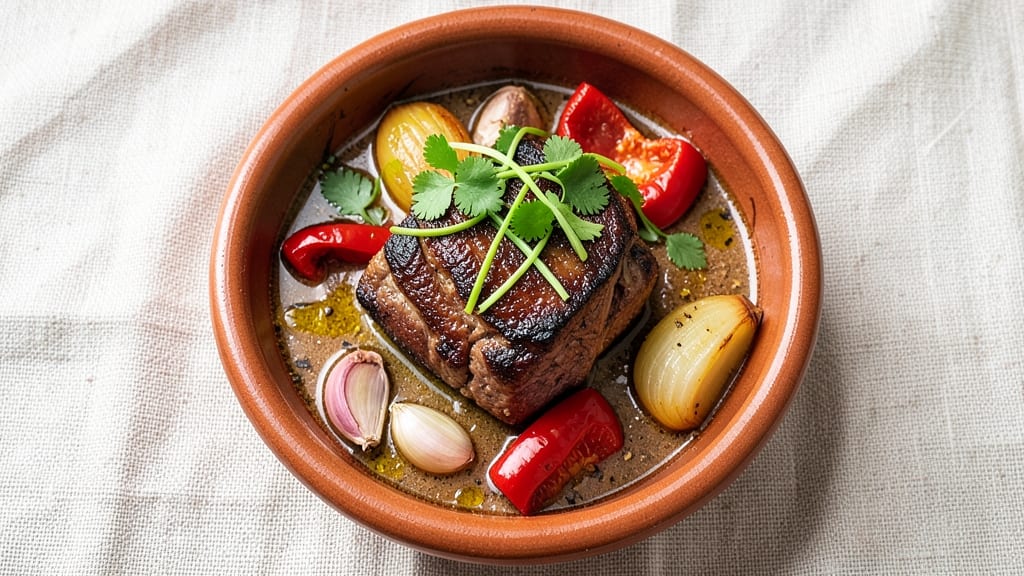
This Arabic beef stew recipe transforms tough cuts into melt-in-your-mouth tenderness with layers of warm spices like cumin and cardamom. The slow simmering process unlocks deep, aromatic flavors that define Middle Eastern cuisine, creating a dish that feels both comforting and sophisticated.
What makes this recipe special is how the spices develop complexity over time, turning simple ingredients into something extraordinary.
The foundation of this stew lies in its spice blend—cumin for earthiness, cardamom for floral notes, and cinnamon for warmth. These spices are toasted first to release their essential oils, which infuse the beef and vegetables with rich, aromatic depth.
The dish comes together in one pot, making it approachable for home cooks while delivering restaurant-quality results.
By the end, you'll have a hearty stew with tender beef, caramelized onions, and a sauce that's thickened just enough to coat every bite.
The aroma alone will fill your kitchen with the inviting scent of spices and slow-cooked meat, making it perfect for a cozy family dinner or a gathering with friends.
Serve it with crusty bread to soak up the flavorful sauce or alongside rice for a complete meal. The versatility of this stew means it can be enjoyed as a main dish or paired with other Middle Eastern sides like tabbouleh or hummus.
Let's get started on creating this flavorful masterpiece.
Ingredients for arabic beef stew
Warm spices and tender beef create a rich, aromatic stew that defines Middle Eastern comfort food.
| Ingredient | Amount | Notes |
|---|---|---|
| Chuck Roast 🥩 | 2 ½ lb | Bone-in for flavor, cut into 1.5-inch cubes |
| Yellow Onions 🧅 | 2 whole | Medium size, thinly sliced |
| Garlic Cloves 🧄 | 6 cloves | Peeled, roughly chopped |
| Ground Cumin 🌿 | 2 tbsp | Toasted for deeper aroma |
| Ground Cardamom 🌶️ | 1 tsp | Freshly ground preferred |
| Ground Cinnamon 🌶️ | 1 tsp | Sweet variety for balance |
| Turmeric Powder 🌶️ | ½ tsp | For vibrant color and earthiness |
| Carrots 🥕 | 4 whole | Medium size, cut into chunks |
| Tomato Paste 🍅 | 2 tbsp | Squeeze tube preferred |
| Diced Tomatoes 🍅 | 14 ½ oz | Canned, no salt added |
| Beef Broth 💧 | 3 cups | Low-sodium preferred |
| Olive Oil 🫒 | 2 tbsp | Extra-virgin for richness |
| Salt 🧂 | 1 ½ tsp | Kosher or sea salt |
| Black Pepper 🌶️ | ½ tsp | Freshly ground preferred |
| Fresh Parsley 🌿 | ¼ cup | Chopped, for garnish |
The chuck roast is key—its marbling ensures rich flavor and tender results. Look for well-marbled cuts at your local butcher or the meat department. If you can't find chuck, brisket or short ribs work beautifully too. For the spices, Penzeys or Middle Eastern specialty stores carry the best quality, but the bulk section at Whole Foods is a solid budget option. Cardamom loses potency quickly, so buy it whole and grind fresh if possible—it makes all the difference in the stew's floral depth. The onions and carrots should be firm and vibrant; organic produce has the best flavor here.
No cardamom? Substitute half the amount with cinnamon for warmth, though the floral note will be missing. Running low on beef broth? Water plus 1 tbsp soy sauce works in a pinch. The tomato paste can be swapped for 1 cup crushed tomatoes, but paste gives that concentrated umami punch. For a deeper spice profile, add a pinch of coriander or allspice. The diced tomatoes should be no-salt-added—Muir Glen or Hunts brands are reliable. If using fresh tomatoes, roast them first for a sweeter flavor. The olive oil should be extra-virgin; California or Italian varieties have the best fruity notes for this dish.
This stew tastes even better the next day as flavors meld. Store leftovers in an airtight container in the fridge for up to 5 days, or freeze for 3 months. I like to portion it into containers for easy lunches—just reheat with a splash of water. The spices keep for 6 months in a cool, dark place, but toast them fresh before each use for maximum flavor. Fresh parsley wilts fast, so store it wrapped in damp paper towels in the fridge. For a restaurant-quality touch, serve with crusty bread or over basmati rice.
Why You'll Love This Recipe
- One-Pot Magic: I swear by this—just toss everything into a Dutch oven, walk away, and come back to layers of flavor. No fancy techniques, no stress, just a slow simmer that turns tough beef into melt-in-your-mouth perfection.
- Spice Bomb Flavor: That cumin and cardamom combo? It’s like a warm hug for your taste buds. The onions caramelize into sweetness, while the garlic cloves deepen into something rich and aromatic—every bite tastes like a little trip to the Middle East.
- Weeknight Hero: Between us, this is my go-to when I don’t want to slave over dinner. Feed four people or just yourself—it reheats beautifully, and honestly? The leftovers are even better the next day, packed with more flavor from the overnight rest.
- Budget Stretch: Chuck roast is cheap, but it feels fancy. A single cut feeds a family for days, and the spices are a fraction of what takeout would cost. I’ll be real: I’ve made this twice in one week, and my wallet hasn’t complained once.
Step-by-step instructions for Arabic beef stew
This aromatic stew builds layer upon layer of spice, starting with a richly toasted base.
Sear the Chuck Roast for Deep Flavor
Pat the 2.5 lb chuck roast dry with paper towels—this ensures a proper sear. Heat 2 tablespoons olive oil in a heavy Dutch oven over medium-high heat until shimmering. Working in batches if needed, add the beef cubes and sear for 3-4 minutes per side until they develop a deep golden-brown crust.
Don't overcrowd the pan—this prevents the temperature from dropping and guarantees that caramelized crust. Once all pieces are browned, remove them from the pot and set aside. You'll notice the aromatics intensifying as the meat releases its natural juices into the pot.
Toast Spices and Sauté Aromatics
In the same Dutch oven, reduce heat to medium and add 2 tablespoons ground cumin, 1 teaspoon ground cardamom, 1 teaspoon ground cinnamon, and 0.5 teaspoon turmeric powder. Toast the spices for 1-2 minutes, stirring constantly, until they release their fragrant oils and darken slightly. This step is crucial—it deepens the spice complexity.
Add the 2 whole yellow onions and 6 cloves garlic cloves, stirring to coat them in the spice mixture. Cook for 5-6 minutes until the onions soften and turn translucent. Here's where the magic happens: the spices infuse into the onions, creating a flavorful base for the stew. If the onions begin to brown too quickly, reduce heat to medium-low to prevent burning.
Build the Stew Base
Stir in 2 tablespoons tomato paste and cook for 1 minute to cook off the raw taste. Add the 14.5 oz diced tomatoes (with juices), 3 cups beef broth, 1.5 teaspoons salt, and 0.5 teaspoon black pepper. Return the beef to the pot, ensuring it's fully submerged in the liquid. Bring to a gentle boil over high heat, then immediately reduce to low heat and cover with a lid.
The goal here is to maintain a simmer, not a boil. This ensures the beef cooks evenly without toughening. Add the 4 whole carrots now—they'll soften gradually as the stew develops. Let it cook uncovered for 1 hour, stirring occasionally to prevent a skin from forming on top.
Simmer Until Tender
After the initial hour, check the beef for tenderness. Use a fork to test a piece—it should be fork-tender but still hold its shape. If it's not quite there, continue simmering uncovered for another 30-45 minutes, adding a splash of water if needed to maintain the liquid level. The stew should reduce slightly, intensifying the flavors.
Once the beef is tender, taste and adjust seasoning. You might need to add a pinch more salt or a dash of black pepper, depending on your broth. The stew should be rich, aromatic, and well-balanced between the spices and acidity from the tomatoes. If the carrots aren't tender enough, remove them and return them to the pot for the final 10 minutes of cooking.
Finish and Garnish
Remove the stew from heat and let it rest for 5 minutes. This allows the flavors to meld and the juices to redistribute. Stir in the 0.25 cup fresh parsley just before serving—this adds a bright, fresh contrast to the deep, spiced flavors. The parsley should be finely chopped to distribute evenly throughout the stew.
Serve the stew hot, ladled over steamed rice or crusty bread to soak up the rich sauce. Each bite should deliver a harmonious blend of tender beef, sweet carrots, and aromatic spices. The stew tastes even better the next day as the flavors continue to develop, so it's perfect for meal prep or leftovers.
Pro Tips For Making Arabic Beef Stew
- Brown the Chuck Roast: Don’t skip this step—it’s the foundation of flavor. Sear the meat in small batches over medium-high heat until deep brown, about 3-4 minutes per side. I learned this the hard way: skipping the sear means a stew that tastes more like a braise than a rich, aromatic dish.
- Char the Onions: Cut the yellow onions into thick slices and cook them slowly until the edges blacken slightly. This caramelization adds depth that raw or lightly cooked onions can’t match. (Yes, even if it looks burnt—it’s not. Taste it.)
- Toast the Spices: Bloom the cumin and cardamom in the pot for 30 seconds before adding liquid—this releases their oils and intensifies their flavor. I used to just dump them in, and the stew never had that warm, earthy punch.
- Deglaze with Vinegar: After browning the meat, splash in 2 tablespoons of white vinegar or lemon juice. It cuts through the richness and lifts the flavors off the bottom of the pot. (Your future self will notice the difference.)
Common mistakes when making this recipe
Skipping Spice Toasting
This is the biggest mistake—skipping the spice toasting step robs your stew of depth. When you toast cumin, cardamom, and cinnamon for 1-2 minutes, you release their essential oils, which create that signature aromatic complexity. I’ve made this stew both ways, and the difference is night and day.
The toasted spices develop a nutty, almost smoky quality that transforms a good stew into a great one. Don’t rush this step—patience here pays off in flavor.
Overcrowding the Pot
Adding all the beef at once can lower the pan’s temperature, preventing proper searing and leading to uneven cooking. Work in batches—3-4 minutes per side at medium-high heat—to ensure a deep golden crust on each piece.
This crust locks in juices and adds rich flavor. I’ve seen home cooks skip this and end up with bland, gray beef. Trust me, the extra 5-10 minutes of patience makes all the difference.
Boiling Instead of Simmering
Boiling your stew causes the beef to toughen and the sauce to become watery. After adding the broth, bring it to a gentle simmer (small bubbles, not a rolling boil) and keep it there. The goal is to cook the beef slowly and evenly.
I’ve had stews turn out mushy because of aggressive boiling. If you see a skin forming, stir it down or add a splash of water—just don’t let it boil.
Underseasoning the Broth
Many home cooks shy away from adding enough salt early on, assuming they can adjust later. But spices like cardamom and cinnamon need time to develop, and the broth’s flavor should support them.
Start with 1.5 teaspoons of salt and taste as you go—you can always add more, but you can’t take it out. I’ve had stews that needed an extra pinch of salt at the end, but it’s better to err on the side of seasoning now rather than playing catch-up later.
Ignoring the Resting Time
Letting the stew rest for 5 minutes off the heat before serving might seem trivial, but it’s crucial. This allows the juices to redistribute, ensuring each bite is moist and flavorful. Skipping this step can leave you with dry beef and a thinner sauce.
I’ve had guests ask why their stew tastes "watery"—it’s because they served it too soon. Give it that final rest, and you’ll notice the difference in texture and taste.
Using Pre-Ground Spices
Freshly ground spices—especially cardamom—make a world of difference. Pre-ground spices lose potency quickly, and their flavor fades over time. If you must use pre-ground, toast them extra long (2-3 minutes) to revive some of their aroma.
I keep whole cardamom pods in my spice drawer and grind them fresh when needed. The floral, citrusy notes they add are worth the effort—it’s the secret to that authentic Middle Eastern taste.
Nutrition facts
Frequently asked questions
Can I use a slow cooker for this Arabic beef stew?
For a slow cooker version, brown the beef first in a skillet, then transfer everything to the slow cooker. Cook on low for 7-8 hours or high for 4-5 hours. The slow cooking enhances the spice flavors even more. Just add a splash of water if needed to maintain moisture.
What's the best way to store leftovers?
Store leftovers in an airtight container in the fridge for up to 5 days. The flavors actually improve overnight! For freezing, portion into containers and freeze for up to 3 months. Thaw in the fridge overnight before reheating gently on the stove with a splash of water.
Can I make this stew with ground beef instead of chuck roast?
Yes, but the texture will be different. Use 1.5 lbs of ground beef and cook it with the spices until browned before adding liquids. The cooking time will be shorter (45-60 minutes total), but you'll lose the tender, melt-in-your-mouth quality of slow-cooked roast beef. For best results, stick with chuck roast or brisket.
How can I make this stew spicier? Add ½ teaspoon cayenne pepper or 1 teaspoon harissa paste when toasting the spices. For heat without dryness, stir in 1 chopped red chili pepper with the onions.
What are good side dishes to serve with this stew?
Try warm pita bread or crusty sourdough for dipping, fluffy basmati rice, or couscous for a complete meal. For extra authenticity, add a simple tabbouleh salad or roasted eggplant. The bright acidity of lemon wedges also cuts through the richness beautifully.