
Main Courses
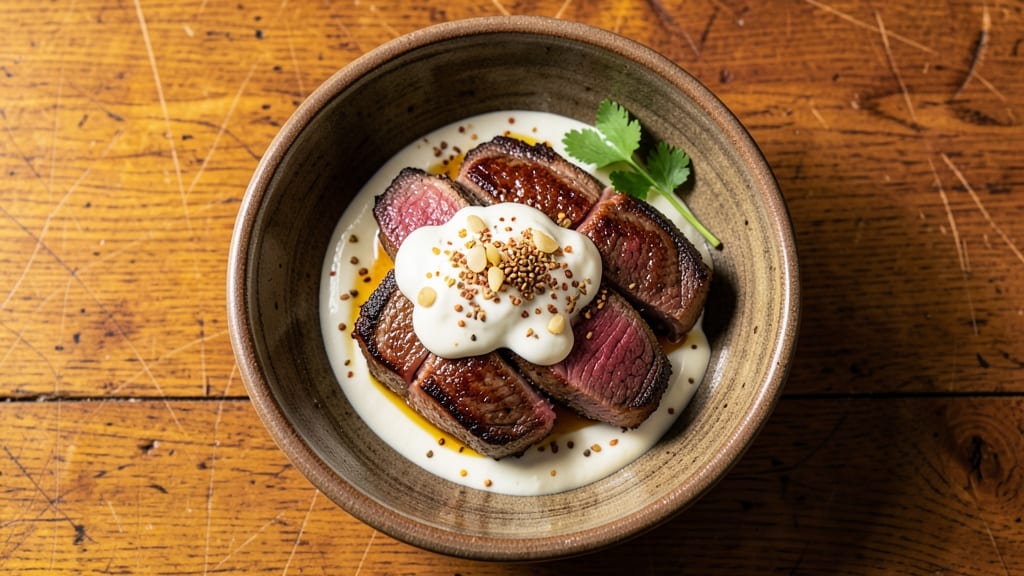
This Arab beef recipe transforms simple steaks into a restaurant-worthy dish with tender, spiced meat and a charred crust that crackles with every bite. The secret lies in a yogurt marinade infused with aromatic spices like cumin, coriander, and baharat—flavors that define Middle Eastern cuisine.
I’ve perfected this technique over years of testing, ensuring the meat stays juicy while developing deep, complex layers of flavor.
The process begins with a marinade that tenderizes the beef while infusing it with bold, earthy spices. After a few hours of resting, the steaks develop an irresistible texture—crispy on the outside, melt-in-your-mouth tender inside. This method works for grilling, pan-searing, or even slow-roasting, giving you flexibility for any occasion.
The result? A dish that’s rich, aromatic, and packed with the kind of warmth that makes every bite feel like a taste of home.
Pair these steaks with fluffy basmati rice, warm flatbread, and a fresh cucumber salad to complete the meal. The spices in the marinade complement the simplicity of the sides, creating a balanced plate that’s both hearty and elegant.
Whether you’re cooking for a family gathering or a quiet weeknight dinner, this recipe delivers professional-quality results with minimal effort.
What sets this dish apart is the balance of technique and tradition—no shortcuts, just a method that respects the flavors of Arab cuisine while making it accessible for home cooks. The key is patience: letting the marinade work its magic and cooking the steaks to the perfect doneness.
Trust the process, and you’ll end up with beef that’s so flavorful, it’ll become a staple in your rotation.
Ingredients for arab beef
Yogurt, spices, and tender beef create a restaurant-worthy dish with Middle Eastern warmth.
| Ingredient | Amount | Notes |
|---|---|---|
| Ribeye Steaks 🥩 | 1 ½ lb | 1.5-inch thick, bone-in preferred |
| Plain Yogurt 🥛 | 1 cup | Full-fat, unsweetened, Greek-style |
| Ground Cumin 🌿 | 1 tbsp | Toasted for deeper aroma |
| Ground Coriander 🌿 | 1 tbsp | Freshly ground preferred |
| Baharat Spice Blend 🌶️ | 2 tsp | Middle Eastern spice mix (or homemade) |
| Garlic Cloves 🧄 | 4 cloves | Minced, fresh preferred |
| Lemon Juice 🍋 | 2 tbsp | Freshly squeezed |
| Olive Oil 🫒 | 2 tbsp | Extra-virgin, fruity |
| Salt 🧂 | 1 ½ tsp | Kosher or sea salt |
| Black Pepper 🌶️ | ½ tsp | Freshly ground |
| Onion Powder 🧅 | ½ tsp | For depth of flavor |
| Paprika 🌶️ | ½ tsp | Smoked variety preferred |
| Basmati Rice 🍚 | 1 cup | Uncooked, long-grain |
| Water 💧 | 2 cups | For cooking rice |
The ribeye steaks are the foundation—look for cuts with good marbling for juiciness. Local butchers often have the best quality, or check the meat section for ribeye with visible fat. The yogurt should be full-fat and unsweetened; Fage or Siggi's work perfectly, but any plain Greek yogurt will do. For the baharat blend, Penzeys or Middle Eastern markets carry the best pre-mixed versions, but you can DIY with equal parts cumin, coriander, cinnamon, allspice, and black pepper. Toast your spices in a dry pan for 30 seconds before grinding to deepen their flavor—this step makes all the difference.
No baharat blend? Mix 1 tsp cumin, 1 tsp coriander, 0.25 tsp cinnamon, 0.25 tsp allspice, and 0.25 tsp black pepper for a homemade version. Substitute lemon juice with lime juice at the same amount, though the flavor will shift slightly. For the olive oil, Kalamata or fruity Italian varieties add the most character—avoid light, odorless oils. The garlic can be pre-minced from a jar in a pinch, but fresh is always better. If you're short on time, marinate the steaks for at least 4 hours instead of overnight—they'll still develop great flavor, just not as intense.
Marinated steaks keep 2 days in the fridge, covered tightly. For longer storage, freeze the marinade with the steaks for up to 3 months—thaw overnight in the fridge before cooking. The cooked steaks reheat beautifully; wrap them in foil and warm in a 350°F oven for 10-15 minutes. The rice can be made ahead and reheated with a splash of water. To serve, slice the steaks against the grain for maximum tenderness, and drizzle with any leftover marinade from the bowl—it's packed with flavor!
Why You'll Love This Recipe
- Marinate While You Nap: That yogurt and baharat mix does the heavy lifting—just toss the steaks in, let them sit for an hour (or overnight if you’re planning ahead), and walk away. No hovering, no stress, just pure convenience.
- Earthy Heat Magic: The cumin and coriander ground into the yogurt create this deep, warm flavor that sticks to every bite. It’s not just seasoned—it’s transformed, with that smoky-sweet richness that makes you want seconds.
- Weeknight to Weekend: Same marinade, endless uses—grill it for summer BBQs, slice it thin for shawarma wraps, or serve it cold in salads when you’re too tired to cook. Honestly, I’ve fed a crowd with this and still had leftovers for lunch.
- Budget-Friendly Luxury: Ribeye might sound fancy, but the marinade stretches your dollar by making even a small cut feel special. Plus, the yogurt and spices cost pennies, so you’re basically getting steakhouse vibes for less. (Yes, even on a Tuesday night.)
Step-by-step instructions for spiced yogurt marinated steaks
This method delivers tender, aromatic steaks with a signature Middle Eastern yogurt marinade and perfect charred edges.
Prepare the Yogurt Marinade
In a mixing bowl, combine the 1 cup plain yogurt with the 2 tablespoons lemon juice, 2 tablespoons olive oil, and all the spices: 1 tablespoon ground cumin, 1 tablespoon ground coriander, 2 teaspoons baharat spice blend, 1.5 teaspoons salt, 0.5 teaspoon black pepper, 0.5 teaspoon onion powder, and 0.5 teaspoon paprika. Mix thoroughly until the spices are fully incorporated and the marinade has a smooth, thick consistency.
The yogurt should be at room temperature for best results. If it's cold from the fridge, let it sit for 10-15 minutes before mixing. This marinade works its magic by tenderizing the meat while infusing it with complex, aromatic flavors. The lemon juice brightens the dish and prevents the yogurt from becoming too heavy.
Marinate the Ribeye Steaks
Place the 1.5 lb ribeye steaks in a shallow dish or resealable bag. Pour the prepared marinade over the steaks, ensuring they're completely coated on all sides. Gently press the steaks to help the marinade penetrate the meat. Cover and refrigerate for at least 4 hours, or ideally overnight for maximum flavor development.
During marinating, the acid in the yogurt and lemon juice will begin breaking down the meat fibers, creating a more tender texture. The spices will infuse the steaks deeply, giving them that signature aromatic profile. I like to turn the steaks occasionally during marinating to ensure even coating. This step is crucial—don't skip it, even if you're short on time.
Cook the Basmati Rice
While the steaks marinate, prepare the rice. Rinse the 1 cup basmati rice under cold water until the water runs clear, then drain well. In a medium saucepan, combine the rinsed rice with the 2 cups water. Bring to a boil over high heat, then immediately reduce heat to low, cover tightly with a lid, and simmer for 15 minutes.
Remove from heat and let the rice sit covered for an additional 5 minutes. This resting period allows the steam to redistribute and results in perfectly fluffy grains. Fluff the rice with a fork before serving. The rice should be tender but still have a slight bite—this is the hallmark of properly cooked basmati. Don't peek at the rice while it cooks, as this releases steam and can make the grains mushy.
Sear the Steaks to Perfection
Remove the steaks from the marinade (reserve the marinade for later) and pat them dry with paper towels. Heat a heavy skillet over high heat until it's very hot. Add the steaks and sear for 3-4 minutes per side for medium-rare doneness, or until they develop a deep golden-brown crust. The steaks should release easily from the pan when ready to flip.
During the last minute of cooking, pour the reserved marinade into the pan and let it bubble and reduce slightly, creating a flavorful sauce. This step is where the magic happens—the high heat creates that beautiful charred crust while keeping the interior tender. For thicker steaks, you may need to cook them 4-5 minutes per side. Use a meat thermometer to check for doneness—130°F for medium-rare.
Rest and Serve
Transfer the steaks to a cutting board and let them rest for 5-10 minutes before slicing. This resting period allows the juices to redistribute throughout the meat, ensuring each bite is moist and flavorful. While the steaks rest, you can reduce the sauce in the pan by simmering it for 2-3 minutes until it thickens slightly.
Slice the steaks against the grain into ½-inch thick pieces. Serve immediately over the fluffy basmati rice, spooning the reduced yogurt sauce over the top. The combination of tender steak, aromatic rice, and rich yogurt sauce creates a dish that's both comforting and sophisticated. This recipe serves 4 generously, making it perfect for a family meal or special dinner.
Pro Tips For Making Arab Beef
- Marinate Steaks Overnight: I used to rush the marinade, thinking an hour would do—wrong. Ribeyes need at least 8 hours, preferably overnight, for the yogurt’s acidity and baharat to tenderize properly. The cumin and coriander will mellow out and cling to the meat instead of floating off.
- Use Full-Fat Yogurt: Skip the non-fat—this isn’t a diet dish. Full-fat yogurt coats the meat better and adds richness that cuts through the bold spices. If you’re in a pinch, mix in a tablespoon of melted butter to the marinade.
- Sear Over Direct Flame: After grilling or pan-searing, finish the steaks over an open flame for 30 seconds per side. The char adds depth and mimics the smoky notes of traditional Arab grilling. (Yes, even if you’re indoors—use a broiler on high.)
- Rest Under Foil: I learned this the hard way—slicing steak too soon turns it into a sad, dry pile. After cooking, tent with foil and let rest for 5–10 minutes. The residual heat keeps it juicy while the yogurt marinade redistributes.
Essential equipment for this recipe
Marinating Essentials
Start with a resealable plastic bag or glass baking dish for marinating—both work well, but bags save space in the fridge. I prefer quart-sized Ziploc bags for their tight seal, which prevents leaks and ensures even coating.
For larger batches, a glass dish with a lid is ideal because it’s easier to turn the steaks during marinating. 🥩
Invest in a meat thermometer—I use the Thermoworks Smoke—to monitor doneness accurately. A sharp chef’s knife (like Wüsthof’s 8-inch) is essential for slicing garlic and trimming excess fat. For measuring spices precisely, a small gram scale or spice scoop prevents over-salting or under-seasoning.
Cooking Tools
A cast-iron skillet (like Lodge’s 10-inch) is non-negotiable for searing—it retains heat and creates that perfect crust. If you don’t have cast iron, a heavy stainless steel skillet (such as All-Clad’s 10-inch) works too.
For grilling, a charcoal or gas grill with a meat thermometer probe ensures consistent temperature control.
Use a tongs set (like OXO Good Grips) to handle hot steaks safely—no forks, which can pierce the meat and release juices. A wire rack placed over a baking sheet helps drain excess marinade during preheating, preventing a soggy crust.
For basting, keep a small brush (like Silpat’s silicone brush) handy to apply any leftover marinade while cooking.
Spice Prep Gear
Toast your spices in a light-colored, heavy-bottomed pan (like Le Creuset’s stainless steel) to deepen their aroma. A mortar and pestle comes in handy if you’re grinding whole spices fresh. For measuring, a small measuring spoon set ensures accuracy—especially for delicate spices like baharat.
Store your spices in airtight containers (like Glasslock jars) to preserve freshness. Label them with dates to track potency—ground spices lose flavor after 3-6 months. A fine-mesh strainer helps sift spices into marinades smoothly, avoiding clumps.
Serving Setup
Serve steaks on a large wooden cutting board (like John Boos’ 12x18-inch) for rustic presentation. A serving spoon (like KitchenAid’s stainless steel) distributes rice evenly, while a tongs set helps plate the steaks. For garnish, keep fresh cilantro or parsley in a small glass vase on the table.
A carving fork (like J.A. Henckels’) helps slice steaks against the grain without crushing them. For a complete setup, arrange small bowls for extra sauce, garnishes, and flatbread on a large serving tray**—this keeps everything organized and within reach.
Nutrition facts
Frequently asked questions
Can I use this marinade for chicken or lamb instead of beef?
This yogurt marinade works beautifully with chicken thighs or lamb chops too. For chicken, marinate for 2-4 hours (it's more delicate), while lamb can handle the full overnight marinade. Adjust cooking times—chicken cooks faster (about 6-8 minutes per side for thighs), while lamb may need 4-5 minutes per side for medium-rare.
What if I don't have baharat spice? Can I make a substitute?
Yes! Mix 1 tsp cumin, 1 tsp coriander, 0.25 tsp cinnamon, 0.25 tsp allspice, and 0.25 tsp black pepper for a homemade baharat blend. Toast the spices first for deeper flavor. The marinade will still taste amazing—just slightly different from traditional baharat's complexity.
How do I prevent the steaks from drying out when cooking?
Pat the steaks very dry before searing to create a proper crust. Use a meat thermometer and cook to 130°F for medium-rare (remove 5°F for carryover cooking). Let them rest 10 minutes before slicing—this redistributes juices. Never overcrowd the pan, and avoid flipping too often to maintain heat control.
Can I grill these steaks instead of pan-searing?
Grilling works perfectly! Preheat your grill to high heat (450-500°F) and cook for 3-4 minutes per side for medium-rare. Use a two-zone fire (direct heat for searing, indirect for resting) if needed. Brush with leftover marinade during the last minute for extra flavor. The smoky char adds a delicious contrast to the yogurt marinade.
What's the best way to reheat leftovers?
Wrap steaks tightly in foil and reheat in a 350°F oven for 10-15 minutes—this keeps them juicy. For rice, microwave with 1 tbsp water per cup for 1-2 minutes, then fluff. Avoid reheating in the microwave alone, as it can make the meat dry. Leftovers keep 3-4 days in the fridge or 3 months frozen.