
Main Courses
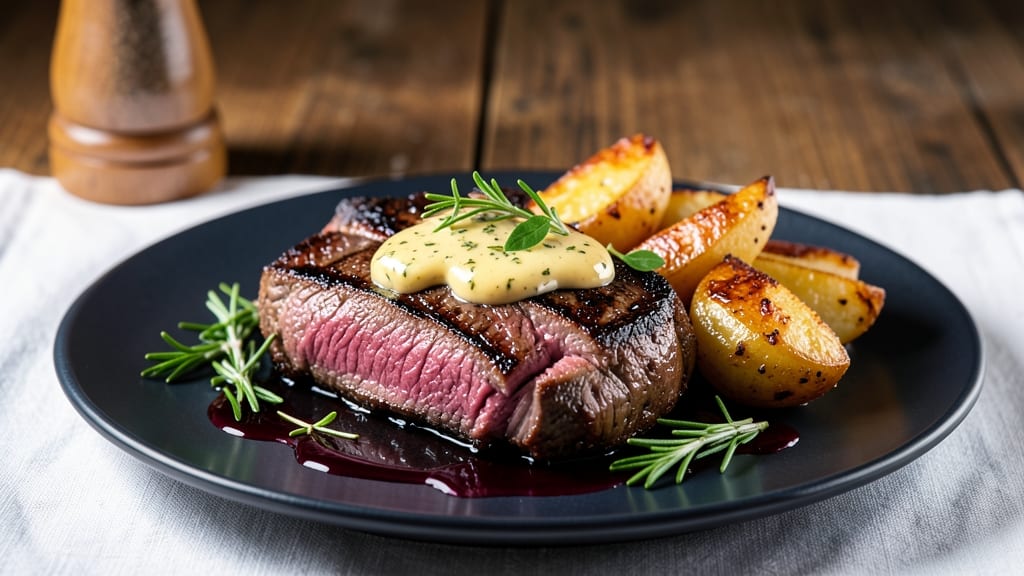
This reverse-seared Angus beef steak delivers a crust so perfect it rivals any steakhouse—all while keeping the center juicy and tender through oven magic. I perfected this method after years of butchering steak dinners, and the secret lies in low-and-slow oven cooking followed by a quick sear.
No dry, overcooked edges here—just a deep, caramelized crust that locks in every ounce of flavor.
The key to this technique is patience: let the steak cook slowly in the oven first, then finish with a screaming-hot cast-iron skillet for that coveted crust. I’ve tested this with 1.5-inch-thick cuts—thick enough to stay juicy inside while developing that restaurant-worthy exterior.
The result? A steak that sizzles when you plate it, holds its shape, and melts in your mouth with every bite.
What makes this recipe stand out is how it balances precision and simplicity. You’ll need just four ingredients (plus salt and pepper), but the method ensures foolproof results every time. The reverse-sear technique eliminates guesswork—no more overcooking or undercooking, just perfectly cooked steak that impresses even skeptical meat lovers.
Serve with a classic red wine reduction or a sprinkle of flaky sea salt, and you’ve got a main course worthy of a special occasion. The best part?
This method works for ribeye, filet mignon, or New York strip—just adjust the timing. Let’s get started on that steakhouse-quality dinner at home.
Ingredients for angus beef steak recipe oven
Four core ingredients plus optional aromatics create steakhouse-quality results at home.
| Ingredient | Amount | Notes |
|---|---|---|
| Angus Beef Steaks 🥩 | 1 ½ lb | 1.5-inch thick cuts, ribeye or NY strip preferred |
| Kosher Salt 🧂 | 1 ½ tbsp | Diamond Crystal preferred, coarse grain |
| Freshly Ground Black Pepper 🌶️ | 1 tbsp | Freshly cracked for optimal flavor |
| Extra-Virgin Olive Oil 🫒 | 1 tbsp | For searing, high smoke point preferred |
| Unsalted Butter 🧈 | 2 tbsp | European-style for higher fat content |
| Fresh Rosemary 🌿 | ¼ cup | Finely chopped, for aroma (optional) |
| Garlic Cloves 🧄 | 4 cloves | Minced, for finishing (optional) |
The Angus beef is non-negotiable here—look for USDA Prime or Choice grade with visible marbling. Local butchers often carry better cuts than grocery stores, and they'll trim the steaks to your preferred thickness. If buying pre-cut, verify the 1.5-inch thickness for perfect reverse-sear results. For extra insurance, ask for dry-aged beef—it develops deeper flavor. The steaks should be cold to the touch when you start, so let them sit at room temperature for 30-45 minutes before cooking (this ensures even doneness).
Salt matters: Diamond Crystal dissolves slower than Morton, so use it if you prefer a more pronounced crust. No fresh rosemary? Dried works at one-third the amount, but fresh adds that aromatic punch. Substituting olive oil? Avocado oil has a higher smoke point for searing. The butter should be European-style (like Plugrá)—it contains more fat, which creates a richer crust. For finishing, garlic-infused oil works if you skip the fresh garlic, but nothing beats the fresh aroma.
Store raw steaks in their original packaging on the bottom shelf of the fridge (juices can contaminate other foods). Use within 5-7 days for peak tenderness. Cooked steaks reheat beautifully—warm in a 350°F oven for 10 minutes to maintain moisture. For leftovers, slice against the grain and store in an airtight container for up to 3 days. Freeze cooked steaks for up to 3 months in a sealed bag with parchment paper between slices to prevent freezer burn.
Why You'll Love This Recipe
- Two-Handed Prep: Salt and pepper the steaks—literally takes 30 seconds. No chopping, no fuss, just that perfect crust-forming moment when you sear them in the oven with olive oil and butter.
- Butter-Basted Magic: The moment those steaks hit the oven with a pool of melted butter? That’s when the real party starts. The butter bastes itself as they cook, turning the edges into something dangerously tender.
- Weeknight or Fancy Night: Same recipe, two vibes. Throw it on for a Tuesday dinner with crusty bread, or dress it up with roasted asparagus for a date night that feels special without the stress.
- Leftovers That Don’t Suck: Cold sliced steak? Actually delicious. The butter keeps them juicy, and the salt and pepper make every bite taste like it just came out of the oven. (Yes, even the next day.)
Step-by-step instructions for reverse-seared Angus beef steak
Master this technique for steaks with perfect crust and tender centers every time.
Prep and Season the Steaks
Remove the steaks from the refrigerator and let them sit at room temperature for 30 minutes. This ensures even cooking throughout. Pat the steaks dry with paper towels—moisture prevents proper searing. Using your hands, generously rub all sides with the 1.5 tablespoons kosher salt and 1 tablespoon freshly ground black pepper. I press firmly so the seasoning adheres well, especially on the thickest parts.
For the rosemary, sprinkle the 0.25 cup finely chopped fresh rosemary evenly over the steaks, focusing on the top surfaces. The rosemary adds subtle aroma without overpowering the beef's natural flavor. If using, place the minced 4 cloves garlic in a small dish for later finishing. Let the seasoned steaks rest uncovered for 10 minutes before cooking—this allows the salt to penetrate slightly for enhanced flavor.
Low-Temperature Oven Roast
Preheat your oven to 250°F and place a wire rack on a rimmed baking sheet. Position the steaks on the rack, leaving space between them for even air circulation. Place the baking sheet in the oven and cook for 30-40 minutes, depending on thickness. The goal is to raise the internal temperature to 110-115°F—this creates a perfect foundation for the crust while keeping the center juicy.
Check the temperature by inserting an instant-read thermometer into the thickest part of the steak. If the steaks aren't quite there after 30 minutes, give them another 5-10 minutes. Don't rush this step—the slow cook ensures even heat penetration without overcooking. The steaks should feel warm to the touch but still yield slightly when pressed gently with your finger.
High-Heat Sear for Crust
While the steaks are roasting, heat a heavy skillet (cast iron works best) over high heat until smoking hot. Add the 1 tablespoon extra-virgin olive oil and let it shimmer for 30 seconds. Place the steaks in the pan, working in batches if necessary, and sear for 2 minutes per side without moving them. This creates the coveted crust through the Maillard reaction.
After the initial sear, reduce heat to medium-high and add the 2 tablespoons unsalted butter. Tilt the pan slightly and spoon the melted butter over the steaks for 1 minute, basting continuously. This adds richness and helps develop the crust further. The steaks are done when they reach 130-135°F internally—this gives you medium-rare perfection with a crisp exterior.
Rest and Finish
Transfer the seared steaks to a cutting board and let them rest for 5-10 minutes before serving. This resting period allows the juices to redistribute throughout the meat, ensuring each bite remains succulent. During this time, you can prepare any accompanying sides or finish the dish with the minced garlic if desired.
To serve, slice the steaks against the grain into ½-inch thick portions. The crust should be deep golden brown and crisp, while the interior remains tender and pink in the center. For extra flavor, sprinkle with additional freshly ground black pepper and serve immediately with any prepared sides. The reverse-sear method guarantees juicy centers with a restaurant-quality crust every time.
Pro Tips For Making Angus Beef Steak Recipe Oven
- USE A CAST-IRON SKILLET FIRST: I learned this the hard way—oven-only cooking leaves the crust uneven and the edges dry. Sear the steaks in a screaming-hot cast-iron skillet with olive oil for 2 minutes per side before transferring to the oven. The residual heat keeps the crust intact while the oven finishes the job.
- SALT THE BUTTER LIKE IT’S 1950: Unsalted butter needs seasoning, and I used to skimp. Mix in ½ teaspoon kosher salt per 2 tablespoons of butter before basting—this balances the richness and cuts through the beef’s natural fat. (Yes, even if you’re impatient like me, let it melt properly on the steaks.)
- SKIP THE CROWDED OVEN RACK: I was skeptical until I tried it: Place your steaks on the middle rack with at least 1 inch of space between them. If they’re touching, they’ll steam instead of crisp, and the butter will pool instead of baste. (Your future self will thank you.)
- REST UNDER FOIL, NOT A PLATE: This isn’t the prettiest method, but it’s the tastiest. After pulling the steaks from the oven, tent them loosely with foil and let them rest on the rack for 5–10 minutes. The foil traps heat while allowing airflow—no soggy bottoms, no wasted juice.
Serving suggestions for this recipe
Classic Pairings
Start with creamy mashed potatoes—their buttery richness balances the steak’s bold flavors. I like making them with whole milk and a splash of heavy cream, then folding in 2 tablespoons of European-style butter and a pinch of salt.
For extra elegance, top with crispy crispy fried shallots from Trader Joe’s. 🥔
Another perfect match is roasted garlic and herb potatoes. Toss 2 lbs baby potatoes with 3 tbsp olive oil, 4 minced garlic cloves, 1 tbsp fresh rosemary, and 1 tsp smoked paprika.
Roast at 425°F for 35 minutes until golden and tender. The garlic’s sweetness complements the steak beautifully.
Vegetable Sides
Grilled asparagus with lemon zest adds a fresh, bright contrast. Toss 1 bunch asparagus with 1 tbsp olive oil, ½ tsp salt, and ¼ tsp black pepper, then grill for 4-5 minutes per side. Finish with a squeeze of lemon juice and a sprinkle of flaky sea salt. 🌿
For a heartier option, try sautéed green beans with almonds and bacon. Cook 1 lb green beans in a skillet with 2 slices crispy bacon, 1 tbsp butter, and 2 tbsp sliced almonds for 5 minutes.
The smoky, nutty flavors enhance the steak’s richness without overpowering it.
Sauce Options
A simple red wine reduction elevates the dish effortlessly. Simmer 1 cup red wine (like Cabernet Sauvignon) with 2 tbsp butter, 1 tbsp shallots, and 1 tsp Dijon mustard until reduced by half. Drizzle over the steak just before serving. 🍷
For a lighter touch, try bearnaise sauce—it’s creamy, tangy, and pairs perfectly with Angus beef. Melt ½ cup butter, then whisk in 1 tbsp white wine vinegar, 1 tbsp lemon juice, 1 tsp tarragon, and 1 tsp shallots. Strain and chill before serving.
Beverage Pairings
A bold Cabernet Sauvignon from Napa Valley cuts through the steak’s richness with its dark fruit and tannins. Look for a 2018 vintage—it’s rich enough to stand up to the dish. For a lighter option, try a Pinot Noir from Oregon’s Willamette Valley. 🍷
If you prefer beer, a dark amber ale like Deschutes Brewery’s Mirror Pond adds a malty sweetness that complements the steak’s crust. For a non-alcoholic choice, sparkling water with a splash of cranberry juice keeps the palate clean and refreshing.
Nutrition facts
Frequently asked questions
Can I use this reverse-sear method for thinner steaks?
The reverse-sear technique works best with 1.5-inch thick cuts—thinner steaks (under 1 inch) won't need the low oven step. For those, simply sear in a hot cast-iron skillet for 2-3 minutes per side for medium-rare. The key is high heat and quick cooking to avoid drying out.
What's the best way to check doneness without a thermometer?
For medium-rare, press the steak gently with your finger: it should feel slightly soft in the center but still yield slightly. For medium, it should feel springy like firm jelly. Remember, the steak continues cooking after removal from heat, so pull it out 5°F below your target temperature.
How do I prevent my steak from drying out?
Three key factors: room temperature steaks (30 minutes before cooking), low oven temperature (250°F for slow cooking), and proper resting time (5-10 minutes). Never cut into the steak immediately after cooking—this releases all the juices. Always slice against the grain for maximum tenderness.
Can I make this recipe with frozen steaks?
Never cook frozen steaks—they won't sear properly and may develop ice crystals inside. Thaw in the refrigerator overnight (about 24 hours per inch of thickness) or use the cold water method (sealed in a leak-proof bag for 30 minutes per pound). Never thaw at room temperature.
What's the difference between reverse-sear and traditional oven-baked steaks?
Traditional oven-baked steaks cook evenly at high heat (400°F+), risking dryness. Reverse-sear uses low oven temp (250°F) first to gently cook the center, then a high-heat sear for crust. This method creates a perfect crust while keeping the interior juicy—ideal for thick cuts like Angus.