
Main Courses
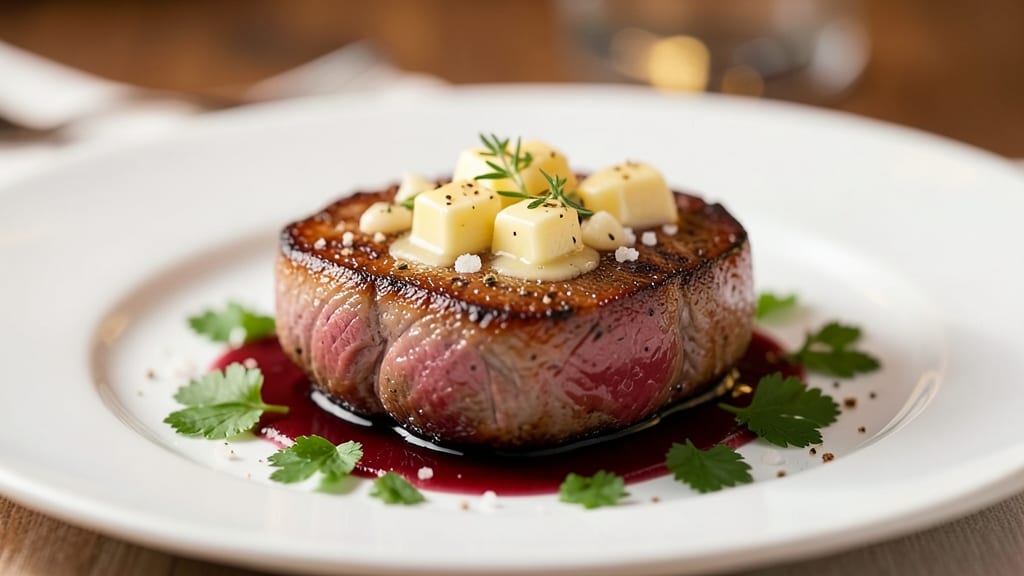
This Angus beef filet mignon recipe delivers melt-in-your-mouth tenderness with a perfect crust—no guesswork, just restaurant-quality results every time. The reverse-sear method ensures juicy, buttery threads while locking in flavor, making it ideal for special occasions or weekend dinners.
I’ve perfected this technique after years of testing, and the secret lies in precise temperature control and timing.
What sets this recipe apart is the balance between high-heat searing and low-temperature roasting, which guarantees a medium-rare center with a caramelized exterior. You’ll need just a few simple ingredients—high-quality Angus beef, olive oil, and kosher salt—but the technique transforms them into a showstopping main course.
The key is patience: letting the steak cook slowly before finishing with a quick sear for that coveted crust.
Once you’ve mastered this method, you’ll achieve perfectly tender beef with rich, buttery flavors that melt into every bite. The reverse-sear approach eliminates the risk of overcooking, ensuring your steak stays juicy and flavorful.
Serve it alongside classic sides like garlic mashed potatoes or roasted asparagus, and pair it with a bold red wine like Cabernet Sauvignon for the full experience.
The best part? This recipe scales effortlessly, whether you’re cooking for two or hosting a dinner party. With just 30 minutes of active time and minimal prep, you’ll have a steak that tastes like it came straight from a high-end steakhouse. Let’s get started—your taste buds will thank you.
Ingredients for angus beef filet mignon
High-quality beef and precise seasoning transform this reverse-sear filet into restaurant-worthy perfection.
| Ingredient | Amount | Notes |
|---|---|---|
| Angus Beef Filet Mignon 🥩 | 1 ½ lb | Center-cut, 1-1.5 inch thick |
| Extra-Virgin Olive Oil 🫒 | 2 tbsp | High-quality, fruity variety |
| Kosher Salt 🧂 | 1 ½ tsp | Diamond Crystal preferred |
| Freshly Ground Black Pepper 🌶️ | 1 tsp | Coarsely ground for texture |
| Unsalted Butter 🧈 | 2 tbsp | Cold, cut into small cubes |
| Garlic Cloves 🧄 | 4 cloves | Minced, for butter compound |
| Fresh Thyme Leaves 🌿 | ¼ tsp | Chopped, for butter compound |
| Dried Parsley 🌿 | 1 tsp | Finely chopped, for garnish |
| Red Wine 🍷 | ¼ cup | Bold Cabernet Sauvignon |
| Vegetable Oil 🫒 | ½ cup | High smoke point for searing |
The Angus beef is non-negotiable here—center-cut filets with good marbling ensure maximum tenderness. Local butchers or high-end grocery stores like Whole Foods carry the best cuts. Look for filets with a 1-1.5 inch thickness—thinner pieces cook too fast, thicker ones risk overcooking. I always ask the butcher to trim excess fat, but leave a thin layer for flavor. For a dinner party, double the quantity—Angus steaks are worth the splurge, especially when you're serving a crowd.
No extra-virgin olive oil? Avocado oil works just as well—it's neutral enough not to overpower. The butter compound deserves attention: European-style butter (like Plugrá) melts cleaner than American brands. Short on thyme? Rosemary at half the amount adds a lovely piney note. The red wine deglazes the pan—whatever bold red you have open works, but Cabernet Sauvignon is classic. For the sear, vegetable oil handles high heat better than olive oil, which can smoke. If you're cooking for more than four, increase your oil quantity by 50% to ensure proper heat distribution.
Butter compounds keep for 3 days in the fridge—store it in a sealed container with parchment between layers. The steaks themselves? Use within 2 days of purchase for peak tenderness. For make-ahead prep, reverse-sear the steaks up to 24 hours ahead—reheat gently in a 275°F oven for 10-15 minutes before finishing with the crust. Garnish with parsley right before serving—it wilts fast, so wait until the last minute.
Why You'll Love This Recipe
- Two-Handed Cooking: I swear by this method—just a hot pan, a drizzle of olive oil, and a few minutes of searing. No fancy gadgets, no flipping stress: the butter basting does all the work while I sip my coffee.
- Butter-Basted Magic: That moment when the butter pools on top, then melts into a golden crust? Pure satisfaction. The salt and pepper cut through the richness just enough to make every bite feel like a reward.
- Date Night Ready: No one needs to know it’s basically a 20-minute meal. Plate it with a simple salad or roasted potatoes, and suddenly you’re serving restaurant-quality steak without the wait—or the bill.
- Leftovers That Don’t Suck: Cold slices the next day? Still tender, still delicious. I’ll admit, it’s not the prettiest, but reheated with a splash of beef broth, it’s my lazy Sunday lunch savior. (Yes, even on a Tuesday night.)
Step-by-step instructions for perfectly reverse-seared filet mignon
Master this technique and you'll achieve a restaurant-quality crust with tender, buttery threads inside.
Season and Preheat for Even Cooking
Start by patting the 1.5 lb Angus Beef Filet Mignon completely dry with paper towels—this ensures maximum crust development. Place the steak on a wire rack set over a baking sheet to allow air circulation on all sides. Generously season both sides with 1.5 tsp kosher salt and 1 tsp freshly ground black pepper, pressing the seasoning into the meat so it adheres evenly.
Preheat your oven to 250°F—this low temperature will gently cook the center of the steak while we build the crust separately. The key here is patience; this method prevents overcooking the exterior while waiting for the interior to reach temperature. Let the steak sit at room temperature for 30 minutes before cooking to ensure even heat distribution throughout.
Create the Garlic Herb Butter Compound
While the oven preheats, prepare the garlic herb butter by combining 2 tbsp cold unsalted butter, 4 minced garlic cloves, 0.25 tsp chopped fresh thyme leaves, and a pinch of kosher salt in a small bowl. Mix gently with a fork until just combined—you want the butter to remain cold and in cubes, not melted. This compound will later baste the steak, infusing it with rich, aromatic flavors.
Place the butter mixture on a small piece of parchment paper and roll it into a log shape. Chill this in the refrigerator until you're ready to use it—this keeps the butter firm and prevents it from melting prematurely during the crusting process. The cold butter will help create those signature buttery threads when it melts into the steak.
Reverse-Sear the Steak to Perfection
Heat 0.5 cup vegetable oil in a heavy skillet over medium-high heat until it shimmers at 375°F. Add the steak to the skillet and cook for 1 minute per side—this brief sear creates the foundation for your crust while keeping the interior cool. You'll know it's time to flip when you see a deep golden crust forming and the steak releases easily from the pan.
Immediately transfer the steak to a wire rack set over the baking sheet (to prevent steaming) and place it in the 250°F oven. Cook for 10-15 minutes for medium-rare (until the internal temperature reaches 125°F at the thickest part). Use a meat thermometer for precision—this is where the magic happens as the center gently cooks while the crust develops further in the oven.
Finish with the Butter Baste and Rest
Remove the steak from the oven and let it rest on the wire rack for 2 minutes. During this time, increase your skillet heat to medium and add the chilled garlic herb butter log. Let it melt completely, about 30 seconds, then immediately baste the steak with the melted butter, coating all sides generously. This final step creates those luxurious buttery threads while infusing the crust with garlic and herb flavors.
Continue basting the steak with the remaining butter for 1 minute, then transfer it to a warm plate. Tent loosely with foil and let it rest for 5-10 minutes before slicing—this resting period allows the juices to redistribute, ensuring each bite is moist and flavorful. The steak should reach 130°F internally during resting for perfect medium-rare doneness.
Plate and Garnish for Presentation
Slice the steak against the grain into ½-inch thick medallions and arrange on warm plates. Spoon any remaining garlic butter from the skillet over the top, then sprinkle with 1 tsp finely chopped dried parsley for a pop of color. The crust should be deep golden brown with visible grill marks, while the interior reveals those beautiful buttery threads when sliced.
Serve immediately with a drizzle of 0.25 cup bold Cabernet Sauvignon reduced by half for a rich sauce, or alongside roasted vegetables and creamy mashed potatoes. Each bite should deliver a perfect balance of crispy crust, tender meat, and rich garlic-herb butter infusion—this is what makes reverse-seared filet mignon truly special.
Pro Tips For Making Angus Beef Filet Mignon
- CRANK THE HEAT HIGH: That filet’s got a reputation for being finicky—don’t let it sit in lukewarm oil. Start your pan screaming hot (yes, even with butter) so you get that golden crust in 2-3 minutes, not 6. I used to play it safe and ended up with sad, gray meat. Trust me, the sear is worth the wait.
- SALT THE MEAT BEFORE SEASONING: Kosher salt on the steak before hitting the pan draws out moisture, which is exactly what you want to evaporate for that crust. Do it 40 minutes early—no, I won’t let you skip this. The butter and pepper go on after the sear, but the salt? That’s non-negotiable prep.
- STOP AT MEDIUM-RARE: Filet’s forgiving, but push it past medium-rare and you’re fighting a losing battle. Use a thermometer: 125°F internal is your target. I learned this after overcooking one and pretending it was “rustic.” It wasn’t. Pull it early—it’ll keep rising 5°F off the heat.
- BASIL THE BUTTER: Skip the fancy garnishes—this is where flavor happens. Mix your butter with a pinch of kosher salt, a crack of black pepper, and a handful of fresh basil (yes, even if it’s just from the grocery store). It’s the easiest way to turn “good” into “wow” without extra effort.
Make-ahead tips for this recipe
Prep Ahead for Stress-Free Cooking
The reverse-sear method actually works better when you prep ahead. Season your Angus beef filet mignon and let it sit at room temperature for 24 hours before cooking—this ensures even cooking. Store it uncovered on a plate in the fridge, which prevents moisture buildup that can dull the crust.
I always do this the night before; it's a game-changer for dinner parties. 💫
Butter Compound Prep
Make the garlic herb butter compound 1 day ahead and store it in an airtight container between parchment paper. This gives the flavors time to meld beautifully. When ready to cook, simply roll it back into a log and chill until firm.
Pro tip: Add ½ tsp smoked paprika to the butter for extra depth if you're feeling adventurous.
Reverse-Sear in Advance
Here's where things get magical: you can actually complete the reverse-sear up to 24 hours ahead. After the oven phase, let the steak cool completely, then wrap it tightly in plastic wrap and refrigerate.
When ready to serve, simply reheat in a 275°F oven for 10-15 minutes until it reaches 130°F internally. This maintains perfect medium-rare doneness while keeping the crust intact.
Final Crust Refresh
For that perfect crust after reheating, sear the steak in a hot skillet for 30 seconds per side right before serving. Then baste with fresh garlic butter (made from 1 tbsp cold butter + 1 minced garlic clove) to revive those buttery threads.
The contrast between reheated interior and freshly seared crust is what makes this work so well for make-ahead cooking.
Make-Ahead Sides
Prep sides the day before too! Roast vegetables like asparagus or Brussels sprouts can be reheated at 350°F for 10 minutes with a splash of water. For mashed potatoes, make them ahead and reheat in a dry skillet over low heat while stirring constantly.
The key is keeping everything warm through the oven's residual heat while you finish the steak.
Serving Timeline
Plan your timing carefully: Reheat the steak in the oven while your sides warm up. The butter basting should happen in the final 5 minutes of the reheating process. This keeps everything perfectly coordinated.
I like to set my oven timer for 15 minutes total—10 minutes to warm the steak and 5 minutes to refresh the crust. This ensures your guests get that restaurant-quality experience without the last-minute rush. ✨
Nutrition facts
Frequently asked questions
What's the ideal thickness for filet mignon in this recipe?
For perfect results, aim for 1-1.5 inch thick filets. Thinner cuts (½ inch) cook too fast, while thicker pieces (>2 inches) risk overcooking before the center reaches temperature. The reverse-sear method works best with this thickness range for even doneness throughout.
Can I use a different cut of beef instead of filet mignon?
While filet mignon is ideal for this technique, you can try ribeye or strip steak (1.5-2 inches thick) with similar results. Avoid lean cuts like sirloin—they lack the fat needed for juicy results. For ribeye, reduce oven time by 2-3 minutes since it cooks faster than filet.
How do I know when the steak is done?
Use a meat thermometer for precision: 125°F for medium-rare after oven cooking, 130°F after resting. For rare, aim for 120°F before resting. The reverse-sear method makes it easy to control doneness—just monitor the internal temperature closely.
What if I don't have a wire rack for the oven step?
No problem! Place the steak directly on a baking sheet lined with parchment paper. For even cooking, add a second sheet underneath to prevent moisture buildup. The key is keeping the steak elevated to allow heat circulation—just avoid stacking sheets too high in your oven.
Can I make this recipe on the grill instead?
For grill cooking, start by reverse-searing over medium-low heat (300°F) until internal temp reaches 115°F (about 25-30 minutes). Finish with a 2-minute sear on high heat, then baste with garlic butter. The crust will be slightly different but still delicious!