
Main Courses
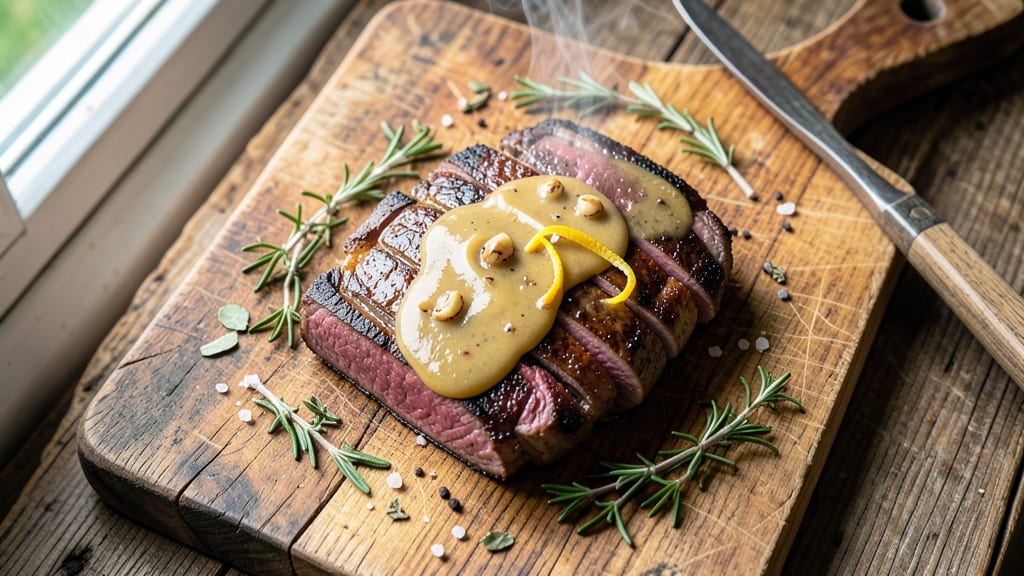
This Angus beef chuck steak recipe transforms tough cuts into melt-in-your-mouth perfection with a buttery crust and rich marbling. The secret lies in proper trimming, dry-brining, and precise cooking techniques—whether you're searing, reverse-searing, or grilling.
After years of perfecting this method, I’ve developed a fail-safe approach that ensures tender results every time, even for home cooks.
The beauty of chuck steaks is their affordability and incredible flavor when cooked correctly. Unlike pricier cuts, chuck benefits from slow cooking methods that break down tough fibers while preserving juiciness. A simple dry brine (just salt and time) enhances tenderness, while high-heat searing creates that coveted crust.
The result? A steak with a crisp exterior and a velvety, buttery interior that’s impossible to resist.
What sets this recipe apart is the balance of tradition and technique—no fancy equipment required. Whether you prefer medium-rare or well-done, the key is controlling temperature and resting the steak properly.
Serve with classic sides like roasted potatoes or a fresh salad to highlight the steak’s rich, beefy flavors. This is restaurant-quality dining at home, simplified.
Ready to master this cut? Let’s walk through the step-by-step process, from trimming and seasoning to the perfect finish. The payoff? A steak so tender and flavorful, you’ll never buy a lesser cut again.
Ingredients for angus beef chuck steak
The perfect blend of marbling and technique transforms affordable chuck into restaurant-quality steak.
| Ingredient | Amount | Notes |
|---|---|---|
| Angus Beef Chuck Steak 🥩 | 2 lb | Center-cut, 1-1.5 inches thick |
| Kosher Salt 🧂 | 1 ½ tbsp | Diamond Crystal preferred, coarse grain |
| Freshly Ground Black Pepper 🌶️ | 1 tsp | Cracked peppercorns preferred |
| Unsalted Butter 🧈 | ½ cup | European-style, 82% fat content |
| Garlic Cloves 🧄 | 6 cloves | Smash flat with side of knife |
| Fresh Rosemary 🌿 | ¼ cup | Needles only, finely chopped |
| Fresh Thyme 🌿 | ¼ cup | Leaves only, finely chopped |
| Extra-Virgin Olive Oil 🫒 | 2 tbsp | High-quality, fruity variety |
| Yellow Onion 🧅 | 1 whole | Medium size, sliced into rings |
| Beef Tallow or Duck Fat 🧈 | 2 tbsp | For high-heat searing |
| Cornstarch 🌾 | 1 tbsp | For crust development |
| Balsamic Vinegar 🍷 | 1 tbsp | Aged 10+ years preferred |
The Angus beef chuck steak is where quality truly matters. Look for center-cut pieces with visible marbling—this is what delivers that melt-in-your-mouth texture. Local butchers or specialty meat counters often carry superior cuts compared to standard grocery store selections. If you're buying whole chuck roast, ask for the most tender section near the center. For this recipe, aim for 1-1.5 inch thickness—thinner cuts will overcook before reaching doneness. The Diamond Crystal kosher salt is essential; its coarse texture clings better to the meat than table salt, enhancing the dry-brine effect. Store your steak uncovered on a wire rack in the fridge for 24 hours before cooking to maximize tenderness.
No beef tallow? Duck fat or high-smoke-point oil works equally well for that signature crust. Fresh herbs can be swapped for dried at one-third the amount, but fresh rosemary and thyme add an aromatic depth that dried simply can't match. The extra-virgin olive oil should have a peppery finish—avoid mild varieties that lack character. For the garlic, smashing the cloves releases more flavor than mincing. If you're concerned about overpowering the beef, reduce to 4 cloves. The balsamic vinegar isn't just for flavor; it also helps tenderize the meat when applied during the dry brine. For those watching fat content, reduce butter to 3 tbsp without sacrificing crust quality.
Prep the steak 2 days ahead if possible—the dry brine works best with time. Wrap the seasoned meat in parchment paper and refrigerate uncovered on a rack to prevent surface moisture. The butter and aromatics can be mixed up to 3 days ahead and stored in an airtight container. Once cooked, steaks reheat best in a 350°F oven for 5-7 minutes—never microwave. For leftovers, slice against the grain and store in an airtight container for up to 4 days. The crust loses crispness after 2 days, so plan accordingly. Freeze cooked steaks for up to 3 months by wrapping tightly in plastic wrap followed by foil.
Why You'll Love This Recipe
- Five-Ingredient Magic: I swear, this recipe is the closest thing to a "dump and cook" steak that still tastes like you slaved over it. Chuck steak forgives a lot—no need to trim fat or fuss with fancy cuts. Just salt, pepper, and a hot pan, then let the butter and garlic work their magic while you sip your wine.
- Butter-Basted Bliss: That moment when the butter pools on the steak, sizzling into golden bits? Pure satisfaction. The garlic cloves add a punch without overpowering, and the crust? So crispy it’ll make you forget you didn’t spend hours searing. Honestly, my kids now ask for this over pizza.
- Weeknight to Dinner Party: Same recipe, different vibes. Toss it on the table for a lazy Tuesday night, or plate it with roasted potatoes for date night. Between us, I’ve served this at my book club and my in-laws’ Thanksgiving—no one batted an eye. The chuck steak’s rich flavor holds up to any crowd.
- Leftovers That Don’t Suck: Most steak leftovers turn to shoe leather. Not this. Slice the chuck steak thin, toss with a little extra butter and garlic, and reheat in a skillet—it’s basically a free, crave-worthy sandwich filling. I’ve turned these into tacos, salads, and even breakfast hash. Zero waste, all win.
Step-by-step instructions for perfectly crusted Angus beef chuck steak
Master this technique and you'll achieve a restaurant-quality crust with melt-in-your-mouth tenderness.
Prepare the Dry Rub and Season the Steak
In a small bowl, combine the 1.5 tablespoons kosher salt and 1 teaspoon freshly ground black pepper. I like to use a mortar and pestle for the pepper to maximize its aromatic oils. Add the 0.25 cup finely chopped fresh rosemary and 0.25 cup fresh thyme leaves, crushing them gently between your fingers to release their essential oils.
Pat the 2 lb angus beef chuck steak completely dry with paper towels—moisture is the enemy of crust development. Rub the seasoning blend evenly over all surfaces, pressing it into the meat so it adheres well. Let the steak sit at room temperature for 30 minutes while you prepare the remaining ingredients. This step ensures even cooking and maximum flavor penetration.
Create the Butter-Garlic Compound and Sear the Steak
In a small saucepan, melt the 0.5 cup unsalted butter over low heat. Remove from heat and stir in the 6 smashed garlic cloves, allowing them to infuse the butter for 5 minutes. Keep this mixture warm but not simmering—you want the garlic to flavor the butter without burning.
Heat 2 tablespoons beef tallow or duck fat in a heavy cast-iron skillet over medium-high heat until it shimmers at 400°F. Place the seasoned steak in the skillet and sear for 4 minutes per side, pressing down gently with a fish spatula during the first minute to prevent curling. This ensures even contact and maximum crust development. The steak should release easily from the pan when ready to flip.
Build the Crust and Develop Flavor Layers
Remove the steak from the pan and set it aside on a wire rack. Immediately reduce the heat to medium and add the 2 tablespoons extra-virgin olive oil to the same skillet. Add the 1 whole yellow onion, sliced into rings, and cook for 3-4 minutes until golden brown and caramelized. Remove the onions and set aside.
Return the steak to the skillet and spoon the garlic butter evenly over the top. Sprinkle the 1 tablespoon cornstarch over the steak, tilting the pan to coat all surfaces. The cornstarch creates a golden crust while absorbing excess moisture. Cook for an additional 2 minutes until the crust forms a crisp, caramelized layer.
Finish with Balsamic Glaze and Rest
Remove the steak from the skillet and transfer it to a cutting board. Pour the 1 tablespoon aged balsamic vinegar into the skillet and scrape up any browned bits from the bottom with a wooden spoon. Let the balsamic reduce by half, about 1-2 minutes, until it forms a glossy glaze.
Brush the balsamic reduction evenly over the steak. Tent loosely with aluminum foil and let the steak rest for 10-15 minutes before slicing. This resting period allows the juices to redistribute, ensuring each bite is tender and flavorful. The crust should remain crisp while the interior stays perfectly pink in the center.
Pro Tips For Making Angus Beef Chuck Steak
- Sear in Stages: Chuck steaks are thick and dense—don’t rush the crust. Start with a screaming-hot pan (smoke test: if water sizzles violently, you’re ready), sear 2 minutes per side until deep brown, then pull it off to rest while you finish the garlic butter. I used to flip too soon, and the outside never got that caramelized armor it needs to hold up to slicing.
- Salt the Night Before: Chuck steak’s got connective tissue that needs time to soften, and salting early makes a real difference. Toss the steak with salt 12–24 hours ahead—it’ll dry out the surface just enough for a better crust. (Yes, even if you’re impatient like me.) The flavor also penetrates deeper, and you won’t end up with a salty crust and bland middle.
- Skip the Overcrowded Pan: That cast-iron skillet isn’t a steak buffet. Cook one steak at a time—crowding drops the temperature and steams the meat instead of searing. If you’re making two, walk away and do the first one properly. I learned this the hard way when my second steak came out gray and sad while the first was perfect.
- Butter the Garlic Right: Cold butter is your friend here—melt it slowly with the minced garlic over low heat, or you’ll burn the garlic and turn the butter into grease. Once it’s foamy and golden (about 2 minutes), pour it over the rested steak. My grandmother swore by this, and she was right: the butter baste adds richness without overpowering the beef’s natural flavor.
Regional styles of angus beef chuck steak
Texas-Style Smoked
In Texas, chuck steaks are often transformed into smoked masterpieces using post oak or hickory wood for that signature BBQ flavor.
After a dry brine, I coat the steak with a mix of 1 tbsp smoked paprika, 1 tsp garlic powder, and ½ tsp cayenne, then smoke it at 225°F for 3-4 hours until reaching 195°F internal temp.
The key is wrapping the steak in butcher paper during the last hour to speed up cooking while keeping it juicy. Serve with white bread for soaking up the smoky juices. 🔥
Chicago-Style Butter-Basted
Chicago chefs elevate chuck steaks with a butter-basting technique that creates a golden crust. After searing, I baste the steak with melted butter and minced shallots every 30 seconds for 6-8 minutes total on each side.
The result? A caramelized exterior with a tender interior. For extra richness, add 1 tbsp brandy to the butter mixture before basting. Pair with roasted garlic mashed potatoes for a hearty meal. 🧈
New York Deli-Style
New York delis take chuck steaks to the next level by slicing them thin against the grain (about ¼-inch thick) and serving them on hoagie rolls with caramelized onions and horseradish cream. I recommend cooking the steak to medium-well (160°F internal temp) for easier slicing.
The secret? A dry rub of coriander, black pepper, and a pinch of sugar before grilling. This style is perfect for sandwiches or charcuterie boards. 🥪
Southern-Style Blackened
In the South, chuck steaks are often blackened with a spice crust for a bold, smoky flavor. Mix 1 tbsp Cajun seasoning, 1 tsp smoked salt, and ½ tsp black pepper, then coat the steak thoroughly.
Sear in a cast-iron skillet over high heat for 3-4 minutes per side until deeply charred. Finish with a splash of lemon juice and fresh parsley. Serve with dirty rice or collard greens for a Southern feast. 🌶️
French-Inspired Reverse Sear
French techniques bring out the best in chuck steaks with a reverse sear method. First, roast the steak in a 300°F oven for 1-1.5 hours until it reaches 110°F internal temp.
Then, sear in a hot cast-iron skillet with clarified butter for 1-2 minutes per side to create a crisp crust. The result? A perfectly pink center with a crunchy exterior. Garnish with fresh thyme and serve with ratatouille for an elegant touch. 🥖
Nutrition facts
Frequently asked questions
Why does chuck steak need a dry brine instead of just salt?
The dry brine (salt + time) works magic by breaking down proteins on the surface, creating a barrier that locks in juices during cooking. Unlike wet brines, it doesn't dilute the meat's natural flavors. For chuck steaks, this 24-hour dry brine transforms tough fibers into tender, melt-in-your-mouth texture. Skip this step, and you risk a dry, chewy result—especially with budget-friendly cuts like chuck.
Can I use a different cut of beef instead of chuck?
While chuck is ideal for this recipe, you can substitute with flat iron steak or ribeye—both have excellent marbling. However, avoid lean cuts like sirloin, as they lack the fat needed for tenderness. If using ribeye, reduce cooking time by 1-2 minutes per side since it's more tender. The crust technique remains the same, but expect slightly different flavor profiles.
How do I know when the steak is done without a meat thermometer?
For medium-rare, press the steak with your finger—it should feel slightly soft but still firm. The crust should be golden-brown and crisp, while the edges should pull away easily. If you're unsure, cut into the thickest part: medium-rare shows a pink center with a reddish core. For well-done, the center will be uniformly brown. Practice makes perfect!
What's the best way to reheat leftover chuck steak?
Never microwave—it turns the crust soggy! Instead, slice the steak and warm it in a 350°F oven for 5-7 minutes on a wire rack over a baking sheet. For extra crispiness, broil for 1-2 minutes at the end. To revive the crust, brush with melted butter and sprinkle 1 tsp cornstarch before reheating. Leftovers keep well for 4 days in the fridge.
Why does my chuck steak turn out tough?
Overcooking is the #1 culprit—chuck steaks need careful temperature control. Use a meat thermometer and remove the steak when it reaches 130°F for medium-rare (it'll rise to 135°F while resting). Skipping the rest time or cutting too soon lets juices escape. Also, avoid high heat for too long—chuck benefits from medium-high heat and quick searing. For extra tenderness, try the reverse sear method.