
Main Courses
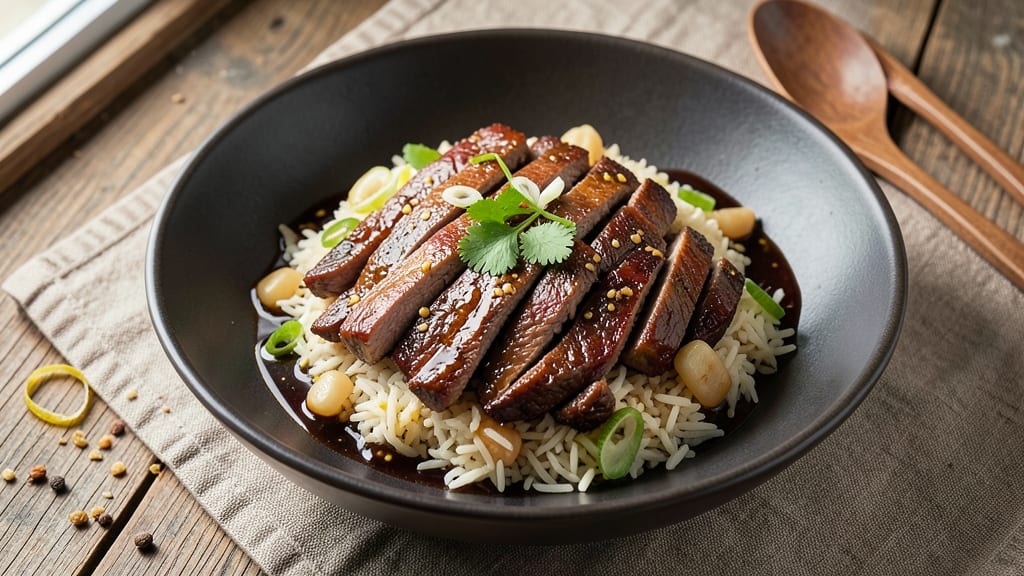
This Andy Cooks Mongolian Beef recipe delivers the perfect balance of sweet, savory, and umami in every bite—just like your favorite takeout, but better. The secret lies in a rich soy glaze that caramelizes beautifully on the wok, creating deep, complex flavors with minimal effort.
I’ve refined this recipe over years of testing, ensuring tender beef strips coated in a glossy, slightly sticky sauce that’s impossible to resist.
The beauty of this dish is in its simplicity: just a handful of pantry staples—soy sauce, brown sugar, garlic, ginger, and vinegar—transform thinly sliced beef into a restaurant-worthy meal in under 30 minutes.
The key is high-heat stir-frying, which sears the beef quickly while allowing the sauce to reduce into a thick, flavorful glaze. No fancy techniques required, just a well-seasoned wok and a little patience for that perfect caramelized finish.
What you’ll end up with is a plate of tender, glossy beef bathed in a sweet-spiced sauce that’s both aromatic and deeply satisfying.
The sauce clings to every strand of beef, offering a perfect harmony of flavors with each bite—sweet from the caramelized sugar, salty from the soy, and a hint of tang from the vinegar.
Serve it over steamed rice or noodles for the full experience, and prepare to impress even the pickiest eaters.
This recipe is versatile enough for weeknight dinners or weekend gatherings, and the leftovers reheat beautifully. Whether you're a seasoned home cook or just starting out, the foolproof method ensures restaurant-quality results every time. Let’s get cooking!
Ingredients for andy cooks mongolian beef
Sweet-spiced soy glaze meets tender beef—just these 13 ingredients transform takeout into restaurant magic.
| Ingredient | Amount | Notes |
|---|---|---|
| Flank Steak 🥩 | 1 ½ lb | Thinly sliced against grain |
| Soy Sauce 🍶 | ½ cup | High-quality, low-sodium preferred |
| Brown Sugar 🍚 | ⅓ cup | Packed, light or dark |
| Garlic Cloves 🧄 | 6 cloves | Minced, fresh preferred |
| Fresh Ginger 🌿 | 2 tbsp | Finely grated, peeled |
| Rice Vinegar 🍶 | 2 tbsp | White or seasoned |
| Sesame Oil 🫒 | 1 tbsp | For aroma, not cooking |
| Cornstarch 🌾 | 1 tbsp | For sauce thickening |
| Vegetable Oil 🫒 | 2 tbsp | High smoke point |
| Green Onions 🧅 | 4 whole | Sliced, white and green parts |
| Sesame Seeds 🌰 | 1 tbsp | Toasted for garnish |
| Salt 🧂 | ½ tsp | Kosher or sea salt |
| Black Pepper 🌶️ | ¼ tsp | Freshly ground |
The beef is everything here. Flank steak is my go-to—lean but flavorful, and it slices beautifully against the grain. Costco or Whole Foods carry pre-sliced versions, but if you're slicing yourself, freeze the meat for 30 minutes first for cleaner cuts. Look for good marbling—it keeps the beef juicy during the quick cook. I always grab extra because it's so versatile. For the soy sauce, Kikkoman or La Choy are solid choices, but if you can find Japanese-style soy sauce (like Yamasa), it adds that extra depth. The brown sugar? Muscovado or turbinado gives a caramelized richness, but regular light brown works perfectly fine.
No flank steak? Sirloin or ribeye work in a pinch, but slice them thinner. Running low on sesame oil? Toasted sesame seeds in the sauce at the end give that nutty aroma without the oil. Fresh ginger too fibrous? Ground ginger at half the amount saves the day. The cornstarch is non-negotiable for that perfect glaze—it's what makes the sauce cling to the beef. If you don't have it, arrowroot powder works 1:1. And for the vinegar, if you've only got apple cider vinegar, reduce it by half—it's tangier. The green onions? Freeze any extras—they keep beautifully for months.
This sauce is a flavor bomb that reheats even better. Store leftovers in airtight containers for up to 5 days, but honestly, it's gone in two. For freezing, portion into single-serving containers—just thaw and reheat. The beef stays tender when reheated gently in a skillet with a splash of water. Double the recipe? I do it all the time—freeze half for lazy nights. And pro tip: Save the wok's caramelized bits—they're packed with flavor, so add a splash of water to scrape them up at the end.
Why You'll Love This Recipe
- One-Pan Magic: I swear by this recipe—just slice the steak thin, toss it in a hot pan with garlic and ginger, then let the soy and brown sugar work their sauce magic. No plates to wash, no mess to clean, just pure, sticky satisfaction.
- Sweet-Savory Balance: That brown sugar caramelizing with the soy sauce? It’s the secret weapon—deep umami with a hint of sweetness that makes every bite irresistible. Honestly, the first time I tasted it, I nearly licked the pan.
- Lunchbox Hero: Pack leftovers cold or reheat them, and it’s still amazing. My kids take it for school lunches, and coworkers beg for the recipe after I bring it to work. (Yes, even on a Tuesday night.)
- Budget Power Move: Flank steak is affordable, and a pound stretches across three meals—dinner tonight, stir-fry tomorrow, and sandwiches the next day. Between us, this is how I feed my family without breaking the bank.
Step-by-step instructions for sweet-spiced soy glazed beef
This method delivers restaurant-quality Mongolian beef with a caramelized glaze that clings perfectly to every bite.
Prep the Flank Steak for Maximum Tender Bites
Slice the 1.5 lb flank steak thinly against the grain into ¼-inch thick strips. This is crucial—it ensures tender, fork-friendly pieces rather than chewy strips. Place the sliced steak in a large bowl and add 0.5 tsp salt, 0.25 tsp black pepper, and 2 tbsp rice vinegar. Toss gently to coat evenly, then let it marinate for 15 minutes at room temperature while you prep the sauce. The vinegar tenderizes the meat while adding brightness to the final dish.
I like to pat the meat dry with paper towels before marinating—this helps the seasoning adhere better and prevents excess moisture in the wok. Don't skip this step; it makes all the difference in achieving that perfect sear later.
Make the Caramelized Soy Glaze
In a small bowl, whisk together 0.5 cup soy sauce, 0.33 cup packed brown sugar, 1 tbsp cornstarch, 6 cloves minced garlic, and 2 tbsp finely grated ginger. The cornstarch acts as a thickener, while the brown sugar creates that beautiful caramelized crust we're after. Let this mixture sit for 5 minutes while you heat your wok—this gives the sugar time to dissolve completely.
Here's where the magic happens: heat 2 tbsp vegetable oil in a wok or large skillet over medium-high heat until shimmering. Add the soy mixture and stir constantly for 3-4 minutes until it begins to thicken and develop a glossy sheen. You'll smell that irresistible caramelized aroma—this is your signal that the glaze is ready for the beef. If it thickens too quickly, add 1 tablespoon water to loosen it slightly.
Sear the Beef to Perfection
Working in batches if needed, add the marinated beef to the wok in a single layer. Don't overcrowd the pan—this prevents proper searing. Cook for 1-2 minutes per side until the beef is light brown and just cooked through. The high heat should create a nice crust while keeping the interior tender. Remove the beef and set it aside, leaving the caramelized glaze in the wok.
This is the moment that matters: return the beef to the wok and toss everything together for 30-45 seconds until every piece is fully coated in that glossy glaze. The residual heat will finish cooking the beef while creating that signature sticky-sweet coating. If the sauce seems too thick, add another tablespoon of water to achieve the perfect consistency.
Finish with Aromatics and Garnish
Drizzle 1 tbsp sesame oil over the beef and toss gently to combine. This adds depth of flavor and that authentic wok hei aroma. Stir in 4 whole sliced green onions and cook for 30 seconds until they just wilt. Remove from heat and let the beef rest for 2 minutes—this allows the juices to redistribute and the flavors to meld.
Garnish with 1 tbsp toasted sesame seeds and serve immediately over steamed rice. The beef should be tender yet slightly chewy, with that beautiful caramelized glaze clinging to every bite. Each forkful delivers perfect balance of sweet, salty, and umami flavors with that signature wok-hei aroma. Don't wait to serve—this dish tastes best fresh off the wok!
Pro Tips For Making Andy Cooks Mongolian Beef
- Slice Against the Grain: Flank steak’s tough fibers run parallel to the grain—cutting perpendicular makes each bite melt in your mouth. Spend the extra 5 minutes to angle the knife diagonally after cooking, or you’ll be chewing like you’re in a steakhouse rush.
- Toast the Ginger First: I used to toss raw ginger straight into the pan, but toasting it for 30 seconds until fragrant unlocks a deeper, almost citrusy note. Peel it afterward—no need to waste time prepping it before cooking.
- Don’t Overcrowd the Pan: This isn’t a stir-fry; it’s a sear. Cook the steak in batches if needed, or you’ll steam it instead of caramelizing the sugar and soy into a glossy crust. A hot, empty pan is your friend here.
- Use Honey Instead of Water: The recipe might call for water to deglaze, but swap it for 1 tablespoon of honey (or even a splash of rice vinegar). It cuts the sweetness’s cloying edge and adds a subtle complexity—like the difference between a good sauce and a great one.
Troubleshooting your andy cooks mongolian beef
Beef Too Chewy?
If your beef turns out chewy instead of tender, you likely sliced it with the grain rather than against it. Freeze the steak for 30 minutes before slicing—this makes it firmer for cleaner cuts.
Also, never overcook the beef: it should reach 145°F internal temperature max. Use a meat thermometer to check. 🌡️
Sauce Too Thin?
A runny sauce happens when the cornstarch doesn't activate properly. Make sure you're using 1 tbsp cornstarch and that it's fully dissolved in the sauce mixture before cooking.
If it still separates, whisk in 1 tsp cold water to reactivate the cornstarch. Simmer the sauce alone for 1-2 minutes if needed to thicken further.
Glaze Not Caramelizing?
For that signature caramelized crust, use medium-high heat and stir constantly. If your sauce isn't developing color, increase the heat slightly or reduce the sugar by 1 tbsp.
Brown sugar needs time to melt and caramelize—don't rush this step. A carbon steel wok heats faster and creates better caramelization than stainless steel.
Beef Sticking to Wok?
Excess moisture causes sticking. Pat your beef strips very dry with paper towels before cooking. Also, make sure your wok is properly heated until it's smoking hot before adding oil.
If needed, add ½ tsp vegetable oil between batches to prevent sticking. A well-seasoned wok helps too—keep yours oiled between uses.
Sauce Too Sweet?
Adjust the sweetness by reducing the brown sugar to ¼ cup and adding 1 tbsp extra soy sauce for depth. If you prefer less sweetness, use white sugar instead—it caramelizes faster but with less intensity. Taste as you go: the sauce should balance sweet, salty, and umami flavors.
Leftovers Too Dry?
Reheat leftovers gently in a skillet over low heat with 1 tbsp water or beef broth. Avoid microwaving—it makes the beef rubbery. For extra moisture, toss reheated beef with ½ tsp soy sauce and a pinch of sugar.
Store leftovers in airtight containers with a paper towel to absorb excess moisture. 💡
Nutrition facts
Frequently asked questions
Can I use a different cut of beef besides flank steak?
For this recipe, sirloin or ribeye work well too—just slice them thinner (¼-inch thick) and against the grain. Avoid tougher cuts like chuck, as they won't tenderize properly in the short cooking time. If using pre-sliced beef, check for marbling to ensure juiciness.
How do I adjust the recipe for fewer/more servings?
This recipe scales perfectly. For 2 servings, halve all ingredients. For 6 servings, double everything—just cook the beef in batches to avoid overcrowding the wok. Keep the sauce-to-beef ratio consistent (½ cup sauce per 1.5 lbs beef) for the best flavor balance.
What if I don't have a wok?
No problem! Use a large skillet or cast-iron pan instead. For better caramelization, choose a pan with sloped sides. Heat it until smoking hot before adding oil—this mimics a wok's high-heat performance. Stir constantly to prevent burning, especially with the sugar. A carbon steel pan works best if available.
Can I make this recipe ahead of time?
Yes, but with a few key adjustments. Cook the beef and sauce as directed, then cool completely and refrigerate in airtight containers for up to 3 days. Reheat gently in a skillet with 1 tbsp water to restore moisture. For freezing, portion into single servings—thaw overnight in the fridge before reheating. The sauce actually improves overnight!
What's the best way to serve this dish?
Traditionally, this Mongolian beef shines over steamed jasmine rice or egg noodles. For extra flair, serve with steamed broccoli or bok choy on the side. Garnish with extra green onions and sesame seeds right before serving. The dish also works beautifully in lettuce wraps or over cauliflower rice for a lighter option.