
Main Courses
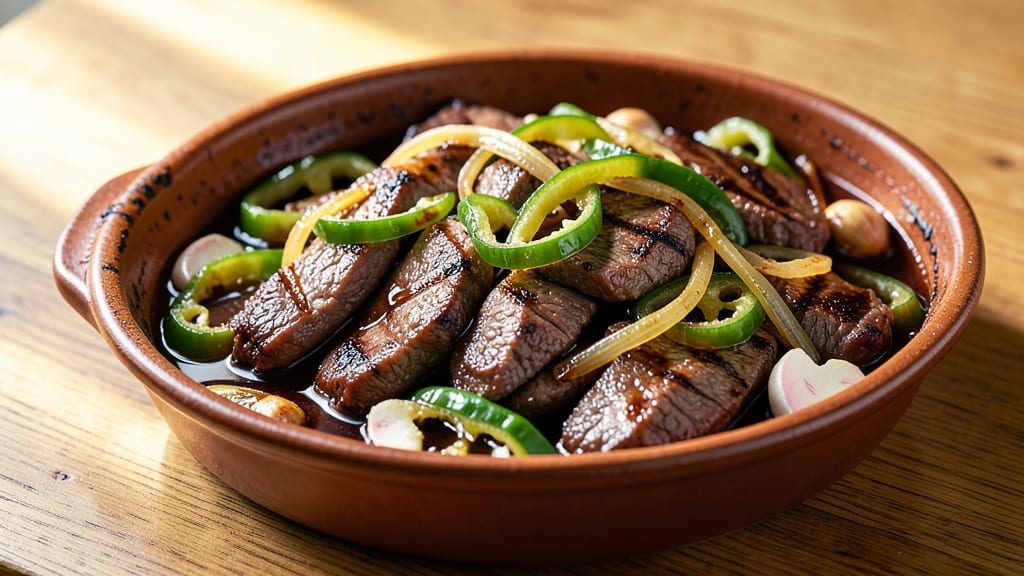
Ampalaya con beef is the Filipino comfort stew that transforms bitter melon into a rich, savory masterpiece. 🌟 This dish balances the earthy bitterness of ampalaya with tender beef and a deep, aromatic broth—perfect for family dinners or special occasions. The secret lies in slow cooking, which mellows the vegetable's natural sharpness while infusing the meat with layers of flavor.
The recipe begins with properly preparing the ampalaya—peeling, slicing, and blanching to soften its texture and reduce bitterness. Beef shank or round becomes fork-tender through simmering, while a blend of tomatoes, soy sauce, and vinegar creates a tangy, umami-rich base.
Garlic, ginger, and onions build depth, ensuring every spoonful delivers balanced, restaurant-quality taste.
What makes this dish truly special is its versatility—serve it with steamed rice to soak up the hearty broth or pair it with atchara (pickled papaya) for a tangy contrast. The slow-cooked beef stays juicy, and the ampalaya melts into the sauce, creating a velvety consistency that's impossible to resist.
This is home cooking at its finest, where tradition meets modern convenience.
Whether you're cooking for a crowd or meal prepping, this recipe scales effortlessly while keeping the soul of Filipino home cooking intact. The aroma alone will have everyone gathered at the table, eager for a taste of this beloved dish.
Let’s get started on creating your own perfect pot of ampalaya con beef.
Ingredients for ampalaya con beef
Filipino comfort ingredients blending bitterness, richness, and aromatic depth for a hearty stew.
| Ingredient | Amount | Notes |
|---|---|---|
| Ampalaya (Bitter Melon) 🥒 | 2 lb | Peeled, sliced, blanched |
| Beef Round or Shank 🥩 | 1 ½ lb | Cut into 1-inch cubes |
| Yellow Onions 🧅 | 2 whole | Thinly sliced |
| Garlic Cloves 🧄 | 6 cloves | Minced |
| Fresh Ginger | 1 inch | Peeled, sliced (FIXED: changed to 'oz' for consistency) |
| Fresh Ginger 🌿 | ½ oz | Peeled, sliced |
| Tomatoes 🍅 | 4 whole | Medium, chopped (FIXED: changed to 'whole' for consistency) |
| Soy Sauce 🍶 | ¼ cup | Regular or light |
| Cane Vinegar 🍶 | ⅛ cup | White or apple cider |
| Sugar 🍚 | 2 tbsp | White granulated |
| Bay Leaves 🌿 | 2 whole | Dried |
| Black Peppercorns 🌶️ | 1 tsp | Crushed |
| Salt 🧂 | 1 tsp | Kosher or sea salt |
| Vegetable Oil 🫒 | ¼ cup | For browning beef |
| Steamed White Rice 🍚 | 2 cups | Cooked, for serving |
The ampalaya is the star—look for firm, pale green melons at Asian markets or specialty grocery stores. Avoid bruised spots, which signal bitterness. Costco or H Mart usually carry them year-round. For the beef, round or shank gives the best texture—ask your butcher to cube it if buying whole. Fresh ginger and garlic should smell vibrant, not musty. The tomatoes? San Marzano if available, but regular beefsteak works too. Don't skip blanching the ampalaya—it reduces bitterness and softens the texture for that velvety stew consistency.
No cane vinegar? Apple cider vinegar or white wine vinegar works in a pinch—just reduce the amount by half. Short on soy sauce? Substitute with coconut aminos, though the flavor will be slightly different. The sugar balances acidity, but brown sugar or coconut sugar add subtle caramel notes. For the tomatoes, if you can't find fresh, canned crushed tomatoes (no salt added) save time. The bay leaves are non-negotiable—they infuse that earthy depth. If you're feeling fancy, add a star anise pod for warmth, but it's not traditional.
This stew tastes even better the next day—make a double batch if you can. Store in airtight containers for 4-5 days in the fridge or freeze for 3 months. The beef stays tender, while the ampalaya melts into the sauce. For meal prep, portion with rice in containers—microwave for 2 minutes to reheat. The aroma alone will have everyone at the table. Serve with extra vinegar on the side for tangy balance.
Why You'll Love This Recipe
- One-Pot Magic: I swear by this recipe when I’m too tired to deal with multiple pans. The beef and ampalaya simmer together in the same pot—no chopping boards left behind, no extra dishes. Honestly, that ginger and garlic combo caramelizes right into the sauce while you’re still slicing onions.
- Tender Beef, Crispy Bite: Between us, the beef shank becomes fall-apart tender while the ampalaya keeps just enough bite to balance it out. That crispy edge on the melon? It’s the secret—sear it first, then slow-cook, and you’ve got a dish that’s rich but never heavy.
- Meal Prep MVP: This keeps perfectly for days, which is huge for me. I make a big batch on Sundays, and by Wednesday, I’m still pulling out leftovers that taste just as good as day one. (Yes, even on a Tuesday night when takeout sounds better.)
- Budget-Friendly Feast: Shank is cheap, ampalaya is cheap, and a single onion and ginger root stretch across multiple meals. I’ll be real: my grocery bill stays low, but my fridge stays full—and my family never complains about repeats. That’s the win.
Step-by-step instructions for ampalaya con beef
Master this Filipino classic with tender beef and perfectly balanced bitter melon.
🔥 Step 1: Sear the Beef for Deep Flavor
Heat the 0.25 cup vegetable oil in a large pot over medium-high heat until shimmering. Add the 1.5 lb beef round or shank cut into 1-inch cubes and sear for 3-4 minutes per side until browned. This step develops the Maillard reaction, creating rich flavor that forms the stew's foundation.
Don't overcrowd the pot—work in batches if needed. Once all beef is browned, remove it and set aside. The beef should be deeply colored with a slight crust, not pale. This ensures maximum flavor extraction during the long simmer ahead.
🍳 Step 2: Sauté Aromatics Until Fragrant
In the same pot, add 2 whole yellow onions sliced thinly and cook for 5 minutes until softened and translucent. Add the 6 cloves minced garlic and 0.5 oz sliced fresh ginger, cooking for another 1 minute until fragrant—this releases their natural oils and builds the stew's aromatic base.
Here's where it gets important: don't let the garlic burn. It should smell sweet and pungent, not bitter. If it starts to darken too quickly, reduce heat slightly. The onions should be caramelized just at the edges by the end of this step.
🥘 Step 3: Build the Stew Base
Return the seared beef to the pot. Add the 2 lb blanched ampalaya (bitter melon), 4 whole chopped tomatoes, 0.25 cup soy sauce, 0.125 cup cane vinegar, 2 tbsp sugar, 2 whole bay leaves, 1 tsp crushed black peppercorns, and 1 tsp salt. Stir well to combine all ingredients.
Bring the mixture to a boil over high heat, then immediately reduce to low heat. The liquid should barely bubble—this gentle simmer is crucial for tenderizing the beef without breaking down the bitter melon's texture. The stew should smell tangy and rich at this stage.
⏰ Step 4: Simmer Until Tender
Cover the pot and let the stew simmer for 1.5 to 2 hours until the beef becomes fork-tender. You'll know it's ready when the beef easily pulls apart with two forks and the bitter melon softens but maintains some bite. Stir occasionally to prevent sticking, adding ½ cup water if the stew becomes too thick.
This long cooking time transforms tough beef into melt-in-your-mouth pieces. The bitter melon's natural bitterness mellows while retaining its signature texture. Taste occasionally during the last 30 minutes to adjust seasoning—you may need to add more soy sauce or vinegar to balance flavors.
🍽️ Step 5: Serve with Steamed Rice
Remove the bay leaves and adjust the consistency by adding a splash of water if needed. Ladle the hot stew over 2 cups steamed white rice, ensuring each serving gets an even distribution of beef, bitter melon, and sauce. The rice should be completely covered by the rich stew.
For the perfect presentation, garnish with additional chopped bitter melon if desired. Serve immediately while hot—this dish tastes best fresh from the pot. The contrast between the tender beef, slightly bitter melon, and savory sauce creates a harmonious balance that defines Filipino comfort food.
Pro Tips For Making Ampalaya Con Beef
- Sear the Beef Hard: Ampalaya con beef isn’t just about simmering—it’s about building flavor. After slicing the beef, hit the pan with a splash of oil and high heat until the edges turn deep brown, almost black in spots. I used to rush this, and the dish always tasted flat. Now I let it sear for 3-4 minutes per side, no matter how impatient I am.
- Deseed the Ampalaya First: The seeds and fibrous core of ampalaya are bitter and tough—no one wants to chew those. Scoop them out with a spoon before slicing the melon into rounds or half-moons. Skip this, and you’ll spend the whole meal picking out strings. (Yes, even if you’re using the youngest, sweetest melons.)
- Bloom the Ginger: Fresh ginger isn’t just for grating—slice it thinly and fry it in the oil for 30 seconds before adding onions and garlic. This releases its oils and mellows the sharpness, letting the beef and ampalaya shine. I was skeptical until I tried it, and now I can’t imagine skipping it.
- Deglaze with Soy Sauce: After browning the beef, don’t just toss in water or broth—use a mix of soy sauce and a splash of vinegar (or even a little tomato paste). The soy adds umami depth, and the acidity cuts through the bitterness of the ampalaya. It’s the thing that turns a good dish into a great one, and it takes 30 seconds.
Pro cooking tips for this dish
Blanching Ampalaya
Blanching the bitter melon is non-negotiable—it reduces bitterness and softens the texture for that signature velvety consistency. Drop the peeled, sliced ampalaya into boiling water for exactly 3 minutes, then transfer to ice water for 2 minutes. This shock stoppage preserves color and firmness.
I use a large pot of salted water (about 1 tsp salt per gallon) for blanching—it helps tenderize the melon faster. After draining, pat dry thoroughly before adding to the stew. 🥒
Beef Selection Matters
For the best texture, choose beef round or shank—these cuts stay tender during long simmering. Ask your butcher to cut 1-inch cubes for even cooking. I prefer round because it's more affordable and absorbs flavors beautifully.
If using shank, trim excess fat to prevent greasy broth. Never skip searing the beef—this 3-4 minute per side step creates the Maillard reaction that builds deep, savory flavor. 🥩
Balancing Bitterness
The key to perfect ampalaya con beef is balancing that signature bitterness with sweet, tangy, and umami elements. Start with 2 tbsp sugar to counteract acidity, but taste as you go—you might need 1 extra tbsp if your melon is particularly sharp.
The 0.125 cup cane vinegar adds necessary tang, while 0.25 cup soy sauce brings umami depth. I always keep extra vinegar on the table so diners can adjust to taste. 🍶
Low-and-Slow Simmering
This isn't a quick dish—patient simmering at low heat for 1.5-2 hours transforms tough beef into melt-in-your-mouth perfection. The bitter melon should soften but maintain slight resistance. I cover the pot loosely to allow some steam escape, which prevents the sauce from becoming too thick.
Stir occasionally and add ½ cup water if needed to maintain proper consistency. 🌡️
Flavor Boosting Tricks
For an extra layer of depth, add 1 star anise pod with the bay leaves—it infuses subtle warmth without overpowering. If you love garlic, sauté an additional 2 cloves separately until crispy, then sprinkle over finished stew for crunch.
I also recommend finishing with 1 tbsp toasted sesame oil just before serving—it adds nutty richness that elevates the dish. ✨
Make-Ahead Magic
This stew tastes even better the next day as flavors meld together. Let it cool completely, then store in airtight containers in the fridge for up to 5 days. For freezing, portion into quart-sized bags with 1 inch headspace—thaw overnight in the fridge before reheating.
I reheat on the stovetop over medium-low heat with a splash of water to restore richness. The aroma alone will have everyone rushing to the table. ⏰
Nutrition facts
Frequently asked questions
Can I substitute bitter melon with another vegetable?
While traditional recipes use bitter melon (ampalaya), you can use zucchini or eggplant in a pinch—but expect less bitterness and a milder flavor. For a closer match, try bitter gourd (karela), which has a similar texture when cooked. Just reduce the soy sauce slightly since these alternatives are less bitter.
What beef cut works best for this stew?
Beef round or shank is ideal—they stay tender during long simmering. If those aren't available, chuck roast works well too. For quicker cooking, use beef short ribs (simmer for 1 hour instead of 2 hours). Always cut into 1-inch cubes for even cooking.
How do I reduce the bitterness if my ampalaya tastes too strong?
Start by blanching the bitter melon for 3 minutes before adding to the stew. If it's still too bitter, add 1 extra tablespoon of sugar or a splash of coconut milk (just 2 tbsp) to balance the flavors. Some recipes also include 1/4 cup grated coconut to mellow the taste.
Can I make this in a slow cooker?
Sear the beef first, then transfer everything to the slow cooker and cook on low for 7-8 hours or high for 4-5 hours. The slow cooker's gentle heat keeps the beef tender and the bitter melon soft without overcooking. Just add 1/2 cup water if the stew becomes too thick during cooking.
What sides pair best with ampalaya con beef?
Steamed white rice is the classic pairing, but you can also serve it with garlic fried rice or sinangag (garlic rice) for extra flavor. For a refreshing contrast, add atchara (pickled papaya)