
Main Courses
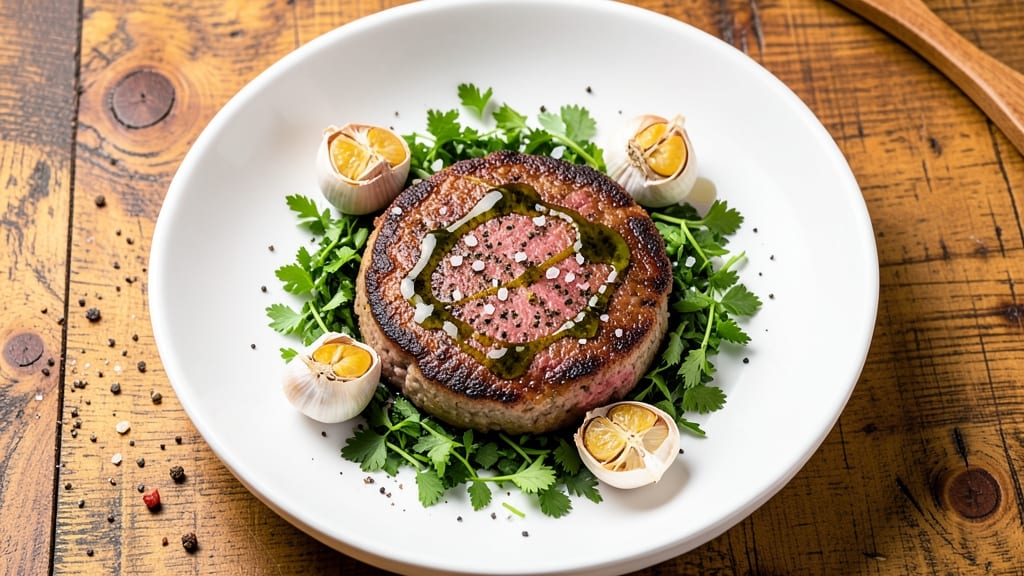
The ultra-marbling American Wagyu ground beef transforms any dish into a luxurious experience—imagine burgers that melt in your mouth or meatballs with a buttery crust that practically dissolves.
I’ve spent years perfecting how to handle this premium beef, and the secret isn’t complicated: low-and-slow cooking preserves that melt-in-your-mouth tenderness while searing at high heat creates a caramelized crust that’s impossible to resist.
This recipe isn’t just about the beef—it’s about the whole meal. Picture juicy Wagyu meatballs in a rich tomato sauce, served with crispy roasted potatoes and a fresh arugula salad, or a Wagyu burger stacked high with caramelized onions, melted cheddar, and a toasted brioche bun.
The marbling means every bite is packed with flavor without needing heavy seasoning, but we’ll still add just enough garlic and herbs to elevate it.
What makes this recipe special is how it balances technique with simplicity. You’ll spend 15 minutes prepping and 20 minutes cooking, but the result is restaurant-quality dining at home.
The beef’s natural richness does most of the work, so you can focus on perfecting the sides—think charred asparagus or garlic mashed potatoes—to round out the plate.
Whether you’re grilling for a summer BBQ or whipping up a weeknight dinner, this American Wagyu ground beef recipe delivers a taste experience that feels indulgent without the fuss. Let’s get cooking—your taste buds (and guests) will thank you.
Ingredients for american wagyu ground beef
Premium beef meets simple techniques for restaurant-quality Wagyu meatballs with a caramelized crust.
| Ingredient | Amount | Notes |
|---|---|---|
| American Wagyu Ground Beef (80/20 fat ratio) 🥩 | 1 ½ lb | Ultra-marbling, premium quality |
| Garlic Cloves 🧄 | 4 cloves | Freshly minced for aroma |
| Fresh Parsley 🌿 | ¼ cup | Finely chopped, bright green |
| Extra-Virgin Olive Oil 🫒 | 2 tbsp | High quality, fruity variety |
| Kosher Salt 🧂 | 1 tsp | Diamond Crystal preferred |
| Freshly Ground Black Pepper 🌶️ | ½ tsp | Coarse grind preferred |
| Yellow Onion 🧅 | 1 whole | Finely diced, sweet variety |
| Fresh Thyme Leaves 🌿 | 1 tbsp | Or 1 tsp dried thyme |
| Tomato Paste 🍅 | 2 tbsp | Squeeze tube preferred |
| Dry Red Wine 🍷 | ½ cup | Bold Cabernet Sauvignon |
| Beef Broth 💧 | ½ cup | Homemade or quality store-bought |
| All-Purpose Flour 🌾 | 2 tbsp | For breading meatballs |
| Panko Breadcrumbs 🍞 | ½ cup | Light and crispy |
| Eggs 🥚 | 1 whole | For binding meatballs |
The American Wagyu ground beef is the star here—look for that ultra-marbling (the white fat streaks) at specialty butchers or high-end grocery stores like Whole Foods or Costco. I always buy it pre-ground at Dartmouth Farms when I can, but the regular grocery store Wagyu works too if it's labeled 80/20 fat ratio. The higher fat content is what gives you that melt-in-your-mouth texture, so don't skimp. Freshly minced garlic and parsley make all the difference—no pre-minced garbage from the jar. For the wine, grab whatever bold red you have open—Cabernet Sauvignon or Merlot work perfectly.
No Wagyu? High-quality 80/20 chuck roast ground at home works in a pinch, but you'll lose that buttery tenderness. Fresh herbs are ideal, but dried thyme at one-third the amount gets the job done. The tomato paste can be from a squeeze tube—Trader Joe's has the best ones—no need for fancy cans. For the meatballs, I like using Panko plus a little Parmesan for extra flavor, but regular breadcrumbs work too. The egg helps bind everything, but if you're making burgers, you can skip it entirely—just handle the meat gently.
Keep the Wagyu in its original packaging until ready to use—it stays fresh for 3 days in the fridge or 3 months frozen. The meatballs reheat beautifully—350°F for 10-12 minutes until warmed through. I always make a double batch and freeze half for lazy weeknights. The sauce keeps for 5 days in the fridge, and the meatballs freeze perfectly too. Just thaw overnight in the fridge before reheating.
Why You'll Love This Recipe
- Five-Ingredient Magic: I swear by this recipe—just beef, garlic, parsley, oil, and salt. That’s it. No fancy prep, no hidden steps, and the fat ratio does all the heavy lifting for you.
- Butter-Soft Crisp: The 80/20 fat ratio gives you that perfect texture—juicy, tender bites with just a hint of crisp at the edges. Honestly, I’ve tried leaner cuts, and this? Night and day.
- Weeknight or Weekend: Toss it in pasta, stuff it in peppers, or just eat it straight with toast. It’s my go-to for when I’m too tired to plan but still want something that feels special.
- Leftovers That Don’t Suck: This beef reheats like a dream—no dry, sad ground beef here. I make a big batch on Sunday, and it’s still delicious in tacos or sandwiches by Thursday. (Yes, even on a Tuesday night.)
Step-by-step instructions for American Wagyu meatballs with rich red wine sauce
Here's how to transform ultra-marbling American Wagyu into restaurant-quality meatballs with a velvety red wine reduction.
Prepare the Wagyu Mixture for Maximum Tenderness
In a large mixing bowl, gently combine the 1.5 lb American Wagyu Ground Beef (80/20 fat ratio) with the 1 whole egg, 2 tbsp all-purpose flour, 1 tsp kosher salt, and 0.5 tsp freshly ground black pepper. The key here is to handle the meat minimally—just enough to distribute the ingredients without developing gluten. Use your hands to mix until just combined, being careful not to overwork the delicate Wagyu fat.
Next, add the 1 whole yellow onion (finely diced) and 1 tbsp fresh thyme leaves. The onion should be small enough to distribute evenly, and the thyme should be finely chopped to prevent any texture issues. Mix gently once more, ensuring the thyme is evenly distributed throughout the mixture. This step builds the flavor foundation while preserving the meat's natural juiciness.
Form and Bake the Meatballs for Perfect Texture
Using your hands, roll the mixture into 1.5-inch diameter meatballs—about 4 meatballs total—keeping them compact to maintain shape during cooking. Place them on a parchment-lined baking sheet, spacing them about 1 inch apart to allow for even browning. For extra crispiness, I recommend chilling the meatballs for 15 minutes before baking to help them hold their shape.
Preheat your oven to 400°F. Once hot, bake the meatballs for 15-18 minutes, turning halfway through, until they reach an internal temperature of 160°F and develop a golden-brown crust. The Wagyu's high fat content means they'll render beautifully, creating a rich crust while keeping the interior impossibly tender. Don't overbake—they'll continue cooking slightly as they rest.
Build the Red Wine Reduction Sauce
While the meatballs bake, heat 2 tbsp extra-virgin olive oil in a large skillet over medium heat. Add the 2 tbsp tomato paste and cook for 2 minutes, stirring constantly, until it darkens slightly and releases its rich flavor. This forms the base for our sauce, deepening its color and complexity.
Pour in the 0.5 cup dry red wine and scrape up any browned bits from the bottom of the pan—this is where all the flavor lives. Let the wine simmer for 3-4 minutes until it reduces by half, intensifying its flavor. Then add the 0.5 cup beef broth and bring to a gentle simmer. The sauce should now coat the back of a spoon, creating a velvety consistency that will beautifully complement the meatballs.
Finish with Fresh Herbs and Crispy Panko
Return the baked meatballs to the skillet with the sauce, spooning the sauce over them to coat evenly. Simmer gently for 2-3 minutes to heat through and allow the flavors to meld. The meatballs should be warm all the way through, with the sauce clinging to their surfaces.
In a small bowl, mix the 0.5 cup panko breadcrumbs with the 0.25 cup fresh parsley (finely chopped). Sprinkle this mixture over the meatballs and sauce, tossing gently to coat. The panko adds a delightful crunch contrast while the parsley brightens the dish with freshness. Serve immediately while the meatballs are warm and the sauce is at its peak consistency.
Pro Tips For Making American Wagyu Ground Beef
- Salt the Beef First: Toss the raw Wagyu with 1/2 teaspoon of kosher salt before cooking—it breaks down the proteins just enough to keep the meat juicy. I used to skip this with regular ground beef, but with Wagyu’s rich fat content, it actually makes the texture tighter and the flavor pop more. (Yes, even if you’re impatient like me.)
- Sear in Batches: Don’t overload the pan—split the Wagyu into 1-inch-thick patties and cook them in batches. Crowding steams the meat instead of searing, and you’ll end up with sad, greasy lumps rather than crispy edges. A 10-inch cast-iron pan is your friend here; high heat and space are non-negotiable.
- Mince the Garlic Fine: Skip the minced jar—fresh garlic cloves should be grated or pressed through a garlic press for this dish. The texture matters: tiny specks distribute evenly and cook down without burning, while chopped pieces can turn bitter. I learned this the hard way after biting into a chunk in my first batch.
- Rest Under Foil: After cooking, pile the Wagyu on a plate, loosely tent with foil, and let it sit for 5 minutes. The fat redistributes, keeping the meat juicy instead of pooling in a greasy mess. I know, I know—you want to eat it now—but trust the process. Your future self will thank you.
Pro cooking tips for this recipe
Low-Temp Magic
Wagyu’s ultra-marbling means it’s delicate—cook it too hot, and you’ll lose that melt-in-your-mouth texture. For meatballs, bake at 400°F for just 15-18 minutes to render fat gently while creating a golden crust.
For burgers, I swear by a two-step approach: start with a 350°F oven for 10 minutes to cook through, then sear in a ripping-hot cast iron for that perfect crust. The internal temp should hit 160°F max—any higher, and you’ll dry out that luxurious fat. 🌡️
Fat Preservation
The secret to Wagyu’s buttery texture is keeping that fat intact. Never overwork the meat when mixing—just combine ingredients until just combined. For burgers, I press them gently into ½-inch patties (no thicker!) and let them rest 10 minutes before cooking.
This helps the fat distribute evenly. And here’s a pro move: pat the meatballs dry before baking—they’ll brown better and crisp up beautifully. 🥩
Searing Secrets
High heat is your friend for that caramelized crust, but timing is everything. For burgers, I sear in extra-virgin olive oil over high heat for 2-3 minutes per side, then finish in a 400°F oven for 5 minutes.
For meatballs, a quick 30-second sear in the pan before baking adds depth. The key? Don’t crowd the pan—give each piece space to develop that crust. A 12-inch cast iron (like Lodge) is my go-to for even heat distribution. ⚡
Sauce Pairing
Wagyu’s richness pairs beautifully with bold, acidic sauces that cut through the fat. My go-to is a red wine reduction (as in the recipe), but a chipotle crema or smoky tomato jam works too.
For burgers, I love a garlic aioli—just mix ½ cup mayo, 1 tbsp lemon juice, and 1 minced garlic clove. The acidity balances the beef’s richness while keeping it luxurious. 🍷
Equipment Essentials
You don’t need fancy tools, but a few basics make all the difference. A meat thermometer (I use ThermoWorks Smoke) ensures perfect doneness without overcooking. For searing, a heavy-bottomed skillet (like Mauviel M’Cook) distributes heat evenly.
And for meatballs, parchment-lined baking sheets prevent sticking. Skip the nonstick spray—it can interfere with that beautiful crust. 🔥
Resting Matters
This is where many home cooks mess up. Always let Wagyu rest 5-10 minutes before serving—it lets juices redistribute. For meatballs, I tent them loosely with foil to keep warm. For burgers, rest on a wire rack to avoid soggy buns.
Pro tip: Slice burgers against the grain for maximum tenderness. The wait is worth it—trust me, your first bite will be worth the pause. ⏳
Nutrition facts
Frequently asked questions
What's the difference between American Wagyu and regular Wagyu?
American Wagyu comes from cattle bred with Japanese Wagyu genetics but raised in the U.S. The result is still ultra-marbling with that signature buttery texture, but the flavor profile leans slightly more savory due to American feed practices. Regular Japanese Wagyu tends to have a sweeter, more delicate taste. Both are premium, but American Wagyu offers similar luxury at often more accessible prices.
Can I substitute American Wagyu with regular ground beef?
You can try, but the results won't be the same. Use an 80/20 fat ratio chuck roast ground at home for better texture, but you'll lose that melt-in-your-mouth quality. For burgers, add 1 tbsp butter to the meat mixture to mimic some of the fat content. Remember, Wagyu's marbling is what makes it special—regular beef needs extra care to compensate.
How do I store leftover Wagyu meatballs?
Store them in an airtight container in the fridge for up to 4 days. For longer storage, freeze them for 3 months350°F for 10-12 minutes until warmed through. The sauce reheats separately and can be added back after warming.
What's the best way to cook Wagyu burgers without drying them out?
Use the two-zone method: start with medium-low heat (350°F) for 10 minutes to cook through, then finish with a high-heat sear for 2-3 minutes per side. Keep the patties ½-inch thick max and press gently with a spatula to help the fat render. Never press while cooking—this squeezes out juices! Rest for 5 minutes before serving to lock in moisture.
Why does my Wagyu meat look greasy after cooking?
That's the marbling working its magic! The fat renders during cooking, creating that luxurious texture. To control it slightly, pat the meatballs dry before baking and avoid overcrowding the pan. For burgers, let them rest 5 minutes before serving—the fat will redistribute naturally. If concerned, bake at 375°F instead of 400°F for slightly less fat rendering while still getting great browning.