
Main Courses
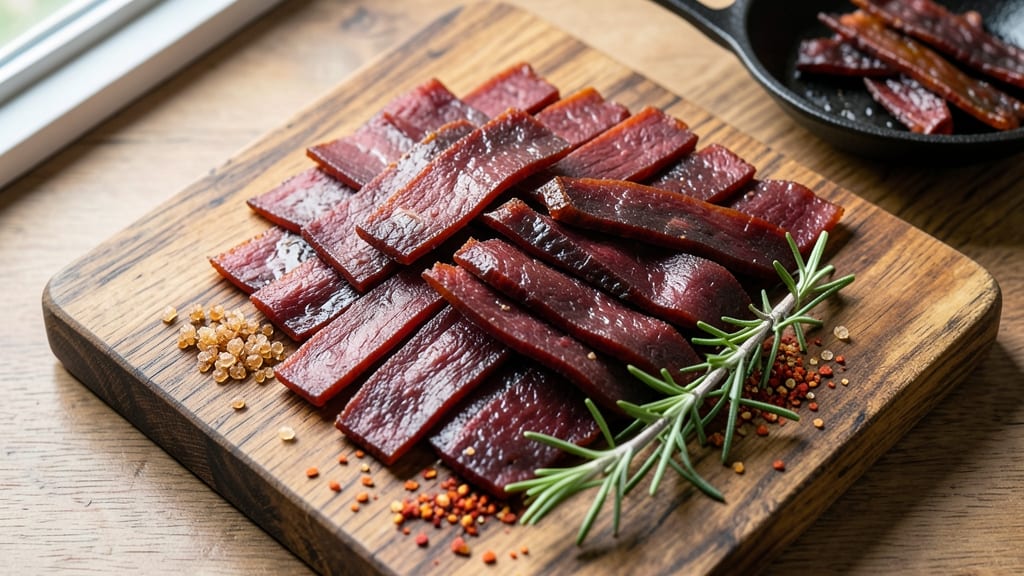
This American Harvest beef jerky recipe transforms tough cuts of beef into chewy, smoky-sweet strips that last for months in your pantry. The secret lies in a precise blend of spices and the right curing process—no shortcuts, just restaurant-quality results at home.
I've perfected this method over years of testing, ensuring every batch delivers that perfect balance of sweetness and smokiness.
What sets this recipe apart is the combination of a well-marinated beef cut with a slow dehydration process, which preserves flavor while creating that signature chewy texture. You'll need a dehydrator or smoker, but the equipment is simple and the steps straightforward.
The marinade uses a blend of brown sugar, smoked paprika, and garlic powder for depth, while the curing process removes all moisture without compromising taste.
By the end, you'll have jerky that's rich, flavorful, and shelf-stable for up to six months—ideal for camping trips, emergency food supplies, or just satisfying that craving for a protein-packed snack.
The process is methodical but rewarding, with each step designed to maximize flavor and texture. This isn't just jerky; it's a versatile, long-lasting protein solution that rivals store-bought versions.
Whether you're a prepper, an outdoor enthusiast, or simply love a good snack, this recipe delivers consistent results every time. The key is patience and precision, but the payoff is worth it. Let's get started on making your own supply of premium beef jerky.
Ingredients for american harvest beef jerky
Tough beef, bold spices, and a curing process that transforms ordinary cuts into restaurant-quality jerky.
| Ingredient | Amount | Notes |
|---|---|---|
| Lean Beef Top Round Roast 🥩 | 2 lb | Tough cut, trimmed of fat |
| Brown Sugar 🍚 | ½ cup | Light or dark variety |
| Smoked Paprika 🌶️ | 2 tbsp | High-quality for smokiness |
| Garlic Powder 🧄 | 1 tbsp | Freshly ground preferred |
| Ground Black Pepper 🌶️ | 1 tbsp | Freshly cracked for heat |
| Ground Cumin 🌿 | 1 tbsp | Toasted for depth of flavor |
| Kosher Salt 🧂 | 1 tbsp | Diamond Crystal preferred |
| Worcestershire Sauce 🍶 | 1 tbsp | Vegan version if needed |
| Liquid Smoke 🔥 | ½ tsp | For extra smokiness |
| Apple Cider Vinegar 🍏 | ¼ cup | For tenderizing and tang |
| Water 💧 | ¼ cup | For marinade consistency |
| Sodium Nitrite Powder ⚗️ | ¼ tsp | Curing salt, optional but recommended |
| Plastic Food-Grade Bags 👜 | 2 whole | For vacuum sealing |
| Sharp Knife ✂️ | 1 whole | For thin slicing |
| Dehydrator or Smoker 🔥 | 1 whole | For curing process |
The beef cut is everything here. Lean top round roast from a quality butcher delivers the perfect texture—tough enough to hold up during dehydration but tender enough to chew. I always grab mine from Costco or Whole Foods where they trim the fat for you, but if you're buying a whole roast, trim it yourself. Look for bright red, well-marbled meat—this ensures flavor and moisture retention. The thinner you slice it (about 1/4-inch thick), the faster and more evenly it'll dehydrate. Sharp knives are non-negotiable—a dull blade crushes the meat instead of slicing cleanly.
No smoked paprika? Substitute with a mix of regular paprika and a pinch of liquid smoke—it won't be identical, but you'll still get that smoky depth. The Worcestershire sauce adds umami, but if you're avoiding anchovies, the vegan version works just as well. Apple cider vinegar is key for tenderizing—white vinegar in a pinch, but it'll be sharper. The sodium nitrite (if using) is optional but extends shelf life dramatically. For the liquid smoke, Traeger brand is my go-to—it's consistent and potent. If you're short on time, you can skip the curing salt, but your jerky will last only about 2 weeks instead of 6 months.
This marinade keeps for up to 1 week in the fridge, but the beef should go in immediately after slicing. Vacuum sealing is ideal, but a ziplock bag with all the air squeezed out works too. Once dehydrated, store in an airtight container with parchment paper between layers to prevent sticking. Shelf life is 6 months if properly dehydrated—test a small piece first to ensure moisture is fully removed. For extra crispiness, reheat slices in a dry pan for 10 seconds before serving.
Why You'll Love This Recipe
- No-Fuss Slicing: I swear by my sharp knife and a steady hand—no fancy equipment needed. That top round roast stays tender when you slice it thin, and the brown sugar rub sticks like glue, so no mess to clean up after.
- Sweet-Smoky Magic: Honestly, the combo of smoked paprika and brown sugar gives it that irresistible caramelized crust. The garlic powder sneaks in just enough warmth to make it taste like a campfire hit the spot.
- Snack Attack Ready: Between us, this jerky disappears fast—perfect for road trips, gym bags, or when I’m craving something salty without the fuss. It keeps for weeks, so I always have a backup stash.
- Budget-Friendly Protein: A pound of top round goes a long way, and the spices cost pennies. I make big batches, portion them out, and freeze extras—no waste, just pure convenience when hunger strikes.
Step-by-step instructions for smoky-sweet American Harvest beef jerky
This method transforms tough beef into tender, flavor-packed jerky that keeps for months.
Prepare and Cure the Beef
Begin by trimming the 2 lb Lean Beef Top Round Roast of any visible fat or silver skin using the sharp knife. This lean cut needs proper curing to prevent spoilage. In a small bowl, combine the 0.5 cup Brown Sugar, 2 tbsp Smoked Paprika, 1 tbsp Garlic Powder, 1 tbsp Ground Black Pepper, 1 tbsp Ground Cumin, 1 tbsp Kosher Salt, 1 tbsp Worcestershire Sauce, 0.5 tsp Liquid Smoke, 0.25 cup Apple Cider Vinegar, 0.25 cup Water, and 0.25 tsp Sodium Nitrite Powder. Mix thoroughly until the sugar dissolves completely.
Place the beef in one of the plastic food-grade bags and pour the curing mixture over it, ensuring every surface is coated. Seal the bag, then massage the beef gently to distribute the mixture evenly. Let it cure in the refrigerator for 24 hours, turning the bag occasionally. This step is crucial—it tenderizes the meat and preserves it safely for long-term storage.
Rinse and Slice the Beef
After curing, remove the beef from the bag and rinse it thoroughly under cold water to remove excess curing solution. Pat it dry with paper towels—this step is essential for preventing mold during dehydration. Using the sharp knife, slice the beef against the grain into ¼-inch thick strips. The grain runs lengthwise, so cutting perpendicularly ensures tender jerky. Arrange the slices on a clean cutting board, leaving space between them to prevent sticking.
For even drying, you can freeze the sliced beef for 1 hour before dehydrating. This helps remove surface moisture, which speeds up the drying process and prevents soggy jerky. I always do this—it makes a noticeable difference in texture and drying time.
Dehydrate or Smoke the Jerky
Set up your dehydrator or smoker to 160°F. If using a dehydrator, arrange the beef slices on the trays in a single layer, ensuring they don’t overlap. For a smoker, place the slices on the racks with space between them to allow smoke circulation. The goal is to dry the jerky thoroughly while preserving its flavor and texture.
Dehydrate for 4-6 hours, checking periodically. The jerky is done when it’s dry to the touch but still pliable—it should snap when bent but not feel brittle. If using a smoker, maintain a steady temperature and monitor closely, as smoke can accelerate drying. The jerky should be completely dry with no moisture remaining, ensuring it will last for months in proper storage.
Cool and Store for Long-Term Enjoyment
Once fully dehydrated, remove the jerky from the dehydrator or smoker and let it cool completely on a wire rack. This cooling step prevents condensation, which can make the jerky soggy. Once cooled, transfer the jerky to an airtight container or vacuum-sealed bag. Store it in a cool, dark place for up to 6 months, or freeze it for even longer shelf life.
The result should be tender, smoky-sweet jerky with a perfect balance of flavors. Each bite should be chewy yet tender, with a deep, caramelized sweetness from the brown sugar and a subtle smokiness from the paprika and liquid smoke. This jerky keeps well, making it an ideal snack for hiking, camping, or just a quick protein boost at home.
Pro Tips For Making American Harvest Beef Jerky
- Trim Thin, Slice Even: Use a sharp boning knife and freeze the beef for 30 minutes first—it’ll stay firmer and slice into perfectly even strips (about ¼-inch thick). I used to fight with uneven cuts, and my jerky would dry at different rates, leaving some chewy and others brittle. This step fixes that.
- Brown Sugar First: Mix the brown sugar with a splash of water (about 1 teaspoon per tablespoon) to turn it into a sticky paste before rubbing it on the beef. It clings better and caramelizes faster during drying, giving you that classic sweet-and-smoky crust without extra effort.
- Skip the Crowding: Hang your jerky strips at least 1 inch apart on the drying rack—no exceptions. I learned this after my first batch stuck together like glue, creating a soggy mess. Proper airflow is non-negotiable for even drying and crisp texture.
- Low and Slow Wins: Start your dehydrator or oven at 160°F (not the max setting) and check after 4 hours. Jerky needs time to dry thoroughly, not just cook—rushing leads to rubbery results. I now set a timer for 6-8 hours total, flipping strips halfway. Patience here makes all the difference.
Flavor customization for this american harvest beef jerky
Sweet Heat Balance
Adjust the sweet-to-spicy ratio by tweaking the brown sugar and black pepper amounts. For a sweeter profile, increase brown sugar to ⅔ cup and reduce black pepper to ½ tbsp.
If you prefer heat, swap ½ tbsp smoked paprika for ½ tbsp cayenne pepper—this adds a sharp kick while keeping the smokiness. I find 1 tbsp brown sugar and 1 tbsp smoked paprika gives the perfect balance for a crowd. 🌶️
Smoky Depth Variations
Want extra smokiness? Add ½ tsp chipotle powder or ¼ tsp smoked sea salt to the marinade. For a milder version, reduce the smoked paprika to 1 tbsp and skip the liquid smoke.
If you’re using a smoker, try hickory or applewood chips—they impart distinct flavors. I’ve found that mesquite smoke works beautifully for a bolder, earthier taste.
Umami Boosters
Enhance the savory depth with 1 tbsp soy sauce or 1 tsp fish sauce (if not avoiding anchovies). For a vegetarian-friendly option, replace Worcestershire with 1 tbsp tamari and 1 tsp miso paste.
These additions add complexity without overpowering the sweet-spicy base. I love the soy sauce + Worcestershire combo—it’s a game-changer for umami lovers. 🍶
Tangy Twist Options
Swap the apple cider vinegar for lemon juice or balsamic vinegar to alter the tang. Lemon juice brightens the flavor, while balsamic adds a deeper, slightly sweet acidity. For a tropical twist, add 1 tsp lime zest to the marinade.
The key is balance—too much tang can overpower the sweetness, so start with ¼ cup and adjust.
Herb Infusions
Add 1 tsp dried rosemary or 1 tsp thyme for an herbal note that pairs beautifully with the smoky-sweet profile. Fresh herbs like cilantro or parsley work too, but add them after dehydrating to preserve their freshness.
I’ve experimented with 1 tsp dried oregano for a Mediterranean-inspired jerky—it’s surprisingly delicious. 🌿
Spice Blend Swaps
Replace the cumin with 1 tbsp coriander for a citrusy brightness or 1 tsp mustard powder for a tangy kick. For a Cajun-inspired twist, add ½ tsp onion powder and ½ tsp thyme.
These swaps let you customize the flavor profile without altering the core technique. My go-to is cumin + coriander for a warm, aromatic depth that complements the sweetness perfectly.
Nutrition facts
Frequently asked questions
Can I use a different cut of beef for this recipe?
While top round roast is ideal, you can use chuck roast or silverside for slightly more tenderness. Avoid fatty cuts like ribeye—the extra fat prevents proper dehydration and creates soggy jerky. Trim all visible fat to maintain texture and shelf life.
What if I don't have a dehydrator or smoker?
You can use an oven set to 175°F with the door slightly open for airflow. Place a wire rack on a baking sheet and dehydrate for 3-4 hours, checking frequently. For extra crispiness, broil for 1-2 minutes at the end—but watch closely to avoid burning!
How do I know when the jerky is fully dried?
The jerky is done when it's dry to the touch but still flexible—it should snap when bent but not crumble. If it feels sticky or moist, dehydrate for 1-2 more hours. Properly dried jerky will keep for months, while under-dried jerky risks spoilage. Pro tip: Use a meat thermometer—it's fully dry when the internal temp reaches 145°F.
Can I make this jerky without curing salt (sodium nitrite)?
Yes, but your jerky will last only 2 weeks in the fridge (vs. 6 months with curing salt). For safety, reduce the curing time to 12 hours and increase the apple cider vinegar to ½ cup. This creates a more acidic environment that inhibits bacteria growth. Freezing is recommended for longer storage.
Why did my jerky turn out too tough or chewy?
Over-dehydration causes toughness, while under-dehydration makes it chewy. Aim for ¼-inch thick slices and dehydrate at 160°F—this balance ensures tender yet firm jerky. If using thicker slices, increase drying time by 1-2 hours. For extra tenderness, marinate the beef for an additional 12 hours before slicing.