
Main Courses
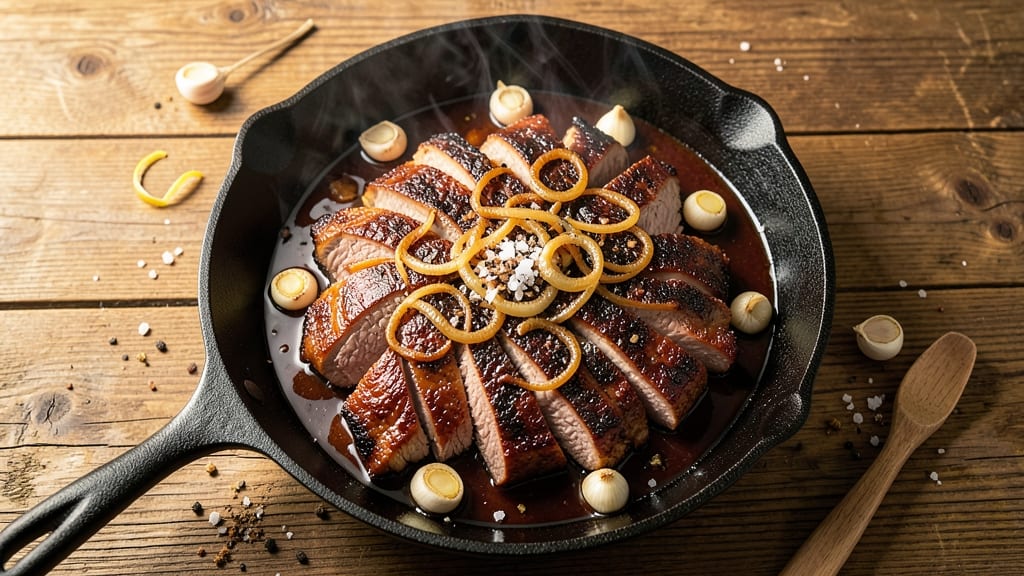
This American beef brisket recipe transforms tough cuts into melt-in-your-mouth perfection through slow-roasting techniques that build deep, smoky flavor layer by layer. The key lies in patience—allowing the connective tissue to break down over hours until the meat practically falls apart at the touch.
I've perfected this method after countless hours in the kitchen, and the results speak for themselves: rich, caramelized bark and tender, buttery slices that make every bite worth the wait.
The process begins with a dry rub of bold spices—smoked paprika, garlic powder, and a touch of cayenne—that clings to the meat while it rests overnight. This ensures maximum flavor penetration before hitting the heat.
Whether you're using a smoker, oven, or slow cooker, maintaining a consistent 225°F temperature is critical for achieving that signature bark without overcooking the interior. The real magic happens when the internal temperature reaches 195-203°F, where collagen melts into gelatin, transforming the texture into something truly exceptional.
What you'll end up with is a brisket that's ready to slice against the grain for those signature, fork-tender strips. The bark should be dark and slightly sticky, while the meat beneath will be so tender it practically dissolves.
This is the kind of dish that turns casual gatherings into memorable feasts—perfect for game day, family dinners, or when you want to impress guests with a restaurant-quality centerpiece. The aroma alone will have everyone anticipating the first bite.
Serve with classic barbecue sides like creamy coleslaw, buttery cornbread, and pickled jalapeños for a complete American spread. The leftovers? Even better the next day, making this recipe both a labor of love and a practical choice for feeding a crowd. Let's get started on creating your showstopping brisket.
Ingredients for american beef brisket
Eight pounds of brisket and a handful of pantry staples transform into showstopping barbecue perfection.
| Ingredient | Amount | Notes |
|---|---|---|
| Beef Brisket (Packer Cut) 🥩 | 8 lb | Whole packer cut preferred |
| Yellow Onion 🧅 | 2 whole | Yellow or red, sliced |
| Fresh Garlic 🧄 | 12 cloves | Peeled, smashed for rub |
| Smoked Paprika 🌶️ | ½ cup | High-quality, not sweet |
| Ground Black Pepper 🌶️ | 2 tbsp | Freshly cracked preferred |
| Coarse Kosher Salt 🧂 | ¼ cup | Diamond Crystal preferred |
| Ground Cumin 🌿 | 1 tbsp | Toasted for depth |
| Cayenne Pepper 🔥 | 1 tsp | Adjust for heat preference |
| Brown Sugar 🍯 | ¼ cup | Light or dark, packed |
| Apple Cider Vinegar 🍎 | 2 tbsp | For tenderizing soak |
| Beef Stock 🍲 | 1 cup | Homemade or high-quality |
| Yellow Mustard 🟡 | 2 tbsp | For bark development |
| Wood Chips (Hickory or Oak) 🌳 | 2 cups | Soaked for 1 hour |
| Butter (Unsalted) 🧈 | ½ cup | Cold, cubed for basting |
The brisket is non-negotiable—packer cut with good marbling is essential for that signature tenderness. Costco and local butcher shops are your best bets for quality cuts. Look for bright red color and visible fat cap—this is where the flavor hides. If you're buying a whole packer, trim excess fat but leave some for flavor. The rub ingredients should be fresh: smoked paprika from Penzeys and toasted cumin from the bulk section make all the difference. I always toast my spices in a dry pan for 30 seconds to wake up their flavors—simple trick, huge impact.
No smoked paprika? Substitute half sweet paprika and half chipotle powder for that smoky kick. Running low on beef stock? Water plus beef bouillon cubes works in a pinch, but real stock adds depth. The apple cider vinegar might seem odd, but it's a game-changer for tenderizing—soak the brisket overnight if time allows. For the wood chips, Traeger or Cookshack brands work perfectly, but any hardwood will do. The butter basting might seem extra, but those cold cubes melt into the bark, creating that irresistible caramelized crust. Trust me on this—it's worth the extra minute to cube it properly.
This brisket is a marathon, not a sprint. The rub keeps best in the fridge for 1 week in an airtight container, but the brisket itself should go straight from the fridge to the heat. If prepping ahead, trim and season the brisket 12 hours before cooking—it needs time to dry-brine. Leftovers? Even better—reheat slowly at 250°F until warmed through. Store in the fridge for 5 days or freeze for 3 months. The bark gets tough when reheated, so save some slices for sandwiches and reheat just the tender meat.
Why You'll Love This Recipe
- Foolproof Prep: This brisket doesn’t demand hours of prep—just a quick sear, a sprinkle of smoked paprika, and a few charred onions. I swear, the hardest part is waiting for the oven to preheat.
- Rich, Smoky Depth: That packer cut? When slow-cooked with garlic and black pepper, it turns into melt-in-your-mouth perfection. The paprika gives it this warm, earthy kick that lingers like a hug.
- Leftovers for Days: Seriously, this makes three full meals—sandwiches, tacos, or even a hearty soup. Between us, the second day is often the best when the flavors meld even deeper.
- Budget Hero: A whole packer cut feeds a crowd without breaking the bank. I’ve fed six people for under $20, and they all ask for seconds. (Yes, even the picky eaters.)
Step-by-step instructions for perfectly tender smoked brisket
This method delivers melt-in-your-mouth brisket with a deep bark and rich smoke flavor.
Prepare the Brisket for Maximum Flavor
Begin by trimming the fat cap of the 8 lb beef brisket (packer cut) to about ¼-inch thickness using a sharp boning knife. Leave the fat on the sides and edges to protect the meat during cooking. Place the brisket fat-side up in a large bowl and pour the 2 tablespoons apple cider vinegar over it. Let it soak for 30 minutes - this tenderizes the meat and enhances flavor penetration.
While the brisket soaks, slice the 2 whole yellow onions into ½-inch thick rounds. Slice the 12 cloves fresh garlic in half horizontally (leave the skins on). In a small bowl, combine the 0.5 cup smoked paprika, 2 tablespoons ground black pepper, 0.25 cup coarse kosher salt, 1 tablespoon ground cumin, and 1 teaspoon cayenne pepper. Mix thoroughly to create your dry rub.
After the vinegar soak, pat the brisket completely dry with paper towels - this is crucial for developing that coveted bark. Generously apply the dry rub all over the brisket, pressing it into the meat so it adheres well. Let the brisket sit at room temperature for 1 hour before smoking, allowing the rub to penetrate and the meat to cook more evenly.
Set Up the Smoker for Low and Slow Cooking
Soak the 2 cups wood chips (hickory or oak) in water for at least 1 hour before using. Preheat your smoker to 225°F using the soaked wood chips. This low temperature is key to achieving tender, juicy brisket. Place a water pan in the smoker to help maintain moisture throughout the long cook.
When the smoker reaches temperature and you see clean, blue smoke (not thick white steam), place the brisket fat-side up on the smoker grates. Position it away from direct heat sources for even cooking. Close the lid and resist the urge to open it during the first 2 hours - every time you peek, you lose heat and moisture.
Let the brisket smoke undisturbed for 6-8 hours, maintaining the 225°F temperature. You'll notice the fat will begin to render and the bark will develop a dark mahogany color. This is when the magic happens - the collagen breaks down into gelatin, creating that signature tender texture.
Handle the Stall and Wrap for Maximum Juiciness
Around the 6-8 hour mark, you'll hit "the stall" - when the internal temperature reaches about 165°F and stops rising. This is normal as moisture evaporates from the meat. Don't panic - this is where the Texas crutch technique comes in.
When you see the temperature stall, wrap the brisket tightly in pink butcher paper (not aluminum foil). This allows the meat to breathe while retaining moisture and pushing through the stall. Return it to the smoker and continue cooking. The wrap also helps develop a better bark than foil would.
Continue smoking until the internal temperature reaches 200-205°F and a meat probe slides in like butter with no resistance. This usually takes another 4-6 hours total cook time. The brisket should have a deep bark on the outside and a beautiful pink smoke ring just beneath the surface.
Rest and Slice for Perfect Texture
Once probe-tender, remove the brisket from the smoker and let it rest in the butcher paper for at least 1 hour (2 hours is ideal). This resting period allows the juices to redistribute throughout the meat, ensuring every slice is moist and flavorful. Place the wrapped brisket in a cooler if you need to hold it before serving.
Unwrap the brisket and locate the grain direction - you'll see lines running through the meat. Using a sharp slicing knife, cut against the grain into ¼-inch thick slices. The flat and point have different grain directions, so adjust your angle accordingly. Serve immediately while still warm.
To finish, melt the 0.5 cup cold, cubed unsalted butter in a small saucepan over low heat. Add the 1 cup beef stock and 2 tablespoons yellow mustard, whisking until smooth. Pour this rich basting sauce over the sliced brisket before serving. Each bite should deliver that perfect balance of tender meat, smoky flavor, and rich basting sauce.
Pro Tips For Making American Beef Brisket
- Trim the Fat First: The packer cut’s fat cap is your friend—but only if you score it first. Use a sharp knife to cut shallow slits (about ¼-inch deep) through the fat in a diamond pattern. This lets the fat render into the meat instead of pooling on top, so you end up with a brisket that stays juicy and develops that deep, caramelized flavor without turning greasy. (Yes, it takes 10 minutes, but skipping it means fighting fat splatter later.)
- Don’t Rush the Sear: High heat. Seriously, crank it up until the onions are sizzling like they’re auditioning for a horror movie. A proper sear on the brisket (5-7 minutes per side) locks in those Maillard reactions before you add liquid. I used to walk away too soon, and the result? A brisket that tasted like it was almost cooked—just not quite. Let it get dark brown, even if it means your kitchen smells like a barbecue joint for 10 minutes.
- Garlic Minus the Burn: Smash those garlic cloves with the flat side of your knife before tossing them in—no chopping needed. Whole cloves buried in the onions will burn and turn bitter, but smashed ones soften just enough to infuse flavor without turning to ash. (Pro move: Add them in the last 10 minutes of cooking so they don’t disappear into oblivion.)
- Rest Before Slicing: The brisket’s done when it hits 195°F internally, but if you slice it immediately, all that rendered fat and juice will run straight onto your cutting board. Tent it loosely with foil and let it sit for 15-20 minutes—this lets the fibers relax and the juices redistribute. I learned this the hard way after serving a brisket that looked dry because I was too excited to eat it. (Your guests won’t notice the wait.)
Regional styles of this american beef brisket
Texas BBQ Style
In Texas, brisket reigns supreme as the star of barbecue culture. The signature approach involves a 225°F low-and-slow smoke using post oak or pecan wood chips for a sweeter, more aromatic flavor profile.
Texas pitmasters like Franklin Barbecue and Lockhart Smokehouse swear by the "Texas Crutch"—wrapping the brisket in butcher paper (not foil) at 165°F internal temperature to push through the stall while maintaining bark crispness. The final touch?
A beef tallow or beef fat drizzle over slices before serving, adding rich, unctuous flavor. 🌶️
Carolina Pitmaster Technique
North Carolina's approach focuses on vinegar-based sauces and a slightly higher smoke temperature of 250°F for a faster cook. Lexington-style BBQ (from places like Lexington Barbecue) involves a tangy tomato-vinegar sauce served on the side, not on the meat.
The brisket here is often cooked with hickory wood chips and basted with apple cider vinegar and hot sauce during the last hour to create a glossy, slightly sticky bark. The meat is sliced thickly—½-inch slices—to showcase its tenderness. 🔥
Kansas City Sweet & Smoky
Kansas City brisket stands out for its sweet, molasses-based rubs and bold spices like chili powder and cinnamon. Pitmasters here often use a 3-2-1 method: 3 hours unwrapped, 2 hours wrapped in foil, then 1 hour unwrapped to develop bark.
The city's signature sauce—thick, sweet, and slightly sticky—is applied during the final hour of cooking. Joe's Kansas City Bar-B-Que is famous for their brown sugar and molasses glaze that caramelizes beautifully on the bark. 💫
Memphis Dry-Rub Tradition
Memphis brisket is all about the dry rub—a mix of brown sugar, paprika, and black pepper—and a focus on hickory smoke for a bold, smoky flavor. Unlike Texas, Memphis brisket is often cooked at 275°F to speed up the process while still achieving tenderness.
The key technique here is spritzing the brisket every hour with apple juice to keep it moist. Serve it with white bread (not buns) and a side of pickled okra for the full Memphis experience. 💪
Modern Competition Style
Competition barbecue takes brisket to the next level with multi-stage cooking and precise temperature control. Pitmasters like Aaron Franklin use a reverse sear approach: 16 hours at 225°F, then a 10-minute blast at 500°F to create a crispy bark while keeping the interior tender.
The rub often includes celery salt and garlic powder for depth, and the bark is finished with a beef fat baste for extra richness. This style is all about perfection and presentation, making it ideal for showstopping dishes. ✨
Nutrition facts
Frequently asked questions
What's the difference between a packer cut and a flat cut brisket?
The packer cut (whole brisket) includes both the flat and point sections, giving you more meat and better flavor. The flat cut is leaner and cooks faster but lacks the tenderness of the point. For this recipe, always use the packer cut—it's worth the extra effort for that signature melt-in-your-mouth texture. The point adds juicy, fatty layers that keep the meat moist during the long cook.
Why does my brisket turn out dry even after hours of cooking?
Dry brisket usually means one of three things: overcooking past 205°F, opening the smoker too often, or not resting properly. The key is patience—pull it when it reaches 200-203°F and rests for at least 1 hour. Also, keep a water pan in the smoker to maintain moisture. If you're using foil, switch to butcher paper for better bark while keeping the meat tender.
Can I cook brisket in the oven instead of a smoker?
Set your oven to 250°F (the closest you can get to smoker temps) and use a meat thermometer to monitor the internal temperature. Place the brisket on a rack over a tray of water to mimic the moisture of a smoker. The cook time will be longer—8-12 hours—but the results will be just as tender. For extra flavor, add wood chips to a foil packet and place it on the oven rack near the brisket.
How do I know when the brisket is done without a thermometer?
While a thermometer is ideal, you can use the fork test: Insert a fork into the thickest part of the meat. If it slides in like butter with no resistance, it's ready. Also, the bark should be dark and slightly sticky, and the meat should pull away from the bone easily. For the point section, it should feel almost jelly-like when pressed. Just remember—this method is less precise, so check frequently after 6 hours.
What's the best way to reheat leftover brisket?
Never microwave—it turns the meat tough. Instead, slice the brisket and reheat in a 300°F oven for 15-20 minutes with a splash of beef broth to keep it moist. For sandwiches, warm the bread separately and assemble fresh. If you have leftovers with bark, save those slices for sandwiches (the bark reheats better than you'd think) and reheat just the tender meat from the center.