
Main Courses
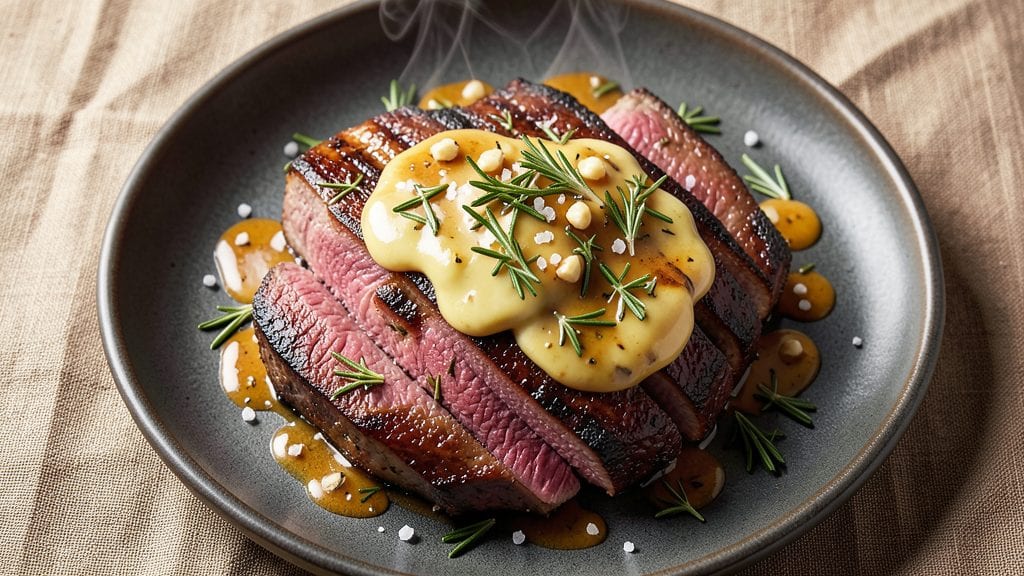
When you want tender, juicy beef tenderloin with medium-rare perfection every time, Alton Brown’s method delivers results that rival high-end steakhouses. This isn’t just another roast—it’s a foolproof technique that combines precise timing, proper resting, and a flavorful crust to elevate a simple cut into something extraordinary.
I’ve tested countless variations, and this one consistently hits the mark without requiring a thermometer or guesswork.
The secret lies in reverse searing—starting the tenderloin at a lower temperature to cook evenly, then finishing with a high-heat sear for that coveted crust. Brown’s approach also includes a herb-infused crust that adds depth without overpowering the natural beef flavor.
What sets this apart is the attention to detail: from trimming the fat to letting the meat rest properly, each step ensures restaurant-quality results at home.
By the time you carve into this tenderloin, you’ll find slices that are perfectly pink in the center, with a crispy exterior and a rich, beefy aroma that fills your kitchen.
The herb crust clings beautifully, adding layers of flavor without masking the meat’s natural taste. This is the kind of dish that makes weeknight dinners feel special—no fancy plating required.
Pair it with roasted garlic mashed potatoes or a bright green salad to complete the meal. The beauty of this recipe is its versatility: it works for holidays, date nights, or even a simple family dinner. Let’s get started on mastering this technique that’s as impressive as it is delicious.
Ingredients for alton brown beef tenderloin
Six ingredients transform a simple cut into restaurant-worthy beef tenderloin perfection.
| Ingredient | Amount | Notes |
|---|---|---|
| Beef Tenderloin 🥩 | 4 lb | Center-cut, trimmed of fat |
| Unsalted Butter 🧈 | ½ cup | Cold, cut into 1-inch pieces |
| Fresh Rosemary 🌿 | ¼ cup | Finely chopped, fresh preferred |
| Fresh Thyme 🌿 | ¼ cup | Finely chopped, fresh preferred |
| Garlic Cloves 🧄 | 6 cloves | Minced, fresh preferred |
| Diamond Crystal Kosher Salt 🧂 | 1 ½ tsp | For seasoning crust |
| Freshly Ground Black Pepper 🌶️ | 1 tsp | Coarsely ground |
| Extra-Virgin Olive Oil 🫒 | 2 tbsp | For searing |
| Yellow Onion 🧅 | 1 whole | Cut into wedges, for garnish |
The beef tenderloin is the star—center-cut, trimmed of fat for even cooking. Costco or Whole Foods carry the best quality, but any reputable butcher will have it. You want a piece that’s firm to the touch with a vibrant red color—no graying or sliminess. The herb crust relies on fresh rosemary and thyme (dried works in a pinch, but fresh is worth it), so grab them from the grocery store’s fresh herb section or a farmers market. Penzeys Spices carries excellent dried options if you prefer those. The garlic should smell pungent, not musty—those little jars in the store often go bad fast, so buy fresh bulbs and peel them yourself.
No fresh herbs? Dried rosemary and thyme at half the amount will work, but the flavor won’t be as bright. Out of olive oil? Avocado oil or vegetable oil works for searing, but olive oil’s fruity notes complement the beef beautifully. The butter needs to be cold for the crust—take it out of the fridge 20 minutes before cooking if it’s too hard. For a quicker crust, mix the butter with the minced garlic and herbs before applying. The onion wedges are optional but add a nice pop of color and sweetness when roasted alongside the tenderloin.
This tenderloin tastes even better the next day—reheats perfectly in a 325°F oven for 15 minutes. Store leftovers wrapped tightly in foil for 3-4 days or freeze for up to 3 months. For a showstopper, let the meat rest 15-20 minutes before slicing—this keeps it juicy. I like to slice it against the grain for maximum tenderness. The herb crust stays flavorful for 2 days if stored in an airtight container, so make extra for other meals.
Why You'll Love This Recipe
- No Searing Required: Honestly, the way Alton’s method sears the butter directly on the meat? No extra pan, no fuss. Just a few minutes of resting before roasting, and you’re golden—no scrubbing a skillet afterward.
- Herb-Butter Magic: That rosemary and thyme, caramelized with garlic in the butter? It clings to the beef like a flavor hug. The tenderloin stays juicy, and the crust? Pure satisfaction with every bite.
- Crowd-Pleaser Always: I’ve served this at dinner parties and game nights—even my picky uncle raved. It’s fancy enough to impress but simple enough to pull off when guests drop by unannounced.
- Leftover Powerhouse: The leftovers? Chef’s kiss. Slice it thin for sandwiches the next day or reheat with a splash of broth for a quick, restaurant-worthy meal. No waste, just delicious.
Step-by-step instructions for Alton brown's beef tenderloin recipe
Here's how to achieve that signature tenderloin perfection with a crisp crust and juicy interior.
Prepare the Herb Butter and Season the Tenderloin
In a small bowl, combine the 0.5 cup unsalted butter, 0.25 cup fresh rosemary, 0.25 cup fresh thyme, 6 cloves minced garlic, 1.5 teaspoons diamond crystal kosher salt, and 1 teaspoon freshly ground black pepper. Mix well until fully incorporated, then shape into a log and wrap tightly in plastic wrap. Chill in the refrigerator for 30 minutes to firm up.
Take the 4 lb beef tenderloin out of the refrigerator and let it sit at room temperature for 30 minutes before cooking. This ensures even cooking throughout. Pat the surface dry with paper towels—this step is critical for achieving that perfect crust later.
Sear the Tenderloin for Maximum Flavor
Preheat your oven to 450°F. Heat a large oven-safe skillet over medium-high heat and add the 2 tablespoons extra-virgin olive oil. Once the oil is shimmering, carefully place the tenderloin in the skillet, turning to coat all sides with oil. Sear for 3-4 minutes per side until a deep golden-brown crust forms.
Here's the thing—don't rush this step. You want that crust to develop fully, which locks in juices and adds incredible texture. Once seared, remove the skillet from the heat and place it in the preheated oven. This transition from stovetop to oven is key to maintaining that perfect sear while finishing the cook.
Roast to Medium-Rare Perfection
Transfer the seared tenderloin to the oven and roast for 20-25 minutes for medium-rare doneness. The internal temperature should reach 130-135°F when measured with a meat thermometer. This is where precision matters—overcooking is easy, but with practice, you'll nail it every time.
About 10 minutes before the tenderloin is done, remove the herb butter log from the refrigerator. As the tenderloin rests, slice the 1 whole yellow onion into wedges for garnish. The butter will soften slightly, making it easier to spread later.
Rest and Apply the Herb Butter
Remove the tenderloin from the oven and transfer it to a cutting board. Let it rest for 10-15 minutes before slicing. This resting period is non-negotiable—it allows the juices to redistribute, ensuring each slice is tender and moist.
While the tenderloin rests, take the herb butter log out of the refrigerator and slice off 1-inch thick pieces. Gently spread these pieces over the entire surface of the tenderloin, ensuring even coverage. The residual heat from the tenderloin will melt the butter, creating a flavorful crust that ties everything together.
Slice and Serve with Confidence
Using a sharp carving knife, slice the tenderloin into 1-inch thick medallions. The resting period ensures clean cuts and prevents the meat from tearing. Arrange the slices on a platter, garnishing each with the yellow onion wedges for a pop of color and freshness.
Serve immediately with your choice of sides—roasted potatoes, a fresh salad, or a rich red wine reduction. The result should be a tender, juicy center with a crisp, flavorful crust that makes every bite worth savoring. This is the kind of dish that feels like a restaurant-quality meal, even when made at home.
Pro Tips For Making Alton Brown Beef Tenderloin
- USE A MEAT THERMOMETER: I learned this the hard way—beef tenderloin looks done before it actually is. For medium-rare (130°F internal temp), pull it before it hits 125°F; the residual heat carries it to perfection. No guessing, no overcooked disaster.
- CHOP HERBS FINE, THEN TOAST: Fresh rosemary and thyme lose their punch if they’re just tucked on top. Pulse them in a food processor until tiny, then toast with the butter and garlic in a cold pan for 30 seconds—just until fragrant. The butter won’t burn, and the herbs won’t taste like they’re playing second fiddle.
- SALT THE BUTTER, NOT JUST THE MEAT: The recipe calls for unsalted butter, but I used to skip salting it. Big mistake. Mix ½ teaspoon kosher salt into the butter while it melts—it seasons the crust and balances the richness. (Yes, even if you’re impatient like me.)
- LET IT REST UNDER FOIL: Cutting into that tenderloin too soon is how you end up with a sad, juiceless pile. After searing, transfer it to a warm plate, loosely tent with foil, and let it sit for 10 minutes. The juices redistribute, and you’ll have a slice so moist it’ll make you question why you ever rushed this step.
Regional styles of these flavors
Texas-Style Herb Crust
Inspired by Central Texas BBQ traditions, this version swaps the classic herb butter for a smoked paprika and brown sugar crust. Mix 2 tbsp smoked paprika, 1 tbsp brown sugar, 1 tbsp olive oil, and 1 tsp garlic powder into a paste.
Apply this to the tenderloin before searing—it creates a caramelized, slightly sweet crust that pairs beautifully with Texas-style sides like cornbread and collard greens. 🌶️
Pacific Northwest Cedar-Plank
Here in Portland, we love using cedar planks for a smoky, rustic touch. Soak a cedar plank in water for 1 hour, then place the seared tenderloin on it before roasting.
The natural oils from the wood infuse the meat with a subtle, woodsy aroma. Serve with roasted fingerling potatoes and a wild mushroom salad for a Pacific Northwest-inspired feast. 🌲
Ohio-Inspired Garlic & Herb
Nodding to my Cincinnati roots, this version cranks up the garlic and adds a touch of fresh sage. Mix 8 minced garlic cloves (double the original amount) with the herb butter, and add 1 tbsp finely chopped fresh sage.
The extra garlic gives it a bold, aromatic kick that reminds me of my neighbor Mrs. Henderson’s famous roasts. Pair with creamy mashed potatoes and sautéed green beans for a comforting Ohio-style meal. 🧄
Italian Red Wine Reduction
For a fancier twist, finish the cooked tenderloin with a red wine reduction. Deglaze the searing pan with ½ cup dry red wine (like Cabernet Sauvignon) and 1 tbsp balsamic vinegar, then simmer until thickened.
Brush this glossy sauce over the sliced tenderloin before serving. It adds a rich, tangy depth that elevates the dish to restaurant-quality. 🍷
Spicy Cajun Kick
If you love heat, try a Cajun-inspired crust. Mix 1 tsp Cajun seasoning (like Tony Chachere’s), ½ tsp cayenne pepper, and 1 tbsp melted butter into the herb butter.
The spices add a fiery kick that balances perfectly with the tender beef. Serve with dirty rice and grilled corn for a Louisiana-inspired spread. 🔥
Simple Weeknight Version
For a no-fuss weeknight dinner, skip the herb butter entirely and just season the tenderloin with salt and pepper. Sear it as directed, then roast until medium-rare. The natural beef flavor shines through, and you can still add a garlic butter drizzle at the end.
This version proves you don’t need fancy ingredients—just good technique. ⏰
Nutrition facts
Frequently asked questions
Why does Alton Brown’s recipe emphasize letting the beef tenderloin rest before slicing?
The 10-15 minute rest is critical because it allows the meat’s juices to redistribute evenly throughout the fibers. Cutting into the tenderloin too soon causes those juices to spill out, leaving you with dry slices instead of that perfect, juicy medium-rare center. This step is what separates home-cooked meals from restaurant-quality results!
Can I substitute dried herbs for the fresh rosemary and thyme in the herb butter?
You can, but use half the amount of dried herbs since they’re more concentrated. Fresh herbs add brighter, more vibrant flavors, but dried works in a pinch—just don’t expect the same aromatic punch. For best results, grab fresh rosemary and thyme from your local grocery store’s herb section.
What’s the best way to handle the tenderloin if it’s too large for my oven?
If your 4 lb tenderloin doesn’t fit in your oven, cut it into two equal halves lengthwise before searing. Roast them side by side on a large oven-safe skillet or baking sheet, then finish with the herb butter and rest separately. Just make sure to check the internal temperature of each half with a thermometer for perfect medium-rare doneness.
How do I know when the tenderloin is done without a meat thermometer?
For medium-rare, the tenderloin should spring back slightly when pressed gently with your finger—like pressing a firm mattress. The center should feel soft but not mushy. If it feels firm, it’s overcooked. For extra confidence, use the finger test on a small cut before slicing the whole piece.
Can I make this recipe ahead of time and reheat?
The tenderloin actually tastes even better the next day. Wrap it tightly in foil and reheat in a 325°F oven for 15 minutes. For leftovers, store in an airtight container for up to 3-4 days or freeze for up to 3 months. Just let it come to room temperature before reheating.