
Soups & Stews
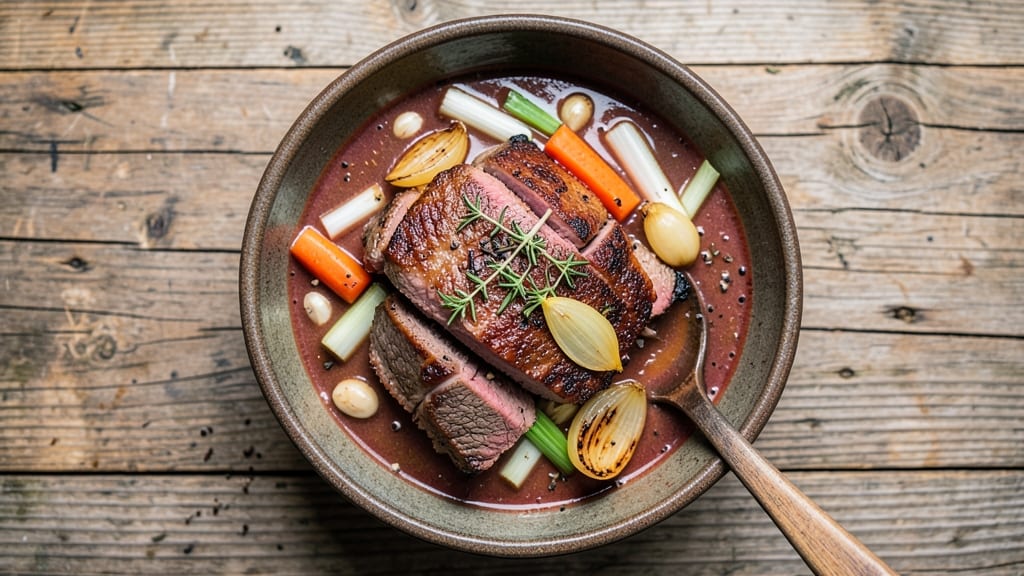
All natural beef stew transforms tough cuts into tender, flavor-packed comfort that feels like a home-cooked hug. 🔥 The secret lies in slow-cooked depth—where grass-fed beef develops rich, caramelized flavors without artificial additives. This recipe delivers restaurant-quality umami using only whole ingredients, no preservatives or shortcuts. What sets this apart is the technique: proper browning of the meat creates a flavorful crust that infuses the broth, while aromatic vegetables and herbs build complexity naturally. The result is a hearty stew with melt-in-your-mouth beef, tender vegetables, and a velvety sauce that tastes even better the next day. Perfect for chilly evenings, this stew serves 6-8 and comes together in just 15 minutes of prep before slow cooking. The Dutch oven method ensures even heat distribution, while the Instant Pot version cuts cooking time in half without sacrificing flavor. Serve with crusty bread or roasted potatoes to soak up every last drop of that naturally rich broth. Here's how to make it from scratch.
Ingredients for all natural beef stew
Sixteen ingredients transform tough beef into melt-in-your-mouth richness through slow-cooked umami perfection.
| Ingredient | Amount | Notes |
|---|---|---|
| Grass-Fed Beef Chuck Roast 🥩 | 3 lb | Cut into 1.5-inch cubes, trimmed of excess fat |
| Yellow Onions 🧅 | 2 whole | Medium, sliced into half-moons |
| Carrots 🥕 | 4 whole | Medium, peeled and cut into chunks |
| Celery Stalks 🥬 | 4 whole | Fresh, cut into 1-inch pieces |
| Garlic Cloves 🧄 | 6 cloves | Fresh, peeled and smashed |
| Fresh Thyme Sprigs 🌿 | 4 whole | Stems removed, leaves stripped |
| Fresh Rosemary Sprigs 🌿 | 2 whole | Needs removed, leaves chopped |
| Tomato Paste 🍅 | ½ cup | High-quality, no added salt |
| Dry Red Wine 🍷 | 1 cup | Bold, like Cabernet Sauvignon |
| Beef Bone Broth 💧 | 4 cups | Homemade or high-quality store-bought |
| Extra-Virgin Olive Oil 🫒 | 2 tbsp | For searing meat |
| Diamond Crystal Kosher Salt 🧂 | 1 ½ tsp | For seasoning, adjust to taste |
| Freshly Ground Black Pepper 🌶️ | 1 tsp | Coarsely ground |
| Bay Leaves 🍃 | 2 whole | Dried, for depth of flavor |
| All-Purpose Flour 🌾 | 2 tbsp | For thickening broth if needed |
The grass-fed beef chuck roast is the foundation—look for marbled cuts with visible fat for tenderness. Local butchers often carry better quality than grocery stores, but the pre-cubed chuck roast at Whole Foods or Costco works perfectly. Trim excess fat before browning to avoid a greasy stew, but leave some for flavor. Fresh thyme and rosemary from the produce section (not dried) add vibrant herbal notes that dried versions can't replicate. For wine, any bold, dry red works—Cab Sauv, Merlot, or whatever's open—but avoid sweet varieties. San Marzano tomato paste elevates the sauce with concentrated umami, but high-quality store brands suffice in a pinch.
No grass-fed beef? Organic chuck roast from the grocery store still delivers great results. Substitute red wine vinegar for wine (1:1 ratio) if needed, though the depth won't match. Fresh herbs wilt fast—use dried thyme and rosemary at one-third the amount if you're short. For broth, homemade bone broth is ideal, but low-sodium store-bought works if you reduce it first. The carrots and celery can be swapped for turnips or parsnips for variety. If you lack tomato paste, 1/4 cup crushed tomatoes (with seeds removed) works in a bind. The flour is a last-resort thickener—this stew should be saucy, not glued together.
Store prepped ingredients in airtight containers: raw beef in the coldest part of the fridge for up to 3 days, while chopped veggies keep 5 days submerged in water. The stew reheats beautifully—simmer gently to avoid breaking the meat. Leftovers stay fresh for 4-5 days in the fridge or 3 months frozen. For meal prep, portion into individual containers with broth on top to preserve moisture. The flavor deepens overnight, so double the batch—it's worth the extra effort.
Why You'll Love This Recipe
- No Chopping Chaos: I swear by this recipe because you can literally dump the whole onion, carrots, and celery into the pot—peels and all. The slow cook makes them tender anyway, and honestly? No one notices the extra texture.
- Deep, Rich Taste: That grass-fed beef chuck breaks down into melt-in-your-mouth perfection, while the garlic and onions caramelize into a flavor bomb. It’s the kind of stew where you finish your bowl and immediately wish you’d made twice as much.
- Weeknight Magic: Between us, this is my go-to when I’m too tired to think. Toss everything in, let it simmer, and by dinner, you’ve got a hearty, satisfying meal with zero stress. (Yes, even on a Tuesday night.)
- Leftovers That Don’t Suck: Here’s what sold me—this stew actually improves the next day. The flavors meld even more, and it reheats like a dream. I freeze half for lazy Mondays, and no one ever complains.
Step-by-step instructions for all natural beef stew
This method delivers deep umami flavor through proper searing and slow reduction—no shortcuts.
🔥 Step 1: Sear the Beef for Maximum Flavor
Heat a heavy Dutch oven over medium-high heat until hot. Add the 2 tablespoons extra-virgin olive oil and swirl to coat. Working in batches to avoid crowding, add the 3 lb grass-fed beef chuck roast cubes and sear for 2-3 minutes per side until deeply browned. This creates the Maillard reaction that forms the stew's rich foundation.
Real talk: Don't skip this step. The browned crust contains concentrated beef flavor that dissolves beautifully into the broth. If the pan gets too crowded, reduce heat slightly to prevent steaming instead of searing. Transfer seared beef to a plate and set aside.
👨🍳 Step 2: Build the Aromatic Base
In the same Dutch oven, add the 2 whole yellow onions, 4 whole carrots, and 4 whole celery stalks cut into pieces. Cook for 5 minutes stirring occasionally until softened. Add the 6 cloves smashed garlic cloves, 4 whole fresh thyme sprigs, and 2 whole fresh rosemary sprigs, cooking for another 1 minute until fragrant.
Here's the thing—these vegetables form the flavor backbone. The onions should sweat and soften before adding liquids, ensuring their sweetness develops fully. If they brown too quickly, reduce heat to medium to prevent burning.
🍳 Step 3: Deglaze and Develop Depth
Pour in the 1 cup dry red wine and scrape up all the browned bits from the bottom of the pot with a wooden spoon. This deglazing captures all that seared flavor. Let it simmer for 3 minutes until reduced by half. Stir in the 0.5 cup tomato paste and cook for 1 minute to develop its caramelized depth.
This is where the wine's acidity and tomato paste's umami work together. You'll notice the mixture darkens and thickens slightly—this is exactly what we want. Don't rush this reduction; patience here equals flavor payoff later.
🥘 Step 4: Simmer the Stew Low and Slow
Return the seared beef to the pot. Add 4 cups beef bone broth, 1.5 tsp diamond crystal kosher salt, 1 tsp freshly ground black pepper, and 2 whole bay leaves. Bring to a gentle simmer, then reduce heat to low (about 300°F on most stoves). Cover partially and cook for 2.5-3 hours until the beef is fork-tender.
This long cook time transforms tough chuck roast into meltingly tender beef. Check occasionally and add ½ cup water if the liquid reduces too much. The stew should have a rich, velvety consistency but not be soupy. If it needs thickening, mix the 2 tablespoons all-purpose flour with 2 tablespoons cold water and stir it in during the last 30 minutes.
⏰ Step 5: Rest and Serve with Confidence
Once the beef is tender, remove the bay leaves and adjust seasoning if needed. Let the stew rest for 15 minutes before serving. This resting period allows flavors to meld and the broth to thicken slightly. The beef should pull apart easily with a fork, and the broth should coat the back of a spoon with a glossy sheen.
Serve immediately with crusty bread to soak up that rich broth. The result should be a deeply flavorful stew where each bite delivers tender beef, aromatic vegetables, and a complex broth that sings with umami from the proper cooking technique.
Pro Tips For Making All Natural Beef Stew
- SEAR THE CHUCK FIRST: Grass-fed beef needs a good crust to hold up during hours of simmering. Heat your Dutch oven until it’s smoking, pat the chuck very dry with paper towels, then sear each side for 3-4 minutes—don’t rush, or you’ll end up with gray, tough meat. I used to skip this, and the stew always tasted underwhelming.
- CHOP VEGETABLES UNIFORM: Onions, carrots, and celery should be cut into even ½-inch chunks—no tiny bits, no giant hunks. Uneven cooking means some veggies turn to mush while others stay crunchy. Use a knife skill you’re comfortable with (mandoline if you’re brave, chef’s knife if you’re not), but consistency is the thing that matters most.
- DON’T SKIP THE BROWN: After searing the beef, scrape up all those browned bits from the bottom of the pot with a wooden spoon—those are flavor bombs. Deglaze with a splash of red wine or beef broth (whichever your recipe calls for), and let it simmer for 2-3 minutes. I learned this the hard way—skipping it makes the stew taste bland, no matter how long you cook it.
- LOW AND SLOW WINS: After adding liquids, bring the stew to a gentle simmer, then cover and cook at 300°F (150°C) for 3-4 hours—not a rolling boil. High heat ruins the texture of the chuck, and grass-fed beef needs patience to tenderize. Set a timer and walk away; this isn’t a dish you can babysit.
Flavor customization for this dish
Herb Variations
Swap the fresh thyme and rosemary for 1 tbsp dried sage and 1 tsp dried marjoram if you prefer earthier notes. For a Mediterranean twist, add 1 tsp dried oregano and ½ tsp crushed red pepper flakes during the simmer.
Fresh tarragon or a bay leaf with a cinnamon stick creates a French-inspired depth—just remove them before serving. 🌿
Spice Level Control
Add ½ tsp smoked paprika with the tomato paste for a subtle smoky undertone. For heat, stir in 1-2 tsp cayenne pepper during the final 30 minutes of cooking.
If you love chili, fold in 1 tbsp chipotle powder when deglazing with wine. Always taste first—adjust gradually to avoid overwhelming the beef's natural flavor.
Vegetable Swaps
Replace carrots with 4 cups sliced mushrooms for an earthy depth, or add 2 diced potatoes during the last 1 hour of cooking to prevent mushiness. For a winter version, include 2 parsnips and 1 small rutabaga (peeled and cubed).
Root vegetables like turnips or celeriac add unique textures—just increase cooking time by 15-20 minutes.
Protein Alternatives
Substitute 3 lb grass-fed beef with 3 lb lamb shoulder for a Middle Eastern-inspired twist, or use 3 lb short ribs (trimmed) for extra richness. For a vegetarian option, replace beef with 2 cups dried lentils or 1 lb extra-firm tofu (pressed and cubed).
The cooking time for lentils is 20-25 minutes less than beef, so adjust accordingly.
Wine & Broth Upgrades
Swap red wine for 1 cup apple cider (with 1 tsp balsamic vinegar) for a sweet-tart balance. For depth without alcohol, use 1 cup beef broth + 1 tbsp soy sauce.
Upgrade the broth with 2 cups homemade chicken broth and ½ cup white wine for a lighter, brighter stew. Always reduce the liquid by half before adding to concentrate flavors. 🍷
Finishing Touches
Brighten the stew with 1 tbsp lemon juice and 2 tbsp chopped parsley before serving. For a creamy texture, stir in ¼ cup crème fraîche or 2 tbsp mascarpone cheese in the last 5 minutes.
A sprinkle of toasted breadcrumbs adds crunch, while a drizzle of truffle oil elevates the dish to gourmet status. Garnish with fresh herbs for color and freshness.
Nutrition facts
Frequently asked questions
Why does searing the beef matter in this recipe?
The searing step creates the Maillard reaction, which develops deep, caramelized flavors that dissolve into the broth. Skipping it results in a bland, watery stew. For best results, work in batches to avoid crowding the pan—this ensures each piece gets properly browned before adding liquids.
Can I use a slow cooker instead of a Dutch oven?
Yes! Brown the beef first in a skillet, then transfer everything to the slow cooker. Cook on low for 7-8 hours or high for 4-5 hours. The slow cooker method is perfect for hands-off prep, though the Dutch oven version delivers slightly deeper flavor from controlled heat.
What if my stew is too watery after cooking?
Simmer uncovered for 10-15 minutes to reduce the liquid naturally. If that doesn't work, mix 1 tbsp cornstarch with 1 tbsp cold water, stir it into the stew, and cook for 2-3 minutes until thickened. Avoid flour—it can make the stew taste gritty.
How do I store leftovers to keep them tasting fresh?
Cool the stew completely before transferring to airtight containers. Store in the fridge for up to 5 days or freeze for 3 months. To reheat, warm gently on the stove over low heat or in the microwave at 50% power, stirring occasionally. The flavors actually improve overnight!
What's the best way to reheat beef stew?
Never microwave directly from the fridge—this can make the meat tough. Instead, transfer to a pot and reheat over low heat until bubbling, then simmer for 5-10 minutes. For extra richness, add 1-2 tbsp broth or water while reheating. If using the microwave, cover and heat in 30-second bursts, stirring between each.