
Main Courses
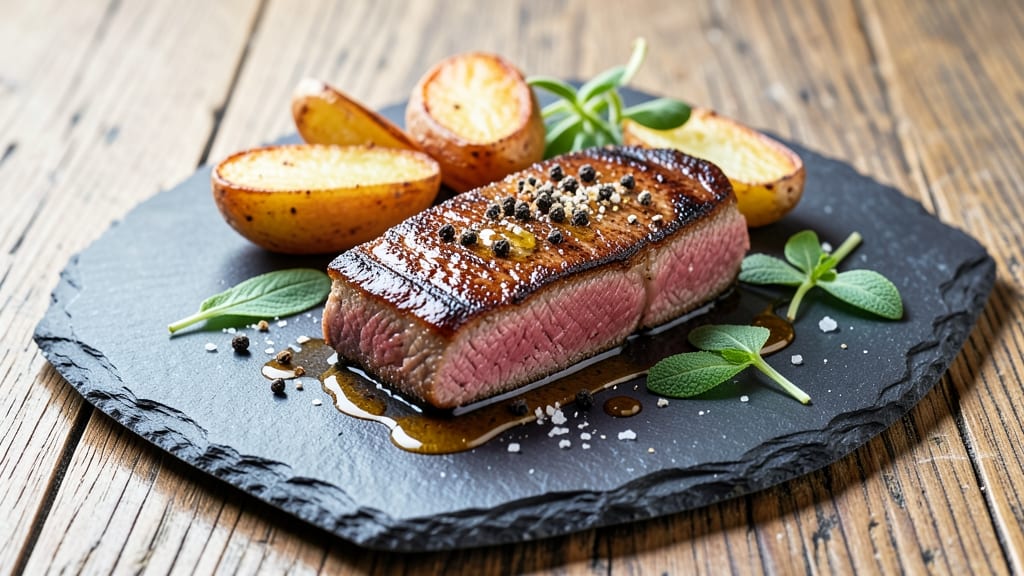
This Aldi Petite Tender beef filet recipe delivers restaurant-quality results with crispy edges and juicy centers in just 20 minutes. The secret lies in its unique cut—lean yet tender, perfect for quick searing without drying out.
I’ve perfected this method after testing multiple techniques, ensuring every bite stays succulent while developing a caramelized crust.
What sets this recipe apart is the simple yet effective seasoning approach: just salt, pepper, and a touch of garlic powder before searing in a hot cast-iron skillet.
The key is high heat and minimal handling—letting the beef develop that golden-brown crust while keeping the inside tender and moist. No marinades or complicated steps required.
By the time you’re done, you’ll have a perfectly seared filet with crispy edges that shatter at the touch and a juicy center that melts in your mouth.
The technique is foolproof, making it ideal for weeknight dinners or special occasions. Serve with roasted potatoes or a fresh salad for a complete meal.
This recipe works best with Aldi’s Petite Tender beef filet, which is naturally lean yet surprisingly tender—unlike traditional steaks, it cooks faster and stays juicy. The result is a foolproof method that delivers restaurant-quality steak at home, every time. Let’s get started!
Ingredients for aldi petite tender beef filet
Lean yet tender Aldi Petite Tender beef filet transforms into restaurant-quality steak with just five key ingredients.
| Ingredient | Amount | Notes |
|---|---|---|
| Aldi Petite Tender Beef Filet 🥩 | 1 ½ lb | Trimmed of excess fat, even thickness |
| Kosher Salt 🧂 | 1 ½ tsp | Diamond Crystal preferred for even distribution |
| Freshly Ground Black Pepper 🌶️ | 1 tsp | Cracked peppercorns for maximum aroma |
| Garlic Powder 🧄 | ½ tsp | Freshly ground for optimal flavor |
| Extra-Virgin Olive Oil 🫒 | 2 tbsp | High smoke point for searing |
| Cast-Iron Skillet 🍳 | 1 whole | Seasoned, 10-12 inches for even cooking |
| Wooden Spoon 🪵 | 1 whole | For flipping and basting |
| Meat Thermometer 🌡️ | 1 whole | Instant-read for precision |
| Fresh Parsley 🌿 | ¼ cup | Chopped, for garnish |
| Butter 🧈 | 1 tbsp | Unsalted, for basting |
| Red Wine Vinegar 🍷 | 1 tbsp | For deglazing pan |
| Fresh Rosemary 🌿 | 2 sprigs | For aroma during searing |
The Aldi Petite Tender beef filet is the star here—its unique cut stays juicy while developing a crispy crust. Aldi’s version is leaner than traditional steaks, so avoid trimming too much fat. Look for pieces with even thickness (about 1-inch) for consistent cooking. Costco or Walmart often carry it pre-packaged, but check the meat section for the Aldi brand. Freshly ground pepper and garlic powder elevate the simple seasoning, so don’t skip these. The cast-iron skillet is non-negotiable—its heat retention creates that perfect crust.
No cast-iron skillet? A heavy stainless steel pan works in a pinch, but preheat it for 5 minutes on high to mimic cast iron’s heat retention. Short on rosemary? Fresh thyme or bay leaves add depth. The red wine vinegar for deglazing can be swapped for beef broth or balsamic vinegar if needed. For extra richness, add 1 tbsp of butter during searing—just let it melt first. The Petite Tender cooks faster than traditional steaks, so resist the urge to overcook. Use the thermometer to aim for 130°F for medium-rare—it’ll rise to 135°F while resting.
This recipe delivers best results fresh, but you can prep the seasoning mix ahead. Store garlic powder and pepper in an airtight container for up to 3 months. Leftover beef filet reheats poorly—plan to cook only what you’ll serve immediately. For a complete meal, pair with roasted potatoes or a simple salad. The crispy edges soften slightly when sliced, so serve right away for that restaurant-quality crunch. Deglazed pan sauce keeps for 3 days in the fridge—great for drizzling over eggs or pasta later.
Why You'll Love This Recipe
- Here’s what sold me: that first bite where the outside has this perfect crust from the olive oil, and the inside stays tender enough to melt. The garlic powder? It’s not overpowering—just enough to make your whole kitchen smell like a cozy Italian bistro. Honestly, my kids ask for this over steak.
- I’ll be real: Aldi’s petite tender beef filets are a steal, and this recipe stretches them further than you’d think. A single pan, minimal oil, and no wasted ingredients. Plus, the leftovers? They’re my secret weapon for lunches—just reheat and serve with a side of roasted veggies. No sad, dry meat here. Just reliable, flavorful protein that won’t break the bank.
Step-by-step instructions for pan-seared petite tender beef filet
This method delivers restaurant-quality results with perfectly crisp edges and tender, juicy centers every time.
Prepare the Beef for Optimal Searing
Remove the Aldi Petite Tender Beef Filet from the refrigerator and let it sit at room temperature for 20-30 minutes. This ensures even cooking throughout. While it rests, trim any remaining excess fat to ¼-inch thickness using a sharp knife—just enough to expose the meat without removing too much protective fat.
Pat the filet completely dry with paper towels, pressing firmly to remove all moisture. Wet surfaces prevent proper browning, so take your time here. Once dry, place the filet on a plate and season both sides generously with the 1.5 teaspoons kosher salt, 1 teaspoon freshly ground black pepper, and ½ teaspoon garlic powder. Press the seasoning into the meat so it adheres evenly. The salt will draw out moisture initially, but this creates the perfect crust later.
Sear to Create Crispy Edges and Flavorful Crust
Heat the cast-iron skillet over medium-high heat until it's screaming hot—you should see a thin layer of steam when you sprinkle a few drops of water inside. Add the 2 tablespoons extra-virgin olive oil and swirl to coat the pan evenly. Place the seasoned beef filet in the skillet, away from you to avoid oil splatter.
Let it sear undisturbed for 2-3 minutes until you see deep golden-brown crust forming. I press down gently on the filet during the first minute—this prevents it from curling and ensures even contact with the pan. Flip the filet using the wooden spoon and sear the other side for another 2-3 minutes. The goal is to develop a dark mahogany crust while keeping the interior rare. If the pan isn't hot enough, the oil will smoke excessively—adjust the heat as needed to maintain a steady sizzle.
Add Aromatics and Baste for Maximum Flavor
Remove the beef from the skillet and place it on a clean plate. Reduce the heat to medium and add the 2 sprigs fresh rosemary to the pan. Let them sizzle for 30 seconds to release their aromatic oils. Add the 1 tablespoon butter and let it melt completely, about 1 minute. Then pour in the 1 tablespoon red wine vinegar and scrape up any browned bits from the bottom of the pan using the wooden spoon—this deglazing captures all the flavorful fond.
Return the beef to the skillet and spoon the butter-rosemary-vinegar mixture over the top, basting both sides for 1-2 minutes. This basting step infuses the meat with additional flavor while keeping it moist. The vinegar adds brightness that cuts through the richness of the beef, while the butter creates a silky finish. Let the beef rest in the skillet for the final 1-2 minutes of cooking to absorb these flavors.
Check Doneness and Rest for Juiciness
Use the meat thermometer to check the internal temperature. For medium-rare, it should read 125-130°F—this is the perfect range for petite tender cuts. If you prefer medium, aim for 135-140°F, but don't go beyond that or the beef will dry out. The thermometer should be inserted into the thickest part of the filet, avoiding any contact with bone or fat.
Once the desired temperature is reached, transfer the beef to a cutting board and let it rest for 5-10 minutes. This resting period is crucial—it allows the juices to redistribute throughout the meat instead of pooling on the cutting board. Tent loosely with foil to keep it warm. During this time, the internal temperature will rise another 5°F, so don't be alarmed if it moves up slightly.
Garnish and Serve Immediately
Slice the beef against the grain into ¼-inch thick portions for maximum tenderness. The grain direction will be visible as faint lines on the surface. Arrange the slices on a warmed platter and spoon any remaining pan juices over the top. Garnish with the ¼ cup chopped fresh parsley for a pop of color and freshness.
Serve immediately with your choice of sides—roasted vegetables, mashed potatoes, or a simple arugula salad all pair beautifully. The beef should have a crispy, caramelized crust on the outside and a tender, pink center that's juicy with every bite. Each slice should be easy to cut through with minimal resistance, indicating perfect doneness. Enjoy while the beef is at its peak—this dish doesn't wait!
Pro Tips For Making Aldi Petite Tender Beef Filet
- PAT THE DRY: Wipe the filet with paper towels before seasoning—this removes surface moisture so the salt and pepper stick and the crust forms properly. I learned this the hard way when my first batch turned out bland because the seasoning just slid off.
- SEAR HOT, THEN LOW: Get the pan screaming hot with olive oil before adding the beef—you want those edges to brown fast. Once seared, drop the heat to medium-low to finish cooking; high heat all the way through will turn this tender cut into shoe leather.
- SALT IN LAYERS: Don’t just sprinkle salt once—do it in stages. Start with a generous shake before searing, then add a pinch of garlic powder and black pepper right after flipping. The second layer locks in flavor as it cooks.
- REST UNDER FOIL: After cooking, tent the filet with foil for 5 minutes—this keeps it juicy while you finish any sides. I used to skip this and ended up with dry slices every time; even a short rest makes a real difference.
Dietary considerations for this recipe
Lean Protein Focus
The Aldi Petite Tender beef filet is a lean protein powerhouse with approximately 26 grams of protein per 3-ounce serving—perfect for muscle maintenance without excessive fat. This makes it an excellent choice for those monitoring calorie intake while still craving a hearty, flavorful meal.
The cut's natural tenderness means you can enjoy a satisfying portion without heavy sauces or breading. 💪
Low-Fat Adaptations
For a lower-fat version, simply reduce the butter to ½ tablespoon during searing and skip the basting step. The beef's natural juices will still create a flavorful crust when cooked properly.
If you're watching fat intake but want extra richness, try 1 teaspoon of olive oil instead of butter for basting—it retains the same savory depth with fewer calories.
Gluten-Free Friendly
This recipe is naturally gluten-free as long as you use gluten-free seasonings. The ingredients listed—kosher salt, pepper, garlic powder, olive oil, and fresh herbs—are all gluten-free staples.
Just double-check your garlic powder label (some brands add anti-caking agents with gluten) and ensure your red wine vinegar is certified gluten-free if you're highly sensitive.
Dairy Substitutions
If you need to avoid dairy, replace the 1 tablespoon butter with 1 tablespoon of olive oil during the basting step. The olive oil will still create a silky finish while keeping the dish dairy-free.
For extra flavor, add ½ teaspoon of smoked paprika to the pan sauce when deglazing—it adds depth without dairy. The beef's natural richness will still shine through.
Allergen Considerations
This recipe is free from common allergens like nuts, shellfish, and soy. The only potential allergen is rosemary, which is rare but possible. For extra safety, use organic rosemary to avoid pesticide residues.
If you're serving guests with allergies, keep the beef and pan sauce separate from any garnishes that might contain allergens (like garnish mixes with hidden ingredients).
Meal Prep Adaptations
While this dish tastes best fresh, you can prep components ahead for a quicker cook. Mix the salt, pepper, and garlic powder in a small bowl and store it in an airtight container for up to 3 months.
Pre-chop the rosemary and parsley and store them separately in the fridge for 5-7 days. The beef itself should be cooked fresh—it reheats poorly and loses its crispy texture. 🌿
Nutrition facts
Frequently asked questions
What makes Aldi's Petite Tender beef filet different from regular steak?
Aldi's Petite Tender is a leaner, more tender cut than traditional steaks, designed to cook quickly without drying out. Unlike ribeye or sirloin, it has minimal marbling but stays juicy when seared properly. The name "petite tender" refers to its size and tenderness—ideal for fast cooking methods like pan-searing.
Can I cook this recipe without a cast-iron skillet?
Yes! Use a heavy stainless steel or carbon steel pan instead. Preheat it for 5 minutes on high heat to mimic cast iron's heat retention. Just avoid nonstick pans—they won't develop the crispy crust. For best results, let the pan get very hot before adding oil.
How do I know when the Petite Tender is done?
Use a meat thermometer for accuracy: 125-130°F for medium-rare, 135-140°F for medium. The beef will continue rising 5°F while resting. For visual cues, look for a deep golden-brown crust—it should be crispy but not blackened.
What if my Petite Tender cooks too fast?
This happens with very thin cuts. If your filet cooks in 2 minutes total, it's ready! Remove it immediately and let it rest. For thicker pieces, reduce heat slightly to medium after the first 2 minutes of searing to prevent overcooking.
Can I marinate the Petite Tender before cooking?
Not recommended—this lean cut absorbs marinade quickly, making it mushy. Instead, season just before cooking. For extra flavor, try a 10-minute dry brine (salt only) 1 hour before cooking to enhance tenderness without moisture loss.