
Soups & Stews
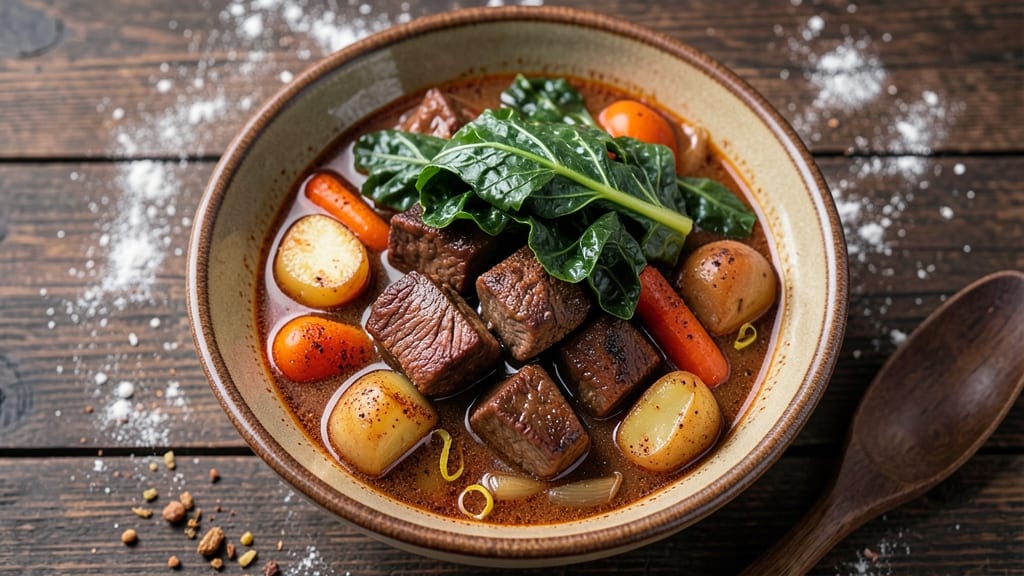
This African American beef stew recipe delivers the soul-warming flavors of tradition in every hearty bite, where tender beef and collard-wrapped richness create a one-pot masterpiece. 🔥 The secret lies in slow-simmered depth—smoky paprika, thyme, and bay leaves infuse the broth while chuck roast transforms into melt-in-your-mouth perfection.
This isn’t just a stew; it’s a celebration of heritage, where every ingredient plays its part in a symphony of comfort.
What sets this recipe apart is the technique: collagen-rich beef releases into a velvety broth as it cooks, while collard leaves add earthy sweetness without overpowering the dish. The vegetables—carrots, potatoes, and onions—absorb the flavors beautifully, creating a balance of textures and tastes that’s both satisfying and nourishing.
No fancy equipment needed, just patience and a pot to let the magic unfold.
By the time you’re ready to serve, you’ll have a pot brimming with tender beef, fork-tender vegetables, and a broth so rich it coats every spoonful. The aroma alone will have everyone gathering around the table, while the first bite delivers that perfect harmony of smoky, savory, and slightly sweet.
This is the kind of stew that warms the soul and fills the house with love.
Perfect for family gatherings, holiday meals, or cozy weeknight dinners, this recipe scales effortlessly to feed a crowd. The leftovers? Even better the next day, as flavors deepen and meld into something truly extraordinary. Let’s get cooking—your taste buds (and your heart) will thank you.
Ingredients for african american beef stew
Soulful flavors in one pot—where chuck roast and collard-wrapped richness create comfort in every bite.
| Ingredient | Amount | Notes |
|---|---|---|
| Chuck Roast 🥩 | 3 lb | Collagen-rich for velvety broth |
| Yellow Onions 🧅 | 2 whole | Chopped into half-moons |
| Carrots 🥕 | 4 whole | Baby carrots or sliced |
| Russet Potatoes 🥔 | 3 lb | Cut into 2-inch chunks |
| Collard Greens 🌿 | 1 lb | Stems removed, chopped |
| Smoked Paprika 🌶️ | 2 tbsp | For authentic smoky depth |
| Ground Black Pepper 🌶️ | 1 tbsp | Freshly cracked for heat |
| Dried Thyme 🌿 | 1 tbsp | Or 1 tbsp fresh thyme |
| Bay Leaves 🍃 | 2 whole | Remove before serving |
| Garlic Cloves 🧄 | 6 cloves | Minced for aromatic base |
| Beef Broth 💧 | 4 cups | Low-sodium preferred |
| Extra-Virgin Olive Oil 🫒 | ¼ cup | For searing beef |
| Salt 🧂 | 1 ½ tsp | Kosher or sea salt |
The chuck roast is the heart of this stew—its collagen transforms into a velvety broth as it cooks. Look for well-marbled cuts at your butcher or the meat department, and ask for it pre-cut if you're short on time. For collard greens, organic is best—they hold up better to long cooking and have fewer blemishes. I always grab mine from the Southern grocery section if available, but the regular produce aisle works fine. The potatoes should be firm and unblemished—Yukon Golds work too, but Russets stay starchy and hold their shape.
No smoked paprika? Substitute half the amount with regular paprika plus a pinch of liquid smoke—it’s a game-changer for that authentic smoky flavor. Fresh thyme is ideal, but dried works at one-third the amount. If you’re using pre-chopped onions or carrots from the bag, give them a quick rinse—they’re often sprayed with preservatives. The beef broth can be homemade (simmer beef bones with veggies) or store-bought—just check the sodium. For a deeper flavor, deglaze the pot with a splash of red wine after searing the beef, but it’s not required.
This stew tastes even better the next day as flavors meld. Store in an airtight container in the fridge for up to 5 days, or freeze portions for 3 months. I like to make a double batch—one for dinner and one to freeze for lazy weeknights. The collard greens soften as they cook, so add them later if you prefer them tender-crisp. Leftovers reheat beautifully—just add a splash of broth or water to loosen the stew.
Why You'll Love This Recipe
- One-Pot Magic: I swear by this recipe—dump everything in a Dutch oven, walk away, and come back to rich, fall-apart beef that’s already infused with onion and carrot sweetness. No fancy techniques, just slow cooking that does the work for you.
- Collards Add Soul: Between us, the collard greens are the secret weapon. They soften into tender, savory bites that soak up all the beefy broth—like a hug in a bowl. (Yes, even my picky husband asks for seconds.)
- Budget-Friendly Feast: A single chuck roast stretches across four meals for my family of four, and the potatoes/carrots stretch even further. Honestly, I’ve fed a crowd of eight with leftovers—this is my go-to for church potlucks or game day.
- Weeknight Workhorse: I make this when I’m exhausted because it’s unfussy. Brown the meat, toss in veggies, and let it simmer. By dinner, the house smells like home, and cleanup is just one pot to scrub. (Not the prettiest, but the taste makes up for it.)
Step-by-step instructions for African American beef stew
This one-pot wonder delivers deep, smoky flavors wrapped in tender collards—every spoonful tells a story.
🔥 Step 1: Sear the Chuck Roast for Maximum Flavor
Heat the 0.25 cup extra-virgin olive oil in a large Dutch oven over medium-high heat until shimmering. Pat the 3 lb chuck roast completely dry with paper towels—this ensures a perfect crust. Season all sides generously with 1.5 tsp salt, 1 tbsp ground black pepper, and 2 tbsp smoked paprika, pressing the spices into the meat so they stick.
Sear the roast for 4-5 minutes per side until deeply browned. I press down gently during the first minute to prevent curling. Remove the roast and set it aside on a plate—those browned bits are pure flavor gold. Here's the thing: don't rush this step. A well-seared roast means a stew that sings with depth.
🍳 Step 2: Build the Flavor Foundation with Vegetables
In the same Dutch oven, add the 2 whole yellow onions (cut into half-moons) and 4 whole carrots (sliced into rounds). Cook for 5-6 minutes until the onions soften and begin to caramelize. Add the 6 cloves garlic cloves (minced) and 1 tbsp dried thyme, stirring for 30 seconds until fragrant.
Here's where it gets fun—toss in the 3 lb russet potatoes (cut into 2-inch chunks) and the 1 lb collard greens (stems removed, chopped). Pour in the 4 cups beef broth and add the 2 whole bay leaves. Return the seared chuck roast to the pot, spooning the browned bits from the plate over the top. Bring everything to a gentle simmer.
⏰ Step 3: Slow Cook Until Fork-Tender
Cover the Dutch oven and transfer to the oven preheated to 325°F. Cook for 3-4 hours until the chuck roast is fork-tender and the vegetables are completely soft. I check for doneness by inserting a fork—if it slides in easily with no resistance, you're golden.
Real talk: the first hour is critical. Don't peek or stir—this lets the meat break down properly. After that, you can remove the lid to let excess moisture evaporate, but keep the heat steady. The collard greens will melt into the stew, creating that signature velvety texture.
🥘 Step 4: Adjust Seasoning and Finish
Once the stew is tender, remove the chuck roast and shred it using two forks. Return the shredded meat to the pot and discard the bay leaves. Taste and adjust seasoning—you might need a pinch more salt or a crack of black pepper. The collard greens should be completely tender, blending into the stew rather than remaining distinct.
Simmer uncovered for another 10-15 minutes to let the flavors meld and the stew thicken slightly. The perfect stew should coat the back of a spoon and have a rich, smoky aroma. Here's the moment that matters: the collard greens should be so tender they practically disappear into the broth, adding their earthy sweetness to every bite.
Pro Tips For Making African American Beef Stew
- SEAR THE ROAST FIRST: After browning the chuck roast in batches (yes, it’s messy but worth it), pull it out and let it rest on a plate while you sauté onions and carrots. That crust locks in flavor—don’t skip it, even if you’re impatient. I used to rush this and ended up with stew that tasted more like soup.
- CUT POTATOES UNIFORM: Russet potatoes should be roughly the same size—about 1.5 inches thick—so they cook evenly. Uneven pieces mean some turn to mush while others stay hard. Use a knife or mandoline for consistency, and save the scraps for mash or fries.
- ADD COLLARDS LAST: Toss collard greens in the pot only in the final 15-20 minutes of cooking. They wilt fast and absorb liquid like a sponge—add them too early, and they’ll turn to sad, limp sludge. A splash of broth or vinegar at the end brightens them up.
- SALT THE STEW WELL: This isn’t the time to be shy. Chuck roast needs bold seasoning to carry through hours of cooking, so add at least 1.5 teaspoons of salt to the pot (plus more to the meat before browning). Taste as you go—you’ll adjust, but start aggressive. Trust me, it won’t be too salty.
Pro cooking tips for african american beef stew
Sear Like a Pro
That initial sear is where all the magic starts—don't skip it! Pat the 3 lb chuck roast completely dry with paper towels before seasoning. I use medium-high heat and let the oil get good and shimmering before adding the meat. Press down gently with a spatula during the first minute to prevent curling, and sear for 4-5 minutes per side until deeply browned. Those caramelized bits on the bottom of your Dutch oven? That's flavor gold—
Collard Greens Timing
The collard greens are the secret weapon in this stew—they add earthy sweetness and help thicken the broth. Add them after the potatoes (about 1 hour into cooking) so they don't turn to mush too quickly. I like to remove the tough stems first and chop them into 1-inch pieces for even cooking. If you prefer them slightly crisp, add them just 30 minutes before serving.
Broth Boost Tricks
For an extra-rich broth, deglaze the pot with ¼ cup red wine or ½ cup beef broth after searing the beef. This dissolves all those flavorful browned bits that stick to the bottom. If your stew looks too thin after cooking, simmer uncovered for 10-15 minutes to reduce it naturally.
Never rush this—patience is key for that velvety texture. A splash of apple cider vinegar (just 1 tsp) at the end can brighten the flavors if needed.
Oven vs. Stovetop
While the oven method is ideal for even cooking, you can absolutely do this on the stovetop. Just reduce the heat to low after the initial simmer and let it bubble gently for 3-4 hours, stirring occasionally.
The key is maintaining a gentle simmer—if it boils vigorously, the meat will toughen. I find the oven method more reliable for keeping everything tender, but stovetop works in a pinch, especially if you don't have oven space.
Leftovers Love
This stew tastes even better the next day as the flavors meld together. Store in an airtight container in the fridge for up to 5 days, or freeze portions for 3 months.
When reheating, add 2-3 tbsp beef broth or water to loosen the stew if it's too thick. I like to serve leftovers with crusty cornbread or buttered egg noodles—the contrast is perfect. The collard greens will soften further, making the stew even more comforting. ✨
Equipment Essentials
You don't need fancy tools—just a large Dutch oven (like Le Creuset or All-Clad) for even heat distribution. A meat thermometer is helpful but not required (the fork test works too). For chopping, a sharp chef's knife makes quick work of onions, carrots, and collards.
If you're short on time, a slow cooker works too—just brown the meat first, then transfer everything to the slow cooker and cook on low for 8 hours or high for 5 hours.
Nutrition facts
Frequently asked questions
Can I substitute collard greens with another leafy vegetable?
Yes! If you can't find collard greens, try kale, turnip greens, or even spinach—though collards add the most authentic earthy sweetness. Use about the same amount (1 lb) and add them at the same time. For a heartier option, swap in chard or beet greens, which hold up well to long cooking.
What's the best cut of beef for this recipe?
Chuck roast is ideal because it's flavorful and full of collagen, which breaks down into a rich, velvety broth. If you can't find chuck, brisket or stew meat work too. Avoid lean cuts like sirloin—they won't stay tender. For extra richness, ask your butcher to trim excess fat (but leave some for flavor!).
Can I make this stew in a slow cooker?
Brown the beef first in a skillet, then transfer everything to the slow cooker. Cook on low for 8 hours or high for 5 hours. The slow cooker method is perfect for hands-off cooking, but the oven version gives you more control over the texture. If using a slow cooker, add the collard greens during the last 30 minutes to prevent them from becoming too soft.
Why does my stew turn out watery?
Watery stew usually means the broth wasn't reduced enough. Simmer uncovered for 10-15 minutes at the end to thicken it naturally. If it's still too thin, remove the lid and cook longer, or mash some potatoes to help thicken the broth. Avoid adding too much broth initially—start with 3 cups instead of 4 if needed.
How do I serve this stew for a crowd?
Double the recipe and use a large stockpot or Dutch oven (8-10 quarts). Serve with crusty cornbread, buttered egg noodles, or steamed rice. For a festive touch, garnish with fresh parsley or a sprinkle of smoked paprika. Leftovers reheat beautifully—just add a splash of broth or water to loosen the stew.