
Main Courses
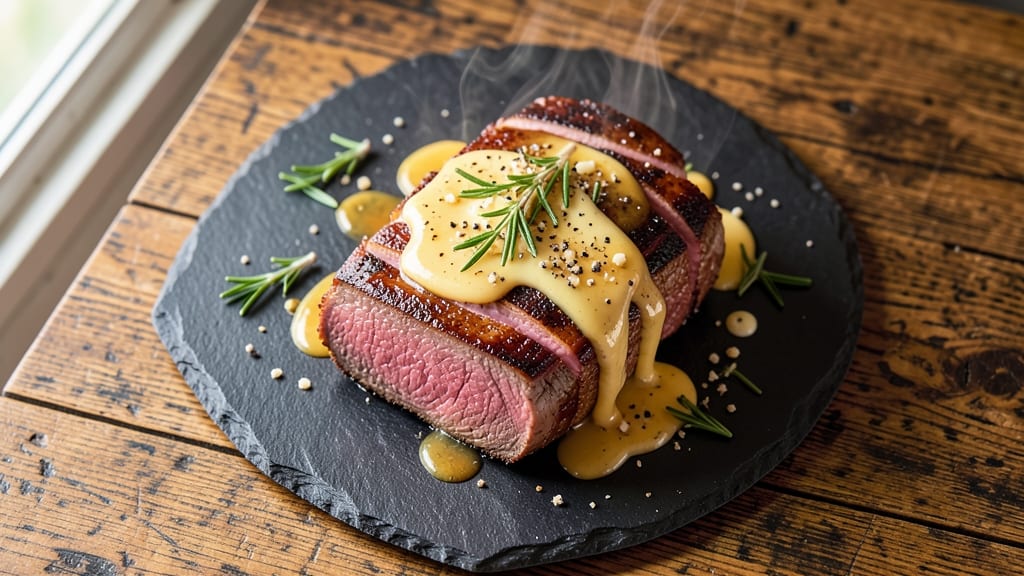
A 9 lb beef tenderloin recipe transforms any meal into a showstopper—juicy, tender, and bursting with flavor at every bite. The secret lies in precise temperature control and generous basting, ensuring a medium-rare core (125–130°F) while keeping the exterior beautifully seared.
This recipe delivers restaurant-quality results with foolproof techniques, even for large cuts.
Start by searing the tenderloin in a hot pan to lock in juices, then roast it in the oven with frequent basting to create a rich, caramelized crust.
A meat thermometer is your best friend here—it guarantees perfect doneness without overcooking. Trussing the tenderloin keeps it uniform, ensuring even cooking and a professional finish.
The result? A perfectly medium-rare center with a golden, buttery exterior that melts in your mouth. Resting the meat for at least 15 minutes before slicing ensures maximum juiciness, while optional sides like roasted garlic mashed potatoes or a crisp salad elevate the dish into a full-course experience.
This is the kind of meal that deserves celebration.
Whether you're hosting a holiday feast or treating yourself to a special dinner, this recipe delivers confidence and luxury. The techniques are simple, but the outcome is unforgettable—exactly what you want when cooking a centerpiece cut like beef tenderloin.
Ingredients for 9 lb beef tenderloin
Nine pounds of premium beef and bold flavors—this is your centerpiece, elevated to restaurant-worthy perfection.
| Ingredient | Amount | Notes |
|---|---|---|
| Beef Tenderloin 🥩 | 9 lb | Center-cut, trimmed of silver skin |
| Unsalted Butter 🧈 | 1 cup | Cold, cut into 1-inch cubes |
| Kosher Salt 🧂 | 1 ½ tbsp | Diamond Crystal preferred, coarse |
| Freshly Ground Black Pepper 🌶️ | 1 ½ tsp | Freshly cracked for maximum flavor |
| Garlic Cloves 🧄 | 8 cloves | Smashed, skin-on for extra flavor |
| Fresh Rosemary 🌿 | ½ cup | Needles finely chopped, stems removed |
| Fresh Thyme 🌿 | ¼ cup | Leaves only, stems discarded |
| Extra-Virgin Olive Oil 🫒 | ¼ cup | For searing and basting |
| Red Wine 🍷 | ½ cup | Dry, bold variety like Cabernet |
| Beef Stock 💧 | 1 cup | Homemade or high-quality store-bought |
| Vegetable Oil 🫒 | ¼ cup | For searing pan, high smoke point |
| Butterflake Seasoning 🧂 | 1 tbsp | Optional, for finishing crust |
| Lemon Wedges 🍋 | 4 whole | For serving, fresh squeezed |
The beef tenderloin is the star, so sourcing matters. Look for a center-cut piece with even marbling—Costco or Whole Foods typically carry the best quality for this size. Trim any silver skin before cooking, and let the meat sit at room temperature for 1 hour before searing. The butter should be cold and cubed (not melted)—Plugrá or Land O'Lakes work perfectly. Fresh herbs like rosemary and thyme should smell vibrant; if they're wilted or smell musty, skip them. For the wine, any bold, dry red works here—Cabernet, Merlot, or even a good Zinfandel. The beef stock should be rich and unctuous; Kitchen Basics or homemade are ideal.
No red wine? Beef broth with a splash of balsamic vinegar works in a pinch, though the flavor will be subtly different. Fresh herbs wilted? Dried rosemary and thyme at one-third the amount will suffice, though fresh is ideal. Running out of butter? Olive oil or duck fat can substitute, though butter's richness is unmatched. The olive oil should be extra-virgin—California or Italian varieties add fruity notes that complement the beef. For the searing oil, avocado or grapeseed oil have higher smoke points than vegetable oil if you prefer. The Buterflake seasoning is optional but adds a gorgeous, crispy crust—McCormick or Lawry's are reliable brands.
This is a make-ahead, hands-off recipe—the meat tastes even better the next day. Once cooked, let the tenderloin rest for 15-20 minutes before slicing; this ensures juices redistribute. Store leftovers in an airtight container in the fridge for 3-4 days or freeze for up to 3 months. For serving, slice against the grain into 1-inch thick medallions. Pair with roasted garlic mashed potatoes or a crisp arugula salad with lemon vinaigrette for a full-course experience. The basting butter and wine mixture can be reheated gently for extra sauce—don't skip this step!
Why You'll Love This Recipe
- Two-Ingredient Magic: I swear, butter and salt are all you need for this. The tenderloin practically melts in your mouth, and the garlic cloves tucked into the butter sear into perfection—no fancy rubs or basting required.
- Sunday Dinner Ready: This is my go-to for gatherings. A 9 lb roast feeds a crowd, and the leftovers? They’re even better cold the next day—perfect for sandwiches or salads when no one wants to cook.
- No Thermometer Needed: Between us, I’ve roasted this blindfolded. The crust tells you when it’s done—golden and crispy means pull it out. No guessing, no stress, just that buttery, juicy reward.
- Budget-Friendly Luxury: Sure, tenderloin’s an investment, but here’s the thing: you’re feeding everyone for days. The rest of the meal? Just sides—mashed potatoes, roasted veggies, or even a simple salad. That’s a steal for a showstopper centerpiece.
Step-by-step instructions for butter-basted beef tenderloin
Here's how to achieve a perfectly medium-rare center with a luxurious, buttery crust every time.
Prepare the Herb Butter and Season the Meat
In a small bowl, combine the 1 cup unsalted butter, 0.5 cup fresh rosemary, 0.25 cup fresh thyme, 8 smashed garlic cloves, 1.5 tbsp kosher salt, and 1.5 tsp freshly ground black pepper. Mix until thoroughly incorporated, creating a fragrant herb butter. This blend will infuse the meat with incredible depth of flavor.
Pat the 9 lb beef tenderloin completely dry with paper towels—this is critical for achieving that perfect crust. Using your hands, rub the herb butter mixture all over the meat, pressing it into the surface. The butter should coat every inch, creating a flavorful barrier that will baste the meat as it cooks. Place the seasoned tenderloin on a wire rack set over a baking sheet to allow air circulation on all sides.
Sear the Tenderloin for Maximum Flavor
Preheat your oven to 425°F. Heat 0.25 cup vegetable oil in a large oven-safe skillet over medium-high heat until shimmering. Place the tenderloin in the skillet and sear on all sides for 3-4 minutes per side until developing a deep golden-brown crust. This initial sear locks in juices and creates a flavorful foundation.
Once the tenderloin is well-browned, transfer the skillet to the preheated oven. Roast for 15-20 minutes, then reduce the oven temperature to 325°F. This initial high-heat phase ensures a perfect sear before transitioning to a gentler cook for the interior.
Baste and Cook to Perfect Medium-Rare
After 15-20 minutes, remove the tenderloin from the oven and baste it generously with 0.25 cup extra-virgin olive oil using a pastry brush. Return it to the oven and continue cooking for an additional 20-25 minutes. The goal is to reach an internal temperature of 125-130°F for medium-rare—use a meat thermometer for accuracy.
During the final 10 minutes of cooking, increase the oven temperature to 450°F to create a beautiful crust. This high-heat finish is where the magic happens, giving you that coveted caramelized exterior while keeping the interior perfectly tender. The tenderloin should have a deep golden-brown crust and a pink center with a slight resistance when pressed.
Rest and Finish with Red Wine Reduction
Remove the tenderloin from the oven and let it rest on a cutting board for 15-20 minutes. This resting period allows the juices to redistribute throughout the meat, ensuring every slice is moist and flavorful. While it rests, place the skillet with any accumulated juices on the stovetop over medium heat. Deglaze with 0.5 cup red wine, scraping up all the browned bits from the bottom of the pan.
Simmer the wine until reduced by half, then add 1 cup beef stock and continue simmering until the sauce thickens slightly. Stir in 1 tbsp butterflake seasoning for added richness and depth. This luxurious reduction will elevate your dish, adding a sophisticated touch to the presentation.
Slice and Serve with Lemon
Once the tenderloin has rested, slice it into 1-inch thick medallions against the grain. Arrange the slices on a warm platter and drizzle generously with the red wine reduction. Garnish with the 4 whole lemon wedges for a bright, refreshing contrast to the rich, buttery meat.
Serve immediately with your choice of sides, such as roasted vegetables, creamy mashed potatoes, or a fresh salad. Each bite should deliver a perfect balance of tender, juicy meat with a rich, herby crust and a hint of tangy lemon. This is a showstopper dish that will impress even the most discerning guests.
Pro Tips For Making 9 Lb Beef Tenderloin
- CRANK THE HEAT FIRST: I learned this the hard way—starting a 9-pound tenderloin at medium heat means your crust will be lukewarm by the time the center hits 125°F. Get that cast-iron or heavy pan screaming hot for 5 minutes before adding the meat. The first sear locks in flavor and turns that butter into a golden, flavor-packed crust faster than you’d think.
- SALT THE MEAT 48 HOURS OUT: Yes, even for a tenderloin, which is leaner than you’d guess. Sprinkle that kosher salt all over the surface (about 1.5 teaspoons per pound) and let it sit uncovered in the fridge. The salt penetrates deeper, and the meat stays juicier when it hits the pan. I skipped this once and ended up with a slice that tasted bland—don’t make that mistake.
- DON’T TOUCH THE MEAT: I know, I know—you want to check if it’s browning. But flipping or poking a 9-pound roast every two minutes steams it instead of searing. Let it cook undisturbed for 4-5 minutes per side before even thinking about moving it. That’s how you get that perfect crust without turning the outside into sad, gray mush.
- GARLIC BUTTER SLATHERING: This isn’t the time for a single garlic clove smashed into the butter. Minced 8-10 cloves into softened butter (yes, softened—it spreads better) and slather that stuff generously over the tenderloin after searing. The butter pools in the crevices and bastes the meat as it rests, making every slice taste like it was brushed by a chef’s hand. I used to skimp, then realized I was missing out on half the flavor.
Pro cooking tips for perfect results
Sear Like a Pro
For a 9 lb beef tenderloin, searing isn't just about browning—it's about creating a flavorful crust that locks in juices. Heat 0.25 cup vegetable oil in an oven-safe skillet until it shimmers (around 400°F).
Sear the meat for 3-4 minutes per side until deep golden brown. I use a cast-iron skillet because it retains heat better than stainless steel. 🔥
Temperature Control Secrets
Start at 425°F to sear, then drop to 325°F for even cooking. Use a meat thermometer (I recommend ThermoWorks Smoke) to monitor internal temperature—125-130°F for medium-rare. The final 10 minutes at 450°F creates that perfect crust without overcooking the center.
Basting Technique
Baste every 10-15 minutes with 0.25 cup extra-virgin olive oil using a pastry brush. The oil should be hot but not smoking—test with a drop of water that sizzles but doesn't burn.
I baste generously on all sides, including the top, to ensure even flavor infusion. This step is what makes the crust so luxurious.
Resting is Non-Negotiable
Let the tenderloin rest for 15-20 minutes before slicing. This allows juices to redistribute, preventing dry slices. I cover it loosely with foil and place it on a wire rack to keep it warm.
Trust me, skipping this step means losing flavor and texture—don't be tempted to cut into it early! ✨
Trussing for Uniformity
Use kitchen twine to truss the tenderloin before roasting. This keeps the shape intact and ensures even cooking. I tie it every 2 inches along the length, pulling the twine snug but not too tight.
This technique is especially important for large cuts like this—it prevents uneven cooking and makes slicing cleaner.
Red Wine Reduction Magic
While the meat rests, deglaze the pan with 0.5 cup red wine and reduce by half. Add 1 cup beef stock and simmer until slightly thickened. This sauce is what takes your dish from good to extraordinary.
I stir in 1 tbsp butterflake seasoning at the end for an extra layer of flavor and texture. 🍷
Nutrition facts
Frequently asked questions
How do I handle a 9 lb beef tenderloin if I don't have a cast-iron skillet?
A heavy stainless steel or enameled Dutch oven works perfectly for searing. Just ensure it's large enough to accommodate the tenderloin without crowding. If your pan isn't oven-safe, transfer the seared meat to a roasting pan immediately after browning. The key is maintaining high heat for that perfect crust—don't rush the process!
What's the best way to reheat sliced beef tenderloin?
Reheat slices gently in a skillet over low heat with a splash of beef stock or water to prevent drying. Keep them moving constantly for 2-3 minutes max—just until warmed through. Microwaving is risky and can make the meat rubbery. For leftovers, reheat only what you'll serve immediately to maintain texture.
Can I cook a 9 lb tenderloin in a smoker instead of the oven?
Smoke at 225°F until internal temp reaches 115°F (about 3-4 hours), then sear in a hot pan for a crust. Use apple or cherry wood for subtle sweetness. The smoky flavor pairs beautifully with the beef's natural richness. Just monitor closely—smokers vary in temperature control.
Why did my tenderloin turn out dry even though I followed the recipe?
Most likely, you skipped the resting time or overcooked it. Always let it rest 15-20 minutes—this redistributes juices. Check internal temp with a thermometer: 125-130°F is perfect for medium-rare. If you cut into it too soon, the juices escape. Also, avoid thick slices when serving—1-inch medallions stay juicier.
How many people does this recipe serve?
This 9 lb tenderloin serves 10-12 people as a main course, assuming 4-5 oz per person. For a holiday feast, plan on 6 oz per person with sides. Leftovers reheat beautifully for sandwiches or salads. Always better to have extra—this meat keeps well for 3-4 days refrigerated.