
Main Courses
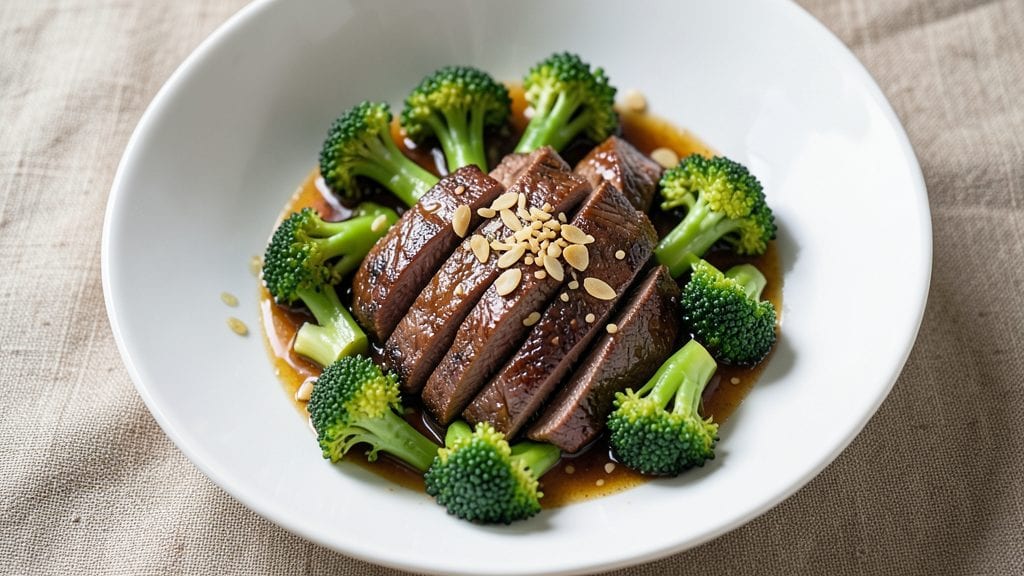
This Trader Joe's-inspired beef and broccoli delivers the same restaurant-quality balance of wok-seared beef, tender-crisp broccoli, and a velvety sauce that clings perfectly to every bite.
The secret lies in high-heat searing for crisp edges and a quick stir-fry that locks in juices—just like the version that made this dish a grocery store staple. I've refined this recipe over countless weeknight dinners, ensuring it's both approachable and packed with depth.
The foundation starts with flank steak cut into thin strips, marinated in a simple soy-ginger blend to tenderize while building flavor. Broccoli florets stay vibrant yet tender-crisp when blanched just before stir-frying, while the sauce—a reduction of soy, garlic, and a touch of brown sugar—creates that signature glossy finish.
What sets this apart is the two-stage cooking process: first searing the beef until deeply caramelized, then tossing everything together for maximum texture contrast.
By the time you plate it—beef over steamed rice, broccoli scattered artfully on top, sauce drizzled generously—you'll have a dish that tastes like it came from a dim sum cart.
The beef remains juicy with a crisp exterior, the broccoli holds its bright green color, and the sauce delivers that perfect balance of salty, sweet, and umami. This is the version that'll have your family asking for seconds without ever guessing it's homemade.
Perfect as a weeknight staple or meal prep base, this recipe scales easily for crowds while maintaining its signature simplicity. The method stays true to Trader Joe's approach: quality ingredients, bold flavors, and a technique that's foolproof once you know the key steps.
Let's get cooking—your taste buds will thank you.
Ingredients for trader joe's beef and broccoli
Simple ingredients create restaurant-quality beef and broccoli with velvety sauce and crisp edges.
| Ingredient | Amount | Notes |
|---|---|---|
| Flank Steak 🥩 | 1 ½ lb | Thinly sliced against grain |
| Broccoli Florets 🥦 | 4 cups | Fresh, cut into bite-sized pieces |
| Low-Sodium Soy Sauce 🧂 | ½ cup | For balanced flavor |
| Sesame Oil 🫒 | 1 tbsp | For aromatic depth |
| Fresh Ginger 🌿 | 1 tbsp | Finely grated, fresh preferred |
| Garlic Cloves 🧄 | 4 cloves | Minced, aromatic |
| Brown Sugar 🍚 | 2 tbsp | For caramelized sweetness |
| Cornstarch 🌾 | 2 tbsp | For sauce thickening |
| Water 💧 | ¼ cup | For cornstarch slurry |
| Vegetable Oil 🫒 | ¼ cup | High smoke point preferred |
| Sesame Seeds 🌾 | 1 tbsp | For garnish, toasted |
| Green Onions 🌱 | ¼ cup | Sliced, for garnish |
| Long-Grain White Rice 🍚 | 2 cups | Uncooked, for serving |
| Salt 🧂 | ½ tsp | Kosher or sea salt |
| Black Pepper 🌶️ | ¼ tsp | Freshly ground |
The flank steak is everything here—opt for a thick-cut, well-marbled piece from the butcher counter, not the pre-packaged stuff. Costco or Whole Foods carry great cuts, but even your local grocery store should have a solid option if you ask for it. Cutting against the grain makes all the difference; use a sharp knife and steady hand for even slices. The broccoli florets should be bright green and tightly packed—avoid those limp, water-soaked ones that scream 'pre-cut convenience'. Buy a head and trim yourself for best texture.
No soy sauce? Coconut aminos work in a pinch—same umami kick, less sodium. Dried ginger is fine but fresh is 10 times better—just grate it fine. Skip the cornstarch? Arrowroot powder at half the amount does the trick, but it’s pricier. The brown sugar can be coconut sugar or maple syrup if you’re avoiding refined stuff. Garnish with toasted sesame seeds—they’re cheap and add so much crunch. Don’t have green onions? Chives or scallions will do, though they’re a different flavor profile.
The beef keeps 2-3 days in the fridge if sliced ahead, wrapped tightly. Store the sauce separately—it’ll keep 5 days in the fridge and freezes beautifully for 3 months. For meal prep, cook the rice fresh and toss everything together before serving. The broccoli can be blanched ahead and kept in ice water, but drain it well before stir-frying to avoid sogginess. Leftovers reheat perfectly in a skillet over medium heat—just add a splash of water to loosen the sauce.
Why You'll Love This Recipe
- No-Fuss Protein Power: I swear by this when I’m starving but short on time—just slice the flank steak thin (no fancy knife skills needed) and toss it in the pan with the broccoli. The steak cooks in minutes, and the broccoli stays crisp-tender because you’re not drowning it in sauce.
- Umami Bomb: That low-sodium soy sauce and sesame oil combo? Chef’s kiss. The ginger adds a bright kick that cuts through the richness, and the steak gets this perfect chewy-yet-tender texture. It’s the kind of flavor that makes you go back for seconds without even thinking.
- Lunchbox Hero: Between us, this is my go-to for meal prep. The flavors actually improve the next day—yes, really. Pack it in containers, and you’ve got a lunch that tastes like you slaved over it (but you didn’t).
- Budget Win: Flank steak is affordable, and you’re using the whole floret—no wasted stems. A single pound feeds two for dinner, then two more for lunches, and the leftovers reheat like a dream. Honestly, I’ve made this for $12 and still felt fancy.
Step-by-step instructions for Trader Joe's-inspired beef and broccoli
Here's how to recreate that signature wok-seared texture and velvety sauce at home.
Prepare the Marinated Flank Steak
Slice the 1.5 lb flank steak thinly against the grain for maximum tenderness. In a bowl, combine the 0.5 cup low-sodium soy sauce, 2 tbsp brown sugar, 1 tbsp sesame oil, 1 tbsp finely grated fresh ginger, and 4 minced garlic cloves. Add the sliced steak and toss to coat evenly. Let it marinate for at least 30 minutes (or up to 4 hours in the fridge) - this ensures deep flavor penetration and tender slices.
Here's the thing - don't skip the marinating. The acidity in the soy sauce breaks down the tough muscle fibers, while the sugar and aromatics create that signature caramelized crust. When ready, remove the steak from the marinade (reserve the marinade for later) and pat it dry with paper towels. This step is crucial for achieving that perfect wok-seared crust.
Cook the Rice and Blanch the Broccoli
Rinse the 2 cups long-grain white rice under cold water until the water runs clear, then cook it according to package instructions using 2 cups water and 0.5 tsp salt. While the rice simmers, prepare the broccoli by blanching the 4 cups broccoli florets in boiling salted water for 1 minute - just until vibrant green and slightly softened. Immediately drain and plunge into ice water to stop cooking, then drain again. This preserves their bright color and crisp texture that's essential to the dish.
I like to do this step first because it takes the longest. The rice should be fluffy and separate when done, while the broccoli should hold its shape but still offer a slight bite. Keep both covered and warm while you work on the sauce - they'll be ready to combine at the end. Pro tip: Use a fine-mesh strainer for draining the broccoli to remove all excess water.
Create the Signature Sauce
In a small bowl, whisk together the 2 tbsp cornstarch and 0.25 cup water to create a smooth slurry. In a large wok or skillet, heat the 0.25 cup vegetable oil over medium-high heat until shimmering. Add the reserved marinade (from Step 1) and simmer for 2 minutes until slightly reduced. Pour in the cornstarch slurry while stirring constantly - the sauce will thicken dramatically within 30-45 seconds. Remove from heat immediately once it reaches your desired consistency.
This is where the magic happens. The cornstarch slurry creates that signature velvety texture while the reduced marinade adds depth. If the sauce thickens too much, you can thin it with a splash of hot water, but it should coat the back of a spoon without being gluey. Keep this sauce warm while you cook the beef.
Wok-Sear the Beef and Broccoli
Return the wok to high heat and add the marinated steak in a single layer. Let it sear undisturbed for 1-2 minutes until deep brown crust forms on one side. Flip all pieces at once and cook another 1-2 minutes until cooked through (internal temperature should reach 145°F). Remove beef and set aside, keeping it warm.
In the same pan, add the blanched broccoli and stir-fry for 2 minutes until heated through. The residual heat from the beef will help bring out the broccoli's natural sweetness. Return the beef to the pan and toss everything together with the prepared sauce. Cook for just 30 seconds to combine all the flavors.
Assemble and Garnish
Serve the beef and broccoli mixture immediately over the cooked rice. Garnish with 1 tbsp toasted sesame seeds and 0.25 cup sliced green onions. The contrast of crisp-tender broccoli, perfectly seared beef, and that glossy sauce over fluffy rice creates the ultimate balance of textures and flavors.
Each bite should deliver tender beef with a caramelized crust, crisp broccoli florets, and that signature velvety sauce clinging to every strand of rice. The toasted sesame seeds add a nutty finish that ties everything together. Serve with extra soy sauce on the side if you prefer it saucier.
Pro Tips For Making Trader Joe'S Beef And Broccoli
- SEAR THE STEAK HOT: Trader Joe’s recipe skips this, but a 2-minute blistering sear in a screaming-hot pan (no oil yet) builds flavor that the soy sauce can’t fake. After that, add your sesame oil—just enough to coat the pan—and finish cooking. I learned this the hard way when my first batch tasted flat.
- SLICE AGAINST THE GRAIN: Flank steak’s tough if you cut with the grain. Instead, slice perpendicular to the grain after resting—it’s the only way to get those tender, restaurant-style strips. Use a sharp knife and don’t fight it; the muscle fibers will thank you.
- BLANCH BROCCOLI FIRST: Toss broccoli florets in boiling water for 30 seconds, then shock in ice water. This stops cooking, keeps them bright green, and ensures they don’t turn to mush when they hit the pan later. (Yes, even if you’re impatient—trust the process.)
- GINGER: GRATE IT FRESH: Trader Joe’s recipe calls for minced ginger, but freshly grated (peeled, then zested) adds a punch that jarred ginger can’t match. Use about 1 teaspoon—just enough to smell it in the sauce. I was skeptical until I tried it.
Regional styles of this trader joe's beef and broccoli
Asian-Inspired Fusion
This dish embodies the perfect fusion of Chinese stir-fry and Japanese teriyaki techniques. The wok-searing method comes from Cantonese cuisine, where high-heat cooking creates that signature crisp-tender texture. Meanwhile, the soy-ginger marinade and sesame finishing touches add Japanese-inspired umami depth.
I like to think of it as a cross-continental mashup that Trader Joe's nailed with their version. 🌏
Southern U.S. Adaptation
For a Southern twist, swap the brown sugar for 1 tbsp molasses and add ½ tsp smoked paprika to the marinade. Cook the beef in a cast iron skillet for extra smokiness, then finish with crispy fried shallots instead of sesame seeds.
The molasses adds a caramelized sweetness that pairs beautifully with the smoky notes. Serve over steamed white rice or even buttery cornbread for a true Southern comfort dish. 🍯
Korean-Inspired Spicy Kick
Transform this into a Korean-inspired beef and broccoli by adding 1 tbsp gochujang (Korean chili paste) and 1 tsp gochugaru (Korean chili flakes) to the sauce. For extra heat, stir in 1 tbsp doenjang (fermented soybean paste) when making the sauce.
Garnish with sliced Korean pear or mandarin orange segments for a sweet-spicy contrast that balances the richness. This version is perfect for spice lovers who want a bold twist. 🌶️
Thai-Inspired Sweet-Chili
Give it a Thai-inspired makeover by adding 1 tbsp fish sauce, 1 tsp palm sugar, and ½ tsp shrimp paste to the sauce. Finish with fresh Thai basil leaves and a squeeze of lime juice before serving.
The shrimp paste adds a savory depth, while the lime brightens up the dish. This version works beautifully with jasmine rice and a side of Thai cucumber salad for a full meal. 🍋
Vegetarian Swap
For a vegetarian-friendly version, replace the beef with extra-firm tofu pressed and sliced into strips, or shitake mushrooms for a meaty texture. Marinate the tofu in the same soy-ginger mixture for 20 minutes, then pan-fry until crispy.
The broccoli and sauce remain the same, creating a satisfying vegetarian dish that still delivers that signature Trader Joe's flavor. 🌱
Meal Prep Hack
This dish is a meal prep superstar—cook the beef and sauce ahead, store separately, and reheat in a skillet with fresh broccoli. For a freezer-friendly version, freeze the cooked beef and sauce in airtight containers for up to 3 months.
When ready to eat, simply reheat the beef and sauce, toss with fresh broccoli, and serve. It reheats like a dream, making it perfect for busy weeknights. ❄️
Nutrition facts
Frequently asked questions
Can I substitute flank steak with another cut?
Sirloin or ribeye work well—just slice them thinly against the grain. For extra tenderness, try top round or chuck roast, but marinate them 4-6 hours instead. Avoid tough cuts like flank steak's tougher cousin—they won't yield the same crisp-tender result.
Why does my broccoli turn mushy?
Overcooking is the #1 culprit! Blanch broccoli for just 1 minute (not 2+), then shock it in ice water immediately. For stir-frying, cook it 1-2 minutes max over high heat—it should stay bright green with a slight bite. If using frozen broccoli, thaw and pat very dry before cooking to prevent steaminess.
How do I make this spicier?
Add ½ tsp red pepper flakes to the marinade or 1 tbsp sriracha to the sauce. For heat lovers, stir in 1 tsp gochujang (Korean chili paste) when making the sauce. Balance it with a touch more brown sugar to prevent overpowering.
Can I make this in a regular skillet instead of a wok?
Yes! Use a large, heavy skillet (like cast iron) and work in batches if needed. The key is high heat—preheat your pan until it's smoking hot. For extra crispiness, add ½ cup vegetable oil and cook beef in a single layer. Stir-fry the broccoli separately if the pan gets crowded.
What's the best way to reheat leftovers?
Reheat in a skillet over medium-high heat with 1 tbsp water to loosen the sauce. Cook for 2-3 minutes until everything is piping hot. Avoid microwaving—it makes the beef tough and sauce watery. For extra crispiness, sear reheated beef in a dry pan for 30 seconds after adding sauce.