
Soups & Stews
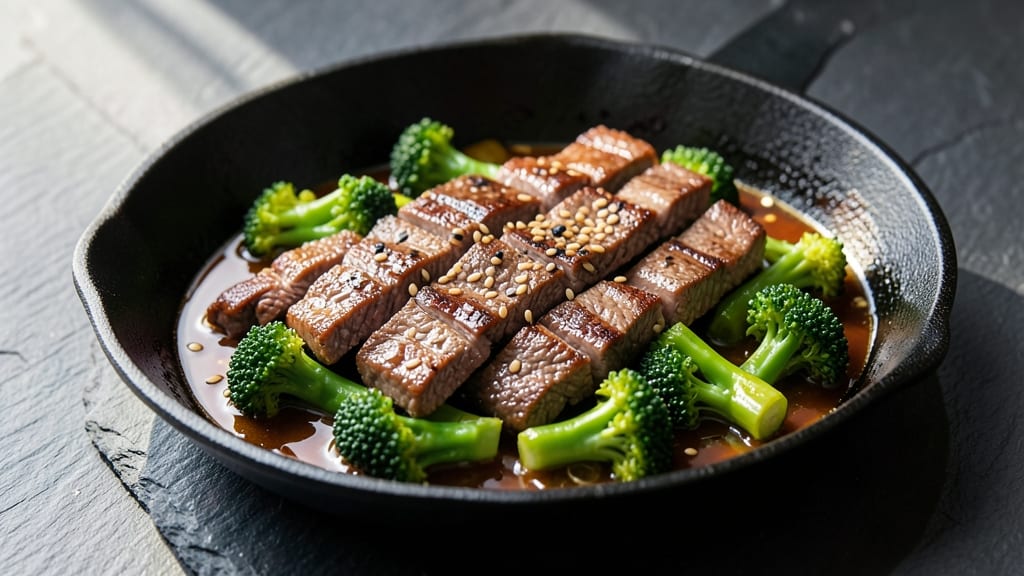
This beef and broccoli skillet recipe delivers restaurant-quality wok-hot flavors in a single pan, with tender beef, crisp-tender broccoli, and a bold soy-ginger sauce that packs serious umami.
The secret lies in high-heat searing for that signature caramelized crust, followed by a quick stir-fry that keeps everything vibrant and full of texture. I developed this version after years of testing—it’s the one that finally convinced my family to skip takeout for this Chinese-American classic.
The beauty of this skillet method is its simplicity: just one pan, 20 minutes, and a handful of pantry staples transform into a meal that’s restaurant-quality at home.
We start with thinly sliced beef (flank or sirloin works best) that sears in minutes, then add broccoli cut into even florets to ensure perfect crisp-tender results.
The sauce—sweet, tangy, and aromatic—coats everything evenly without making the beef soggy, thanks to a touch of cornstarch for that signature glossy finish.
What you’ll end up with is a dish that’s rich yet balanced, with beef that’s tender but still holds its shape, broccoli that’s bright green and just crisp enough to bite into, and a sauce that’s sticky-sweet with a ginger-spiked kick.
The aroma alone—steaming hot, garlicky, and slightly smoky—will have everyone at the table asking for seconds. Serve it over steamed rice or noodles to soak up every last drop of that flavorful sauce.
This recipe is foolproof for weeknights but impressive enough for dinner guests, and it scales easily for crowds. The best part? Leftovers reheat beautifully, making it a go-to for meal prep. Ready to master this one-pan wonder? Let’s get cooking.
Ingredients for beef and broccoli skillet
Restaurant-quality beef and broccoli in one pan—just these 14 ingredients transform into wok-hot flavor magic.
| Ingredient | Amount | Notes |
|---|---|---|
| Flank Steak 🥩 | 1 ½ lb | Thinly sliced against grain |
| Broccoli Florets 🥦 | 2 cups | Medium, cut into even pieces |
| Low-Sodium Soy Sauce 🍶 | ½ cup | Kikkoman preferred |
| Sesame Oil 🫒 | 1 tbsp | Toasted, for aroma |
| Fresh Ginger 🌿 | 2 tbsp | Finely grated, aromatic |
| Garlic Cloves 🧄 | 4 cloves | Minced, for depth |
| Cornstarch 🌾 | 1 tbsp | For glossy sauce finish |
| Brown Sugar 🍯 | 1 tbsp | Light, for balance |
| Vegetable Oil 🫒 | 2 tbsp | High smoke point |
| Green Onions 🧅 | 3 whole | Sliced, for garnish |
| Toasted Sesame Seeds 🌾 | 1 tbsp | For crunchy texture |
| Salt 🧂 | 1 tsp | Kosher, for seasoning |
| Black Pepper 🌶️ | ½ tsp | Freshly ground |
| Red Pepper Flakes 🔥 | ½ tsp | Optional, for heat |
The beef makes or breaks this dish. Flank steak is ideal—lean but tender when sliced thin against the grain. Costco or Whole Foods carry excellent cuts, but any butcher will slice it for you. Look for bright red meat with good marbling, not gray or slimy. If you can't find flank, sirloin or ribeye work too, but slice them thinner. The broccoli should be vibrant green—Trader Joe's has the best pre-cut florets, but fresh is always better. Cut into even pieces so they cook uniformly. Pro tip: Blanch broccoli 1 minute before stir-frying to jumpstart tenderness.
No soy sauce? Coconut aminos work in a pinch, though the flavor won't be identical. Fresh ginger is non-negotiable—dried lacks the punch. If you're out, double the garlic and add a pinch of cinnamon for depth. The cornstarch is key for that signature glossy sauce—don't skip it. For extra umami, add 1 tsp fish sauce (vegetarian? use 1 tsp soy sauce + 1 tsp mushrooms). The sesame oil should be toasted—regular sesame oil won't give that nutty aroma. No toasted sesame seeds? Crushed peanuts add crunch instead.
This dish reheats beautifully—microwave 2 minutes with a splash of water to revive crispiness. Store in airtight containers for 4 days in the fridge or 3 months frozen. For meal prep, double the sauce and freeze it separately to drizzle on reheated portions. Garnish with extra green onions and sesame seeds right before serving—they lose crunch when stored. Leftovers taste even better the next day as flavors meld.
Why You'll Love This Recipe
- One-Pan Magic: I swear by this recipe when I’m too tired to scrub pots—just sear that flank steak, toss in the broccoli, and let the soy and ginger work their magic. The sesame oil finish ties it all together with zero extra cleanup.
- Umami Bomb: That low-sodium soy sauce and fresh ginger? It’s the perfect balance—salty, bright, and just a little funky. The broccoli gets tender-crisp, and the beef stays juicy with a caramelized edge that makes me want to eat it straight from the pan.
- Lunchbox Hero: Between us, this is my go-to for meal prep. Double the batch, pack it in containers, and you’ve got a protein-packed lunch for days. Honestly, my kids (who usually hate vegetables) fight over the broccoli pieces—call me a miracle worker.
- Budget Power Move: Flank steak stretches far, and broccoli’s one of the cheapest veggies out there. A single pan, minimal ingredients, and leftovers that taste even better the next day. It’s how I feed my family well without breaking the bank.
Step-by-step instructions for wok-hot soy ginger beef and broccoli
This one-pan wonder delivers restaurant-quality flavor with minimal cleanup—let's make it happen!
Prep the Flank Steak for Maximum Tenderness
Slice the 1.5 lb flank steak thinly against the grain into ¼-inch strips. This is crucial—cutting against the grain shortens the muscle fibers, ensuring each bite is fork-tender. Pat the strips dry with paper towels to remove any surface moisture, which helps them sear beautifully.
In a small bowl, combine 1 tsp salt, 0.5 tsp black pepper, and 0.5 tsp red pepper flakes (if using). Toss the steak strips with this seasoning mixture until evenly coated. Let them sit at room temperature for 15 minutes while you prep the rest of the ingredients. This step guarantees even cooking and maximum flavor penetration.
Sear the Beef in High Heat for Deep Flavor
Heat a 14-inch cast-iron skillet (or large wok) over high heat until it's screaming hot. Add 2 tbsp vegetable oil and let it shimmer for 30 seconds. Working in batches to avoid crowding, add the steak strips and sear undisturbed for 1-2 minutes per side until they develop a deep golden-brown crust. You're looking for that beautiful Maillard reaction—this builds the foundation of your dish's flavor.
As the steak cooks, transfer it to a plate and set aside. Don't walk away—this is when the magic happens. If the pan starts to smoke excessively, reduce the heat slightly but keep it hot. The goal is crispy, caramelized beef, not charred bits.
Build the Ginger-Garlic Sauce Base
In the same skillet (no need to wipe it clean—those flavorful browned bits are essential), add 2 tbsp finely grated fresh ginger and 4 minced garlic cloves. Stir constantly for 30 seconds until the ginger becomes fragrant and just starts to turn golden around the edges. This is where the aromatic magic begins—don't let it burn, or you'll taste bitterness.
Pour in 0.5 cup low-sodium soy sauce and 1 tbsp brown sugar, scraping up any stuck-on bits with a wooden spoon. Let the mixture simmer for 1 minute until slightly reduced. Here's the thing—this sauce will transform from thin to glossy as it thickens, so don't rush this step. The sugar helps balance the soy's saltiness while adding subtle caramel notes.
Finish with Broccoli and Glossy Sauce
Add the 2 cups broccoli florets to the skillet and stir to coat them in the sauce. Cook for 3-4 minutes until they're bright green and just tender-crisp. You want them to retain their vibrant color and slight bite—overcooking turns them mushy. Meanwhile, in a small bowl, whisk together 1 tbsp cornstarch with 1 tbsp sesame oil to create a slurry.
Pour the slurry into the skillet and stir vigorously for 1-2 minutes until the sauce thickens to a glossy, coatable consistency. The moment it reaches this perfect texture is when you know you've nailed it. The sauce should cling beautifully to both the beef and broccoli, creating that signature wok-hot finish.
Garnish and Serve with Confidence
Return the seared beef to the skillet and toss everything together for 1 minute to heat through and combine flavors. Remove from heat and stir in 3 sliced green onions and 1 tbsp toasted sesame seeds. These final touches add freshness and texture that elevate the dish from good to spectacular.
Serve immediately over steamed rice or noodles—this dish is all about that wok-hot energy. Each bite should deliver tender beef, crisp-tender broccoli, and a glossy sauce that's perfectly balanced between sweet, salty, and umami. The sesame seeds add a delightful crunch that contrasts beautifully with the silky sauce. Enjoy while it's hot!
Pro Tips For Making Beef And Broccoli Skillet
- Sear the Steak First: High heat for 2-3 minutes per side until deep brown—this builds flavor that won’t dissolve later. I used to rush this, and the beef always tasted bland no matter how much soy sauce I added.
- Slice Ginger Thinly: Use a mandoline or sharp knife for paper-thin slices (about 1/16-inch), not the chunky matchsticks you’d use for stir-fry. The delicate texture melts into the sauce instead of sitting as identifiable pieces.
- Don’t Overcrowd the Pan: Cook the beef in batches if needed—even with a large skillet, too much at once steams the meat instead of searing it. Crowding turns your crispy crust into sad, gray edges.
- Toast the Broccoli First: Toss florets in 1 teaspoon sesame oil and roast at 425°F for 8-10 minutes before adding to the skillet. The edges get caramelized and hold up better to the stir-fry, plus it cuts down on cooking time later.
Essential equipment for great beef and broccoli skillet
Cast-Iron Skillet
A 14-inch cast-iron skillet is my non-negotiable choice for this recipe—its heavy weight distributes heat evenly, creating that perfect wok-hot sear. I swear by Lodge Pre-Seasoned Cast Iron because it develops a natural non-stick surface over time.
If you don't have cast iron, a heavy stainless steel wok or even a carbon steel pan works well, though you may need to adjust heat control slightly. 🔥
High-Quality Knife
Thinly slicing the flank steak against the grain requires a sharp chef's knife—I use my Wüsthof Classic 8-inch for this task. A dull knife will crush the meat instead of cleanly slicing it, leading to tough, chewy results.
If your knife isn't razor-sharp, take 10 minutes to hone it on a Shun Premier whetstone before prepping. For broccoli, a serrated knife helps cut through the florets cleanly without crushing them.
Wooden Spoon
A heat-resistant wooden spoon (I love OXO Good Grips) is essential for stirring the sauce without scratching your skillet. Wood conducts heat poorly, so it won't burn your hands while gently folding the beef and broccoli.
Avoid metal utensils during the sauce-building phase—they can scrape up too much of the flavorful fond, making your sauce less rich. A silicon spatula also works well for delicate tossing.
Measuring Spoons
Precision matters with this recipe, especially when it comes to the cornstarch slurry and sesame oil. I keep a set of stainless steel measuring spoons (like KitchenAid Precision Measuring Spoons) handy for accurate measurements.
The 1 tablespoon cornstarch is what transforms your sauce from watery to glossy—don't eyeball it! A small mixing bowl (about 4-6 ounces) is perfect for whisking the slurry before pouring it into the skillet.
Instant-Read Thermometer
While not strictly necessary, an instant-read thermometer (I recommend ThermoWorks Thermapen ONE) gives me peace of mind when checking the beef's doneness. The strips should reach 145°F internal temperature—this ensures they're safe to eat without being overcooked.
For broccoli, I rely on visual cues (bright green, slight resistance when bitten), but the thermometer comes in handy if you're cooking for a crowd or serving children.
Steamer Basket
For serving, I pair this dish with steamed jasmine rice, which I cook in a bamboo steamer basket over a pot of simmering water. The basket elevates the rice, allowing steam to circulate evenly for perfectly fluffy grains.
If you don't have a bamboo steamer, a microwave-safe rice cooker or even a colander over a pot works in a pinch. The rice should be fully cooked but still slightly moist—about 15 minutes of steaming time after boiling the water.
Nutrition facts
Frequently asked questions
Can I use a different cut of beef instead of flank steak?
Yes! For this skillet recipe, you can use sirloin or ribeye instead, but slice them thinner (⅛-inch thick) since they're more tender. Flank steak is ideal because it stays tender when sliced against the grain, but avoid tougher cuts like chuck. If you're short on time, pre-marinated beef strips from the grocery store work too—just pat them dry before cooking.
How do I prevent the broccoli from getting mushy?
Keep the broccoli moving constantly in the pan and cook it for only 3-4 minutes until it's bright green with a slight bite. Start with medium-high heat and reduce to medium if needed. For extra crispness, blanch the florets in boiling water for 1 minute before stir-frying. Overcrowding the pan also causes steam buildup—work in batches if needed.
What if I don't have cornstarch for the sauce?
You can substitute 1 tbsp all-purpose flour or arrowroot powder in a 1:1 ratio, but cornstarch gives the glossiest finish. For a gluten-free option, use tapioca starch. If you're completely out, skip it—the sauce will still taste great, just slightly thinner. The key is to whisk the slurry well and cook it until thickened.
Can I make this recipe ahead of time?
The flavors actually improve overnight. Store leftovers in an airtight container in the fridge for up to 4 days. Reheat in a skillet over medium heat with a splash of water to restore crispiness. For freezing, portion the sauce separately and freeze it for up to 3 months—just reheat the beef and broccoli separately and toss with the sauce when serving.
Why does my beef turn out chewy instead of tender?
This usually happens when the beef isn't sliced thinly against the grain or isn't cooked long enough. Use a sharp knife and slice at a 45-degree angle to keep strips uniform. Cook until internal temp reaches 145°F (about 1-2 minutes per side on high heat). For extra tenderness, marinate the beef for 30 minutes in soy sauce before cooking.