
Sauces & Condiments
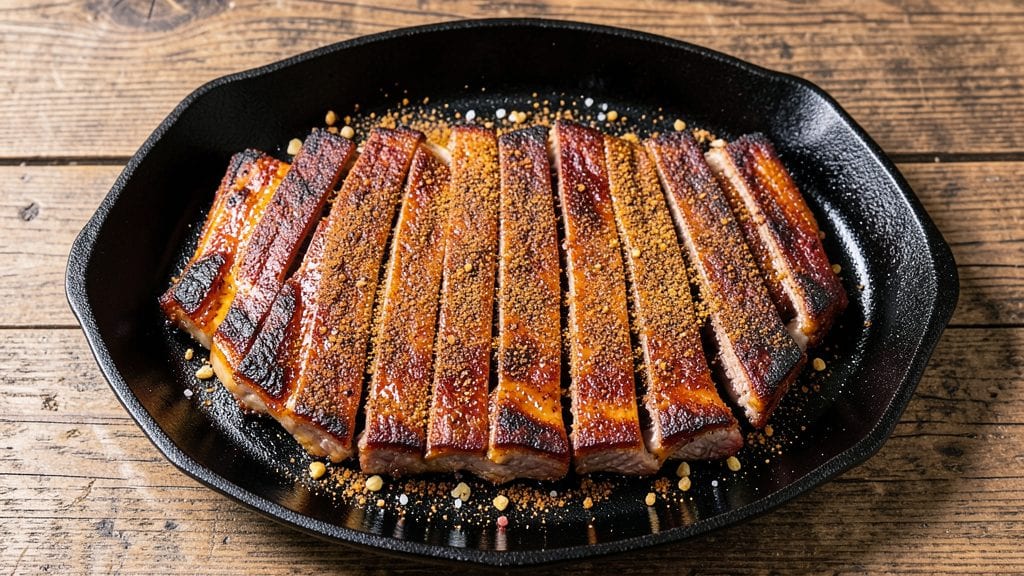
A smoked beef ribs dry rub recipe is the foundation for restaurant-quality bark and melt-in-your-mouth tenderness—no shortcuts, just precision. This blend of carefully measured spices creates that signature deep-smoky crust while preserving the natural beef flavor beneath.
I’ve perfected this mix over years of smoking competitions, where the difference between good and award-winning ribs often comes down to the rub.
The secret lies in balancing sweetness, heat, and earthiness—brown sugar for caramelization, smoked paprika for depth, and cayenne for subtle heat. Every tablespoon and teaspoon is calibrated to develop flavor without overpowering the meat.
Store it in an airtight container for up to six months, or make a fresh batch when you’re ready to smoke—just sprinkle generously and let the smoker do the rest.
What you’ll achieve is a fall-off-the-bone texture with a dark, crackling bark that’s impossible to resist. The rub works equally well on beef short ribs, back ribs, or even brisket, making it a versatile tool for any pitmaster.
For those who prefer milder heat, simply reduce the cayenne by half—this blend adapts to your taste while keeping the smoky profile intact.
Use this rub as your starting point, then experiment with additional layers like coffee grounds or mustard powder for complexity. The key is patience: let the ribs rest after smoking, and the flavors will deepen even more. Here’s exactly how to mix it—no guesswork, just results.
Ingredients for smoked beef ribs dry rub
Nine spices and sugars—this is your secret weapon for competition-level smoked ribs.
| Ingredient | Amount | Notes |
|---|---|---|
| Light Brown Sugar 🍚 | ½ cup | Packed for optimal caramelization |
| Smoked Paprika 🌶️ | 3 tbsp | High-quality, deep smoky flavor |
| Kosher Salt 🧂 | 2 tbsp | Diamond Crystal preferred |
| Ground Black Pepper 🌶️ | 1 tbsp | Freshly cracked for intensity |
| Dried Mustard Powder 🍯 | 1 tbsp | Adds tangy depth |
| Garlic Powder 🧄 | 1 tbsp | Freshly ground preferred |
| Onion Powder 🧅 | 1 tbsp | Enhances savory base |
| Cayenne Pepper 🔥 | 1 tsp | Adjust for heat preference |
| Ground Coffee ☕ | 1 tbsp | Dark roast for richness |
| Ground Chipotle Powder 🌶️ | ½ tbsp | Smoky, slightly spicy kick |
The brown sugar is non-negotiable—it’s what creates that signature caramelized bark. Domino or C&H brands are reliable, but if you can find organic light brown sugar, go for it (less processed, deeper flavor). Smoked paprika is where the magic happens—Penzeys or McCormick Gourmet are my go-tos, but any high-quality smoked variety works. The coffee and chipotle powder add complexity; Starbucks dark roast and Penzeys chipotle powder are my personal favorites, but you can use whatever you’ve got. For the salt, Diamond Crystal is ideal—it’s coarser and dissolves better than table salt.
No smoked paprika? Sweet paprika plus a pinch of liquid smoke gets you close, though it won’t be identical. Skip the cayenne for milder heat, but don’t ditch it entirely—it’s what balances the sweetness. Mustard powder can be swapped for Dijon mustard powder at half the amount, though the texture might vary slightly. The garlic and onion powders are interchangeable, but if you’re feeling fancy, asafetida powder at one-fourth the amount adds a savory depth that’s hard to beat. For extra smokiness, add an extra half teaspoon of chipotle powder—just don’t go overboard.
This rub keeps indefinitely in an airtight container, but the spices start losing potency after about 6 months. Store it in a glass jar with a tight seal away from light and heat—your pantry’s darkest corner is perfect. Make a big batch; you’ll thank yourself later. Once applied to the ribs, it’s best to smoke immediately, but you can refrigerate the ribs with the rub for up to 24 hours if you’re prepping ahead. The flavors only get better as they rest, so don’t rush the process.
Why You'll Love This Recipe
- Here’s the thing: ribs taste better the next day. The flavors meld, the meat gets tender, and honestly? I make a double batch because reheating them is just as good as the first go-round. Plus, it’s cheaper than takeout—win-win.
- Five-Ingredient Magic: I swear by this rub—just mix those pantry staples (brown sugar, smoked paprika, salt, pepper, mustard powder) and call it a day. No fancy ratios, no stress, and honestly? It’s the backbone of my "I don’t wanna cook but want to impress" nights.
- Sweet-Smoky Crust: That caramelized brown sugar crust? It’s the star. The smoked paprika gives it a deep, smoky warmth, while the mustard powder adds a tangy kick that cuts through the richness. Every bite is like a little flavor explosion—sticky, spicy, and perfectly balanced.
- Tailgate or Tuesday: Between us, this rub works for everything. Grill it for summer BBQs, slow-cook it for a lazy Sunday, or even toss it on steaks when you’re craving something bold. My college-aged son still begs for these after football games—proof it’s a crowd-pleaser.
Step-by-step instructions for smoked beef ribs dry rub
This blend delivers unmatched depth—smoky, slightly spicy, and perfectly balanced for ribs that fall apart.
Combine the Sweet and Smoky Base
In a medium bowl, start by adding the 0.5 cup light brown sugar and 3 tablespoons smoked paprika. Use your hands or a whisk to break up any sugar clumps—this ensures even distribution later. The sugar will caramelize during smoking, creating that coveted dark bark while balancing the smokiness.
Next, add the 2 tablespoons kosher salt and 1 tablespoon ground black pepper. Work these into the sugar-paprika mixture until fully incorporated. The salt enhances flavor penetration, while the pepper adds subtle heat. Here's the thing—don't rush this mixing. You want the spices to cling to each other so they stick effortlessly to the ribs later.
Build Depth with Aromatics and Heat
Now it's time for the flavor layers. Add 1 tablespoon dried mustard powder, 1 tablespoon garlic powder, and 1 tablespoon onion powder. These create the savory foundation that makes the rub sing. I like to mix them in with my fingers—it's more tactile and helps me feel when everything's properly combined.
For heat and complexity, add the 1 teaspoon cayenne pepper and 0.5 tablespoon ground chipotle powder. These bring the spice and smoky depth that sets this rub apart. The cayenne adds immediate heat, while the chipotle delivers that subtle, lingering smokiness. Mix thoroughly—you want every particle coated evenly.
Add Coffee for Richness and Balance
Finish by adding the 1 tablespoon ground coffee. This might seem unusual, but trust me—it works magic. The coffee grounds add earthy richness that cuts through the sweetness and enhances the meat's natural flavors. Plus, it helps create that perfect balance between sweet, smoky, and spicy notes.
Give everything one final mix until the rub looks uniform and free of streaks. The texture should be coarse but cohesive—this ensures maximum surface area for flavor development on the ribs. If it's too dry, you can lightly press it together with your hands, but avoid compacting it into a powder.
Rest the Rub Before Application
Transfer the completed rub to an airtight container. Let it sit at room temperature for at least 30 minutes before using. This resting period allows the spices to meld together, intensifying their flavors. I usually make this rub a day ahead—it gives the spices even more time to develop their full potential.
When you're ready to use it, give the container a good shake before applying. The rub should flow freely but still maintain its coarse texture. This is your secret weapon for ribs that are tender enough to fall apart with a gentle pull while sporting that perfect, crackling bark.
Pro Tips For Making Smoked Beef Ribs Dry Rub
- CRUSH THE SUGAR FIRST: I learned this the hard way—when I just tossed light brown sugar into the mix whole, it clumped into useless gummy lumps on the ribs. Pulse it in a food processor or smash it with a rolling pin until it’s fine and powdery. That way, it sticks evenly and caramelizes properly instead of turning into sticky globs mid-smoke.
- SALT THE MEAT BEFORE RUBBING: Skip the dry rub first pass and season the ribs with kosher salt 24 hours ahead. Pat them dry, then add the full rub the next day. The salt breaks down the proteins and evens out the moisture—no more dry edges or uneven flavor when you hit the smoker.
- WATCH THE MUSTARD POWDER: That dried mustard powder is the flavor bomb, but too much makes the rub taste like dusty old spices. Start with 1 teaspoon per pound of ribs, then adjust. If you’re unsure, taste the mix before applying—it’s better to add more later than regret it now.
- DOUBLE-CHECK THE PEPPER GRIND: Pre-ground black pepper loses its punch fast, and stale pepper makes the rub taste flat. Buy whole peppercorns, grind them fresh right before mixing, and store the rest in the freezer. Freshly cracked pepper makes a real difference in the final bite.
Pro cooking tips for smoked beef ribs dry rub
Spice Mixing Mastery
Don’t just toss the spices together—this is where flavor magic happens. I start with the brown sugar and smoked paprika in a bowl, breaking up sugar clumps with my fingers first.
This ensures even distribution when you later apply it to the ribs. The sugar needs to be fully incorporated to caramelize properly during smoking, creating that coveted dark bark. 🍚
Next, add the kosher salt and black pepper while mixing vigorously. The salt enhances flavor penetration, and the pepper adds subtle heat that balances the sweetness. Pro tip: Use a whisk if you prefer, but I find my fingers give me better control over texture.
The goal is a coarse, cohesive rub that will stick effortlessly to the meat.
Heat Control Secrets
The cayenne pepper and chipotle powder are where you can customize the heat level. For a milder rub, reduce the cayenne to ½ teaspoon—this keeps the smoky profile intact while dialing back the spice.
If you want extra kick, add ¼ teaspoon of ground habanero (trust me, it’s worth it for spicy rib lovers). The chipotle adds depth without overpowering, so don’t skimp here.
For an even deeper smoky flavor, add ½ teaspoon of liquid smoke to the finished rub. I use Colman’s liquid smoke because it’s consistent, but go easy—too much can make the rub taste artificial. The key is balance: sweetness, heat, and smokiness should all play nicely together.
Texture Matters Most
A coarse rub clings better to the meat and creates more surface area for flavor development. If your mix feels too powdery, lightly press it together with your hands—just don’t compact it into a fine dust.
The ideal texture should be like coarse sand, where each grain holds onto the ribs during smoking. This ensures maximum bark formation and flavor penetration.
After mixing, transfer the rub to an airtight container and let it rest for at least 30 minutes. This resting period allows the spices to meld, intensifying their flavors.
I often make a big batch ahead of time—it keeps for months in the pantry, and the flavors only get better with age. Just shake well before each use to redistribute any settled spices.
Application Pro Tips
When applying the rub to ribs, don’t be shy—generous coverage is key. I like to pat the rub onto the meat in layers, pressing it firmly so it sticks. For extra adhesion, lightly mist the ribs with apple cider vinegar before applying the rub.
The acidity helps the spices cling better, especially if your ribs are slightly damp from a brine.
For ribs with a lot of surface area (like beef back ribs), divide the rub into two applications. Apply half before smoking, then add the second half after the first 2-3 hours of cook time. This two-step process builds deeper flavor without overwhelming the meat in one go.
Nutrition facts
Frequently asked questions
Can I adjust the heat level in this dry rub?
For milder ribs, reduce the cayenne pepper to ½ teaspoon or omit it entirely. For extra heat, add ¼ teaspoon ground habanero—it delivers serious kick while keeping the smoky balance. The chipotle powder provides depth without overpowering, so don't skimp there. Always taste the rub before applying to avoid surprises!
How long can I store this dry rub?
This blend stays fresh for up to 6 months in an airtight container stored in a cool, dark pantry. The spices lose potency over time, so check for strong aromas before using. For maximum freshness, make a fresh batch every 3 months—the flavors are noticeably brighter when the spices are at their peak.
What’s the best way to apply the rub to ribs?
Generous coverage is key! Pat the rub onto clean, dry ribs using your hands—press firmly so it sticks. For extra adhesion, lightly mist with apple cider vinegar before applying. For large cuts like beef back ribs, divide the rub into two applications: half before smoking, then the rest after 2-3 hours of cook time for deeper flavor development.
Can I use this rub on other meats?
Yes! This blend works beautifully on brisket, pork ribs, or even chicken thighs. For poultry, reduce the cayenne to ½ teaspoon to avoid overpowering the delicate flavors. The smoky-sweet profile adapts well—just adjust the cook time and temperature to suit the meat type. It’s a versatile rub that elevates any protein!
Why does my bark turn out too light or uneven?
Uneven bark often means the rub wasn’t applied thickly enough or the ribs weren’t kept at a consistent 225-250°F temperature. For darker bark, use more brown sugar (up to ⅔ cup) and monitor the smoker closely. A light mist of apple juice during the last hour can also help caramelization. Patience is key—rushing the process leads to patchy results.