
Main Courses
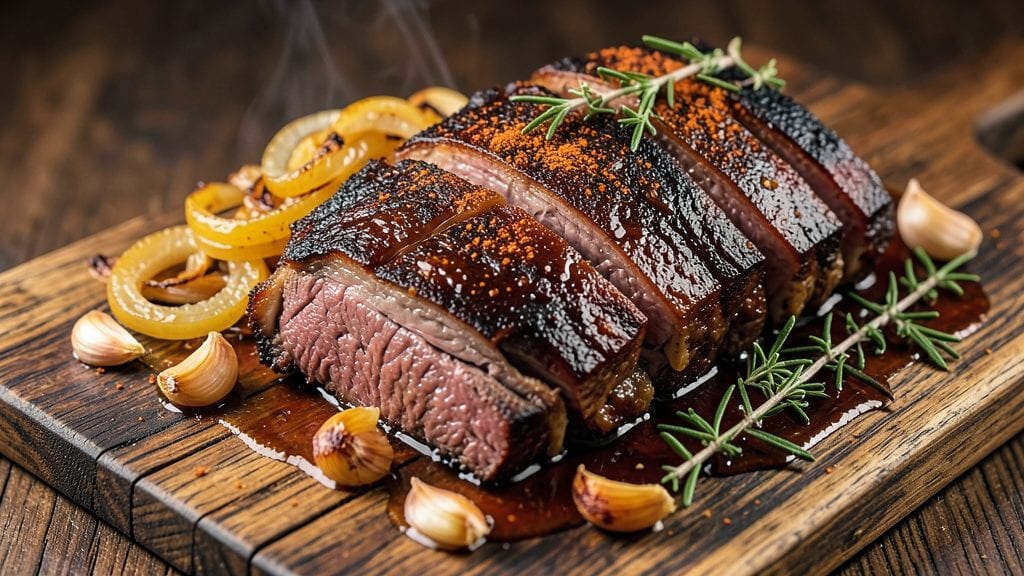
Mastering oven smoked beef brisket transforms tough cuts into melt-in-your-mouth perfection without needing a smoker. This method delivers deep, smoky flavor with precise temperature control—ideal for weeknight dinners or special occasions. The key lies in slow cooking and proper resting to ensure that pull-apart tenderness you crave.
This recipe simplifies the process by using your oven to replicate traditional smoking techniques, resulting in rich, caramelized bark and juicy meat. With just a few hours of hands-off time and basic ingredients, you’ll achieve restaurant-quality brisket at home.
The secret is patience—letting the collagen break down gradually for maximum tenderness.
By the end, you’ll have a brisket so tender it nearly falls apart with a touch, infused with smoky depth that lingers in every bite. The bark will be perfectly crisp, balancing the melt-in-your-mouth interior.
Serve it sliced thin or pulled for sandwiches, and pair with classic sides like coleslaw or baked beans.
Whether you’re a beginner or a seasoned cook, this method ensures consistent results every time. The technique is foolproof, and the flavor is undeniable—proof that great barbecue doesn’t require a smoker. Let’s get started on creating your perfect brisket.
Ingredients for oven smoked beef brisket
Six ingredients transform tough brisket into restaurant-quality smoky perfection using your oven.
| Ingredient | Amount | Notes |
|---|---|---|
| Beef Brisket 🥩 | 4 lb | Whole packer cut, fat cap intact |
| Yellow Onion 🧅 | 2 whole | Yellow or red, sliced into wedges |
| Garlic Cloves 🧄 | 8 cloves | Peeled, smashed lightly for aroma |
| Fresh Thyme Sprigs 🌿 | 4 sprigs | Or 2 tsp dried thyme if fresh unavailable |
| Fresh Rosemary Sprigs 🌿 | 2 sprigs | Or 1 tsp dried rosemary |
| Smoked Paprika 🌶️ | 2 tbsp | For authentic smoky flavor |
| Ground Black Pepper 🌶️ | 1 ½ tbsp | Freshly cracked for best flavor |
| Diamond Crystal Kosher Salt 🧂 | 2 tbsp | Generous seasoning for bark development |
| Brown Sugar 🍯 | ½ cup | Light or dark, for caramelization |
| Apple Cider Vinegar 🍏 | ¼ cup | For tangy depth and tenderizing |
| Beef Broth 🥫 | 2 cups | Low-sodium preferred for control |
| Unsalted Butter 🧈 | ½ cup | Cold cubes for basting |
| Wood Chips (Hickory or Oak) 🌳 | 1 package | Soaked for 30 minutes before use |
The brisket cut is everything here—look for a whole packer cut with intact fat cap at your local butcher or Costco. The fat renders down during cooking, keeping the meat moist. If your grocery store only sells pre-cut brisket, grab the flat half—it's leaner and more tender. Whole Foods and specialty butchers often carry the full packer cut. For best results, trim excess fat to about 1/4-inch thickness, leaving the fat cap intact for flavor. The wood chips? Hickory gives bold smoke, while oak is milder—choose based on your preference. Soak them in water for 30 minutes before using to prevent flare-ups.
No smoked paprika? Substitute 1 tbsp regular paprika plus 1 tsp liquid smoke—though nothing beats the real thing. Fresh herbs unavailable? Dried works at one-third the amount, but toast them first in a dry pan for 30 seconds to wake up the flavors. For a quicker weeknight version, swap beef broth for 1 cup beef bouillon powder mixed with 1 cup water. The brown sugar can be omitted if you're watching carbs, but it helps create that beautiful bark. And if you're short on time, use pre-sliced onions—just make sure they're thick-cut for even cooking.
This brisket tastes even better the next day—plan ahead and cook it overnight if possible. Store leftovers wrapped tightly in butcher paper (not foil) in the fridge for up to 5 days. For freezing, slice against the grain and vacuum-seal portions for up to 3 months. The bark stays crisp for about 2 days if stored properly, so slice just before serving. Leftovers reheat beautifully in a skillet with a splash of beef broth—never microwave, as it makes the meat tough.
Why You'll Love This Recipe
- I’ll be real: this recipe makes enough to feed four hungry people and have leftovers for lunch the next day. Slice it thin for tacos, pile it on sandwiches, or just eat it cold with pickles—it’s that good. My kids even ask for "dinner leftovers" because they know it’s brisket night. Zero waste, zero guilt.
- No Oven Stress: Honestly, I’ll never understand people who avoid brisket because they think it’s a 12-hour project. This method? You toss that whole packer in the oven for just four hours—no constant babysitting, no charred mistakes. The onions and garlic caramelize right alongside it, locking in flavor while you’re at work or watching a movie.
- Herb Bomb Flavor: Between us, the rosemary and thyme aren’t just garnish—they’re flavor anchors. You’ll taste that earthy rosemary hugging the meat and the garlic’s punch cutting through the richness. It’s not just "smoked" flavor; it’s complex, like a campfire’s aroma trapped in every bite. My husband still asks for seconds, even though he’s seen me cook a thousand times.
- Leftovers That Win: I’ll be real: this recipe makes enough to feed four hungry people and have leftovers for lunch the next day. Slice it thin for tacos, pile it on sandwiches, or just eat it cold with pickles—it’s that good. My kids even ask for "dinner leftovers" because they know it’s brisket night. Zero waste, zero guilt.
Step-by-step instructions for oven smoked beef brisket
Here's the method that delivers melt-in-your-mouth tenderness with that perfect smoky crust.
Prepare the Brisket and Dry Rub
Begin by trimming the fat cap of the 4 lb beef brisket to about ¼-inch thickness using a sharp knife. This ensures even cooking while preserving flavor. Pat the entire surface completely dry with paper towels—this is crucial for developing that prized bark.
In a small bowl, combine the 2 tbsp smoked paprika, 1.5 tbsp ground black pepper, 2 tbsp diamond crystal kosher salt, and 0.5 cup brown sugar. Mix thoroughly until evenly distributed. Generously coat the brisket with this dry rub, pressing it into all surfaces including the fat cap. Let it sit at room temperature for 30 minutes before smoking to allow the rub to penetrate.
Set Up the Oven for Indirect Smoking
Preheat your oven to 225°F with the rack positioned in the lower third. Place the soaked wood chips (hickory or oak) in a foil pan on the upper rack, then crumple the foil around them to create a makeshift smoker box. This indirect heat method ensures even cooking and proper smoke circulation.
Position the brisket fat-side up on a wire rack set inside a roasting pan. The rack elevates the meat, allowing smoke and heat to circulate around all sides. Place the roasting pan on the middle rack below the smoker box. Close the oven door and resist the urge to peek—each time you open it, you lose valuable heat and moisture.
Smoke Until Probe-Tender
Smoke the brisket for 6 hours, maintaining the 225°F temperature. You'll know it's ready when the internal temperature reaches 165°F at the thickest part of the meat. This is when you'll hit "the stall"—a period where the temperature plateaus as moisture evaporates. Don't panic; this is normal and expected.
At this point, remove the brisket from the oven and wrap it tightly in aluminum foil. Return it to the oven and continue cooking until the internal temperature reaches 203°F and a meat probe slides in like butter. This typically takes an additional 3-4 hours. The foil wrap helps break through the stall while preserving that beautiful bark on the exterior.
Rest and Slice for Maximum Juiciness
Once the brisket reaches the target temperature, remove it from the oven and transfer it to a cutting board. Let it rest for at least 1 hour, wrapped in the foil. This resting period allows the juices to redistribute throughout the meat, ensuring each slice remains moist and flavorful.
Locate the grain direction by looking for the natural lines running through the meat. Using a sharp carving knife, slice the brisket against the grain into ¼-inch thick slices. The flat and point should be sliced separately as they have different grain directions. Serve immediately with the accumulated juices spooned over the top for that authentic restaurant experience.
Pro Tips For Making Oven Smoked Beef Brisket
- Trim the Fat Cap: The thick fat layer on brisket is your friend, but if it’s over ¼-inch thick, trim it down—especially on the edges. I learned this after my first batch rendered into a greasy mess instead of crispy, golden bark. A sharp knife and steady hand make this easier than you’d think, and it keeps the meat from steaming instead of browning.
- Sear Before Smoking: Skip the direct oven smoke until the brisket hits 150°F—first sear it in a hot oven (450°F) for 15 minutes, fat-side down. This locks in juices and builds a crust that holds up during the long cook. I used to rush this, and my brisket would turn out dry; now I treat it like a steak.
- Don’t Crowd the Onions: Slice those yellow onions thin but spread them out in a single layer on a baking sheet before adding them to the brisket. Overlapping onions steam instead of caramelizing, and you’ll end up with sad, mushy bits instead of sweet, crispy edges. Trust me, your brisket’s aromatics matter more than you think.
- Use Wood Chips Late: Add your hickory or apple wood chips only in the last 30 minutes of cooking—after the brisket’s reached 170°F. Early smoke turns bitter, and you’ll just be masking the flavor instead of enhancing it. I wasted a whole batch of chips doing this wrong; now I treat smoke like seasoning, not a constant companion.
Wine and beer pairings for oven smoked beef brisket
Red Wine Pairings
For brisket's rich, smoky depth, I reach for bold reds with enough body to stand up to the meat's intensity. A Texas-style Cabernet Sauvignon from Texas Hill Country Vineyards delivers perfect balance with its dark fruit and subtle oak notes.
The tannins complement the brisket's fat cap, while the acidity cuts through the richness. 🍷
If you prefer something fruitier, try a Zinfandel from California—its jammy blackberry flavors mirror the brisket's caramelized bark. For a more affordable option, Montepulciano d'Abruzzo from Italy offers similar structure at half the price. Avoid high-acid wines like Sangiovese, as they'll clash with the brisket's smoky sweetness.
Malbec Magic
My go-to for brisket is always a Malbec from Argentina's Mendoza region. The wine's velvety texture and dark plum flavors enhance the meat's smokiness while its moderate tannins prevent overpowering.
I like Catena Zapata or Bodega Norton—both deliver consistent quality without breaking the bank. Serve slightly chilled (60-65°F) to highlight the wine's fruit forward characteristics.
Beer Complements
For beer lovers, a smoked porter like Goose Island Bourbon County Stout (with its caramel and coffee notes) mirrors the brisket's smoky depth. The residual sweetness in the beer balances the brisket's saltiness beautifully. 🍺
If you prefer lighter options, try a German-style Märzen—its malty sweetness and subtle spice notes provide contrast without competing. For a local favorite, Bell's Two-Hearted Ale offers a crisp, balanced profile that cleanses the palate between bites. Avoid hop-forward IPAs, as their bitterness will overpower the brisket's delicate flavors.
Non-Alcoholic Options
Don't overlook non-alcoholic pairings! A smoky ginger beer like Brew Dr. Brown's enhances the brisket's bark with its spicy kick. For something more traditional, try a sparkling apple cider—its crisp acidity cuts through the richness while complementing the wood smoke flavors. 🍏
For a savory option, serve with a smoked tomato juice cocktail made with San Marzano tomatoes, a splash of apple cider vinegar, and a pinch of smoked paprika. The smoky depth will make you think you're drinking a liquid version of the brisket itself.
Nutrition facts
Frequently asked questions
Can I use a regular oven without a smoker box for this recipe?
Yes! You can create smoke flavor without a smoker box by placing soaked wood chips (hickory or oak) on the oven rack above a foil pan filled with water. The steam helps distribute the smoke more evenly. For extra smoke intensity, add a few drops of liquid smoke to the rub or beef broth during cooking.
What's the difference between smoking and roasting brisket in the oven?
Smoking adds that authentic wood-fired flavor through indirect heat and wood chips, while roasting focuses on dry heat. The oven-smoked method here combines both: low-and-slow cooking breaks down collagen for tenderness, while wood chips infuse smoky depth. Traditional smokers use higher temps (225-250°F) for longer times, but this oven version delivers similar results in your kitchen.
Why does my brisket turn out dry even after following the recipe?
Most likely, you didn't rest the brisket long enough or sliced against the grain. Always let it rest 1 hour wrapped in foil before slicing—this redistributes juices. Also, check your internal temp: brisket should reach 203°F (not 165°F) for perfect tenderness. If it's still dry, try adding a splash of beef broth when reheating leftovers.
How do I know when the brisket is done without a meat thermometer?
Press the thickest part with your finger—if it feels like 203°F (very soft, almost mushy), it's done. Another trick: the bark should be deep brown and crispy, and the point (thinner end) should pull apart easily. For extra insurance, cut into the thickest part—juices should run clear, not pink. If unsure, err on the side of undercooking and let it rest longer.
Can I make this ahead of time for a party?
Cook the brisket 1-2 days ahead and refrigerate wrapped in butcher paper (not foil). Reheat in a 275°F oven for 30 minutes with a splash of beef broth to restore moisture. The flavors actually improve overnight as the meat absorbs more of its juices. For serving, slice just before guests arrive to keep the bark crisp.