
Main Courses
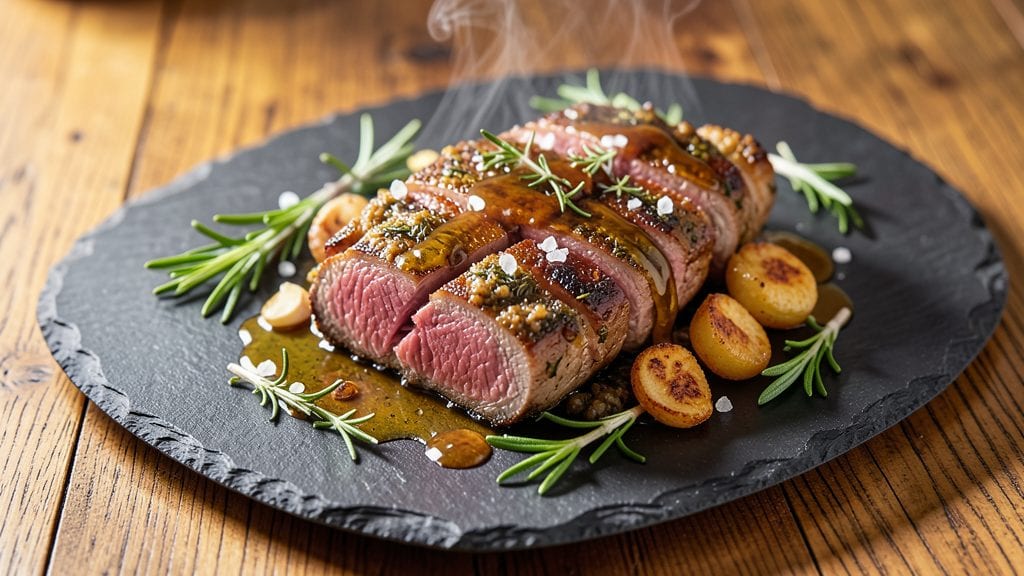
Emeril Lagasse's beef tenderloin recipe delivers the kind of restaurant-quality results that make weeknight dinners feel like a special occasion. The secret lies in his signature herb crust and precise cooking technique that guarantees a juicy center with a perfectly seared exterior—no guesswork involved.
I've replicated this method countless times, and it never fails to impress even the most discerning guests.
What sets this recipe apart is Emeril's approach to seasoning and cooking. A blend of fresh herbs, garlic, and coarse salt creates a flavorful crust that clings to the beef while it roasts.
The key technique is high-heat searing followed by a controlled oven finish, ensuring the internal temperature reaches 130-135°F for that ideal medium-rare doneness. This method transforms tough cuts into melt-in-your-mouth perfection.
By the time you serve this dish, you'll have a tender, golden-brown tenderloin with a crust that crackles at every bite and a center so juicy it practically melts in your mouth.
The aroma alone will have everyone anticipating dinner, and the first slice will silence any doubts about cooking at home. This is the kind of recipe that elevates ordinary meals into memorable experiences.
The best part? This method works equally well for intimate dinners or holiday gatherings. Pair it with roasted vegetables or a rich red wine reduction for a complete meal that feels professional yet comes together with simple techniques. Let's get cooking—your taste buds will thank you.
Ingredients for emeril beef tenderloin
Emeril's signature herb crust and precise searing transform simple beef tenderloin into restaurant-quality perfection.
| Ingredient | Amount | Notes |
|---|---|---|
| Beef Tenderloin 🥩 | 4 lb | Center-cut, trimmed of silver skin |
| Fresh Rosemary 🌿 | ½ cup | Finely chopped, stems removed |
| Fresh Thyme 🌿 | ½ cup | Leaves only, stems discarded |
| Garlic Cloves 🧄 | 8 cloves | Minced, fresh preferred |
| Coarse Kosher Salt 🧂 | ½ cup | Diamond Crystal preferred |
| Extra-Virgin Olive Oil 🫒 | ¼ cup | High-quality, fruity variety |
| Unsalted Butter 🧈 | ½ cup | Cold, cubed for searing |
| Fresh Parsley 🌿 | ¼ cup | Chopped, for garnish |
| Black Peppercorns 🌶️ | 1 tbsp | Freshly cracked, coarse grind |
| Red Wine 🍷 | ½ cup | Dry, bold variety like Cabernet |
| Beef Stock 🍲 | ½ cup | Homemade or high-quality store-bought |
| Red Wine Vinegar 🍶 | 1 tbsp | For deglazing |
The beef tenderloin is the star—center-cut and trimmed for maximum tenderness. Costco or high-end butchers carry the best quality, often labeled as 'filet mignon' or 'tenderloin'. Look for vibrant color and firm texture; avoid any with grayish hues or excessive marbling. Fresh herbs are non-negotiable here—Whole Foods or local farmers' markets offer the most potent rosemary and thyme. If using dried, reduce to one-third the amount, but fresh delivers that signature Emeril flavor. The garlic should be plump and firm, not sprouting or soft. For the salt, Diamond Crystal kosher salt is essential—its coarse texture creates the perfect crust without over-salting the meat.
No fresh rosemary? Substitute with marjoram at half the amount, though texture will differ. Dried thyme works in a pinch, but fresh is ideal. Short on red wine? Beef stock with a splash of balsamic vinegar mimics the depth. For the butter, European-style unsalted (like Plugrá) adds richness—don't use salted. The olive oil should be extra-virgin and fruity; avoid 'light' varieties. If you can't find Cabernet, Merlot or Malbec work equally well. For the vinegar, red wine vinegar is critical—substituting white changes the flavor profile entirely. Prep the herb crust ahead: mix the chopped herbs, garlic, salt, olive oil, and peppercorns into a paste—this lets flavors meld before application.
Store the beef uncovered in the fridge for 24 hours before cooking to dry-brine the surface—this ensures a perfect crust. The herb mixture keeps for 3 days in an airtight container in the fridge, though fresh is always better. If prepping ahead, sear the beef immediately before refrigerating to lock in juices. Reheat sliced tenderloin in a 375°F oven for 10-15 minutes, covered with foil, to maintain moisture. Leftovers reheat beautifully but lose some crust texture—best served fresh. For holiday gatherings, double the herb mixture and store in ice cube trays for easy portioning.
Why You'll Love This Recipe
- Here’s what sold me: that perfect balance of crispy garlic edges and the tenderloin’s buttery center. The rosemary and thyme don’t overpower—just whisper their earthy charm while the beef steals the show. Trust me, the first bite will make you forget you ever doubted tenderloin.
- No Panic Needed: I’ll admit—beef tenderloin can sound intimidating, but this is not one of those fancy, multi-step recipes. Just a few slashes with a knife, a sprinkle of kosher salt, and those bright herbs (rosemary and thyme) clinging to the meat like they’re best friends. The tenderloin basically cooks itself with searing and a quick oven bake—no babysitting required.
- Herb-Kissed Magic: Here’s what sold me: that perfect balance of crispy garlic edges and the tenderloin’s buttery center. The rosemary and thyme don’t overpower—just whisper their earthy charm while the beef steals the show. Trust me, the first bite will make you forget you ever doubted tenderloin.
- Budget’s Your Friend: Tenderloin isn’t cheap, but this recipe stretches it just far enough. Skip the fancy cuts and go for a slightly cheaper roast—it’s still tender, just with a little more personality. And the herbs? A small bunch lasts forever, so you’ll use them up before they wilt. Win-win.
Step-by-step instructions for Emeril Lagasse's beef tenderloin
Here's the method that delivers melt-in-your-mouth tenderness with a perfectly herb-crusted exterior.
Prepare the Herb Crust and Season the Meat
In a food processor, pulse the 0.5 cup fresh rosemary, 0.5 cup fresh thyme, 8 cloves garlic cloves, 1 tablespoon black peppercorns, and 0.5 cup coarse kosher salt until finely ground but not pasty. Add the 0.25 cup extra-virgin olive oil and pulse until combined into a coarse paste. This herb crust will create the signature flavor profile while keeping the interior juicy.
Pat the 4 lb beef tenderloin dry with paper towels to remove any surface moisture. This is critical for achieving a proper crust. Rub the herb paste evenly over all sides of the meat, pressing firmly so it adheres. Let it sit at room temperature for 30 minutes while you prepare the oven. The meat will develop a better crust when it enters the oven at room temperature rather than cold.
Sear the Tenderloin for Maximum Flavor
Preheat your oven to 425°F. Heat a heavy oven-safe skillet over medium-high heat and add the 0.5 cup unsalted butter, letting it melt completely. Place the seasoned beef tenderloin in the skillet and sear on all sides for 3-4 minutes per side until developing a deep golden-brown crust. This step is essential for building flavor and creating that beautiful crust that Emeril is known for.
Transfer the skillet to the preheated oven and continue roasting for 15 minutes. The high initial heat helps create that perfect crust before we move to a lower temperature for even cooking. This two-stage approach ensures the exterior stays flavorful while the interior remains tender.
Finish with Red Wine and Stock for Moisture
After the initial 15 minutes, remove the skillet from the oven and carefully pour in the 0.5 cup red wine. Use a wooden spoon to scrape up any browned bits from the bottom of the pan. Add the 0.5 cup beef stock and 1 tablespoon red wine vinegar, then return the skillet to the oven. This liquid will baste the meat as it cooks, ensuring it stays moist and flavorful.
Continue roasting for an additional 20-25 minutes or until the internal temperature reaches 130°F for medium-rare. The meat will continue to rise about 5°F as it rests, so pulling it out at 130°F ensures perfect doneness. Use a meat thermometer to check the temperature in the thickest part of the tenderloin.
Rest and Garnish for Presentation
Remove the beef tenderloin from the oven and transfer it to a cutting board. Tent loosely with aluminum foil and let it rest for 15-20 minutes. This resting period is crucial for allowing the juices to redistribute throughout the meat, ensuring each slice remains tender and juicy. Cutting into the meat too soon would cause all those precious juices to run out onto your cutting board.
While the meat rests, use a pastry brush to baste the juices in the skillet over the slices. Garnish each portion with 0.25 cup fresh parsley for a pop of color and freshness. The herb crust should be intact and aromatic, with the meat glistening from the basting juices. Slice against the grain into 1-inch thick portions for the most tender texture.
Pro Tips For Making Emeril Beef Tenderloin
- USE A MEAT THERMOMETER: I learned this the hard way—guessing medium-rare on beef tenderloin leads to overcooked, dry results. For Emeril’s recipe, pull it at 125°F internal temp (yes, even if it looks underdone). The carryover heat will bring it to perfect medium-rare while resting.
- SMASH THE GARLIC CLOVES: Peeling whole garlic cloves and smashing them with the flat side of your knife releases more flavor than mincing. For this recipe, do it right before searing—those crushed cloves caramelize faster into the butter and rosemary, making a real difference.
- DON’T SKIP THE DRY BRINE: Pat the tenderloin thoroughly with paper towels, then season with 1.5 tsp kosher salt per pound at least 30 minutes before cooking. This isn’t just seasoning—it’s hydrating the surface for that crisp crust Emeril’s method relies on.
- REST UNDER FOIL: After roasting, tent the tenderloin with foil and let it sit 5–10 minutes before slicing. I know, you’re eager—but cutting into it too soon turns juicy beef into sad, greasy slices. (Your future self will thank you.)
Pro cooking tips for this recipe
Emeril's Searing Secret
Emeril's signature technique starts with a high-heat sear in a heavy, oven-safe skillet. I use a 12-inch cast-iron skillet from Lodge because it retains heat perfectly and transitions seamlessly from stovetop to oven.
The key is using 0.5 cup unsalted butter—it creates a golden-brown crust while preventing the meat from sticking. Let the butter melt completely before adding the beef, and resist the urge to move it around too much during searing. 🔥
Temperature Control
Maintaining precise temperatures is everything with beef tenderloin. Start with a 425°F oven for the initial sear, then reduce to 375°F once the meat transfers to the oven. Use a meat thermometer (I recommend ThermoWorks Smoke) to monitor internal temperature—pull the beef at 130°F for medium-rare.
The crust will stay intact while the center remains juicy. Never skip the thermometer; visual cues alone won't give you accurate doneness.
Herb Crust Mastery
The herb crust isn't just about flavor—it's about texture. Pulse the herbs, garlic, and salt in a food processor until you get a coarse paste, not a fine powder. This ensures the crust adheres properly and doesn't turn to dust.
Press the mixture firmly into the meat, especially around the edges, where it's easiest to skip. Let the seasoned tenderloin sit at room temperature for 30 minutes before cooking—this helps the crust form more evenly and prevents moisture from steaming out during the initial sear.
Resting Like a Pro
This is where most home cooks mess up. After removing the beef from the oven, tent it loosely with foil and let it rest for 15-20 minutes. The meat will rise 5°F during this time, so your 130°F pull temp becomes 135°F—perfect medium-rare.
If you cut into it too soon, all those juices will pool on your plate instead of staying inside the meat. Trust the process; the wait is worth it for that first perfect slice. 💫
Red Wine Deglaze
The red wine and beef stock aren't just for flavor—they create a self-basting sauce that keeps the meat moist. After searing, pour in the 0.5 cup red wine and scrape up those browned bits (fond) from the bottom of the pan.
These bits are packed with flavor, and deglazing ensures nothing goes to waste. The acidity from the red wine vinegar brightens the sauce, cutting through the richness of the beef. Return the skillet to the oven to let the liquid baste the meat as it finishes cooking.
Equipment Essentials
You don't need a fancy setup, but a few key tools make this recipe foolproof. A cast-iron skillet (like Lodge's) is non-negotiable for searing, and a meat thermometer is your best friend for perfect doneness. For herb prep, a food processor saves time and ensures even texture.
If you're short on time, you can make the herb crust ahead and store it in an airtight container for up to 3 days—just bring it to room temperature before using. The only splurge I recommend is the high-quality beef tenderloin itself; it's worth the investment for this dish.
Nutrition facts
Frequently asked questions
Why does Emeril's recipe emphasize letting the beef sit at room temperature before cooking?
Letting the 4 lb beef tenderloin sit at room temperature for 30 minutes ensures even cooking and a perfect crust. Cold meat steams instead of sears, which prevents the herb crust from forming properly. This step also helps the meat cook more uniformly throughout, avoiding cold spots in the center.
What's the best way to handle leftovers from this recipe?
Slice the cooled tenderloin into 1-inch portions and store them in an airtight container. Reheat in a 375°F oven for 10-15 minutes, covered with foil, to maintain moisture. The crust may lose some crispness, but the meat stays tender. For best results, serve leftovers within 2 days.
Can I substitute any ingredients in the herb crust?
Fresh herbs are ideal, but you can use dried substitutes at half the amount. Marjoram works for rosemary, and dried thyme is fine though less potent. For garlic, you can use 1 tablespoon garlic powder instead of 8 cloves, though fresh provides better flavor. Always adjust seasoning to taste after cooking.
What if my meat thermometer reads 130°F
but the beef still looks undercooked?
The 130°F reading accounts for the 5°F rise during resting, so it's perfect for medium-rare. If you're unsure, let it rest 10 extra minutes—the internal temperature will naturally reach 135°F. Visual cues aren't reliable; trust the thermometer for juicy, perfectly cooked beef.
How can I make this recipe ahead of time?
Prep the herb crust up to 3 days ahead and store it in an airtight container. For the beef, pat it dry and rub with the herb paste, then refrigerate uncovered for 24 hours to dry-brine. Sear and roast the tenderloin just before serving. This method ensures maximum flavor and texture.