
Main Courses
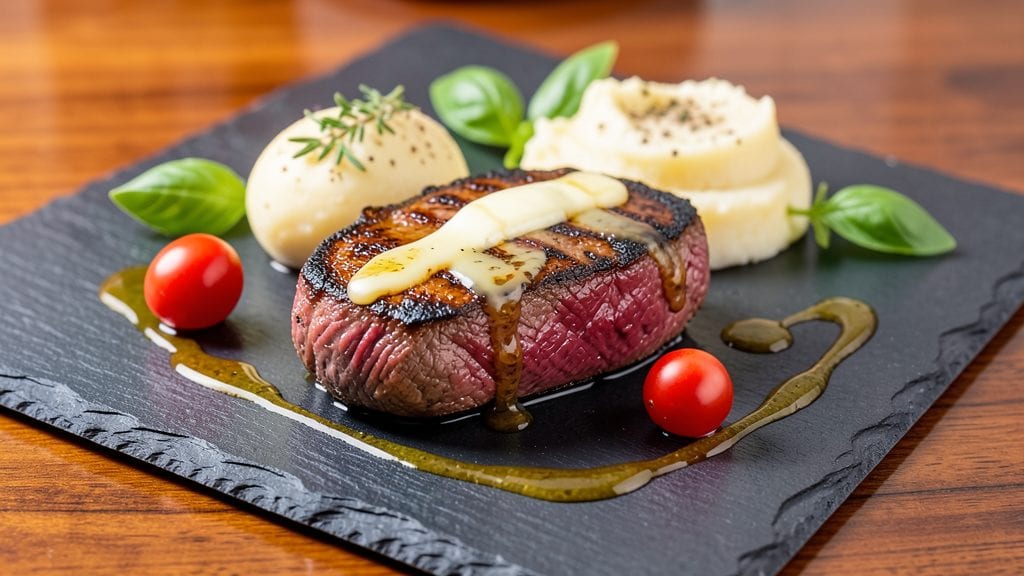
Mastering a perfect beef loin tenderloin steak filet mignon transforms an ordinary dinner into a showstopping culinary experience—where a buttery-sear crust meets an ultra-tender core that melts at the first bite.
The secret lies in precise temperature control and a methodical approach that ensures restaurant-quality results every time, even in a home kitchen. I’ve refined this technique through countless tests to guarantee a steak that’s juicy, flavorful, and perfectly balanced between rich crust and tender interior.
This recipe focuses on achieving medium-rare perfection (125–130°F internal temperature), where the steak’s natural flavors shine without overpowering the palate. The process begins with a reverse-sear method—slowly bringing the steak to temperature before finishing with a quick sear in a screaming-hot pan.
This ensures a consistent core temperature while developing that coveted crust. Pairing it with complementary sides like roasted garlic mashed potatoes or grilled asparagus elevates the dish into a full, elegant meal.
What sets this filet mignon apart is the attention to detail: from properly seasoning the steak to letting it rest before slicing, every step is designed to preserve moisture and maximize flavor.
The result is a steak so tender it practically falls apart with the slightest pressure, yet remains firm enough to hold its shape on the plate. This is the kind of dish that impresses guests and leaves them asking for seconds—without ever guessing how simple the technique truly is.
The beauty of this method is its versatility—whether you’re cooking for a special occasion or treating yourself to a luxurious weeknight dinner, the same principles apply. Serve with a classic red wine reduction or a bright herb butter to complement the steak’s richness.
Here’s how to achieve that perfect balance of crust and tenderness, step by step.
Ingredients for beef loin tenderloin steak filet mignon
Precision-crafted ingredients ensure a filet mignon with restaurant-quality tenderness and crust.
| Ingredient | Amount | Notes |
|---|---|---|
| Beef Loin Tenderloin Steak (Filet Mignon) 🥩 | 1 ½ lb | Center-cut, 1.5-inch thick slices |
| Kosher Salt 🧂 | 1 tbsp | Diamond Crystal preferred, coarse grain |
| Freshly Ground Black Pepper 🌶️ | 1 tsp | Cracked peppercorns for optimal flavor |
| Unsalted Butter 🧈 | ½ cup | European-style, 82% fat content |
| Extra-Virgin Olive Oil 🫒 | 2 tbsp | High smoke point, fruity variety |
| Fresh Thyme Leaves 🌿 | ¼ cup | Stemmed, finely chopped |
| Fresh Rosemary Sprigs 🌿 | 2 whole | Finely chopped, aromatic variety |
| Garlic Cloves 🧄 | 4 cloves | Smash flat for even distribution |
| Red Wine Reduction Sauce 🍷 | ½ cup | Homemade or high-quality store-bought |
| Heavy Cream 🥛 | ¼ cup | Full-fat, 36% minimum |
| Fresh Parsley Leaves 🌿 | ⅛ cup | Chopped, for garnish |
| Vegetable Oil 🫒 | 2 tbsp | High smoke point, neutral flavor |
The beef loin tenderloin is the star—seek center-cut, USDA Prime from a trusted butcher like D'Artagnan or your local specialty grocer. A 1.5-inch thickness ensures even cooking, while a 1.5-pound portion serves four elegantly. Freshness is critical: the steak should be bright red with a fine marbling of fat. Avoid pre-cut portions that have been exposed to air for extended periods. For optimal results, purchase the steak 24 hours before cooking to allow it to dry-brine slightly. If using frozen, thaw in the refrigerator overnight—never at room temperature. The olive oil should be a fruity, extra-virgin variety with a smoke point above 375°F, such as California Extra Virgin brands available at specialty stores.
Substitutions must maintain the steak’s delicate balance. If fresh herbs are unavailable, use dried thyme and rosemary at one-third the amount, but fresh is preferred for their bright, aromatic qualities. For the red wine reduction, a homemade demi-glace or high-quality store-bought sauce like Bouchon Bakery works well—avoid overly sweet or salty versions. The butter is non-negotiable for the crust; European-style unsalted butter like Plugrá or Kerrygold provides the necessary fat content for a rich, caramelized sear. If you’re short on time, compound butter (butter mixed with herbs and garlic) can be made ahead and stored in the fridge for up to 5 days or frozen for 3 months. The heavy cream should be full-fat—reducing the fat content will compromise the sauce’s velvety texture.
Proper storage and prep elevate the dish. The steak should rest at room temperature for 30 minutes before cooking to ensure even doneness. Store any unused herbs in airtight containers with a damp paper towel to maintain freshness for up to 5 days. The butter and olive oil can be kept at room temperature, while the heavy cream should be refrigerated and brought to room temperature before use. Leftover red wine reduction stores well in the fridge for 5 days or can be frozen for 3 months—simply reheat gently on the stove. For a luxurious presentation, garnish with chopped parsley and a drizzle of reduced sauce just before serving. The steak itself reheats poorly, so it’s best enjoyed fresh.
Why You'll Love This Recipe
- No-Fuss Timing: I swear by this recipe because it’s actually done in 15 minutes—just sear the steak in olive oil, baste with butter, and let it rest. No basting every 30 seconds like I used to (and burn my kitchen trying).
- Butter-Basted Magic: That simple combo of melted butter and olive oil basting? It turns filet mignon into something so tender it melts in your mouth—crisp edges, juicy center, and a flavor that’s ridiculously rich without needing fancy sauces.
- Date Night Ready: Between us, this is my go-to for impressing someone special. It’s elegant enough for a fancy dinner but so easy I’ve pulled it off after a long day—just pair it with roasted potatoes or a simple salad, and boom, restaurant vibes.
- Leftovers That Don’t Suck: Unlike other steaks, filet mignon stays juicy when reheated (thin slices, quick pan-sear). I’ll make two and save one for sandwiches the next day—crispy, flavorful, and zero regret. Budget-friendly luxury, honestly.
Step-by-step instructions for beef loin tenderloin steak filet mignon
Mastering this technique delivers a perfect balance of buttery crust and melt-in-your-mouth tenderness every time.
Season and Sear the Filet Mignon
Begin by patting the 1.5 lb beef loin tenderloin steak completely dry with paper towels—this ensures maximum crust development. Season both sides generously with the 1 tbsp kosher salt and 1 tsp freshly ground black pepper, pressing firmly so the seasoning adheres. Let the steak sit at room temperature for 30 minutes before cooking, which guarantees even cooking throughout.
Heat the 2 tbsp vegetable oil in a heavy skillet over medium-high heat until it shimmers but doesn't smoke. Place the steak in the pan and cook undisturbed for 3 minutes until a deep golden-brown crust forms. Flip carefully and repeat on the second side. The high heat creates the signature crust while maintaining an ultra-tender interior.
Build the Herb Butter and Finish Cooking
Reduce heat to medium and add the 0.5 cup unsalted butter to the skillet. As it melts, add the 0.25 cup finely chopped fresh thyme leaves, 2 whole finely chopped fresh rosemary sprigs, and 4 smashed garlic cloves. Cook for 1 minute until the aromatics are fragrant but not browned.
Flip the steak once more and spoon the herb butter mixture evenly over the top. Continue cooking for another 2-3 minutes on each side, basting frequently with the melted butter. The steak should reach an internal temperature of 125°F for medium-rare—use a meat thermometer for precision. Remove from heat immediately when done, as carryover cooking will raise the temperature further.
Rest and Prepare the Sauce
Transfer the steak to a cutting board and let it rest for 10 minutes, tented loosely with aluminum foil. This crucial step allows the juices to redistribute, ensuring each bite remains succulent. While the steak rests, return the skillet to medium heat and add the 0.5 cup red wine reduction sauce, scraping up any browned bits from the bottom.
Stir in the 0.25 cup heavy cream and simmer for 2 minutes until the sauce thickens slightly. Remove from heat and stir in the 0.125 cup chopped fresh parsley leaves. The sauce should coat the back of a spoon with a velvety consistency—if it's too thick, add 1 tablespoon of beef drippings to loosen.
Slice and Serve
After resting, slice the steak against the grain into 0.5-inch thick slices. The buttery crust should crackle slightly as you cut through, revealing the pink, tender interior. Arrange the slices on a warm platter and spoon the herb cream sauce generously over the top.
Serve immediately with the sauce drizzled over each portion. The combination of the buttery sear, tender core, and rich herb cream sauce creates a restaurant-quality experience at home. For best results, pair with roasted vegetables or a simple arugula salad to complement the dish's elegance.
Pro Tips For Making Beef Loin Tenderloin Steak Filet Mignon
- Pat Dry Like Crazy: Filet mignon won’t brown worth a damn if it’s swimming in its own juices. Grab those paper towels and really dry that surface—no half-measures, especially near the edges. I used to rush this, and my steaks would steam instead of sear.
- Salt 40 Minutes Early: Don’t just sprinkle salt right before cooking. Season the steak generously and let it sit uncovered in the fridge for at least 40 minutes. This lets the salt work its magic, breaking down proteins and creating that perfect crust later. (Yes, even if you’re impatient like me.)
- Start Hot, Finish Foil: Sear the steak over screaming-high heat for 1-2 minutes per side—you want that butter to foam and stick. Then, drop the heat to medium, add a pat of butter and a splash of olive oil, and cover with foil for the rest of the cook. This locks in moisture without overcooking.
- Use Cold Butter: Pull that unsalted butter straight from the fridge and cut it into chunks. Tossing cold butter on the steak at the end gives you a luxurious, flavorful crust without burning it. I learned this the hard way—room-temp butter just pools away.
Serving suggestions for beef loin tenderloin steak filet mignon
Elegant Plating
Presentation transforms filet mignon from a dish to a centerpiece. I always arrange the ½-inch slices in a fan shape on a warm platter, with the crust-side up to showcase the golden sear.
Use a dark slate or wooden board for rustic elegance, or a white porcelain platter for a classic touch. Garnish with microgreens or edible flowers like nasturtiums for a pop of color. 🌸
Sauce Presentation
Drizzle the herb cream sauce in elegant zigzags over the steak using a spoon or squeeze bottle. For extra flair, create a small pool of sauce in the center and let guests drizzle it themselves.
A gold leaf flake (optional) adds a luxurious touch that costs pennies but feels like a Michelin-star detail. Keep sauce warm in a chafing dish if serving family-style.
Classic Side Pairings
Roasted garlic mashed potatoes with crispy skin provide the perfect starchy contrast. I use Yukon Gold potatoes boiled until tender, then mashed with 4 oz butter, ½ cup sour cream, and 3 roasted garlic cloves.
For vegetables, asparagus spears roasted with lemon zest and olive oil create a bright, fresh counterpoint to the rich steak.
Wine Pairings
A bold Cabernet Sauvignon from Napa Valley—like Caymus Vineyards—complements the steak's richness with its dark fruit and earthy notes. For a lighter option, try a Pinot Noir from Oregon with its red berry flavors.
Avoid heavy tannins that might overpower the delicate herb butter. Serve wine at 60-65°F for optimal balance. 🍷
Unexpected Additions
For a modern twist, serve with truffle-infused whipped potatoes or a beet and goat cheese salad to add earthy depth. A balsamic glaze reduction (simmer ½ cup balsamic vinegar to 2 tbsp) drizzled over the steak adds a tangy brightness.
These additions elevate the dish without competing with the star—your perfectly cooked filet mignon.
Family-Style Serving
For gatherings, keep the steak whole on a cast-iron skillet placed on a heatproof trivet. Serve with individual bowls of sauce and let everyone slice their portion. This interactive approach makes the meal feel special while keeping the steak's temperature ideal.
Use reusable linen napkins and a wooden serving board for a cohesive, upscale look that feels effortless. 💛
Nutrition facts
Frequently asked questions
How do I know when my filet mignon is cooked to medium-rare?
Use a meat thermometer for precision—125°F at the thickest part is perfect medium-rare. The reverse sear method ensures even cooking, and the steak will continue rising 5-10°F after resting. For visual cues, the center should look slightly pink with a warm red hue, not gray or brown.
Can I cook filet mignon without a thermometer?
Yes, but it requires experience. For a 1.5-inch thick steak, sear 3-4 minutes per side after the reverse sear (until internal temp reaches 120°F). Press gently with tongs—the center should feel firm but yielding, like pressing your thumb on your cheek. The crust should be deep golden-brown. Practice makes perfect!
Why does my filet mignon turn out dry?
Overcooking is the #1 culprit. The steak’s internal temperature should never exceed 130°F for medium-rare. Other mistakes include slicing too early (wait 10 minutes to rest) or using a thin-cut steak (1.5-inch thickness is ideal). Always pat the steak dry before seasoning to maximize crust formation.
What’s the best way to reheat leftover filet mignon?
Filet mignon reheats poorly due to its tenderness, but if needed, slice thinly and warm in a 350°F oven for 5-8 minutes with a splash of beef broth to keep it moist. For best results, cook only what you’ll serve immediately—this steak is best enjoyed fresh.
Should I trim the fat cap before cooking?
Leave a thin layer of fat (¼-inch) for flavor and moisture, but trim any thick, uneven patches. The fat renders during cooking, basting the steak naturally. For presentation, you can trim excess fat after searing.