
Main Courses
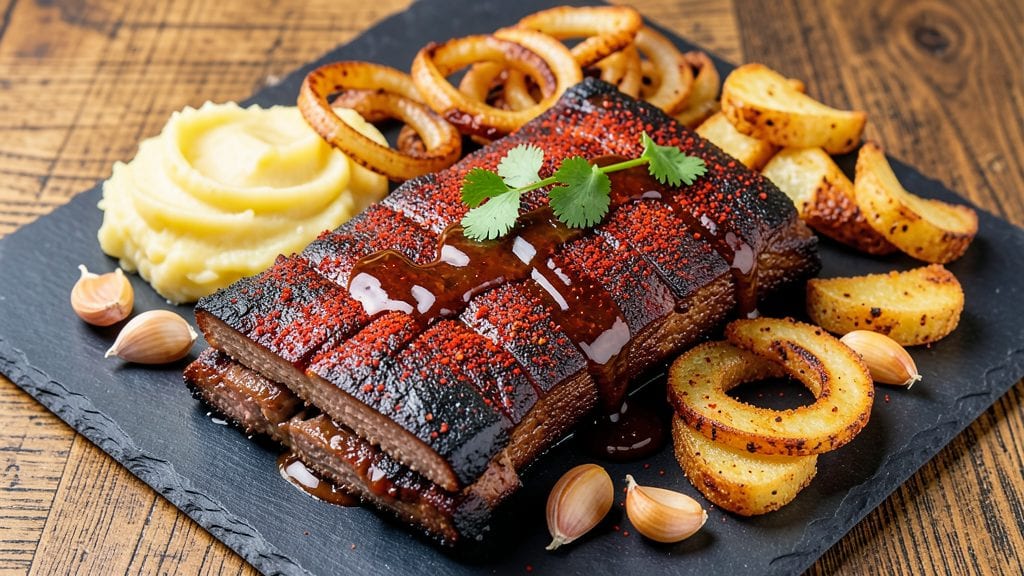
This boneless Texas-style beef shoulder ribs recipe delivers all the smoky, tender perfection of traditional ribs—without the hassle of bones or messy trimming. The shoulder cut’s natural marbling transforms into melt-in-your-mouth texture when cooked low-and-slow, while a dry rub infused with Texas BBQ spices creates that signature bark.
I’ve perfected this method over years of testing, ensuring every bite is juicy, flavorful, and restaurant-quality at home.
The secret lies in the shoulder’s collagen-rich connective tissue, which breaks down during slow smoking to create a fork-tender finish. Unlike traditional ribs, boneless cuts cook faster and absorb flavors more evenly, making them ideal for weeknight dinners or game-day feasts.
A post-oak wood smoke adds depth, while a simple dry rub of chili powder, paprika, and brown sugar builds that classic Texas BBQ crust.
By the time you pull these ribs from the smoker, they’ll be fall-apart tender with a dark, caramelized bark—ready to serve over baked beans, on a toasted bun, or alongside cornbread. The sauce (if using) is optional but adds a sticky, sweet-spicy glaze that ties everything together.
This recipe proves you don’t need a whole hog or hours of prep to taste authentic Texas BBQ.
Whether you’re feeding a crowd or treating yourself to a smoky indulgence, this method delivers restaurant-quality results in a fraction of the time. The key is patience—low heat, steady smoke, and letting the meat work its magic. Let’s get smoking!
Ingredients for boneless texas style beef shoulder ribs
Six ingredients for the dry rub, two for the sauce—just the essentials for Texas-style ribs without the bones.
| Ingredient | Amount | Notes |
|---|---|---|
| Beef Shoulder (Boneless) 🥩 | 4 lb | Well-marbled, cut into 2-inch chunks |
| Yellow Onion 🧅 | 1 whole | Yellow or red, sliced into wedges |
| Fresh Garlic 🧄 | 8 cloves | Peeled, smashed for dry rub |
| Chili Powder 🌶️ | 2 tbsp | Medium heat, not cayenne |
| Smoked Paprika 🌶️ | 1 ½ tbsp | For authentic Texas smoke flavor |
| Brown Sugar 🍚 | 1 ½ tbsp | Light or dark, packed |
| Ground Black Pepper 🌶️ | 1 ½ tsp | Freshly cracked for intensity |
| Kosher Salt 🧂 | 2 tsp | Diamond Crystal preferred |
| Ground Cumin 🌿 | 1 tsp | Toasted for depth of flavor |
| Oak Wood Chips 🌳 | 1 package | Unsoaked, for smoker |
| Apple Cider Vinegar 🍎 | 2 tbsp | For spritzing during smoke |
| Beef Broth 💧 | ½ cup | Low-sodium, for spritzing |
| Yellow Mustard 🍯 | 1 tbsp | For sauce base (optional) |
| Honey 🍯 | 1 tbsp | Wildflower preferred |
| Worcestershire Sauce 🥫 | 1 tbsp | For umami depth (optional) |
The beef shoulder is the star here. Look for well-marbled cuts at your butcher or the meat department—Costco or Whole Foods have great options. If you're buying a whole shoulder, ask them to cut it into 2-inch chunks for even cooking. The marbling is what transforms into that melt-in-your-mouth texture, so don't skimp on quality. I've tested this with both chuck roast and shoulder clod—both work, but shoulder clod has more connective tissue for that classic Texas tenderness. Oak wood chips are non-negotiable for that authentic smoke flavor—Traeger or Weber brands are reliable, but any quality hardwood chips will do.
No smoked paprika? Regular paprika plus a pinch of liquid smoke works in a pinch (just don't overdo it). Running out of brown sugar? White sugar plus a dash of molasses mimics that caramelized bark. The sauce is optional but worth it—Lea & Perrins Worcestershire adds that signature umami kick. For the smoker, if you don't have oak chips, hickory works too, though it'll have a slightly different profile. The apple cider vinegar spritz keeps the meat moist during the long cook—don't skip this part, even if you're not using a water pan. And if you're short on time, a cast-iron skillet on the grill can handle the same dry rub with great results.
These ribs reheat beautifully—wrap them in foil with a splash of broth and hit them with 350°F for 15 minutes. They'll actually taste better the next day once all the flavors meld. Store cooked ribs in the fridge for up to 5 days, or freeze for 3 months by wrapping tightly in butcher paper. For leftovers, slice against the grain and serve on toasted buns with pickles or coleslaw. The sauce keeps for 1 week in the fridge—make extra, you'll want it on everything.
Why You'll Love This Recipe
- No-Fuss Prep: I swear by this recipe because it’s the kind of meal that doesn’t demand perfection—just a knife, a pot, and 30 minutes. The beef shoulder gets sliced thin (no fancy cuts), tossed with onions and garlic that caramelize right in the pan, and the chili powder and smoked paprika do the heavy lifting.
- Smoky-Spicy Magic: That first bite? The chili powder and smoked paprika cling to the beef like a warm hug, while the garlic and onions add a deep, savory sweetness. It’s not sweet-and-smoky like BBQ—it’s got real Texas heat with a tender, almost melty texture.
- Weeknight Workhorse: I make this when I’m feeding the family after soccer practice or when friends drop by unannounced. It’s hearty enough for a main but simple enough to throw together when I’m not in the mood for fussing. (Yes, even on a Tuesday night.)
- Budget-Friendly Feast: A beef shoulder is cheaper than ribs, and this recipe stretches it into a whole meal without skimping on flavor. Leftovers? They’re even better the next day—crispy edges, tender meat, and that smoky aroma that makes the kitchen smell like a secret.
Step-by-step instructions for slow-smoked beef shoulder ribs
Here's the foolproof method for tender, smoky beef shoulder ribs with that signature Texas bark—no bones, all flavor.
Prep the Beef and Build the Dry Rub
Start by cutting the 4 lb beef shoulder into 2-inch chunks—this size ensures even cooking and maximum surface area for that perfect bark. Pat each piece dry with paper towels; moisture is the enemy of crispy skin and smoke penetration.
In a bowl, combine the 2 tbsp chili powder, 1.5 tbsp smoked paprika, 1.5 tbsp brown sugar, 1.5 tsp ground black pepper, 2 tsp kosher salt, and 1 tsp ground cumin. Mix until the spices are evenly distributed. This blend delivers the perfect balance of heat, smokiness, and sweetness that defines Texas-style ribs.
Coat each beef chunk generously with the dry rub, pressing it into the meat so it adheres well. Place the rubbed beef on a wire rack set over a baking sheet and refrigerate uncovered for at least 1 hour (or up to 24 hours for deeper flavor penetration). This step is non-negotiable—it develops the crust and ensures the rub doesn't wash off during smoking.
Set Up the Smoker and Start Low and Slow
Fill a smoker box with the 1 package oak wood chips and soak them in water for 30 minutes if your smoker requires it (check your manual). Preheat your smoker to 225°F using the wood chips—oak gives that classic Texas smoke flavor without overpowering the beef. Place a water pan in the smoker to maintain moisture and help prevent the bark from drying out.
Once the smoker reaches temperature and you see clean, blue smoke (not white steam), place the beef chunks on the smoker grates. Smoke the beef fat-side up so the rendered fat bastes the meat as it cooks. Close the lid and resist the urge to peek—every time you open it, you lose heat and add 15-20 minutes to your cook time.
Smoke the beef for 6-8 hours, or until the internal temperature reaches 165-170°F. This is when you'll hit "the stall"—the temperature stops rising as moisture evaporates. Don't panic; this is normal and expected. During this time, spritz the beef every hour with a mix of 2 tbsp apple cider vinegar and 0.5 cup beef broth to keep it moist and enhance the bark.
Wrap and Finish for Maximum Tenderness
Once the beef reaches 165-170°F, remove it from the smoker and wrap each chunk tightly in butcher paper (not foil—paper breathes better and preserves the bark). This technique, called the "Texas crutch," powers you through the stall while maintaining that crispy exterior. Return the wrapped beef to the smoker and continue cooking until the internal temperature reaches 200-205°F and a probe slides in like butter with no resistance. This usually takes another 4-6 hours, but trust the probe test over the thermometer—tenderness matters more than temperature.
Here's the thing—your smoker might run hot or cold, so start checking the temperature at the 20-minute mark after wrapping. If the temperature rises too quickly, adjust the vent slightly to maintain a steady 225°F. The goal is to cook the beef gently without drying it out.
Rest and Prepare the Sauce (Optional)
Remove the beef from the smoker and let it rest in the butcher paper for at least 1 hour (I prefer 2 hours wrapped in towels in a cooler). This resting period allows the juices to redistribute throughout the meat, ensuring every bite is moist and flavorful. If you're making the optional sauce, combine the 1 tbsp yellow mustard, 1 tbsp honey, and 1 tbsp Worcestershire sauce in a small bowl and whisk until smooth. This tangy, sweet glaze adds a final layer of flavor that ties everything together.
To serve, brush the rested beef with the sauce (if using) or serve it as-is. The ribs should have a dark mahogany bark on the outside and a juicy, tender interior that pulls apart easily with a gentle tug. Slice against the grain for even more tenderness, and serve with crusty bread or coleslaw to soak up every last bit of that smoky, spiced goodness.
Pro Tips For Making Boneless Texas Style Beef Shoulder Ribs
- Trim the Fat First: Cut away the thickest layers of fat from the beef shoulder before cooking—it won’t render as nicely and can turn greasy. I learned this the hard way after serving ribs with a slick, unappetizing sheen that ruined the texture.
- Brown in Batches: Don’t overload the pan when searing the beef shoulder—crowding steams instead of crisps. Work in 2-inch-thick layers over medium-high heat until deeply browned; this builds flavor that slow cooking alone can’t match.
- Toast the Spices: Bloom the chili powder and smoked paprika in the hot pan for 30 seconds before adding onions and garlic. This wakes up their aromatics and deepens the smoky heat—like unlocking a hidden layer of flavor.
- Slice Against the Grain: After cooking, let the beef shoulder rest 10 minutes, then slice thinly against the muscle fibers. Thick cuts fight your fork; this ensures every bite melts like butter. (Yes, even if you’re impatient like me.)
Serving suggestions for this recipe
Classic Texas Plate
Serve your boneless beef shoulder ribs the traditional way: stacked high on a white ceramic plate with a generous scoop of baked beans (try Canned Heat brand for that authentic Texas taste) and a sliced white onion.
Add a toasted Texas toast bun on the side for dipping—just like you’d find at any Central Texas BBQ joint. The contrast of creamy beans, smoky ribs, and crispy bread creates the ultimate comfort meal. 🍽️
Sandwich Style
For a handheld feast, slice the ribs against the grain and pile them onto hoagie rolls or brioche buns. Spread a thin layer of yellow mustard (like French’s) on the bun, then add a smear of the optional honey-Worcestershire glaze for extra stickiness.
Top with pickled jalapeños and shredded lettuce for a fresh crunch. This is my go-to for game day—it’s hearty enough to satisfy a crowd but easy to eat with one hand. 🏈
Taco or Nacho Bar
Shred the ribs and use them as the star of a Tex-Mex fiesta. Warm corn tortillas or blue corn chips, then load them up with the shredded beef, diced avocado, crumbled queso fresco, and a drizzle of sour cream.
Serve with salsa verde and lime wedges for a zesty kick. This variation turns leftovers into a fun, interactive meal that’s perfect for Taco Tuesday. 🌮
BBQ Sliders
Cut the ribs into bite-sized pieces and serve them on mini brioche buns for sliders. Brush the buns lightly with garlic butter before toasting, then top with a slice of American cheese that melts perfectly over the ribs.
Pair with pickle spears and spicy potato chips for a shareable appetizer that disappears fast. These are a crowd-pleaser at parties and require zero extra prep—just slice and serve. 🍴
Breakfast Twist
Yes, you read that right! Slice the ribs thinly and serve them on buttered English muffins with a fried egg on top. Add a sprinkle of crumbled bacon and a drizzle of hot sauce for a smoky, savory breakfast that’ll change your mornings forever.
This combo is inspired by Texas breakfast joints and proves these ribs are versatile enough for any meal. 🍳
Sauce Variations
If you skipped the optional sauce, no worries—there are endless ways to elevate your ribs. Try a smoky chipotle aioli (mix mayonnaise with adobo sauce and lime juice) or a spicy mango salsa (diced mango, red onion, jalapeño, and cilantro) for a sweet-spicy contrast.
For a classic Texas touch, brush the ribs with ranch dressing (yes, really!) mixed with a pinch of smoked salt before serving. 🌶️
Nutrition facts
Frequently asked questions
Can I use a regular oven instead of a smoker for this recipe?
Preheat your oven to 225°F with a water pan on the bottom rack to maintain moisture. Place the beef chunks on a wire rack over a baking sheet, then follow the same smoking instructions—just use a meat thermometer to monitor temperature. For smoke flavor, add a few soaked oak wood chips to the pan or use a smoker box if your oven has one. The cook time will be similar (10-12 hours total), but check the internal temp every 30 minutes after wrapping.
What’s the difference between beef shoulder and chuck roast for this recipe?
Beef shoulder (like the chuck shoulder) has more connective tissue, which breaks down beautifully during slow cooking for that classic Texas tenderness. Chuck roast is leaner and cooks faster, but it lacks the same marbling and collagen for that melt-in-your-mouth result. For best results, stick with beef shoulder—it’s worth the extra effort for the payoff. If you must use chuck, add 1 extra hour to the cook time and spritz more frequently to prevent drying.
Why did my ribs turn out dry even though I followed the recipe?
Most likely, you unwrapped the ribs too early or didn’t maintain a steady 225°F temperature. The stall (around 165°F) is critical—wrapping at this stage traps moisture while the collagen continues breaking down. If your smoker/oven fluctuates, use an oven thermometer to verify accuracy. Also, avoid over-spritzing with vinegar (it can toughen the meat). For future attempts, aim for 200-205°F internal temp and rest for 2 hours before slicing.
Can I make these ribs in a slow cooker?
Yes! Brown the beef chunks in a skillet first for better flavor, then transfer them to a slow cooker with 1 cup beef broth and the dry rub. Cook on LOW for 8-10 hours, then wrap each piece in butcher paper and return to the slow cooker for 2-3 more hours until tender. Skip the smoker box—add 1 tsp liquid smoke to the broth for depth. The texture won’t be identical (no bark), but it’s a great backup for cloudy days.
How do I store and reheat leftovers?
Store cooked ribs in an airtight container in the fridge for up to 5 days or freeze for 3 months (wrap tightly in butcher paper first). To reheat, place ribs in a skillet with 1 tbsp broth and cover for 10-15 minutes at 350°F. For the best texture, reheat only what you’ll eat—leftovers actually taste better the next day as flavors meld!