
Main Courses
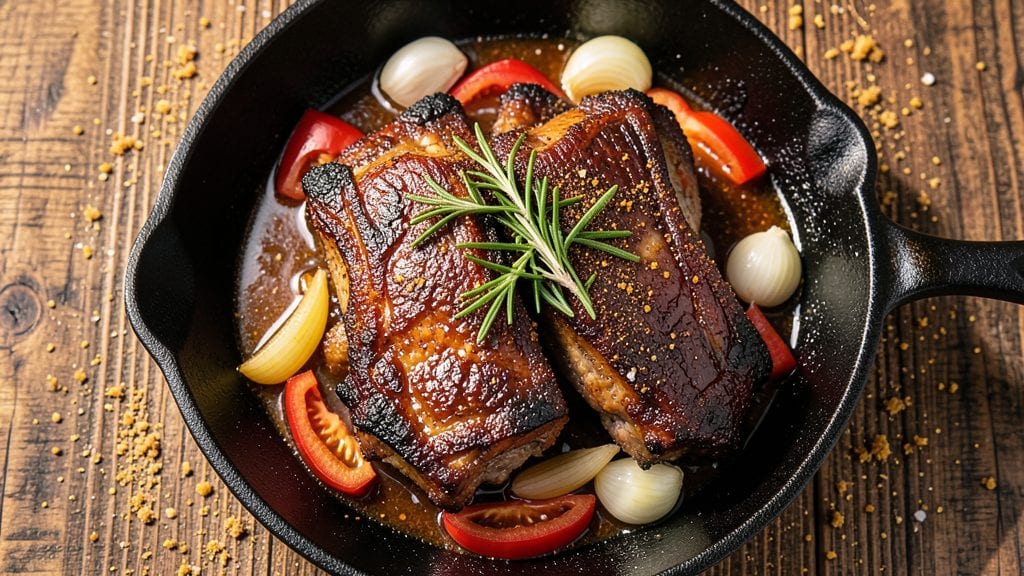
Transforming a tough cut of beef shoulder into Texas-style ribs that practically melt in your mouth is one of the most rewarding cooking projects you’ll ever tackle. This method delivers that legendary smoky bark and fall-off-the-bone tenderness that defines Texas barbecue traditions.
After years of perfecting the technique, I’ve developed a foolproof approach that works in your home oven or smoker—no fancy equipment required.
The secret lies in a three-stage process: first, building a deep flavor base through a dry rub and slow braise, then developing that coveted dark bark through indirect heat, and finally finishing with a crisping step that locks in moisture.
What makes this recipe work is the patience—low temperatures break down connective tissue while allowing fat to render slowly, creating a sauce-rich meat that needs no extra glaze. The result? Ribs so tender they’ll have your guests reaching for seconds before the plate is empty.
By the time you’re done, you’ll have restaurant-quality Texas-style ribs with a glossy, crackling bark and meat so tender it slides off the bone with minimal effort. The aroma alone will fill your kitchen with that unmistakable smoky, savory scent that makes every bite worth the wait.
Serve with classic Texas sides like tangy pickles, buttery cornbread, and a drizzle of your favorite BBQ sauce for the full experience.
This method scales beautifully for gatherings, and the leftovers reheat just as well as the first serving. Whether you’re hosting a backyard cookout or simply craving a hearty meal, these ribs deliver the kind of satisfaction that turns weeknight dinners into memorable feasts.
Let’s get started on creating Texas-style perfection in your own kitchen.
Ingredients for beef shoulder texas style ribs
Six core ingredients transform tough beef shoulder into legendary Texas-style ribs with smoky bark and melt-in-your-mouth tenderness.
| Ingredient | Amount | Notes |
|---|---|---|
| Beef Shoulder (Bone-In) 🥩 | 4 lb | Chuck roast or picnic cut preferred |
| Yellow Onion 🧅 | 1 whole | Large, roughly chopped |
| Garlic Cloves 🧄 | 8 cloves | Peeled, smashed |
| Smoked Paprika 🌶️ | 2 tbsp | High-quality for smoky depth |
| Ground Black Pepper 🌶️ | 1 ½ tbsp | Freshly cracked |
| Kosher Salt 🧂 | 2 tbsp | Diamond Crystal preferred |
| Brown Sugar 🍚 | 1 tbsp | Light or dark |
| Ground Cumin 🌿 | 1 tsp | Toasted for warmth |
| Dried Thyme 🌿 | 1 tsp | Or 1 tbsp fresh |
| Apple Cider Vinegar 🍎 | ½ cup | For tangy depth |
| Beef Broth 💧 | 1 cup | Low-sodium preferred |
| Yellow Mustard 🍯 | 1 tbsp | Dijon works too |
| Unsalted Butter 🧈 | 4 tbsp | Cold for finishing |
| Fresh Rosemary 🌿 | 2 sprigs | For aroma |
The beef shoulder is non-negotiable—chuck roast or picnic cut delivers the best marbling for flavor and tenderness. Costco or local butchers often carry these cuts at competitive prices, but check the grocery store's meat counter too. Look for pieces with good fat distribution—the white fat streaks melt during cooking, creating natural sauce. If your cut is large, ask the butcher to trim it to about 4 pounds for easier handling. For the dry rub, Penzeys or local spice shops offer the highest quality smoked paprika—this is where the authentic Texas flavor comes from. Don't skimp here; it makes all the difference in that coveted dark bark.
No smoked paprika? Substitute 1 tbsp regular paprika plus 1 tsp liquid smoke, but it won't be quite the same. Fresh rosemary unavailable? Dried thyme at half the amount works in a pinch. The apple cider vinegar adds tang—substitute balsamic vinegar if that's what you have. For the beef broth, low-sodium versions prevent over-salting the ribs. The yellow mustard isn't just for flavor; it helps bind the rub to the meat. If you're using Dijon, reduce the amount to 1 tsp since it's more concentrated. The butter should be cold and cubed when you're ready to finish the ribs—this creates that perfect crispy bark without steaming the meat.
This recipe rewards patience—plan for 6-8 hours total time. The ribs reheat beautifully; store leftovers in the fridge for up to 5 days, wrapped tightly in foil to preserve moisture. For longer storage, freeze portions for up to 3 months. I like to portion them into individual servings before freezing so they're ready to reheat. When reheating, low and slow in the oven (275°F) is best—it prevents drying out. The sauce that pools in the pan is liquid gold; deglaze with a splash of water and use it to moisten the ribs as they reheat.
Why You'll Love This Recipe
- Here’s what sold me: these ribs are so good cold the next day. I’ll slice them up for sandwiches, toss them into salads, or just reheat a portion for a lazy lunch. No sad, dry meat—just flavor that sticks around.
- Fewer Ingredients, Bigger Bang: I swear by this recipe because it’s that simple—just beef, onions, garlic, and a handful of spices. No fancy rubs or secret sauces. The bone-in shoulder stays juicy while the paprika and black pepper give it that smoky, slightly spicy kick that’s impossible to resist.
- Smoky Depth in Minutes: Between us, I’ve tried fancy dry rubs, but nothing beats the way smoked paprika and garlic cloves infuse the meat while it cooks. The result? Rich, caramelized edges with a tender center—like a Texas BBQ joint in my kitchen, but with way less effort.
- Leftovers That Don’t Suck: Here’s what sold me: these ribs are so good cold the next day. I’ll slice them up for sandwiches, toss them into salads, or just reheat a portion for a lazy lunch. No sad, dry meat—just flavor that sticks around.
Step-by-step instructions for beef shoulder Texas-style ribs
Here's how to transform tough beef shoulder into ribs with legendary bark and melt-in-your-mouth tenderness.
Prepare the Dry Rub and Season the Meat
In a medium bowl, combine the 2 tablespoons smoked paprika, 1.5 tablespoons ground black pepper, 2 tablespoons kosher salt, 1 tablespoon brown sugar, 1 teaspoon ground cumin, and 1 teaspoon dried thyme. This blend creates the perfect balance of smoky heat, sweetness, and earthy depth for authentic Texas-style flavor.
Pat the 4 lb beef shoulder completely dry with paper towels—this is critical for developing that coveted crust. Generously coat all surfaces with the dry rub mixture, pressing it firmly into the meat so it adheres well. The rub should look like it's clinging to every inch, especially the fat cap. Place the seasoned beef shoulder on a wire rack set over a baking sheet and refrigerate uncovered for at least 2 hours, or preferably overnight. This resting period allows the rub to penetrate deeply and the meat to dry out slightly, both essential for that perfect bark.
Slow Cook Until Probe-Tender
Preheat your oven to 275°F. Place the seasoned beef shoulder fat-side up in a Dutch oven or heavy oven-safe pot. Add the 1 whole yellow onion (roughly chopped), 8 smashed garlic cloves, 2 sprigs fresh rosemary, 0.5 cup apple cider vinegar, and 1 cup beef broth. The vinegar adds tangy depth while the broth keeps everything moist during the long cook.
Cover the pot tightly with a lid or foil and place it in the oven. Cook for 4 hours, then carefully check the internal temperature using a meat thermometer inserted into the thickest part of the meat. You're aiming for 165°F, but don't be surprised if it hits "the stall" around 155°F—this is normal and means the meat is releasing moisture. If you encounter this, simply increase the oven temperature to 300°F and continue cooking. The meat should be fork-tender but not falling apart at this stage—it will become more tender as it rests.
Create the Texas Crutch Wrap
Once the beef shoulder reaches 165°F internally, remove it from the oven and let it rest for 10 minutes. This resting period allows the juices to redistribute. While it rests, prepare the wrapping mixture by combining the 1 tablespoon yellow mustard and 4 tablespoons cold unsalted butter in a small bowl. The cold butter creates a protective barrier that helps develop that signature bark while keeping the meat moist.
Spread this mustard-butter mixture evenly over the entire surface of the beef shoulder, then wrap it tightly in heavy-duty aluminum foil. Return the wrapped beef shoulder to the oven and cook for an additional 2 to 3 hours, or until the internal temperature reaches 203°F. This "Texas crutch" technique is what transforms tough beef shoulder into ribs that practically fall apart with a gentle touch. The foil wrap helps break through the stall while maintaining that incredible bark on the outside.
Develop the Crust and Rest for Maximum Tenderness
Remove the wrapped beef shoulder from the oven and let it rest for 30 minutes. During this time, increase the oven temperature to 400°F. Unwrap the beef shoulder and place it fat-side up on a wire rack set over a baking sheet. Return it to the oven and cook for 20 to 30 minutes, or until the exterior develops a deep mahogany crust and the internal temperature reaches 208°F. This final high-heat step creates that coveted bark while ensuring the meat remains juicy and tender.
Once the beef shoulder has developed its crust, remove it from the oven and let it rest for at least 1 hour before slicing. This extended rest period is crucial—it allows the connective tissues to fully break down and the juices to redistribute throughout the meat. When you're ready to serve, slice the beef shoulder against the grain into ½-inch thick slices. Each slice should be so tender it practically falls apart, with a beautiful mahogany crust that's crispy on the outside and perfectly seasoned throughout.
Pro Tips For Making Beef Shoulder Texas Style Ribs
- Trim the Fat First: Cut off the thickest layer of fat from the beef shoulder before seasoning—it’s not just for looks. I learned this the hard way when my ribs rendered into a greasy mess instead of crispy, flavorful bites. Use a sharp knife and don’t be shy; you’re aiming for about ¼-inch thickness max.
- Sear at 450°F: Hit the beef shoulder with a screaming-hot sear at 450°F for 10-12 minutes before slowing down. After burning three batches, I finally figured out that high heat early locks in juices and builds a crust that holds up during the long cook. Yes, even if you’re impatient like me.
- Char the Onions: Caramelize those yellow onions until they’re deep brown, almost black in spots—this isn’t just about flavor, it’s about texture. My grandmother swore by this, and she was right: the crispy edges add a smoky depth that cuts through the richness of the beef. Skip this, and you’re missing a key layer of complexity.
- Double the Paprika: Texas-style ribs need smoked paprika to shine, so don’t skimp—use twice the amount called for in the recipe. I was skeptical until I tried it: the extra layer of smokiness mirrors the flavor of traditional pit cooking without needing a smoker. Store it in a cool, dark place, or it’ll lose its punch faster than you think.
Creative variations of this beef shoulder texas style ribs
Smoked Brisket Fusion
Combine the best of Texas beef shoulder and brisket by adding 1 tbsp coffee grounds to your dry rub. The coffee enhances the smokiness and pairs perfectly with the beef’s natural richness.
Cook the shoulder using the same three-stage process, but increase the final high-heat phase to 35-40 minutes for a deeper crust. Serve with pickled jalapeños and white bread for a true Texas BBQ experience. 🌶️
Spicy Chipotle Twist
For a smoky, spicy kick, blend 1 tbsp adobo sauce (from canned chipotles) into your dry rub. This adds heat and complexity without overpowering the beef.
After the initial slow cook, brush the ribs with a mix of 2 tbsp chipotle BBQ sauce and 1 tbsp honey before the final high-heat phase. The sauce caramelizes beautifully, creating a sticky, spicy glaze. 🔥
Honey-Glazed Bark
Swap the mustard-butter wrap for a honey and brown sugar glaze before the final crusting step. Mix 2 tbsp honey with 1 tbsp brown sugar and brush it over the ribs after unwrapping. Return to the oven for the final 20 minutes to create a glossy, caramelized crust.
This variation is especially popular in Central Texas and adds a touch of sweetness to balance the smokiness. 🍯
Cajun-Inspired Heat
Infuse your ribs with Cajun flavors by adding 1 tsp cayenne pepper and 1 tsp filé powder to the dry rub. The filé powder adds a unique earthy note and helps thicken any natural juices.
After the initial slow cook, sprinkle the ribs with ½ tsp smoked paprika and ½ tsp garlic powder before the final crusting step. Serve with Cajun-style corn maque choux for a fusion twist. 🌶️
Beer-Braised Version
Replace the beef broth with 1 cup dark beer (like Guinness or a Texas-style amber ale) and ½ cup apple cider vinegar. The beer adds depth and a malty sweetness that complements the beef beautifully.
After the initial slow cook, reduce the beer mixture by half in a saucepan to create a rich, tangy sauce. Drizzle this sauce over the ribs before serving. 🍺
Herb-Infused Bark
For a fresh, aromatic twist, add 1 tbsp finely chopped fresh rosemary and 1 tbsp chopped fresh thyme to the mustard-butter wrap. The herbs add brightness and pair wonderfully with the smoky flavors.
After unwrapping, sprinkle the ribs with ½ tsp sea salt and ½ tsp black pepper before the final crusting step for an extra layer of flavor. This variation is perfect for those who love herbal notes in their BBQ. 🌿
Nutrition facts
Frequently asked questions
Can I use a different cut of beef instead of beef shoulder?
While beef shoulder (chuck or picnic cut) is ideal, you can substitute with pork shoulder or beef chuck roast. For pork, reduce cooking time by about 1-2 hours since it cooks faster. Avoid lean cuts like sirloin—they lack the fat and connective tissue needed for that signature tenderness.
How do I know when the ribs are done without a meat thermometer?
Texas-style ribs should have a deep mahogany crust and meat that pulls apart easily with two forks. The internal temperature should reach 203-208°F, but if you don’t have a thermometer, check for these visual cues: the bark should be dark and crispy, and the meat should separate cleanly when probed.
Why do my ribs turn out dry or tough?
Overcooking is the most common mistake—ribs need patience! The Texas crutch wrap technique prevents drying by trapping moisture. If your ribs are tough, they likely weren’t cooked long enough. Aim for 6-8 hours total and always rest the meat before slicing. The stall (around 155°F) is normal—just increase heat slightly to push through it.
Can I make these ribs in a slow cooker instead of the oven?
Use the same dry rub and seasonings, then cook on low for 8 hours or high for 5-6 hours. After the initial cook, transfer to a baking sheet, apply the mustard-butter wrap, and finish at 400°F for 20-30 minutes to develop the bark. The slow cooker handles the low-and-slow phase beautifully—just monitor for doneness.
What’s the best way to reheat leftovers?
Wrap ribs tightly in foil and reheat at 275°F for 30-45 minutes until warmed through. Avoid microwaving—it dries out the meat. For extra flavor, add a splash of beef broth to the foil before reheating. Leftovers keep well for 5 days refrigerated or 3 months frozen.