
Sauces & Condiments
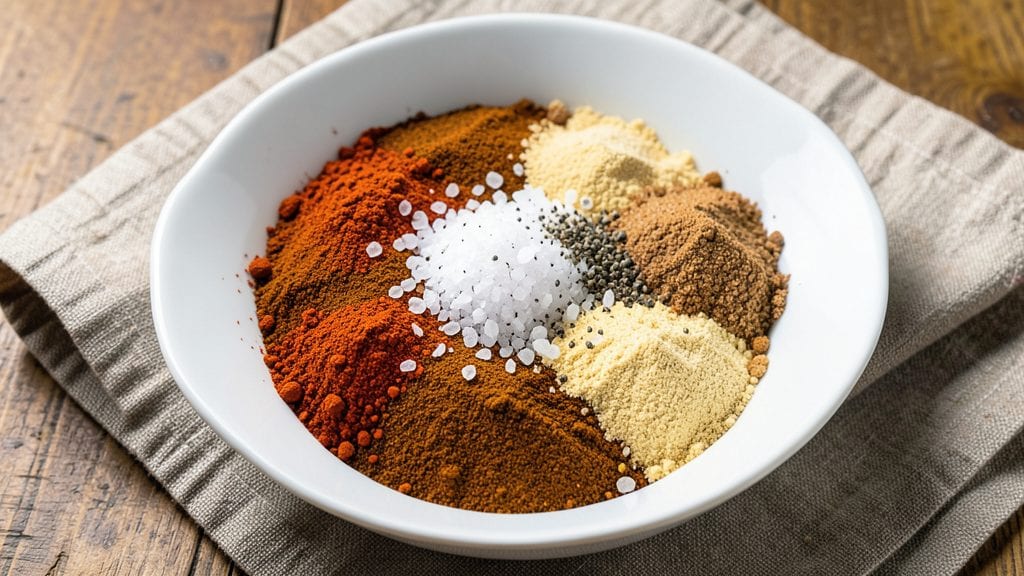
Creating the perfect beef seasoning recipe transforms ordinary grilled or roasted beef into restaurant-quality masterpieces with just a sprinkle. This smoky-spiced dry rub is designed to penetrate meat deeply, creating a flavorful crust while keeping the interior juicy—ideal for steaks, ribs, or even roasted chicken.
The blend of carefully chosen spices delivers bold, complex flavors without overpowering the natural taste of the beef.
What sets this seasoning apart is its versatility and simplicity. With just seven key ingredients—paprika, garlic powder, onion powder, brown sugar, salt, black pepper, and cayenne—you’ll achieve a perfectly balanced rub that’s easy to customize.
The brown sugar adds a subtle caramelization when cooked, while the cayenne introduces just enough heat to keep things interesting. Each tablespoon of this blend delivers a punch of flavor that elevates any dish.
This dry rub works best when applied generously to beef before grilling or roasting, creating a flavorful crust that locks in moisture. Whether you're searing a steak on the grill or slow-roasting a whole beef shoulder, this seasoning ensures every bite is packed with depth and aroma.
The spices blend seamlessly, so you don’t have to worry about individual flavors clashing—just focus on achieving that perfect sear.
For those who prefer a milder or bolder profile, adjustments are simple: reduce the cayenne for a gentler heat or add a pinch of smoked paprika for extra smokiness.
Store the seasoning in an airtight container for up to six months, making it a go-to pantry staple for all your grilling needs. Ready to take your beef dishes to the next level?
Ingredients for beef seasoning
Seven bold spices transform beef into a flavor powerhouse—just mix and sprinkle generously.
| Ingredient | Amount | Notes |
|---|---|---|
| Smoked Paprika 🌶️ | 2 tbsp | High-quality, vibrant color preferred |
| Garlic Powder 🧄 | 1 ½ tbsp | Freshly ground for optimal flavor |
| Onion Powder 🧅 | 1 ½ tbsp | Fine grind for even distribution |
| Light Brown Sugar 🍯 | 1 tbsp | Packed, adds subtle caramelization |
| Diamond Crystal Kosher Salt 🧂 | 1 ½ tsp | Coarse grain for better adherence |
| Freshly Ground Black Pepper 🌶️ | 1 tsp | Cracked peppercorns preferred |
| Cayenne Pepper 🔥 | ½ tsp | Adjust for heat preference |
The smoked paprika is the soul of this blend—Penzeys or McCormick Gourmet brands deliver that authentic smoky depth. Bulk bins at Whole Foods offer fresher spices, but even the grocery store variety works if it's labeled '100% paprika' (no fillers). For the brown sugar, light brown with molasses gives that perfect caramel touch. Skip the powdered sugar—it burns too easily. The garlic and onion powders? Diamond Crystal or Simply Organic are my go-tos for that clean, potent flavor. If you've got whole spices, toast them in a dry pan for 30 seconds first—game-changer for aroma.
No smoked paprika? Substitute half the amount with regular paprika plus a pinch of liquid smoke—it's a solid backup. Running low on cayenne? Red pepper flakes at double the amount adds heat without altering the texture. The brown sugar can be swapped for white sugar plus a splash of molasses if you're in a pinch. For a deeper umami kick, add 1/4 tsp of MSG or a pinch of fish sauce to the mix. Store-bought blends often use too much salt—taste as you go and adjust the kosher salt to your preference. The key is balance: sweet, smoky, spicy, and savory all in one perfect bite.
This blend stays potent for up to 6 months in an airtight container away from light and heat. Glass jars with tight-sealing lids are ideal—plastic can absorb odors. For extra longevity, add a bay leaf inside the jar to repel moisture. Make a double batch—one for your pantry, one to share. The magic happens when you apply it generously to beef 30 minutes before cooking, letting those spices penetrate deeply. Trust me, your steaks and ribs will thank you.
Why You'll Love This Recipe
- Five-Minute Mix: I swear, this is the kind of seasoning I can measure while chatting with my neighbor—no fancy tools, just a bowl and a spoon. The smoked paprika gives it that deep, smoky warmth that cuts through any beef, and the brown sugar keeps it from being too sharp.
- Smoky-Sweet Magic: That first whiff of garlic and onion powder hitting the pan? It’s like a flavor hug. The brown sugar caramelizes just enough to round out the heat, so you get this perfect balance—savory, sweet, and just a little smoky kick that lingers.
- Game for Any Meal: I’ve used this on weeknight burgers, slow-cooked brisket, and even in tacos—it works everywhere. Honestly, the only limit is how creative you get, and I’ve yet to find a beef dish that doesn’t shine with it.
- Budget-Friendly Staple: A single batch stretches across three meals for my family, and the ingredients? Cheap as dirt. No specialty items, no waste—just pure, reliable flavor that makes even the simplest steak feel like a restaurant-worthy bite.
Step-by-step instructions for smoky-spiced dry rub for beef
This vibrant blend transforms ordinary beef into showstopping centerpieces every time.
Measure All Ingredients Precisely
Gather all components in a medium mixing bowl. Use the exact quantities specified: 2 tablespoons smoked paprika, 1.5 tablespoons garlic powder, 1.5 tablespoons onion powder, 1 tablespoon packed light brown sugar, 1.5 teaspoons Diamond Crystal kosher salt, 1 teaspoon freshly ground black pepper, and 0.5 teaspoon cayenne pepper. Precision here ensures balanced flavor in every application.
I like to use a digital scale for the spices to avoid measurement errors. The smoked paprika should be vibrant red—not dull brown—while the garlic and onion powders should be fine enough to dissolve completely when applied. The brown sugar adds subtle caramelization during cooking, so don't skip this step even if you prefer less sweetness.
Combine Dry Ingredients Thoroughly
Using a whisk or fork, blend the ingredients until completely homogeneous. You're looking for a uniform color—no visible streaks of individual spices. This step is critical because uneven distribution means uneven flavor on your beef. Work in a circular motion for 2-3 minutes until the mixture looks like a single spice blend rather than separate components.
Here's the thing—don't rush this process. The garlic and onion powders need time to integrate with the smoked paprika and cayenne. I often tap the bowl gently against the counter to help break up any clumps, especially with the kosher salt which can sometimes form small granules. The finished rub should resemble a fine, cohesive powder with a deep reddish-brown hue.
Test the Seasoning on a Small Batch of Beef
Before committing to your entire cut, apply a thin layer of the rub to a small piece of beef—like a thin steak slice or chicken breast—and toast it in a dry skillet over medium-high heat for 1-2 minutes per side. The aroma should be complex: smoky from the paprika, sweet from the brown sugar, with underlying heat from the cayenne and depth from the garlic and onion powders.
Taste the toasted sample immediately after cooking. You want to detect all components—smokiness, sweetness, saltiness, and a subtle kick from the cayenne. Adjust individual spices if needed: add more smoked paprika for deeper smoke, more brown sugar for extra caramelization, or extra cayenne for heat. Once perfected, you'll have a rub that elevates any beef dish from ordinary to extraordinary.
Pro Tips For Making Beef Seasoning
- Toast the Spices First: Don’t just dump these spices into your dry rub—heat them in a dry pan for 1-2 minutes until fragrant. The smoked paprika and brown sugar will deepen in flavor, and the garlic/onion powders won’t taste like raw powder. I learned this the hard way after tasting a batch that smelled great but tasted flat—this step makes all the difference.
- Balance the Salt: Diamond Crystal kosher salt is way finer than table salt, so use it sparingly—start with 1/2 teaspoon and taste as you go. Too much salt can overpower the sweetness of the brown sugar, and you’ll end up with a seasoning that’s more salt than spice. Trust your taste buds, not the measuring spoon.
- Sift the Dry Rub: This isn’t the prettiest method, but sifting the spices together ensures even distribution and avoids clumps of brown sugar sticking to the meat. I used to just shake the spices into a bowl, and half the time I’d end up with a rub that looked like a science experiment. A quick sift takes 10 seconds and guarantees a smooth, even coat.
- Let It Rest Before Using: Mix your seasoning, then let it sit uncovered for 10 minutes—this lets the flavors meld and the brown sugar absorb the moisture from the other spices. I skip this when I’m impatient, but the difference is noticeable in the final flavor. It’s a tiny step that elevates the whole dish.
Essential equipment for perfect results
Precision Measuring Tools
Start with a digital kitchen scale for accuracy—I use the OXO Good Grips model. It's perfect for spices since 1 teaspoon of cayenne can vary wildly between scoops. For bulk measuring, a stainless steel measuring spoon set (like KitchenAid) prevents rust and ensures clean measurements.
The light brown sugar should be packed firmly into the spoon to avoid air gaps that reduce sweetness. 🌶️
Mixing Equipment
A whisk or fork works best for blending, but I prefer a small silicone spatula to scrape every last bit from the bowl. For larger batches, a food processor or blender (like Ninja Mini) can handle the job in seconds—just pulse until fully combined.
Avoid metal utensils if your spices contain iron-rich ingredients, as they can cause discoloration over time.
Storage Containers
Transfer your finished rub to an amber glass jar with a screw-top lid—I recommend Ball Mason Jars for airtight sealing. The amber glass blocks light, which preserves the vibrant color and potency. Label the jar with the date and contents to track freshness.
For travel, use a small reusable spice tin like EcoTools—it fits in a cooler bag and keeps the rub dry during outdoor cooking sessions.
Application Tools
A fine-mesh strainer helps distribute the rub evenly without clumping, especially on delicate cuts like filet mignon. For ribs or brisket, use your hands to pat the rub into the meat—this creates a thicker, more flavorful crust.
I keep a small bowl of the seasoning near my grill or oven for quick reapplication during cooking.
Optional Extras
Add a mortar and pestle to grind whole spices fresh before mixing—McCormick sells pre-ground spices, but whole spices like peppercorns or garlic cloves release more aroma when crushed.
For a smoky touch, a small handheld smoker (like Traeger Pellet Smoker) can infuse the spices with extra depth if you're feeling ambitious. Store a small bag of rice in the jar to absorb moisture and extend shelf life.
Nutrition facts
Frequently asked questions
Can I use this seasoning blend on other meats besides beef?
This versatile dry rub works beautifully on chicken thighs, pork chops, and even lamb chops. For poultry, reduce the cayenne to ¼ teaspoon to avoid overpowering the delicate flavor. The smoky-sweet balance translates well to seafood like shrimp skewers or salmon fillets, though you may want to halve the brown sugar for a less sweet profile.
How much seasoning should I use per pound of beef?
For steaks and chops, use 1 tablespoon per pound and apply generously. For ribs or brisket, increase to 2 tablespoons per pound—the extra rub creates a thicker, more flavorful bark. Pat it on dry with your hands or use a fine-mesh strainer for even distribution. Pro tip: Reapply halfway through cooking for extra depth.
Can I make this seasoning without smoked paprika?
Yes! Substitute 1 tablespoon regular paprika plus ½ teaspoon liquid smoke for the smoked paprika. Alternatively, add ½ teaspoon chipotle powder for a smoky-chili kick. The blend will still deliver rich flavor, though the color will be slightly less vibrant. For a deeper smokiness, toast 1 teaspoon of coriander seeds in a dry pan and grind them into the mix.
How long should I let the seasoning sit on the beef before cooking?
For best results, apply the rub 30-60 minutes before cooking to allow the spices to penetrate the meat. For thicker cuts like ribeye steaks, let it sit overnight in the fridge for maximum flavor infusion. If you're short on time, apply it right before cooking—just be prepared for a slightly lighter crust.
Why does my homemade seasoning taste bland compared to store-bought?
Freshness is key! Store-bought blends often use pre-ground spices that lose potency quickly. Toast your spices in a dry pan for 30 seconds before mixing to wake up their flavors. Also, ensure your smoked paprika is vibrant red—not dull brown—and use freshly ground black pepper. If your rub tastes flat, add a pinch of MSG or fish sauce for umami depth.