
Sauces & Condiments
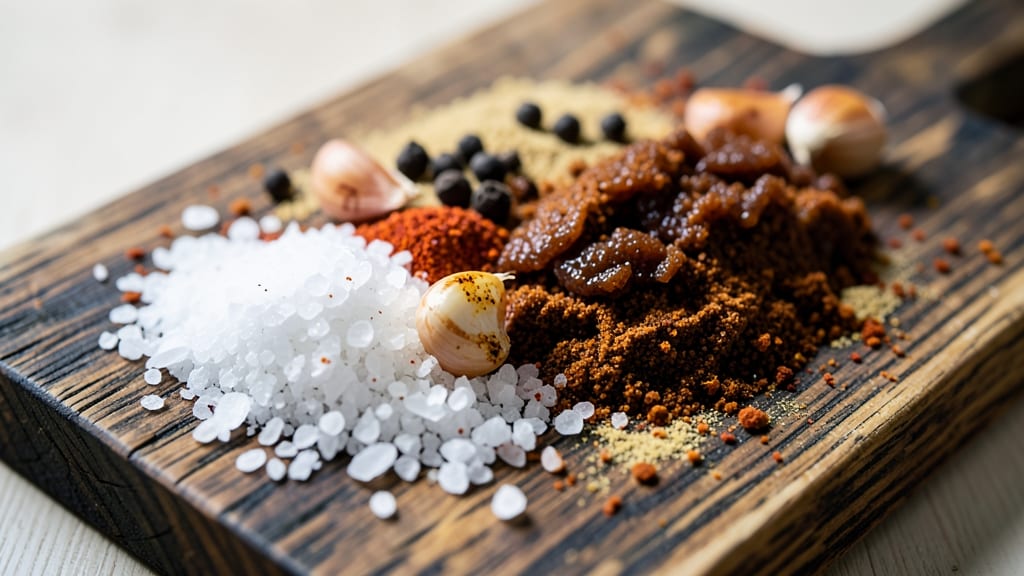
This beef barbecue rub recipe is the foundation of every memorable grill session I've ever mastered—where smoky depth meets bold, spiced perfection. 🔥 As a pitmaster who grew up on slow-cooked ribs, I know the difference between a good rub and one that transforms meat.
The secret lies in balancing sweet, smoky, and heat elements without overpowering the natural beef flavor.
What makes this blend special is its versatility—whether you're smoking brisket, grilling steaks, or searing ribs, this dry rub delivers a crispy bark and intense flavor that penetrates deep.
The combination of brown sugar, smoked paprika, and cayenne creates a perfect harmony of sweetness, smokiness, and just enough heat to linger on your tongue. I developed this mix after years of perfecting my technique, and it's now my go-to for any beef dish.
The ingredients are simple but powerful: coarse kosher salt, dark brown sugar, smoked paprika, garlic powder, onion powder, black pepper, cayenne pepper, and a touch of mustard powder for depth. Each component plays a role—salt enhances flavor, sugar caramelizes for that coveted bark, and the spices create layers of complexity.
Store it in an airtight container for up to six months, ready to elevate any beef you grill.
This rub isn't just about seasoning—it's about building flavor from the ground up. The blend is designed to cling to meat, creating a crust that's both aromatic and visually stunning. Once you try it, you'll never go back to store-bought blends again. Let's get started on crafting your perfect mix.
Ingredients for beef barbecue rub
Nine simple spices transform any beef into smoky, crispy perfection on the grill.
| Ingredient | Amount | Notes |
|---|---|---|
| Coarse Kosher Salt 🧂 | ½ cup | Diamond Crystal preferred |
| Dark Brown Sugar 🍚 | ½ cup | Packed firmly for accuracy |
| Smoked Paprika 🌶️ | ¼ cup | High-quality for smokiness |
| Garlic Powder 🧄 | 2 tbsp | Freshly ground preferred |
| Onion Powder 🧅 | 2 tbsp | Non-GMO for best flavor |
| Ground Black Pepper 🌶️ | 1 tbsp | Freshly cracked for potency |
| Cayenne Pepper 🔥 | 1 tbsp | Adjust for heat preference |
| Mustard Powder 🌿 | 1 tsp | Yellow mustard powder |
The salt and sugar are non-negotiable here—Diamond Crystal kosher salt dissolves better than table salt, and dark brown sugar packs more caramelizing punch than white. Penzeys or local spice shops carry the best smoked paprika—look for deep red color, not grayish dust. Mustard powder might sound odd, but it adds a subtle tang that rounds out the sweetness. I always buy spices in small jars (about 2 ounces each) so they stay fresh longer—no need for bulk bins unless you're making this weekly.
No smoked paprika? Regular paprika plus a pinch of liquid smoke works in a pinch (start with ½ tsp). Cayenne too spicy? Swap for red pepper flakes at half the amount. Garlic powder weak? Toast whole garlic cloves first before grinding—game changer. Mustard powder unavailable? Dijon mustard powder substitute works 1:1. For a deeper smoky flavor, add ½ tsp of chipotle powder—trust me, it elevates everything.
Store this rub in an airtight container with a tight seal—glass jars work best. Keeps for 6 months in a cool, dark place. I make double batches because it disappears fast. Pro tip: Label with date—once opened, spices lose potency within 3 months even if sealed. Perfect for brisket, ribs, or even grilled steaks—just don't skimp on the meat prep. Pat it dry first for that perfect bark.
Why You'll Love This Recipe
- Pantry Magic: I swear by this rub—no fancy shopping required. Just pull those five ingredients from your cupboard, mix them in a bowl, and you’re ready to transform a simple beef brisket into something ridiculously good. (Yes, even when you’ve forgotten to thaw the meat.)
- Smoky Sweet Crunch: That first bite? The coarse salt cuts through the caramelized brown sugar while the smoked paprika adds this deep, woodsy warmth. My husband always licks his fingers after—not because it’s messy, but because it’s that good.
- Tailgate to Tuesday: Slap it on ribs for game day, toss it on steaks for a weeknight dinner, or even sprinkle it over roasted potatoes. I’ve used this rub so many times, I’ve lost count—it’s my secret weapon for making everything feel like a celebration.
- Budget Booster: A single batch costs pennies and lasts forever. I make a big jar at the start of summer, and by Labor Day, it’s still going strong. Plus, less waste means more money for actual beer (or chips) at the cookout.
Step-by-step instructions for beef barbecue rub
Here's how to mix this smoky-sweet blend that'll transform your grilled beef.
👨🍳 Step 1: Measure All Ingredients Precisely
Start by gathering all your ingredients in individual bowls for easy mixing. I like to use a medium-sized mixing bowl that's wide enough to accommodate everything comfortably. For the 0.5 cup coarse kosher salt, I recommend using Diamond Crystal if you have it—it's coarser than table salt and dissolves better in this application.
Measure out the 0.5 cup dark brown sugar using a standard measuring cup, but pack it firmly for accuracy. The sugar should be level with the rim when pressed down. The 0.25 cup smoked paprika should be measured using a dry measuring cup and leveled off with a straight edge. This step ensures your rub has consistent flavor in every batch.
👨🍳 Step 2: Combine Dry Ingredients Thoroughly
In your mixing bowl, start by adding the 0.5 cup coarse kosher salt and 0.5 cup dark brown sugar. Give these a quick stir with a whisk to break up any clumps. Next, add the 0.25 cup smoked paprika, 2 tablespoons garlic powder, and 2 tablespoons onion powder all at once.
Use your whisk to combine everything thoroughly. I find that using a fork first to break up any large clumps, then switching to a whisk for 30-45 seconds, ensures even distribution. You'll see the mixture start to take on a rich, reddish-brown color from the smoked paprika and cayenne. This is where the magic begins—all those spices are about to marry together into something incredible.
👨🍳 Step 3: Add Remaining Seasonings
Now it's time for the finishing touches. Add the 1 tablespoon ground black pepper, 1 tablespoon cayenne pepper, and 1 teaspoon mustard powder to the bowl. The cayenne might make you pause—it's potent stuff—but trust me, it adds depth and a subtle heat that complements the smokiness perfectly.
Give everything another good stir with your whisk. You're looking for a uniform color and texture throughout. If you notice any dry spots or uneven distribution, use a silicone spatula to gently fold and mix until completely homogeneous. The mustard powder might seem like an odd addition, but it adds a subtle tang that rounds out the sweetness and saltiness beautifully.
🥘 Step 4: Store Your Homemade Rub
Transfer your freshly mixed rub to an airtight container. I prefer glass jars with tight-sealing lids, but any container that keeps out moisture and air will work. Give it one final shake to ensure everything is well combined before sealing.
This rub will keep for up to 3 months in a cool, dark place, or 6 months in the refrigerator. The flavors actually deepen over time, so don't be afraid to make a big batch. Label your container with the date and contents—trust me, you'll want to use this on everything from ribs to steaks to even roasted vegetables!
Pro Tips For Making Beef Barbecue Rub
- TOAST THE SPICES: I used to just toss smoked paprika and garlic powder into the mix, but toasting them first—dry in a skillet over medium heat for 30 seconds—deepens their flavor. The sugar caramelizes slightly, giving the rub a richer, almost toasty edge that blends better with the beef’s natural juices.
- GRIND YOUR OWN SUGAR: Store-bought brown sugar gets hard and clumpy, and that’s when your rub turns into a paste instead of a dry, clingy coating. Pulse dark brown sugar in a food processor for 10 seconds—just until it breaks down but still holds its texture. This keeps the rub free-flowing and ensures even distribution.
- SALT THE BEEF FIRST: Adding all your kosher salt at once to the rub means the beef might taste too salty if you’re not careful. Instead, lightly salt the beef 30 minutes before applying the rub—this lets the seasoning penetrate while still giving the crust something to latch onto. Trust me, your meat won’t be soggy or bland.
- USE A MORTAR FOR SMOKE: Smoked paprika is the soul of this rub, but cheap brands taste like dust. If you’re serious about flavor, buy a small bag of high-quality smoked paprika (like Spanish pimentón) and grind it fresh in a mortar with a pinch of salt. It’s extra work, but the aroma alone makes the rub taste like it was made in a smokehouse.
Storing and reheating this dish
Refrigerator Storage
Your freshly mixed rub will last 6 months in the fridge if stored in an airtight glass jar. I always use a 16-ounce mason jar with a tight lid—it keeps moisture out and preserves the spices' potency.
The cool, dark environment slows oxidation, so your rub stays vibrant longer. I label mine with the date and contents because, honestly, I make this so often I lose track! 💫
Freezer Preservation
For maximum freshness, freeze your rub in 1-tablespoon portions using ice cube trays. Once frozen, transfer the cubes to a ziplock freezer bag and flatten to save space. This method works perfectly for single-use applications like steaks or quick grilling sessions.
The rub maintains its flavor for up to 1 year this way—no freezer burn in sight!
Reheating Rubbed Meat
If you've prepped meat with this rub but need to reheat it later, I recommend using a cast-iron skillet on medium-high heat. Add 1 tablespoon apple cider vinegar to the pan first—it helps restore moisture and prevents drying.
Cook for 3-4 minutes per side until the crust reactivates. The vinegar also cuts through any excess saltiness from storage. 🔥
Reviving Dried Rub
Over time, your rub might lose some punch. To revive it, mix in ½ teaspoon of fresh ground black pepper and ¼ teaspoon smoked paprika per ¼ cup of dried rub. Store in a warm, dry place for 10 minutes to let the spices reawaken.
This trick works like magic—I've used rub that was nearly a year old and brought it back to life!
Storage Containers
Never store your rub in plastic containers—spices absorb odors and degrade faster. I swear by Ball mason jars with their wide mouths for easy scooping. For portability, use amber-colored glass jars to block light, which helps preserve color and potency.
Keep them away from heat sources like ovens or stovetops—they'll degrade faster in warm environments. 💡
Flavor Evolution
The first week after mixing, your rub's flavors are bright and fresh. After 3 months, the spices meld into a deeper, more complex profile—think of it like a fine wine. The sugar caramelizes slightly, adding subtle sweetness.
I actually prefer my rub after 2-3 months of aging—it's when the magic really happens! Just don't wait longer than 6 months or you'll risk losing potency.
Nutrition facts
Frequently asked questions
Can I use this rub on other meats besides beef?
While designed for beef, this rub works beautifully on pork ribs, chicken thighs, and even lamb chops. The sweet-spicy balance complements rich, fatty meats best, but it's versatile enough for turkey or duck. Just reduce the cayenne by half if using poultry to avoid overpowering the delicate flavors.
How much rub should I use per pound of meat?
For a crispy bark, use about 1-2 tablespoons per pound of meat. Pat the meat dry first, then apply the rub generously. For thicker cuts like brisket, use 1.5 tablespoons per pound and let it sit for 30 minutes before cooking. The sugar in the rub needs time to draw out moisture for that perfect crust.
Can I make this rub without smoked paprika?
Yes! Mix ¼ cup regular paprika with ½ teaspoon liquid smoke for a similar effect. For extra depth, add ½ teaspoon chipotle powder instead. The mustard powder and cayenne will still provide heat and complexity, but you'll lose some of the authentic smokiness that makes this rub special.
Why does my rub turn clumpy?
Clumping happens when moisture gets into your spices. Store your rub in an airtight container and keep it in a cool, dry place. If clumps form, break them up with a fork or whisk before using. For extra protection, add 1 teaspoon of cornstarch to the mix—it absorbs moisture and prevents clumping.
How do I adjust the heat level?
Reduce cayenne by ½ teaspoon for mild heat, or increase by ½ teaspoon for extra spice. For a smoky kick without heat, swap cayenne for red pepper flakes at the same amount. The mustard powder adds tang without heat, so keep that portion constant for balance.