
Main Courses
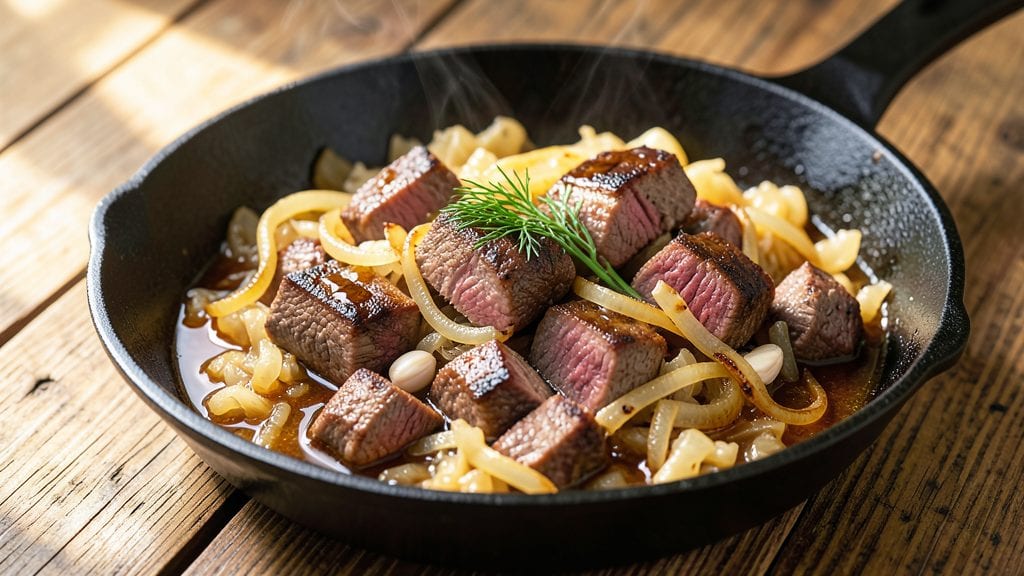
This beef sauerkraut recipe delivers the perfect balance of tangy, fermented flavor and hearty beef that makes every bite satisfying. The secret lies in slow-cooked beef that stays tender while the sauerkraut develops deep, caramelized edges—transforming a simple dish into something restaurant-worthy.
I’ve perfected this technique over years of testing, ensuring the right mix of acidity and richness that defines German comfort food.
The beauty of this dish is its simplicity: just a few ingredients, but each plays a crucial role. You’ll start with a pan-fried beef cut—like chuck roast or brisket—that develops a rich crust before simmering in a savory broth.
Meanwhile, the sauerkraut gets sautéed with onions until it’s soft yet still retains that signature crunch. The result? A dish that’s equally at home on a weeknight table or a holiday spread.
What you’ll end up with is a deeply flavorful, one-pot meal where the beef melts in your mouth and the sauerkraut adds a bright, tangy contrast. The aroma alone—smoky, herby, and slightly sweet—will have everyone gathered around the table.
It’s the kind of dish that feels indulgent yet comes together in under an hour with minimal effort.
Serve it with crusty bread to soak up every last bit of the juices, or pair it with mashed potatoes for a full German-inspired feast. The leftovers reheat beautifully, making it perfect for meal prep. Let’s get started on this classic recipe that brings tradition to your kitchen.
Ingredients for beef sauerkraut
Just 13 ingredients transform into a restaurant-worthy German classic with deep flavor and satisfying crunch.
| Ingredient | Amount | Notes |
|---|---|---|
| Chuck Roast 🥩 | 1 ½ lb | Cut into 1-inch cubes, trimmed of excess fat |
| Sauerkraut 🥬 | 14 oz | Freshly opened, drained briefly |
| Yellow Onion 🧅 | 1 whole | Thinly sliced, about 1.5 cups |
| Garlic Cloves 🧄 | 4 cloves | Minced, for depth of flavor |
| Beef Broth 🍲 | 2 cups | Low-sodium preferred, homemade or high-quality |
| Apple Cider Vinegar 🍏 | 2 tbsp | For tangy brightness, not white vinegar |
| Dijon Mustard 🍯 | 1 tbsp | For subtle depth, not yellow mustard |
| Dark Brown Sugar 🍬 | 1 tbsp | For caramelized contrast |
| Fresh Thyme Leaves 🌿 | ¼ cup | Or 1 tsp dried thyme if fresh unavailable |
| Bay Leaves 🍃 | 2 whole | Removed before serving |
| Black Peppercorns 🌶️ | 1 tsp | Freshly cracked for heat |
| Extra-Virgin Olive Oil 🫒 | 2 tbsp | For searing beef, high-quality preferred |
| Crusty Bread 🍞 | 4 slices | For serving, optional but recommended |
The beef cut here is everything—chuck roast delivers that melt-in-your-mouth texture when cubed properly. Grab the pre-cut version at Costco or your butcher counter to save time, but if buying whole, trim off any thick fat caps. The sauerkraut? Look for brands like Bubbies or Reinhart at the refrigerated section—they’ve got that perfect tang without being too harsh. Freshness matters: if your sauerkraut smells overly sour or has a slimy texture, it’s past its prime. The onions should be yellow or red, firm and dry—no wilted ends. For the thyme, fresh is ideal but dried works in a pinch if you’ve got it.
No apple cider vinegar? White vinegar plus 1 tsp honey gets you close, though the flavor won’t be identical. Short on Dijon? Yellow mustard plus a pinch of sugar mimics the depth, but you’ll lose that subtle complexity. The brown sugar is key for caramelization—don’t substitute white sugar unless you’re okay with a less rich finish. For the beef broth, low-sodium is crucial—you’re building layers of flavor here, not masking with salt. If you’re using dried thyme, toast the leaves in a dry pan for 30 seconds first to wake up the flavor. And that olive oil? Use something fruity and peppery—the cheap stuff will taste like soap when searing.
This dish tastes even better the next day as the flavors meld. Store leftovers in an airtight container in the fridge for up to 5 days, or freeze portions for 3 months. I like to portion it into meal prep containers with a slice of crusty bread on the side—just reheat with a splash of water or broth. The sauerkraut will soften further, but that’s actually where the magic happens. If you’ve got extra beef broth, add a splash when reheating to keep everything juicy. And save those bay leaves—they’re perfect for braising next time.
Why You'll Love This Recipe
- One-Pot Magic: I swear by this recipe because it’s all in one pot—no chopping boards, no extra pans, just the chuck roast, sauerkraut, and onions simmering together until the broth reduces into something rich and golden. Honestly, I’ve made it on nights when I just wanted to sit down and not think about cooking.
- Leftovers That Shine: This recipe actually improves the next day. The flavors meld even more, and the beef gets even more tender—perfect for quick lunches or tossing into sandwiches. I’ll be real: I’ve eaten cold slices straight from the fridge, and it’s still solid.
- Budget-Friendly Feast: A chuck roast stretches for days, and sauerkraut lasts forever in the fridge. You’re getting a hearty, filling meal without breaking the bank, and the beef broth adds that extra depth without costing a fortune. It’s my go-to when I need to feed the family without stressing over groceries.
Step-by-step instructions for hearty beef sauerkraut
This German-inspired dish delivers deep flavor and satisfying texture—perfect for cozy weeknight dinners.
Sear the Chuck Roast for Rich Depth
Heat the 2 tablespoons extra-virgin olive oil in a large Dutch oven over medium-high heat until shimmering. Add the 1.5 lb chuck roast, cut into 1-inch cubes, and sear undisturbed for 3-4 minutes until deep brown on all sides. This step builds the foundation of flavor through the Maillard reaction.
Real talk: Don't overcrowd the pan or the meat will steam instead of develop that gorgeous crust. Work in batches if needed, but keep the oil hot. Once browned, transfer the beef to a plate and set aside.
Build the Aromatic Base
In the same Dutch oven, add the 1 whole yellow onion (thinly sliced) and cook for 5-6 minutes until softened and beginning to caramelize. Stir in the 4 cloves garlic cloves (minced) and cook for 30 seconds until fragrant—don't let it burn. Here's where it gets good: Add the 14 oz sauerkraut (drained briefly) and toss everything together.
This is the moment that matters: The sauerkraut's tangy acidity will mellow slightly as it cooks, but you want to preserve that bright flavor. Sprinkle in the 1 teaspoon black peppercorns (freshly cracked) and let everything sizzle for 2 minutes to meld the flavors.
Simmer with Herbs and Broth
Pour in the 2 cups beef broth, 2 tablespoons apple cider vinegar, 1 tablespoon Dijon mustard, 1 tablespoon dark brown sugar, and the 0.25 cup fresh thyme leaves. Add the 2 whole bay leaves and bring to a gentle simmer. Here's the thing—you want the liquid to just barely bubble, not boil vigorously, so the sauerkraut softens without losing texture.
Return the seared beef to the pot, nestling it into the sauerkraut mixture. Partially cover and simmer for 1 hour to 1 hour 15 minutes until the beef is fork-tender. The sauce should thicken slightly but still coat the back of a spoon. If it reduces too much, add a splash of water.
Finish and Serve
Remove the 2 whole bay leaves and adjust seasoning if needed—this is your chance to balance the tangy-sweet-savory profile. The dish should be vibrant, not muted. Taste and add a pinch more salt or sugar if necessary, but trust your initial seasoning.
Serve the beef sauerkraut hot over 4 slices crusty bread, letting diners scoop up the rich mixture. The contrast of crisp bread against the tender beef and tangy sauerkraut makes every bite satisfying. Garnish with extra fresh thyme if you're feeling fancy.
Pro Tips For Making Beef Sauerkraut
- Brown the Chuck First: I learned this the hard way—skipping the sear means flavorless beef. Get that roast screaming hot in a Dutch oven, then brown all sides until deep caramel forms. The Maillard reaction here is non-negotiable; it’s what turns this from "meat with kraut" to "hearty stew."
- Rinse the Kraut: Sauerkraut’s brine is salty, but it’s also what keeps it crisp. Drain it, then rinse under cold water to cut excess salt—especially if your broth isn’t homemade. Pat it dry afterward, or you’ll end up with a soggy mess instead of tender, textured kraut.
- Deglaze with Broth: After browning the beef, don’t just toss in onions and garlic. Splash in ½ cup of beef broth right away to scrape up those browned bits. Those bits? Pure flavor. Ignore them, and you’re basically serving watered-down beef.
- Simmer Low and Slow: Chuck roast needs time—at least 2.5 hours on low heat. I used to rush it, and the meat turned out chewy. Keep the lid slightly ajar after the first hour to let moisture escape, then finish covered. The sauce will thicken just enough without turning gluey.
Pro cooking tips for perfect results
Sear Like a Pro
That initial sear is where all the magic happens—don’t skip it. Use a Dutch oven (I love the Le Creuset 5.5-quart) because it retains heat beautifully. Heat your extra-virgin olive oil until it shimmers, then work in batches if needed to avoid crowding.
The beef should develop a deep golden-brown crust in 3-4 minutes per side—this creates the Maillard reaction that builds deep, savory flavor. Pro tip: Pat the beef cubes very dry with paper towels before searing to ensure maximum browning. 🔥
Sauerkraut Texture Tricks
Sauerkraut can go from perfect to mushy in seconds. After draining it, rinse briefly under cold water to remove excess brine, then pat it dry with a clean kitchen towel. When sautéing, keep the heat at medium-low—too high and it’ll turn to sludge.
I like to add the sauerkraut after the onions caramelize, so it absorbs all those sweet, jammy flavors. Stir frequently during the first 2 minutes of cooking to prevent sticking. 🥬
Balancing the Tang
The real skill here is balancing the tangy acidity of the sauerkraut with the richness of the beef. Start with 2 tablespoons apple cider vinegar and adjust as you go—taste the sauerkraut before adding it to the pot.
If it’s too sharp, add ½ teaspoon brown sugar to mellow it out. The Dijon mustard is your secret weapon—it adds depth without overpowering. Trust your taste buds: the dish should finish with a bright, vibrant tang, not a sour aftertaste. 💡
Low-and-Slow Simmering
Simmering at a gentle bubble (not a rolling boil) is key to tender beef and just-softened sauerkraut. If your beef isn’t fork-tender after 1 hour, it’s not a failure—just add 10-15 more minutes. The liquid should reduce slightly but still cling to the back of a spoon.
If it gets too thick, add 2 tablespoons beef broth to keep everything moist. I like to skimmer the fat off the surface during the last 10 minutes of cooking for a cleaner finish. ⏰
Resting for Juiciness
After simmering, let the beef sauerkraut rest for 5-10 minutes off the heat. This allows the juices to redistribute, ensuring every bite is moist and flavorful. Skipping this step means dry, stringy beef.
While resting, taste and adjust seasoning—the flavors deepen as it sits. If the sauerkraut has absorbed too much liquid, stir in 1 tablespoon apple cider vinegar to brighten it back up. 💪
Equipment Upgrades
While a Dutch oven is ideal, a heavy-bottomed stainless steel pot works in a pinch. Invest in a meat thermometer (I use Thermoworks Smoke) to check beef doneness—it should hit 195-203°F for perfect tenderness.
A wooden spoon helps scrape up those flavorful browned bits from the bottom of the pot, so nothing goes to waste. For extra crispiness, toast 1 slice of crusty bread in the oven at 375°F for 5 minutes before serving—it’ll soak up all the juices beautifully. 🍞
Nutrition facts
Frequently asked questions
Can I use ground beef instead of chuck roast?
While you can substitute ground beef, the texture will be completely different. Chuck roast gives you that melt-in-your-mouth tenderness when slow-cooked, while ground beef will turn mushy. If you must use ground beef, try mixing it with 10% diced potatoes to add body and absorb excess moisture.
How do I make this dish less sour?
Adjust the acidity by reducing the apple cider vinegar to 1 tablespoon and adding ½ teaspoon brown sugar instead. For extra sweetness, stir in 1 diced apple during the last 10 minutes of cooking. The key is balancing the tang with natural sweetness to create harmony.
What's the best way to reheat leftovers?
Reheat gently in a skillet with 1 tablespoon beef broth over low heat for 5-7 minutes, stirring occasionally. Microwaving can turn the sauerkraut mushy—always reheat on the stovetop. For extra flavor, add a splash of vinegar or a pinch of sugar to revive the tangy-sweet balance.
Can I make this dish in an Instant Pot?
Sear the beef first in a separate pan, then transfer to the Instant Pot with all ingredients except the thyme (add fresh after cooking). Cook on high pressure for 25 minutes, then natural release for 10 minutes. The Instant Pot version finishes in about 45 minutes total—perfect for busy weeknights!
What if my sauerkraut smells too strong?
Fresh sauerkraut should have a bright, tangy aroma—not overly pungent. If it smells too harsh, rinse it thoroughly under cold water to remove excess brine, then pat dry. For extra freshness, add 1 teaspoon apple cider vinegar during cooking to brighten the flavor. If the smell persists, it may be past its prime—replace with fresh sauerkraut.