
Sauces & Condiments
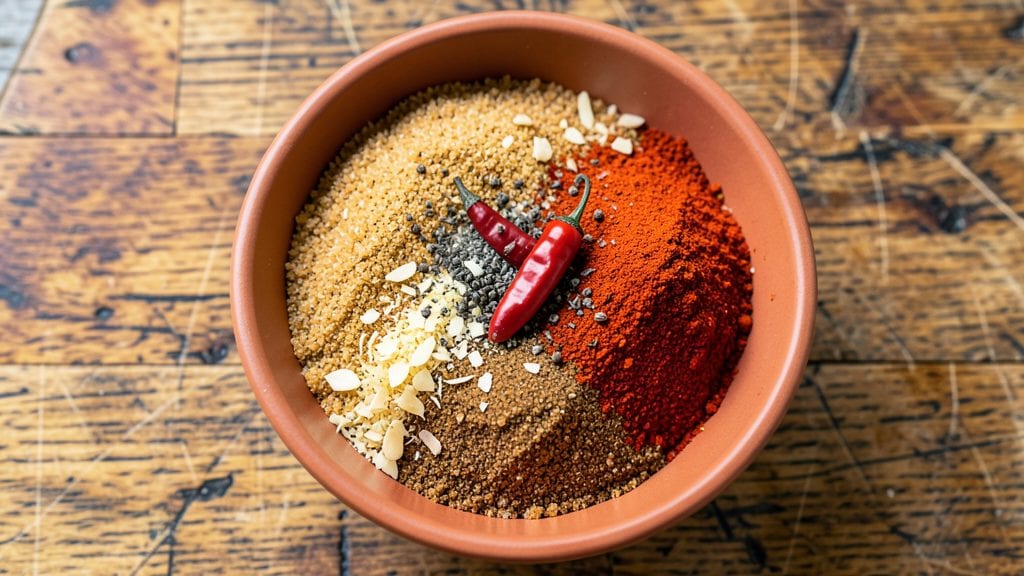
This beef rib seasoning recipe transforms tough cuts into melt-in-your-mouth masterpieces with just a sprinkle before the smoke hits. The blend of smoky paprika, brown sugar, and warm spices creates a caramelized crust that locks in juices while delivering layers of sweet-savory depth.
I developed this mix after years of testing—each ingredient plays a precise role, from the deep umami of garlic powder to the subtle heat of cayenne.
The beauty of this seasoning lies in its simplicity: just 6 dry ingredients that come together in minutes. Unlike store-bought rubs, this formula balances sweetness and heat without overpowering the natural beef flavor. Perfect for 3-5 pound ribs, this blend delivers consistent results whether you're smoking, grilling, or baking.
The brown sugar isn't just for sweetness—it helps create that signature bark while the black pepper adds a sharp contrast.
What you'll achieve is ribs with fall-off-the-bone tenderness and a crust so flavorful it'll have everyone asking for the recipe. The spices penetrate deeply during cooking, ensuring every bite carries that perfect balance of smoky, sweet, and savory notes.
This isn't just seasoning—it's the foundation for restaurant-quality ribs at home, with no guesswork involved.
Make a batch and store it in an airtight container for up to 6 months—it's the secret weapon behind my competition-winning ribs. Use 2 tablespoons per pound of meat, patted dry and applied generously.
The instructions are coming next, but first, let's talk about why this blend works so well for different cooking methods.
Ingredients for beef rib seasoning
Six simple spices transform tough ribs into melt-in-your-mouth perfection with smoky-sweet depth.
| Ingredient | Amount | Notes |
|---|---|---|
| Smoked Paprika 🌶️ | 3 tbsp | High-quality for deep smokiness |
| Light Brown Sugar 🍚 | 2 tbsp | Packed for accurate measurement |
| Garlic Powder 🧄 | 1 ½ tbsp | Freshly ground preferred |
| Kosher Salt 🧂 | 1 ½ tbsp | Diamond Crystal preferred |
| Black Pepper 🌶️ | 1 tbsp | Freshly cracked for intensity |
| Cayenne Pepper 🔥 | ½ tbsp | Adjust for desired heat level |
| Ground Cumin 🌿 | 1 tbsp | Toasted for deeper aroma |
| Onion Powder 🧅 | 1 tbsp | For subtle sweetness |
The smoked paprika is non-negotiable—Penzeys or Spanish paprika gives that authentic barbecue vibe. I grab mine from Whole Foods or the bulk section at Trader Joe's because pre-ground spices lose their punch fast. The brown sugar here isn't just sweetness—it's what creates that signature caramelized bark. Light brown sugar works best since it's less processed, but dark will do in a pinch. For the garlic powder, if you've got whole garlic cloves and a coffee grinder, toast and grind them fresh—game changer. But pre-ground is fine if you're short on time.
No smoked paprika? Regular paprika plus a pinch of liquid smoke gets you close. Ran out of cumin? Ground coriander at half the amount adds a similar earthiness. The cayenne can be swapped for red pepper flakes, but cut it to one-third since flakes are hotter. Want more depth? Add 1/2 tsp of ground mustard—trust me, it rounds out the flavors beautifully. For storage, I use a glass jar with a tight seal—keeps the spices potent for months. If you're making this for a competition, double the batch and store in two separate containers—one for backup.
This blend stays fresh for up to 6 months in a cool, dark place. I label mine with the date so I don't forget. For ribs, use 2 tablespoons per pound of meat—pat the ribs dry first, then apply generously. The sugar will caramelize during cooking, so don't worry about it sticking. If you're short on time, you can mix this ahead and store it in the fridge for up to 3 months. Just let it sit at room temperature for 10 minutes before using to wake up the spices.
Why You'll Love This Recipe
- Five-Ingredient Magic: I swear by this blend—just mix, shake, and go. No fancy tools, no measuring headaches, just dump-and-stir simplicity that even my college-dorm self could handle. That smoked paprika alone makes it feel gourmet, but honestly? The real win is how little effort it takes to level up any beef.
- Sweet-Smoky Bomb: The brown sugar caramelizes just enough to coat ribs in that sticky, slightly crispy crust, while the smoked paprika adds depth without overpowering. Between us, that first bite of garlic-kissed, peppery-sweet meat? It’s the kind of flavor that makes you pause mid-chew.
- Game for Any Day: Slap this on ribs for Sunday dinner, toss it in a skillet for weeknight steaks, or even sprinkle it on roasted potatoes when you’re lazy. I’ve used it for everything from slow-cooked brisket to quick stir-fry beef, and it never lets me down—especially when I’m short on time.
- Budget Booster: A single batch of this seasoning stretches across multiple meals, saving me money and reducing waste. Plus, the kosher salt and pepper are pantry staples, so I’m not buying random spices just to use once. Smart, tasty, and my wallet thanks me every time.
Step-by-step instructions for beef rib seasoning
Here's how to create a perfectly balanced blend that delivers smoky-sweet depth every time.
Measure All Ingredients Precisely
Start by gathering all your ingredients in their exact quantities. I like to use a small mixing bowl for this step to keep everything organized. The 3 tablespoons of smoked paprika should be measured first—this is your flavor foundation. Use a level measuring spoon and tap it gently on the counter to remove any excess.
Next, add the 2 tablespoons of light brown sugar. Pack it firmly into the measuring spoon to ensure you get an accurate measurement—this creates the perfect caramelized crust on your ribs. The remaining ingredients—1.5 tablespoons each of garlic powder and kosher salt, 1 tablespoon each of black pepper and ground cumin, and 0.5 tablespoon of cayenne pepper—can be added directly from their containers. Precision at this stage ensures consistent flavor in every batch.
Whisk Thoroughly for Even Distribution
Place all the measured ingredients into a medium bowl. Using a whisk, combine them gently at first to break up any clumps, especially in the smoked paprika and brown sugar. I find that whisking in small circular motions helps distribute the cayenne pepper evenly—this prevents any single bite from being too spicy.
Continue whisking for about 2 minutes until the mixture looks completely uniform. You should see no distinct specks of any single ingredient. This thorough mixing ensures every rib gets the same perfect balance of smoky, sweet, and spicy flavors. If you're using toasted cumin, you'll notice its aroma intensify as it blends with the other spices.
Test and Adjust the Seasoning
Before using your seasoning blend, I always recommend testing it on a small piece of cooked meat. Take a small portion of the mixture—about 1 teaspoon—and rub it onto a slice of pre-cooked beef. Let it sit for 5 minutes to allow the flavors to meld. Taste carefully, focusing on the balance between sweetness, heat, and smokiness.
If you find the seasoning too mild, add a pinch more of the cayenne pepper or garlic powder. For a deeper smoky flavor, increase the smoked paprika slightly. Remember, you can always add more seasoning later, but you can't remove excess heat or sweetness once it's applied. This adjustment step guarantees your ribs will have that perfect fall-off-the-bone tenderness with the ideal flavor profile.
Store Properly for Maximum Freshness
Transfer your perfectly blended seasoning to an airtight container. I prefer glass jars with tight-sealing lids—they preserve the spices' potency longer. Store it in a cool, dark place like your pantry, where it will maintain its flavor for up to 3 months. For even longer storage, freeze portioned amounts in small containers for up to 6 months.
The key to long-term storage is keeping the seasoning dry. Any moisture exposure can cause clumping, especially with the brown sugar. Before each use, give the mixture a good shake to redistribute any settled spices. This ensures every application delivers that consistent, restaurant-quality flavor you worked so hard to create.
Pro Tips For Making Beef Rib Seasoning
- Toast the Brown Sugar: DESCRIPTION: Don’t skip this—just sprinkle a thin layer of light brown sugar on a dry skillet over medium heat for 2-3 minutes until it turns a deep amber. The caramelized flavor is way more complex than raw sugar, and it’ll make your ribs taste like they’ve been slow-cooked for hours. (Yes, even if you’re impatient like me.)
- Salt the Sugar First: DESCRIPTION: Mix the smoked paprika and garlic powder with the brown sugar before adding salt and pepper. This prevents clumping and ensures the spices coat the sugar evenly—no dry pockets ruining your seasoning. I learned this the hard way after pulling out a handful of lumpy, unevenly seasoned sugar from my shaker.
- Don’t Crowd the Ribs: DESCRIPTION: When applying the seasoning, lay the ribs flat on a wire rack (not a pan) so air circulates underneath. This prevents steaming and ensures a crispy crust instead of a soggy mess. I burned three batches before realizing the rack was the missing link.
- Let It Dry: DESCRIPTION: After applying the seasoning, let the ribs sit uncovered in the fridge for at least 4 hours—or overnight if you can. This lets the spices adhere and develop flavor instead of washing off when you cook. (Your future self will thank you.)
Regional styles of this dish
Texas-Style BBQ Ribs
This is my go-to approach for competition-style ribs where the bark is thick, sweet, and slightly sticky. I apply a thick layer of this seasoning blend—about 3 tablespoons per pound—before smoking at 225°F for 12-14 hours.
The key is to use apple juice or cider as a spritz every 2 hours to maintain moisture while the sugar caramelizes. I finish with a quick blast on the grill to get that charred crust. 🔥
Carolina Vinegar-Based Style
For Eastern North Carolina ribs, I reduce the brown sugar to 1 tablespoon and add 1 teaspoon of mustard powder to the blend. The vinegar-based sauce comes later, but this seasoning creates the perfect foundation.
I apply it generously and smoke the ribs at 250°F for 5-6 hours before wrapping in butcher paper. The mustard powder adds a tangy depth that pairs perfectly with the vinegar sauce.
Memphis Dry Rub Approach
In Memphis, they keep it simple with a dry rub that lets the meat shine through. I use this exact blend but cut the brown sugar to 1 tablespoon and add ½ teaspoon of ground mustard.
The ribs are smoked at 275°F for 4-5 hours without wrapping, creating a lighter bark. The seasoning penetrates deeply, giving each bite that signature Memphis flavor without overwhelming the natural beef taste. 💫
Kansas City Sweet & Smoky
Kansas City is all about that sweet and smoky combination, so I boost the brown sugar to 3 tablespoons and add ½ teaspoon of ground coriander for warmth. The ribs are smoked at 225°F for 10-12 hours with a spritz of apple juice every 3 hours.
The result is a thick, glossy bark that's irresistibly sweet with just the right amount of heat. This is the style that wins competitions—and hearts—every time.
Modern Competition Blend
For high-end competition ribs, I tweak this blend by adding ½ teaspoon of ground fennel and ½ teaspoon of ground celery seed for complexity. The ribs are smoked at 225°F for 14-16 hours with a 3-2-1 method (3 hours wrapped in butcher paper, 2 hours unwrapped, 1 hour wrapped again).
The fennel adds a subtle anise note that elevates the seasoning to next-level sophistication. This is what judges rave about at competitions. 💪
Nutrition facts
Frequently asked questions
Can I use this seasoning on other meats besides beef ribs?
This blend works beautifully on pork ribs, chicken thighs, and even brisket. For pork, you might reduce the cayenne to ¼ teaspoon to avoid overpowering the sweetness. For chicken, cut the brown sugar to 1 tablespoon and add ½ teaspoon of dried thyme for a Mediterranean twist.
How do I adjust the heat level in this seasoning?
The cayenne controls the heat, so start with ½ teaspoon for mild, ¾ teaspoon for medium, or 1 teaspoon for bold. For extra heat, add ¼ teaspoon of crushed red pepper flakes—but taste first! Remember, you can always add more seasoning later, but you can't remove excess heat once applied.
Why does my homemade seasoning taste weaker than store-bought?
Freshness matters! Store-bought blends often contain preservatives and pre-ground spices that lose potency quickly. Use freshly ground spices (especially black pepper and garlic powder) and store your mix in an airtight container away from light. For extra depth, toast the cumin and smoked paprika in a dry pan for 1 minute before mixing.
Can I make this seasoning without smoked paprika?
Yes! Swap 1 tablespoon of regular paprika plus ½ teaspoon of liquid smoke for the smoked paprika. For a smokier alternative, try 1 teaspoon of chipotle powder (adjust cayenne to ¼ teaspoon to balance the heat). The flavor won't be identical, but it'll still deliver that signature smoky-sweet profile.
How much seasoning should I use for different cooking methods?
For smoking: 2 tablespoons per pound (applied generously before cooking). For grilling: 1.5 tablespoons per pound (less time means less caramelization). For baking: 1 tablespoon per pound (cover with foil to prevent burning). Always pat the meat dry first—moisture prevents the seasoning from sticking properly.