
Sauces & Condiments
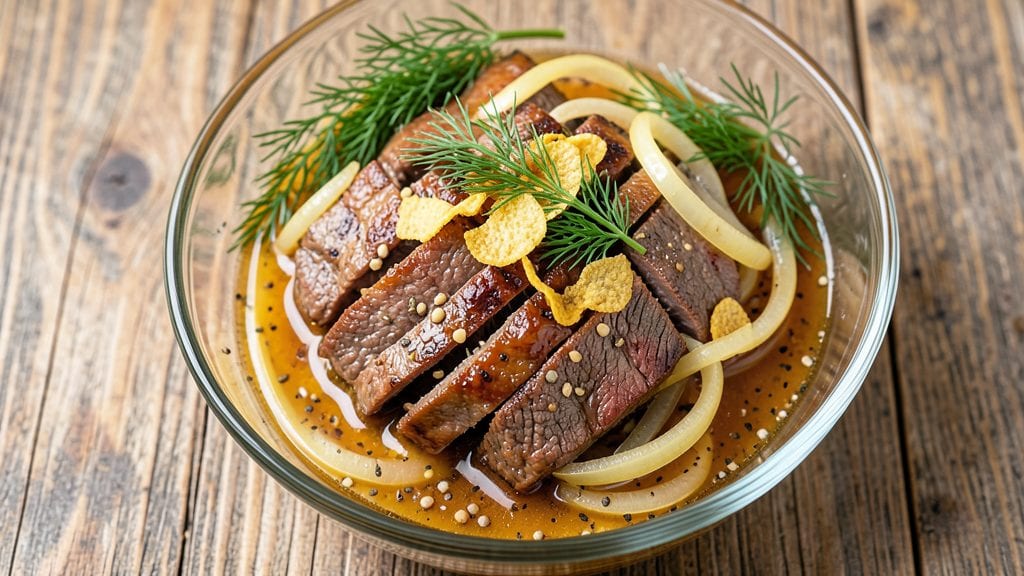
This Southern-style beef pickle recipe transforms tender beef into a tangy, crunchy masterpiece that elevates sandwiches to new heights. The secret lies in the precise balance of vinegar, spices, and fermentation time—just 24 hours—that develops that signature zing without overpowering the meat.
I first discovered this technique while researching classic Southern barbecue sides, and it quickly became a staple in my kitchen for adding texture and flavor to everything from pulled pork sandwiches to charcuterie boards.
What sets this recipe apart is the careful spice blend—just enough heat from cayenne and black pepper to complement the bright tang of apple cider vinegar, without overwhelming the beef.
The marinating process not only tenderizes the meat but also creates that signature crunch through partial fermentation, a technique borrowed from traditional pickling methods. This isn't your typical beef jerky or dried meat; it's a Southern sandwich secret that adds layers of complexity to any dish.
By the time you're done, you'll have perfectly seasoned beef slices with a satisfying snap and a tangy kick that cuts through rich flavors like pulled pork or fried chicken. The texture is what makes this dish truly special—crisp edges that give way to tender, flavorful beef underneath.
This recipe delivers restaurant-quality results that are simple enough for weeknight meals but impressive enough for gatherings.
The beauty of beef pickles is their versatility—serve them on sandwiches, toss them into salads, or use them as a garnish for tacos and bowls. They keep well in the refrigerator for up to two weeks, making them a perfect make-ahead option.
Let's get started on creating this Southern classic that's sure to become a favorite in your kitchen.
Ingredients for beef pickle
Tender beef, bright vinegar, and a crunchy kick—just 13 ingredients for Southern-style sandwich magic.
| Ingredient | Amount | Notes |
|---|---|---|
| Top Round Beef 🥩 | 1 ½ lb | Thinly sliced (1/8-inch thick) |
| Apple Cider Vinegar 🍎 | 1 cup | Raw, unfiltered preferred |
| Yellow Onion 🧅 | 1 whole | Thinly sliced (1/8-inch thick) |
| Dill Pickle Chips 🥒 | 1 cup | Crushed for texture |
| Granulated Sugar 🍚 | ½ cup | White or brown |
| Kosher Salt 🧂 | 1 ½ tbsp | Diamond Crystal preferred |
| Black Peppercorns 🌶️ | 1 tsp | Freshly cracked |
| Cayenne Pepper 🔥 | ½ tsp | Adjust for heat preference |
| Mustard Seeds 🌾 | 1 tsp | Yellow or brown |
| Garlic Cloves 🧄 | 3 cloves | Minced for marinade |
| Celery Seeds 🥬 | ½ tsp | Optional for depth |
| Dried Dill 🌿 | 1 tsp | Or 1 tbsp fresh chopped |
| Vegetable Oil 🫒 | ½ cup | For coating beef |
The beef is everything here. Top round gives you that perfect balance of tenderness and snap—sirloin or flank steak work too, but top round is classic. Slice it paper-thin (1/8-inch) using a sharp knife or your deli slicer if you've got one. Costco or Whole Foods usually have pre-sliced top round in the meat counter, which saves time. If you're buying whole, freeze it for 30 minutes first—makes slicing easier. The apple cider vinegar should be raw and unfiltered (like Bragg) for that authentic tang, but white vinegar in a pinch works fine.
No dill pickle chips? Crushed potato chips add crunch without the tang, or skip them entirely for a more traditional approach. Fresh dill is ideal but dried at one-third the amount works too. Short on mustard seeds? Dijon mustard at half the amount gives a similar depth. The celery seeds are optional but add that classic pickle flavor—if you skip them, boost the dill slightly. For the heat, cayenne can be swapped for red pepper flakes at double the amount. And if you're feeling fancy, add 1/4 cup of beef broth to the marinade for extra richness.
This keeps for 2 weeks in the fridge, sealed in its marinade. The longer it sits, the more it develops that signature crunch and tang. I like to portion it into small jars or containers so it's ready to grab for sandwiches or snacks. For extra crunch, pat the slices dry before serving. And trust me—leftovers taste even better after a few days as the flavors meld.
Why You'll Love This Recipe
- No-Fuss Prep: I swear by this recipe because it’s that easy—just slice the beef thin, toss with vinegar and sugar, then let it marinate while you chop onions. No fancy techniques, no stress.
- Sweet-Sour Magic: That tangy vinegar and sugar combo? It’s like a flavor explosion. The beef soaks up the briny, sweet notes, and the dill pickle chips add this perfect crunch that makes every bite addictive.
- Potluck Hero: This dish travels amazingly well—pack it in a jar, and it stays fresh for days. Bring it to BBQs, picnics, or even as a side for game day. Honestly, it’s my go-to for any gathering.
- Budget Stretch: Top round beef is affordable, and the other ingredients? Mostly pantry staples. I make a big batch, and it lasts forever—great for meal prep or feeding a crowd without breaking the bank.
Step-by-step instructions for Southern-style beef pickle
Here's how to transform simple ingredients into tender, tangy beef pickle perfect for sandwiches.
Prep and Marinate the Beef
Slice the 1.5 lb top round beef into 1/8-inch thick strips—this ensures even cooking and maximum tenderness. In a large bowl, combine the apple cider vinegar, 0.5 cup granulated sugar, 1.5 tbsp kosher salt, 0.5 tsp cayenne pepper, 1 tsp mustard seeds, 3 minced garlic cloves, 0.5 tsp celery seeds, and 1 tsp dried dill. Whisk until the sugar and salt dissolve completely—this creates the flavor base.
Add the sliced beef to the marinade and toss gently to coat evenly. Let it sit at room temperature for 10 minutes, then refrigerate for at least 2 hours (or up to 24 hours). The acid in the vinegar will begin breaking down the beef fibers, guaranteeing fork-tender results. Here's the thing—don't skip the marinating time. The longer it sits, the more flavor it absorbs and the more tender it becomes.
Build the Crunchy Pickle Base
In a separate bowl, crush the 1 cup dill pickle chips into small pieces using your hands or a rolling pin. This creates that signature crunch that makes this dish so addictive. In a large skillet, heat 0.5 cup vegetable oil over medium heat until shimmering but not smoking—you want the oil hot enough to sear but not burn.
Add the thinly sliced 1 whole yellow onion and cook for 5-6 minutes until softened and just beginning to brown at the edges. This step develops the onion's natural sweetness while keeping it slightly crisp. Remove the onions from the skillet and set aside—you'll add them back later. Keep the oil in the pan for the next step.
Cook the Beef in the Flavorful Oil
Working in batches if needed, add the marinated beef to the hot skillet with the reserved oil. Cook for 3-4 minutes per batch, stirring occasionally, until the beef reaches 160°F internally and develops a light golden crust. The beef should be tender but still holding its shape—overcooking will make it tough. Here's what I do: I press down gently on the beef strips with a spatula during the first minute to help them flatten and cook more evenly.
Once cooked, remove the beef from the skillet and set it aside. Pour the reserved onions back into the skillet and cook for an additional 1 minute to infuse them with any remaining beef juices. This step ensures every bite has that perfect balance of tangy, sweet, and savory flavors.
Combine and Simmer for Maximum Flavor
Return the cooked beef to the skillet and add the crushed pickle chips. Stir everything together and let it cook for 2-3 minutes until the pickle chips soften slightly but still maintain their crunch. The mixture should look vibrant and inviting—this is when you'll smell that perfect combination of tangy vinegar, sweet onions, and smoky spices.
Reduce the heat to low and let the mixture simmer uncovered for 5 minutes. This final step allows all the flavors to meld together while keeping the texture just right—tender beef with that satisfying crunch from the pickles. Taste and adjust seasoning if needed, adding a pinch more salt or cayenne if desired. The result should be a perfect balance of tangy, sweet, and slightly spicy flavors.
Serve Warm or Cold
Transfer the beef pickle to a serving bowl and let it cool to room temperature if you prefer it slightly cooler. This dish tastes amazing both warm and cold, making it perfect for sandwiches or as a side dish. The flavors continue to develop as it sits, so it actually tastes even better the next day.
Serve immediately on toasted bread with a dollop of mayonnaise for the classic Southern sandwich experience. Each bite should deliver that perfect combination of tender beef, crunchy pickles, and sweet onions. This recipe makes enough for 4 generous servings—perfect for sharing with friends or meal prepping for the week ahead.
Pro Tips For Making Beef Pickle
- Slice Thinly, Evenly: Top round beef is tough when thick—cut it against the grain into ¼-inch slices before pickling. Uneven pieces won’t soften consistently, and you’ll end up with chewy bits. Use a sharp knife and don’t fight it; let the blade do the work.
- Balance Vinegar Heat: Apple cider vinegar is strong—start with 1 part vinegar to 2 parts water in the brine. Too much acid upfront will toughen the beef, and you’ll lose that perfect tender-crisp texture. Taste as you go; adjust after 24 hours if needed.
- Crumble Pickle Chips: Skip whole pickle chips—they don’t dissolve. Pulse them in a food processor for 2–3 seconds until you’ve got a coarse, sandy texture. This ensures even distribution of that tangy punch throughout the beef without clumps.
- Sweat Onions Low and Slow: Don’t brown the onions—sweat them gently in a dry pan over medium-low for 8–10 minutes until translucent. Browning adds bitterness that fights the sweetness of the sugar and the vinegar’s brightness. Cover the pan to speed it up, but keep it moving.
Wine and beer pairings for beef pickle
Crisp White Wine
For a refreshing contrast to the tangy beef pickles, a crisp Sauvignon Blanc from New Zealand or Loire Valley is my go-to choice. The bright citrus notes and herbal undertones cut through the richness of the beef while complementing the vinegar's acidity.
Look for a bottle with 12-13% ABV—something like Kim Crawford Sauvignon Blanc or Oyster Bay Sauvignon Blanc from New Zealand. These wines have enough acidity to stand up to the dish without overpowering it. 🍷
Light-Bodied Beer
A light, crisp American lager or wheat beer balances the bold flavors perfectly. I recommend Michelob Ultra for its clean, slightly sweet profile that pairs beautifully with the sweet onions and tangy vinegar.
For a craft option, try a Belgian witbier like Hoegaarden—its coriander and orange peel notes add a refreshing twist. Avoid heavy stouts or IPAs, as their bold flavors can clash with the delicate balance of the beef pickles.
Dry Rosé
If you prefer red wine, a dry Provence rosé is an excellent choice. The subtle fruitiness and crisp acidity of a Whispering Angel or Miraval rosé complement the dish without overwhelming it.
These wines have a 12-13% ABV and a light, dry finish that enhances the beef's tenderness and the pickles' crunch. Serve slightly chilled for the best experience.
Non-Alcoholic Pairings
For a non-alcoholic option, a sparkling apple cider like Martinelli's or a ginger beer such as Feather's adds a refreshing fizz that cleanses the palate. The natural sweetness of the cider balances the tangy, spicy flavors of the beef pickles, while the ginger beer's spice adds a complementary kick.
Both options are perfect for a lighter pairing that still enhances the dish's flavors. 💫
Regional Beer Twist
If you're serving this in the South, a local Southern-style lager like Shiner Bock or Lone Star adds a regional touch. The malty sweetness of these beers complements the caramelized onions and tender beef, while their moderate alcohol content keeps the pairing balanced.
For a smoky option, try a bourbon barrel-aged beer like Goose Island Bourbon County Stout—its caramel and vanilla notes add depth to the dish.
Nutrition facts
Frequently asked questions
Can I use this recipe for other types of meat?
While this recipe is specifically designed for beef, you can adapt it for chicken breast or pork tenderloin by reducing marinating time to 1 hour (chicken) or 2 hours (pork). The thinner cut of chicken will cook faster, so reduce cooking time to 2-3 minutes per side. For pork, use 1/4-inch thick slices and cook to 145°F internally. The tangy flavor works beautifully with these meats too!
How do I adjust the spice level?
This recipe has mild heat from cayenne. For milder flavor, reduce cayenne to 1/4 tsp or omit entirely. For extra heat, increase to 1 tsp or add 1/2 tsp of crushed red pepper flakes. If you prefer a different spice profile, try smoked paprika (1/2 tsp) for depth or fresh jalapeño (finely chopped) for fresh heat. Always taste before serving!
Why do my beef pickles turn out mushy instead of crunchy?
Mushy texture usually comes from overcooking or improper slicing. First, ensure your beef is sliced paper-thin (1/8-inch)—thicker slices won't crisp properly. Second, cook the beef in small batches for 3-4 minutes max at medium-high heat. Finally, drain excess marinade before the final simmer to prevent steaming. For extra crunch, pat slices dry with paper towels before serving.
Can I make this recipe without vinegar?
Vinegar is key for both flavor and preservation, but you can substitute with lemon juice or rice vinegar in a 1:1 ratio. For a tangy profile similar to apple cider vinegar, use white vinegar + 1 tbsp honey. Just note that the texture and preservation time will differ slightly—expect 1 week of fridge life instead of 2 weeks. The dish will still taste delicious but may lack the classic "pickled" depth.
What are the best ways to use up leftover beef pickles?
These versatile pickles shine in 5 creative ways beyond sandwiches! Try them in tacos or nachos with avocado and lime, mixed into potato salad for a tangy twist, or as a topping for burgers and sliders. They also add zing to grain bowls with quinoa and roasted veggies, or even as a snack mix with nuts and crackers. Store leftovers in an airtight container with their marinade for up to 2 weeks.