
Main Courses
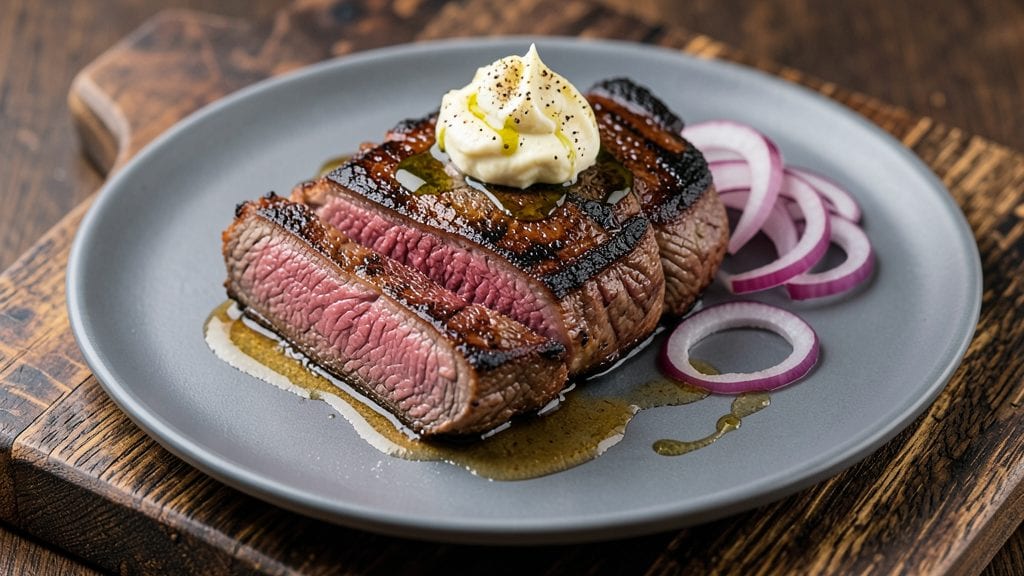
Mastering the beef chuck shoulder top blade steak transforms tough cuts into melt-in-your-mouth perfection with a pan-seared crust and buttery interior. This complete dish recipe focuses on precise techniques to tenderize the meat while locking in juices—no guesswork, just professional results every time.
The key lies in understanding this underrated cut's potential, which delivers rich flavor and texture when cooked correctly.
What sets this recipe apart is the two-step cooking method: first a slow sear to develop deep flavor, then a controlled finish to achieve the ideal internal temperature without drying out the meat.
Seasoning with a simple yet effective blend of kosher salt and black pepper creates the perfect foundation, while proper resting ensures juices redistribute for maximum tenderness. This approach works equally well for weeknight dinners or special occasions.
The result is a steak with a crispy, caramelized exterior that gives way to tender, buttery meat when sliced against the grain. Each bite delivers that perfect balance of texture and flavor, making it a standout main course.
Pair with roasted vegetables or a fresh salad to complete the meal—this steak holds its own as the centerpiece without needing elaborate sides.
For those new to working with chuck cuts, this recipe includes clear guidance on preparation, cooking times, and resting periods to guarantee success. The technique is straightforward but requires attention to detail—ideal for home cooks looking to elevate their steak game with professional-level results.
Let's get started on creating this restaurant-quality dish at home.
Ingredients for beef chuck shoulder top blade steak
Professional-grade ingredients transform chuck shoulder top blade into restaurant-quality steak with minimal effort.
| Ingredient | Amount | Notes |
|---|---|---|
| Beef Chuck Shoulder Top Blade Steak 🥩 | 2 ½ lb | Center-cut, 1.5-inch thickness preferred |
| Diamond Crystal Kosher Salt 🧂 | 1 ½ tbsp | Coarse grain for even seasoning |
| Freshly Ground Black Pepper 🌶️ | 1 ½ tsp | Cracked peppercorns preferred |
| Extra-Virgin Olive Oil 🫒 | ½ cup | High smoke point variety |
| Unsalted Butter 🧈 | 4 tbsp | Cold, cut into 1-inch cubes |
| Yellow Onion 🧅 | 1 whole | Medium, sliced into 1/4-inch rings |
| Garlic Cloves 🧄 | 6 cloves | Peeled, smashed with side of knife |
| Fresh Thyme Leaves 🌿 | ¼ cup | Chopped, stems removed |
| Dry Red Wine 🍷 | ½ cup | Cabernet Sauvignon preferred |
| Beef Broth 🍲 | ¼ cup | Low-sodium, homemade or high-quality |
| Tomato Paste 🍅 | 1 tbsp | Smooth, not chunky |
| Fresh Rosemary 🌿 | ⅛ cup | Chopped, sprigs removed |
| Fresh Parsley 🌿 | ⅛ cup | Chopped, for garnish |
The beef chuck shoulder top blade is the star here—seek cuts with visible marbling and uniform thickness. Whole Foods or high-end butchers carry premium selections, but any reputable grocery store's meat department will have it pre-trimmed. For best results, request a center-cut portion with minimal connective tissue. If working with a whole roast, trim excess fat and silver skin before slicing into steaks. The thickness matters: aim for 1.5 inches to ensure even cooking. If your cut is thinner, reduce cooking time proportionally. For those short on time, Costco's vacuum-sealed chuck steaks are a reliable shortcut—just pat them dry before seasoning.
No kosher salt? Diamond Crystal is the gold standard, but any coarse sea salt works in a pinch. Fresh thyme and rosemary elevate the dish, but dried herbs at half the quantity suffice if fresh isn't available. Substituting wine? Beef broth with a splash of balsamic vinegar delivers similar depth. The tomato paste can be omitted entirely if you prefer a cleaner flavor profile, though it adds subtle sweetness. For a richer finish, swap the red wine for dry sherry—it complements the beef's natural richness without overpowering. Prefer a different wine? Merlot or Malbec both work beautifully, but avoid heavy oaks like Cabernet Franc.
Steaks should rest 10-15 minutes at room temperature before cooking to ensure even doneness. Store raw steaks in the coldest part of your fridge, wrapped in butcher paper (not plastic) for up to 5 days. The finished steaks reheat poorly, so cook only what you plan to serve immediately. Leftover sauce components (wine reduction, aromatics) can be refrigerated for 3 days or frozen for 3 months. For meal prep, portion the sauce into ice cube trays—thaw and reheat as needed. The herb garnish is best used fresh, but dried parsley can be sprinkled on top if needed.
Why You'll Love This Recipe
- Pan-Seared Perfection: I swear by this method—just a hot pan, a drizzle of olive oil, and a few minutes of searing until that crust forms. No fancy equipment, no stress, just pure, smoky flavor with a tender bite.
- Butter Magic Boost: That final swipe of butter? It’s not just finishing—it’s transforming. The olive oil gives it a crisp edge, but the butter melts into the steak, making every bite rich and velvety. (Between us, I’ve been known to eat it straight off the pan.)
- Weeknight Hero: I make this when I’m too tired to think, and it still feels special. Toss it with roasted potatoes or a simple salad, or serve it over mashed sweet potatoes for a meal that’s hearty enough for a Sunday dinner but quick enough for a Tuesday.
- Budget-Friendly Feast: This cut is a steal—way more affordable than ribeye or filet, but just as satisfying. A single steak feeds two generously, and leftovers? Perfect for sandwiches or stir-fries the next day. No waste, all flavor.
Step-by-step instructions for beef chuck shoulder top blade steak
Mastering this cut requires precision and patience—here's how to achieve a perfect crust with tender interior.
Prepare and Season the Beef Chuck Shoulder Top Blade Steak
Remove the beef chuck shoulder top blade steak from the refrigerator and pat it dry thoroughly with paper towels. This step is critical—any moisture on the surface will prevent proper browning. Place the steak on a cutting board and season both sides generously with the 1.5 tablespoons diamond crystal kosher salt and 1.5 teaspoons freshly ground black pepper. Press the seasoning into the meat so it adheres evenly.
Let the seasoned steak sit at room temperature for 30 minutes before cooking. This allows the meat to come to room temperature, ensuring even cooking from edge to center. The seasoning will also penetrate slightly deeper, creating a more flavorful crust. Don't skip this step—it makes all the difference in achieving that perfect sear.
Sear the Steak to Develop Crust and Flavor
Heat a heavy skillet, preferably cast iron, over medium-high heat until it's smoking hot. Add 0.5 cup extra-virgin olive oil and let it shimmer for 30 seconds. Place the seasoned beef chuck shoulder top blade steak in the pan and press down gently with a metal spatula for 1 minute. This creates better contact with the hot surface and prevents curling.
Cook the steak undisturbed for 4-5 minutes on the first side until a deep golden-brown crust forms. You'll see the edges start to crisp—that's your signal to flip. Cook the second side for another 4-5 minutes, or until the internal temperature reaches 130°F on a meat thermometer. The crust should be rich and caramelized, while the interior remains tender and juicy. If the steak releases easily from the pan, it's ready.
Build the Red Wine Reduction Sauce
Remove the steak from the pan and set it aside to rest on a cutting board. Reduce the heat to medium and add the 4 tablespoons unsalted butter to the pan, letting it melt and foam. Add the sliced 1 whole yellow onion and cook for 3-4 minutes until softened. Add the 6 cloves garlic cloves and cook for 30 seconds until fragrant—don't let them burn.
Pour in the 0.5 cup dry red wine and scrape up any browned bits from the bottom of the pan with a wooden spoon. This deglazing step captures all the flavor you've built. Let the wine simmer for 3-4 minutes until reduced by half. Stir in the 1 tablespoon tomato paste and cook for 1 minute to thicken the sauce slightly. Add the 0.25 cup beef broth and bring to a gentle simmer.
Finish with Herbs and Rest the Steak
Return the steak to the pan and spoon the red wine reduction sauce over it. Sprinkle the 0.25 cup fresh thyme leaves and 0.125 cup fresh rosemary evenly over the top. Let the steak sit in the sauce for 2-3 minutes to absorb the flavors. The residual heat will finish cooking the steak to your desired doneness while infusing it with aromatic herbs.
Transfer the steak to a cutting board and let it rest for 10-15 minutes before slicing. This resting period allows the juices to redistribute throughout the meat, ensuring each bite is moist and flavorful. While the steak rests, keep the sauce warm over low heat. Garnish with the 0.125 cup fresh parsley before serving to add a pop of color and freshness.
Pro Tips For Making Beef Chuck Shoulder Top Blade Steak
- SEAR WITHOUT SMOKING: Chuck steak can release a ton of liquid when hot—start in a cold pan. Add 1 tablespoon olive oil and let it heat slowly until shimmering (about 2 minutes). This gives the meat time to render fat without turning your kitchen into a smoke alarm test site. I used to rush this, and my steaks came out gray and sad.
- SALT BEFORE SEARING: Generously coat the steak with kosher salt at least 40 minutes before cooking—this seasoning penetrates deeper than a last-minute sprinkle. Skip the pepper until after searing; it burns faster and masks the salt’s magic. (Yes, even if you’re impatient like me.)
- BASTE WITH BUTTER LAST: After searing, pull the steak and let it rest while you melt 2 tablespoons butter in the same pan until foamy. Add a splash of olive oil to emulsify—this is your basting sauce. Pour it over the steak right before serving so the crust stays intact. I learned this the hard way when my butter turned to grease mid-plate.
- REST UNDER FOIL: Chuck steak needs a 5-10 minute rest under foil to redistribute juices—don’t skip this, even if you’re starving. Tent loosely with foil to trap steam, then slice against the grain for tender bites. (Your future self will thank you.)
Dietary considerations for these flavors
Gluten-Free Adaptations
This recipe is naturally gluten-free since it relies on simple ingredients like beef, olive oil, and wine—no flour or thickening agents are required. However, if you're using pre-made beef broth, verify it's labeled gluten-free.
I always check Pacific Foods or Imagine Foods brands for certified gluten-free options. The tomato paste and wine reduction sauce remain safe for gluten-sensitive diets as long as you avoid cross-contamination during prep.
Low-Carb/Keto Options
For a keto-friendly version, skip the tomato paste entirely and focus on the rich beef and wine flavors. The natural fats in the butter and beef align perfectly with keto principles. I recommend adding 1 teaspoon of crushed rosemary to the pan during searing for extra depth without carbs.
The onions can be reduced to 2 slices instead of a full ring to minimize carbs further.
Dairy-Free Substitutions
To make this recipe dairy-free, replace the 4 tablespoons unsalted butter with an equal amount of olive oil or dairy-free butter (I like Miyoko's brand). The wine reduction will still develop beautifully without butter.
For extra richness, add 1 tablespoon of coconut cream to the sauce at the end. The texture will be slightly lighter but equally flavorful.
Allergen-Friendly Adjustments
For nut allergies, ensure all ingredients are nut-free—some beef broths contain soy or wheat additives. If you're avoiding sulfites, choose a sulfite-free wine like Freixenet 0.0%.
For egg allergies, no modifications are needed since this recipe doesn't contain eggs. Always double-check labels on pre-made ingredients like tomato paste or broth for hidden allergens.
Protein-Packed Boost
This recipe is already high-protein, but you can enhance it further by adding 1 teaspoon of smoked paprika to the seasoning blend. The paprika adds depth without extra carbs or fats.
For a higher-protein meal, serve with a side of cauliflower mash instead of traditional mashed potatoes—it pairs beautifully with the rich steak flavors while keeping the dish light.
Meal Prep Considerations
While the steak itself doesn't reheat well, you can prep components ahead: marinate the steak in wine and herbs for 4 hours in the fridge before cooking. The sauce base (wine, broth, tomato paste) can be made 2 days ahead and reheated gently.
Store in airtight containers at 40°F or below. For reheating, warm the sauce on low heat for 5 minutes—never microwave to preserve texture.
Nutrition facts
Frequently asked questions
Why does this recipe specify a 1.5-inch thickness for the beef chuck shoulder top blade?
The 1.5-inch thickness ensures even cooking and a perfect crust-to-tender ratio. Thinner cuts (1 inch) may overcook before developing a proper sear, while thicker cuts (>2 inches) risk uneven doneness. This thickness allows for a 4-5 minute sear per side on medium-high heat while keeping the interior juicy at 130°F.
Can I substitute red wine with something else in the sauce?
Yes! For a non-alcoholic version, use 0.5 cup beef broth + 1 tablespoon balsamic vinegar. For depth without wine, try 0.5 cup dry sherry or 0.5 cup apple cider. Avoid heavy cream—it’ll make the sauce too rich. The key is acidity to balance the beef’s richness.
How do I fix a steak that’s overcooked or dry?
If your steak is overcooked, slice it against the grain and serve immediately with extra sauce. For extra moisture, place slices in a 200°F oven for 5 minutes with a splash of beef broth. Prevent this by using a meat thermometer—remove at 130°F (medium-rare) and let it rest. The crust will hold juices during resting.
What’s the best way to slice this steak for maximum tenderness?
Slice against the grain (perpendicular to the muscle fibers) using a sharp knife. For chuck shoulder top blade, identify the grain by looking for the natural lines in the meat. Cut into 0.5-inch thick slices—this shortens muscle fibers, making each bite tender. A serrated knife prevents tearing.
Can I make this recipe in a slow cooker or Instant Pot?
This recipe is designed for pan-searing, but you can adapt it! For a slow cooker, sear the steak first, then cook on low for 6-8 hours with wine, broth, and aromatics. For an Instant Pot, use the Sauté function to sear, then High Pressure for 20 minutes. Both methods require adjusting seasoning—chuck benefits from long cooking, but the crust won’t be as crispy.