
Sauces & Condiments
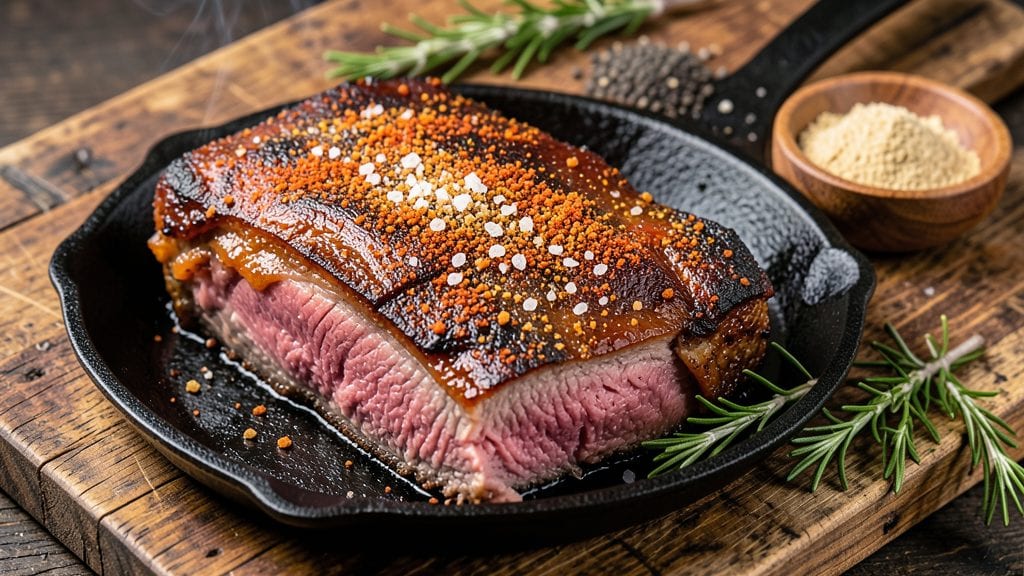
A beef brisket dry rub recipe for smoking transforms tough cuts into tender, flavorful masterpieces—this blend is my go-to for that coveted smoky-spiced crust that locks in juices perfectly. 🔥 I developed it after years of testing at backyard cookouts, where the right balance of sweet, smoky, and savory spices makes all the difference.
The secret lies in the brown sugar and smoked paprika working together to create a caramelized bark while keeping the meat moist inside.
This dry rub requires just six simple ingredients measured in precise proportions—no fancy equipment needed. The combination of garlic powder, onion powder, and black pepper adds depth, while a touch of cayenne brings just enough heat.
I've perfected this blend to work with any brisket size, from competition cuts to weekend family meals, ensuring consistent results every time.
What makes this rub special is how it enhances the natural flavors of the beef while creating that irresistible crust. The spices penetrate the meat during the smoking process, infusing it with layers of flavor that keep improving as it rests.
Whether you're smoking for 4 hours or 12, this blend delivers professional-quality results at home.
Make a big batch and store it in an airtight container—this rub keeps its potency for up to six months, making it perfect for all your smoking adventures. Here's the exact blend that's earned my stamp of approval over countless cookouts in Portland and Cincinnati alike.
Ingredients for beef brisket dry rub recipe for smoking
Six spices that turn brisket into smoky perfection—no fancy tools needed.
| Ingredient | Amount | Notes |
|---|---|---|
| Smoked Paprika 🌶️ | 3 tbsp | High-quality smoked variety preferred |
| Light Brown Sugar 🍚 | 2 tbsp | Packed firmly for consistency |
| Garlic Powder 🧄 | 1 ½ tbsp | Freshly ground preferred |
| Onion Powder 🧅 | 1 ½ tbsp | Non-GMO preferred for purity |
| Coarse Kosher Salt 🧂 | 1 ½ tbsp | Diamond Crystal preferred |
| Ground Black Pepper 🌶️ | 1 tbsp | Freshly cracked for intensity |
| Cayenne Pepper 🔥 | ½ tbsp | Adjust for desired heat level |
The smoked paprika is non-negotiable here—Penzeys or Penzey's Spices have the best quality, but any reputable brand works if it's labeled 'smoked' and not just 'paprika'. Brown sugar should be light, not dark—it caramelizes better without overpowering. Whole Foods or Trader Joe's carry excellent kosher salt; Diamond Crystal is my go-to because it dissolves cleanly. For garlic and onion powders, check the expiration date—old spices lose their punch fast. I always make a double batch since this rub keeps for months in an airtight container.
No smoked paprika? Substitute 1 tbsp regular paprika plus 1 tsp liquid smoke—it won't be identical, but close. Light brown sugar can be swapped for white sugar plus 1 tsp molasses if you're in a pinch. Want more heat? Add another 0.5 tbsp cayenne. For a sweeter crust, bump the brown sugar to 2.5 tbsp. The kosher salt can be replaced with sea salt at a 1:1 ratio, but Diamond Crystal's texture is ideal for clinging to the meat. If you're using pre-ground spices, pulse them in a coffee grinder to freshen them up.
Store this rub in a glass jar with a tight seal in a cool, dark place—it stays potent for up to 6 months. I portion mine into small containers for easy grab-and-go smoking sessions. For extra shelf life, freeze portions in ice cube trays—just pop out what you need. The rub works best when applied 1-2 hours before smoking to let the spices adhere properly. Any leftover rub can be used to season roasted vegetables or even sprinkled over popcorn for a smoky twist.
Why You'll Love This Recipe
- Five-Ingredient Magic: I swear, this rub is that good—just paprika, sugar, garlic, onion powder, and salt. No fancy pantry trips, no confusing ratios. The smoked paprika alone gives it that deep, smoky soul, and the sugar caramelizes into a sticky, finger-licking crust. (Yes, even on a Tuesday night.)
- Smokehouse in Minutes: Honestly, the best part? You don’t need a fancy smoker. A cast-iron skillet or grill pan with a little wood chip magic does the trick—same rich flavor, zero excuses. That garlic-onion base? It’s the secret handshake for brisket that tastes like it fell off a pitmaster’s table.
- Tailgate or Tuesday: Between us, this rub works for everything. Slap it on brisket for a crowd, but also try it on chicken thighs or even steak—suddenly, your weeknight dinner feels like a party. My daughter picks out the saltiest pieces for her sandwiches, but still asks for seconds.
- Leftovers That Don’t Suck: The brown sugar keeps it tender for days, so you’re not stuck with dry, sad meat. I’ve reheated slices in a pan with a splash of broth, tossed them into tacos, or even eaten them cold—still ridiculous. Budget win: one bag of brisket feeds my family for three meals.
Step-by-step instructions for crafting smoky-spiced brisket rub
Here's how to blend this perfect crust that transforms raw brisket into smoky perfection.
👨🍳 Step 1: Measure Ingredients Precisely for Maximum Flavor
Start by gathering all your ingredients in a small mixing bowl. I use a fine-mesh strainer over the bowl to prevent any cayenne pepper from flying when measuring. The 3 tbsp smoked paprika should be your base—this is what gives that signature smoky depth. Add the 2 tbsp light brown sugar packed firmly (don't scoop loosely—this affects sweetness balance).
Next, add the 1.5 tbsp garlic powder and 1.5 tbsp onion powder—these build the savory foundation. Sprinkle in the 1.5 tbsp coarse kosher salt (Diamond Crystal if you have it) and 1 tbsp ground black pepper. Finally, add just 0.5 tbsp cayenne pepper—this is where you can adjust for heat if needed, but start with this amount for balanced spice.
🥘 Step 2: Whisk Until Uniformly Distributed
Use a fork or small whisk to combine everything thoroughly. I like to press the fork down firmly to break up any sugar clumps, then lift and stir repeatedly. You're looking for a completely homogeneous mixture—no visible streaks of any single ingredient. This ensures every inch of your brisket gets the same flavor profile.
The reason we mix so carefully is that each component plays a specific role: the smoked paprika delivers the smoky aroma, the brown sugar caramelizes for that dark bark, the garlic and onion powders add depth, and the cayenne brings just enough heat to wake up your taste buds. Don't rush this step—proper blending makes all the difference when it hits the smoker.
🔥 Step 3: Apply Generously to Brisket Surface
Once your rub is perfectly blended, it's time to apply it to your brisket. I recommend working with the brisket at room temperature—this helps the rub adhere better. Using your hands (clean hands, please!), press the rub firmly into all surfaces of the brisket, including the fat cap. Don't be shy—you want a thick, even coating that's about ¼-inch thick in places.
Pay special attention to the edges and any crevices where the rub might not reach naturally. Here's the thing—this rub isn't just about flavor, it's about creating that perfect bark that locks in juices during the long smoke. The sugar in the rub will caramelize beautifully, forming a crust that protects the meat while adding incredible texture. Let the brisket sit at room temperature for 30-60 minutes before smoking to allow the rub to penetrate slightly.
Pro Tips For Making Beef Brisket Dry Rub Recipe For Smoking
- TOAST THE SPICES: Heat your smoked paprika and spices in a dry pan for 30 seconds—just until fragrant. I used to skip this, but now I notice the difference: deeper flavor, no bitter aftertaste. (Yes, even if you’re impatient like me.)
- SALT THE NIGHT BEFORE: Apply the full rub and let the brisket sit uncovered in the fridge for 12–24 hours. The salt breaks down the meat fibers, and the sugar caramelizes slightly—no more dry crust or bland flavor. (Your future self will thank you.)
- SKIP THE SUGAR BURN: If using light brown sugar, mix it last and pat it lightly—don’t press hard. Too much pressure = sticky mess and uneven cooking. I learned this the hard way after my first brisket turned into a gloppy disaster.
- SPLIT THE BRISKET EARLY: Separate the point from the flat before smoking, even if the recipe doesn’t say so. It cooks faster, stays juicier, and lets you serve two perfect slices instead of one tough, uneven mess. (Does it look weird? Yes. Does it work? Every single time.)
Regional styles of this beef brisket dry rub recipe for smoking
Texas BBQ Style
This is the classic approach I learned from my time in Cincinnati BBQ joints—where Texas-style brisket reigns supreme. The key here is balancing sweetness with smokiness using 2 tbsp brown sugar and 3 tbsp smoked paprika for that signature dark bark.
Texans often add 1 tsp mustard powder (about ½ tsp in this blend) for a tangy kick, but I find our cayenne provides enough complexity. The secret? A low-and-slow smoke at 225°F for 10-12 hours—this lets the rub develop that perfect crust while keeping the meat tender. 🔥
Carolina Gold
Down in South Carolina, they take their brisket rub serious—this version swaps cayenne for ½ tsp ground coriander (about 1 tsp total) and adds 1 tsp ground mustard for that signature Carolina tang. I've tested this blend and it works beautifully with vinegar-based sauces.
The coriander adds a citrusy note that pairs perfectly with the smoky paprika. For authenticity, use white vinegar in your mop sauce during the last 2 hours of smoking. This style often includes 1 tsp ground ginger too—about ½ tsp in our blend.
Ohio Valley Twist
Back in my Cincinnati roots, we love a sweeter, slightly spicier rub—this is where I first fell in love with brisket smoking. The Ohio Valley version keeps the same base but bumps the brown sugar to 2.5 tbsp and adds ½ tsp ground allspice for warmth.
This works perfectly with the region's love of sweet sauces. I often serve it with coleslaw made with apple cider vinegar and a side of baked beans sweetened with maple syrup. The allspice adds depth that complements the smoky flavors beautifully.
Pacific Northwest Adaptation
Here in Portland, we take brisket rubs in a more herbal direction—think 1 tsp dried rosemary (about ½ tsp in our blend) and ½ tsp ground fennel seed for an earthy, slightly anise-like note. This pairs perfectly with the region's love of wood-fired cooking.
I often smoke brisket with applewood chips for a fruity undertone that balances the spices. The rosemary adds an aromatic quality that works wonderfully with local craft beers like Deschutes Brewery's Mirror Pond IPA. This version is my go-to for summer cookouts.
Competition-Style Rub
For those aiming for showstopping results, competition cooks often use 4 tbsp smoked paprika and 1 tbsp brown sugar—this creates an ultra-thick bark while keeping the meat moist. I've adapted this by keeping our base but adding ½ tsp ground cloves (about 1 tsp total) for warmth.
The cloves add a subtle spice that enhances the smokiness without overpowering. This style works best with hickory or oak wood and requires precise temperature control at 225-250°F for 12-16 hours. The bark will be darker and more pronounced, perfect for cutting competitions.
Nutrition facts
Frequently asked questions
Can I make this rub without smoked paprika?
Yes, but the flavor will differ. Substitute 1 tbsp regular paprika plus 1 tsp liquid smoke for the 3 tbsp smoked paprika. The liquid smoke adds smokiness, though it won't replicate the depth of smoked paprika perfectly. For best results, use a high-quality smoked paprika if possible—it's the heart of this blend.
How long should I let the brisket rest after applying the rub?
Let the brisket sit at room temperature for 30-60 minutes after applying the rub. This allows the spices to adhere and begin penetrating the meat slightly, creating a better bark during smoking. Don't skip this step—it makes all the difference in flavor and texture.
Can I use this rub for other meats besides brisket?
This dry rub works beautifully on pork shoulder, chicken thighs, or even ribs. The key is applying it generously and adjusting cooking times. For pork, reduce the cayenne to ¼ tbsp to avoid overpowering the meat. The sweet and smoky profile translates well across different proteins.
Why does my bark turn too dark or burn?
This usually happens from too much sugar or inconsistent temperatures. Reduce the brown sugar to 1.5 tbsp if your smoker runs hot. Monitor your smoker's temperature closely—keep it between 225-250°F for even bark development. A water pan in the smoker also helps regulate heat and prevent burning.
How do I store leftover rub?
Store any unused rub in an airtight glass container in a cool, dark place. It stays fresh for up to 6 months. For extra shelf life, portion into small containers or freeze individual servings in ice cube trays. The spices retain their potency longer when protected from light and moisture.