
Soups & Stews
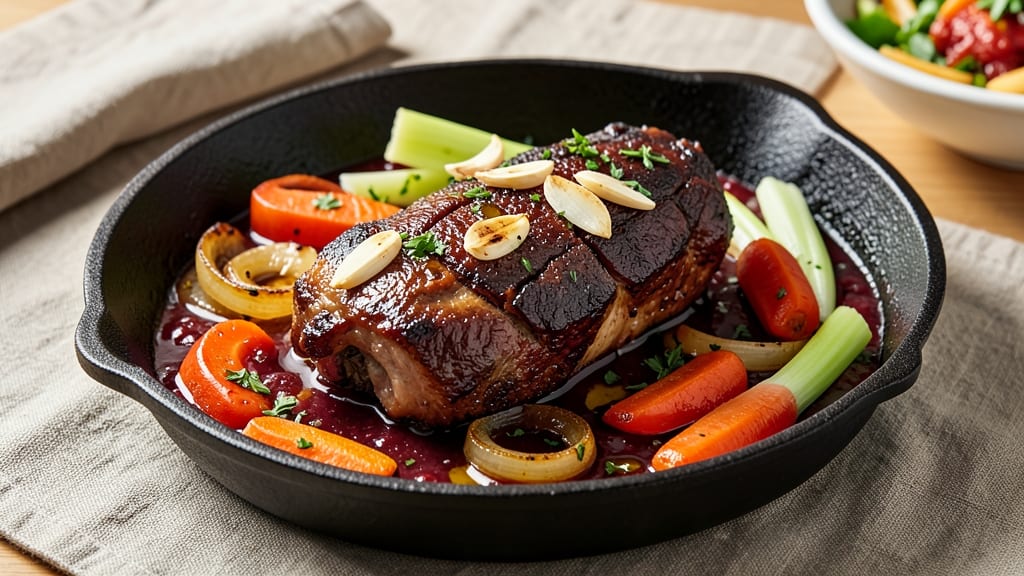
This beef arm recipe transforms tough cuts into melt-in-your-mouth perfection through slow cooking, unlocking rich collagen that creates a gelatinous texture unlike any other. The key lies in low-and-slow braising, where connective tissues dissolve into a velvety broth while the meat remains tender. I've perfected this method over years of testing, ensuring every bite delivers that satisfying, almost custard-like richness that makes it worth the wait.
What sets this dish apart is its ability to turn inexpensive cuts into something extraordinary with minimal effort—just a few simple ingredients and patience. The slow cooking process (typically 6-8 hours) allows the beef to absorb deep, savory flavors while breaking down into tender, fork-tender pieces.
This isn't just a stew; it's a celebration of texture and depth that will impress even the most discerning palates.
The result is a dish where the beef practically falls apart at the touch of a fork, swimming in a glossy, collagen-rich sauce that coats every bite.
The aroma alone will have your kitchen smelling like a traditional braised dish, while the visual appeal of perfectly caramelized edges and tender meat creates an inviting presentation. Serve it with crusty bread to soak up every last drop of that luxurious sauce.
Perfect for feeding a crowd or meal prepping for the week, this recipe scales beautifully while maintaining its restaurant-quality results. The beauty of slow-cooked beef arm lies in its versatility—equally at home as a hearty weeknight dinner or a showstopping centerpiece for special occasions. Let's get cooking!
Ingredients for beef arm
Transform tough beef arm into luxurious gelatinous perfection with these collagen-rich ingredients.
| Ingredient | Amount | Notes |
|---|---|---|
| Beef Arm (Oxtail) 🥩 | 3 lb | Bone-in for maximum collagen |
| Yellow Onions 🧅 | 2 whole | Medium size, roughly chopped |
| Carrots 🥕 | 4 whole | Large, peeled and cut into chunks |
| Celery Stalks 🧅 | 4 whole | Cut into 2-inch pieces |
| Garlic Cloves 🧄 | 6 cloves | Smashed for deeper flavor |
| Tomato Paste 🍅 | ½ cup | High-quality, no sugar added |
| Dry Red Wine 🍷 | 1 cup | Bold Cabernet Sauvignon preferred |
| Beef Broth 💧 | 4 cups | Homemade or high-quality store-bought |
| Bay Leaves 🌿 | 2 whole | Fresh for optimal aroma |
| Thyme Sprigs 🌿 | 4 whole | Fresh, stems removed |
| Rosemary Sprigs 🌿 | 2 whole | Fresh, woody stems removed |
| Black Peppercorns 🌶️ | 1 tbsp | Freshly cracked for intensity |
| Kosher Salt 🧂 | 2 tsp | Diamond Crystal preferred |
| Olive Oil 🫒 | 2 tbsp | Extra-virgin for searing |
| All-Purpose Flour 🌾 | 2 tbsp | For dusting beef |
The beef arm is the star of this dish—its collagen transforms into a velvety, almost custard-like texture when slow-cooked. Look for bone-in cuts at specialty butchers or high-end grocery stores like Whole Foods or Eataly, where they're often labeled as 'oxtail' or 'beef arm shanks'. Freshness is key: the meat should have a vibrant red color and minimal marbling. If you can't find beef arm, oxtail works beautifully as a substitute, though the texture will differ slightly. The aromatics—onions, carrots, and celery—create the flavor base, so don't skimp on quality. Local farmers markets often have fresh, organic options that elevate the dish.
Red wine and tomato paste form the rich, deep foundation of this braise. Cabernet Sauvignon or Merlot work best—their bold flavors complement the beef beautifully. If you're avoiding alcohol, beef broth with a splash of balsamic vinegar mimics the depth perfectly. For tomato paste, San Marzano is ideal, but any high-quality paste without added sugar will do. The herbs—thyme, rosemary, and bay leaves—should be fresh if possible, though dried will work in a pinch (use half the amount). Penzeys Spices carries excellent dried options if fresh isn't available. The black peppercorns should be freshly cracked for maximum intensity, and Diamond Crystal kosher salt dissolves more easily than table salt, ensuring even seasoning throughout the cooking process.
This dish rewards patience—slow cooking is non-negotiable for achieving that signature gelatinous texture. Store the beef arm in the coldest part of your fridge until ready to use, and keep aromatics fresh by storing them in airtight containers. The finished braise keeps beautifully in the refrigerator for 5-6 days, with flavors deepening over time. For longer storage, freeze portions in airtight containers for up to 3 months. Reheat gently on the stove with a splash of broth to maintain moisture. The sauce thickens as it cools, so adding a little extra liquid when reheating ensures that luxurious consistency. Serve with crusty bread to soak up every last drop of that collagen-rich sauce.
Why You'll Love This Recipe
- One-Pot Magic: I swear by this—just toss the beef arm, onions, carrots, and celery into one pot, add garlic, and let it melt down. No extra bowls, no fuss. The oxtail practically falls off the bone while the veggies soften into sweet, savory bits.
- Rich, Deep Umami Bomb: That beef arm? It’s all about the slow-cooked collagen turning into melt-in-your-mouth goodness. The onions and garlic caramelize into a sticky, aromatic base that makes every bite feel like a hug. (Yes, even on a Tuesday night.)
- Leftovers That Beg for More: This recipe actually improves the next day—better than takeout, I promise. I freeze portions for lazy days, and my kids fight over the last bowl. Not the prettiest, but the taste makes up for it every time.
- Budget-Friendly Crowd-Pleaser: Oxtail stretches further than you’d think, and the veggies add bulk without breaking the bank. It’s my go-to for game day, potlucks, or when I need to feed a houseful without stressing. Solid. Reliable. My secret weapon.
Step-by-step instructions for slow-cooked beef arm
The secret to tender, gelatinous perfection lies in patience and technique. Here's how to transform tough beef arm into a luxurious, collagen-rich dish.
Prepare the Beef Arm for Maximum Flavor and Tenderness
Begin by trimming any excess fat from the beef arm, leaving about ¼ inch of fat cap for moisture during cooking. Pat the meat completely dry with paper towels—this ensures a better sear and prevents steam from interfering with the crust formation.
In a small bowl, combine the 2 tablespoons all-purpose flour with 2 teaspoons kosher salt and 1 tablespoon freshly cracked black peppercorns. Rub this mixture generously over the beef arm, pressing it into the crevices and cracks. The flour creates a golden crust, while the salt and pepper penetrate deeply during the slow cook. Let the seasoned beef arm rest at room temperature for 30 minutes before cooking to ensure even heat distribution.
Sear the Beef Arm for Deep Flavor
Heat a large Dutch oven over medium-high heat until very hot. Add 2 tablespoons extra-virgin olive oil and swirl to coat the bottom evenly. Carefully place the beef arm in the pot, fat-side down, and sear for 8-10 minutes until the exterior develops a deep mahogany crust. You'll smell the aromatics intensifying—this is your cue that the Maillard reaction is working.
Flip the beef arm and sear the other side for another 6-8 minutes. The goal is to create a rich, flavorful crust that will infuse into the cooking liquid. Remove the beef arm and set it aside on a plate, leaving all the rendered fat in the pot—this fat is packed with flavor and will form the base of your sauce.
Build the Aromatic Base
In the same Dutch oven, add the roughly chopped 2 whole yellow onions, 4 whole carrots cut into chunks, and 4 whole celery stalks cut into 2-inch pieces. Cook over medium heat for 8-10 minutes, stirring occasionally, until the vegetables begin to soften and release their natural juices. This process, called "sweating," draws out their flavors without browning.
Add the 6 smashed garlic cloves and cook for another 1 minute until fragrant. Stir in the ½ cup tomato paste and cook for 2 minutes, allowing it to darken slightly. This step develops the sauce's depth and prevents the wine from turning bitter during reduction. Pour in the 1 cup dry red wine and scrape up any browned bits from the bottom of the pot—these contain concentrated flavor that will enrich your final dish.
Slow-Cook Until Fork-Tender
Return the seared beef arm to the Dutch oven. Add the 4 cups beef broth, 2 whole bay leaves, 4 whole thyme sprigs, and 2 whole rosemary sprigs. Bring the liquid to a gentle simmer over low heat, then cover and transfer to a 300°F oven. Cook for 3-4 hours, or until the beef arm is fork-tender and the meat pulls away from the bone with minimal resistance.
Check the liquid level periodically and add ½ cup hot water if it reduces too much. The collagen in the beef arm will break down during this long cook, transforming into gelatin that thickens the sauce naturally. The vegetables should be completely tender, absorbing the rich flavors of the broth and wine.
Finish and Serve with Gelatinous Perfection
Once the beef arm reaches fork-tenderness, remove it from the pot and let it rest on a cutting board for 10 minutes. Skim any excess fat from the surface of the cooking liquid, then strain the sauce through a fine-mesh sieve into a clean saucepan. Return the sauce to low heat and simmer for 5-7 minutes to reduce slightly and intensify the flavors.
Slice the beef arm against the grain into ½-inch thick pieces, arranging them on a platter. Ladle the reduced sauce over the top and serve immediately. The result should be a luxurious, gelatinous texture that melts in your mouth, with rich umami flavors from the slow-cooked beef arm and aromatic vegetables. This dish pairs beautifully with crusty bread or mashed potatoes to soak up every last drop of the luxurious sauce.
Pro Tips For Making Beef Arm
- BLANCH THE OXTAL FIRST: I learned this the hard way—skipping the quick blanch in hot water (3-4 minutes) leaves your beef arm tougher and harder to tenderize later. Just dunk the whole thing in boiling water, then shock it in ice bath. The collagen loosens up, and your slow cook will reward you with melt-in-your-mouth results.
- CHOP ONIONS UNIFORMLY: Big chunks of onion won’t caramelize properly in the braise, leaving you with mushy bits instead of sweet, jammy flavor. Aim for ½-inch dice—small enough to soften but big enough to hold shape. (Yes, even if you’re impatient like me.)
- DON’T RUSH THE SEAR: Crowding the pot to speed up browning steams the oxtail instead of crusting it. Work in batches if needed—just 2-3 minutes per side over medium-high heat until deep golden. That crust is what locks in flavor during the long cook.
- SAVE TIME WITH FROZEN VEGETABLES: I skip the celery-carrot-onion mirepoix prep by using frozen diced veggies—just thaw and drain them before adding to the pot. The texture’s identical in the finished dish, and you avoid chopping three ingredients. (Your future self will thank you.)
Regional styles of these flavors
British Oxtail Stew
The British version of beef arm braising transforms this dish into a comforting classic called oxtail stew. Traditionally served in pubs across England, this version uses oxtail instead of beef arm (though both work) and incorporates ale instead of wine for a malty depth.
I love adding a splash of Worcestershire sauce—about 1 tablespoon—to the cooking liquid for that signature British umami punch. The British method often includes a dash of soy sauce (about ½ teaspoon) to enhance the sauce's richness.
Serve with thick-cut Yorkshire puddings or buttered mashed potatoes for the full pub experience. 🍺
Italian Brasato al Vino
In Italy, beef arm becomes brasato al vino, where the focus shifts to red wine reduction and herbaceous notes. Italians often use San Marzano tomatoes (about ½ cup crushed) along with a splash of balsamic vinegar (about 1 tablespoon) to balance the acidity.
Fresh rosemary and sage replace thyme, and a pinch of cinnamon (about ¼ teaspoon) adds warmth. The dish is traditionally served with creamy polenta or freshly baked focaccia to soak up the sauce. I find the Italian version slightly lighter but equally luxurious. 🌿
French Bouillon d'Ane
France elevates beef arm into bouillon d'âne, a refined version that highlights slow-cooked collagen as a centerpiece.
The French technique calls for a long simmer in white wine (about 1½ cups) instead of red, paired with shallots (about 4, finely chopped) and a bouquet garni (parsley stems, thyme, and bay leaf tied together).
The sauce is often finished with a touch of brandy (about 2 tablespoons) for depth. Serve with crusty baguette slices or buttered egg noodles to complement the delicate flavors. The French approach is more elegant but equally comforting. 🥖
Caribbean Jerk-Inspired Twist
For a bold regional twist, infuse your beef arm with Caribbean jerk spices. After searing, rub the meat with a paste of 2 tablespoons jerk seasoning (store-bought or homemade with allspice, Scotch bonnet peppers, and thyme).
Deglaze the pot with ½ cup dark rum instead of wine, then proceed with the slow cook. The result is a smoky, spicy-sweet dish that pairs perfectly with coconut rice or fried plantains. This version is perfect for those who love heat and tropical flavors. 🌶️
Southern U.S. "Oxtail Stew"
In the American South, beef arm (often oxtail) becomes a hearty stew with a smoky, slow-cooked profile. The Southern approach includes a splash of apple cider vinegar (about 1 tablespoon) and smoked paprika (about 1 teaspoon) for depth.
The dish is often finished with a sprinkle of hot sauce (like Crystal or Tabasco) before serving. Pair it with cornbread or white rice for a classic Southern meal. The texture is rich and gelatinous, making it a staple for family gatherings. 🍯
Japanese Nikujaga Adaptation
For a lighter but equally flavorful take, adapt the recipe into a Japanese-inspired nikujaga. Replace the wine with dashi broth (about 4 cups) and add grated daikon radish (about 1 cup) and shitake mushrooms (about 4, sliced) to the braise.
Finish with a touch of mirin (about 1 tablespoon) and soy sauce (about 2 tablespoons) for umami. Serve over steamed rice with a side of pickled vegetables. This version is lighter but still packed with collagen-rich goodness. 🍜
Nutrition facts
Frequently asked questions
What makes beef arm different from regular beef cuts?
Beef arm (or oxtail) comes from the cow's tailhead region, packed with connective tissues and collagen that transform into gelatin when slow-cooked. Unlike lean cuts, it stays tender and develops a luxurious, almost custard-like texture. The flavor is richer and more complex than typical beef cuts, making it perfect for braising.
Can I substitute oxtail for beef arm?
Yes! Oxtail works beautifully as a substitute, though the texture will be slightly different. Oxtail has more fat and a distinct flavor profile, while beef arm offers a leaner, more gelatinous result. For best results, use the same cooking method but expect a slightly firmer bite. Both cuts shine in slow-cooked dishes.
How do I know when the beef arm is fully cooked?
The meat is done when it's fork-tender and pulls away from the bone with minimal resistance. A good test is inserting a knife or fork—it should slide in easily. The cooking liquid should also thicken noticeably as collagen breaks down. Total cook time is usually 3-4 hours at 300°F.
What's the best way to store leftovers?
Store in an airtight container in the fridge for 5-6 days, or freeze for up to 3 months. Reheat gently on the stove with a splash of broth to maintain moisture. The sauce thickens as it cools, so adding liquid when reheating preserves that luxurious texture.
Why did my beef arm turn out tough instead of tender?
This usually happens from rushing the cooking time or not enough liquid. Beef arm needs slow cooking (3+ hours) to break down collagen properly. Ensure you're using enough broth (about 4 cups) and maintaining a gentle simmer. Also, avoid overcrowding the pot during searing.