
Soups & Stews
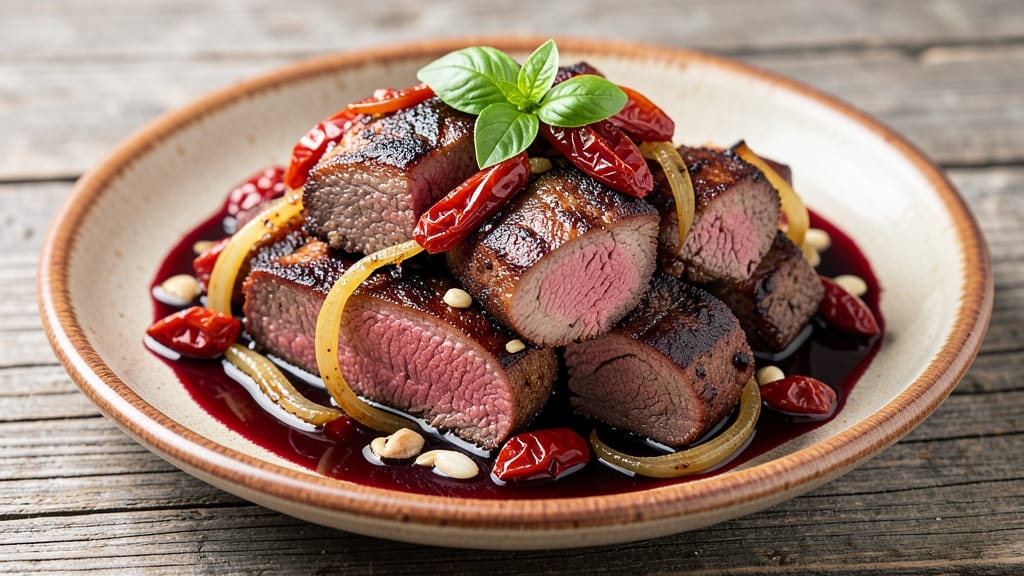
This beef and sun-dried tomatoes recipe delivers restaurant-quality depth in every bite—where tender beef meets concentrated tomato sweetness in a rich, slow-simmered sauce. The secret lies in caramelizing the tomatoes first, which unlocks their natural sugars and intensifies their umami flavor before combining with beef.
I developed this after years of testing how to balance the tangy brightness of sun-dried tomatoes with the hearty richness of beef, and the result is a dish that feels both comforting and sophisticated.
The process starts with a quick sear of beef chunks to build flavor, followed by a slow simmer that transforms tough cuts into melt-in-your-mouth tenderness. Sun-dried tomatoes add a complex sweetness that cuts through the richness, while aromatic herbs and a splash of red wine elevate the sauce to restaurant-quality.
This isn't just a stew—it's a flavor-packed experience that works equally well as a standalone main or paired with crusty bread, polenta, or a simple green salad.
What makes this recipe stand out is how the sun-dried tomatoes transform from a simple ingredient into the star of the dish. Their oiliness creates a velvety texture in the sauce, while their concentrated flavor bridges the gap between the beef and herbs.
The slow cooking process ensures the beef stays juicy and the sauce develops layers of complexity that you won't find in quicker preparations.
Perfect for weeknight dinners or special occasions, this beef and sun-dried tomatoes recipe proves that depth of flavor doesn't require complicated techniques. With just a few key ingredients and some patience, you'll create a dish that tastes like it's been simmering all day—even if you only have an hour.
Let's get started on crafting this umami-packed masterpiece.
Ingredients for beef and sun dried tomatoes
Restaurant-quality depth starts with these 14 ingredients—where beef and sun-dried tomatoes shine together.
| Ingredient | Amount | Notes |
|---|---|---|
| Beef Chuck Roast 🥩 | 2 lb | Cut into 1.5-inch cubes, trimmed of fat |
| Sun-Dried Tomatoes in Oil 🍅 | ½ cup | Oil reserved, chopped |
| Yellow Onion 🧅 | 1 whole | Diced, medium size |
| Garlic Cloves 🧄 | 4 cloves | Minced, fresh preferred |
| Dry Red Wine 🍷 | 1 cup | Bold variety like Cabernet Sauvignon |
| Beef Broth 💧 | 2 cups | Low-sodium preferred |
| Tomato Paste 🍅 | 2 tbsp | Smooth, no sugar added |
| Fresh Rosemary 🌿 | ½ tsp | Chopped, or 0.25 tsp dried |
| Fresh Thyme 🌿 | 1 tbsp | Leaves only, chopped |
| Olive Oil 🫒 | 2 tbsp | Extra-virgin for richness |
| Salt 🧂 | 1 ½ tsp | Kosher or sea salt |
| Black Pepper 🌶️ | ½ tsp | Freshly ground |
| Red Pepper Flakes 🔥 | ¼ tsp | Optional for heat |
| Fresh Parsley 🌿 | ¼ cup | Chopped, for garnish |
The beef makes or breaks this dish. Chuck roast is ideal—it stays tender through slow cooking, while cheaper cuts like round can turn dry. Look for good marbling at Whole Foods or your local butcher; the fat renders down to keep the beef moist. I always buy a 2-pound roast and cube it myself (1.5-inch pieces) so it cooks evenly. Sun-dried tomatoes? Oscar Mayer brand in the oil-packed jars has the best texture—less rubbery than others. Drain them well but reserve that oil; it's pure tomato flavor gold.
No red wine? Substitute beef broth with a splash of balsamic vinegar—it mimics the acidity. Fresh herbs are best, but dried thyme at one-third the amount works in a pinch. Short on tomato paste? Crushed tomatoes in a pinch, though you'll lose that concentrated sweetness. The olive oil from the sun-dried tomatoes counts toward your total—no need to add extra if you're using the reserved oil. For extra depth, toast the tomato paste in the pot for 2 minutes before adding liquids; it deepens the flavor like magic.
This stew tastes even better the next day as flavors meld. Store in an airtight container for 4-5 days in the fridge or freeze for 3 months. I double the batch and freeze half—perfect for lazy weeknights. Garnish with fresh parsley right before serving (it wilts fast), and always taste the sauce before serving. The red pepper flakes? Add them last if you want heat to stay vibrant.
Why You'll Love This Recipe
- One-Pan Magic: I swear by this recipe when I’m too tired to scrub pots—just sear the beef, toss in the onions and garlic, deglaze with wine, then let the sun-dried tomatoes melt into the sauce. Minimal chopping, zero fuss, and the flavors still sing.
- Sun-Dried Tomato Magic: That jar of sun-dried tomatoes in oil? It’s the secret weapon here. The deep, briny sweetness cuts through the richness of the beef, and the little bursts of oil release as they cook—like edible confetti. Honestly, I’ll buy them just for this dish.
- Weeknight to Weekend: Between us, this beef is ridiculously versatile. Toss it over pasta for a quick weeknight dinner, serve it with crusty bread for a lazy Sunday lunch, or even slice it thin for sandwiches. The wine and tomatoes make it feel fancy without trying.
- Budget-Friendly Feast: A chuck roast stretches for days—leftovers reheat like a dream in the oven or skillet, and the sauce only gets richer. I’ll be real: I’ve served this to guests who thought it was a restaurant dish, and they never asked for the recipe. (Okay, fine, they did.)
Step-by-step instructions for beef and sun-dried tomatoes stew
This rich, umami-packed stew delivers deep flavor with minimal effort—just follow these precise steps.
Sear the Beef Chuck Roast for Maximum Flavor
Heat the 2 tablespoons olive oil in a large Dutch oven over medium-high heat until shimmering. Pat the 2 lb beef chuck roast dry with paper towels—this ensures a proper sear—and cut it into 1.5-inch cubes as specified. Working in batches to avoid crowding, add the beef cubes to the hot oil and sear for 2-3 minutes per side until deeply browned and crispy on the edges.
Here's the thing—don't rush this step. You want those browned bits (fond) to form on the bottom of the pot, as they'll dissolve into the sauce later, adding incredible depth of flavor. Once all the beef is browned, transfer it to a plate and set it aside temporarily. The residual heat will keep it warm while you build the stew base.
Build the Aromatic Base with Onions and Garlic
In the same Dutch oven, reduce the heat to medium and add the diced yellow onion. Cook for 5-6 minutes until softened and beginning to caramelize at the edges—this sweetness will balance the tangy sun-dried tomatoes later. Add the 4 minced garlic cloves and cook for another 30 seconds until fragrant, stirring constantly to prevent burning.
I press down gently on the onions with a wooden spoon during the last minute of cooking—this helps them break down faster and develop that perfect caramelized flavor. The garlic should smell pungent and inviting, not burnt. If it starts to darken too quickly, reduce the heat slightly and give it a few more seconds to release its full aroma.
Deglaze and Develop the Sauce Foundation
Pour in the 1 cup dry red wine and scrape up all those browned bits from the bottom of the pot with a wooden spoon. This deglazing step is crucial—it captures all the concentrated beef flavor that would otherwise stick to the pot. Let the wine simmer for 3-4 minutes until reduced by about half, until it coats the back of a spoon.
Next, stir in the 2 tablespoons tomato paste and cook for 1 minute to toast it slightly—this deepens its flavor and removes any raw taste. Add the ½ cup chopped sun-dried tomatoes in oil (drain them first if you want to control the oil content) and the reserved oil from the tomatoes. The acidity from the tomatoes will brighten the rich beef flavors, creating that perfect tangy depth you're after.
Simmer the Stew to Tender Perfection
Pour in the 2 cups beef broth and bring the mixture to a gentle simmer. Return the seared beef to the pot, along with any accumulated juices from the plate. Add the 1.5 teaspoons salt, ½ teaspoon black pepper, ¼ teaspoon red pepper flakes, ½ teaspoon chopped fresh rosemary, and 1 tablespoon chopped fresh thyme. Stir everything together, then reduce the heat to low and cover the pot.
Let the stew simmer gently for 2 to 2.5 hours—this low-and-slow cooking is what transforms tough beef into fork-tender perfection. Check occasionally and add a splash of water or broth if the liquid reduces too much. The stew is ready when the beef is fork-tender and pulls apart easily. Real talk: if you try to cut through it with a fork and it resists, give it another 30 minutes of cooking time.
Finish and Garnish for Restaurant-Quality Results
Once the beef is tender, uncover the pot and increase the heat to medium to reduce the sauce slightly for 5-7 minutes. This step thickens the stew just enough to coat the beef beautifully. Taste and adjust the seasoning—you might need a pinch more salt or pepper, depending on your broth and preferences.
Remove from heat and stir in the ¼ cup chopped fresh parsley. The parsley adds a fresh, bright finish that cuts through the richness of the beef and sun-dried tomatoes. Let the stew rest for 10 minutes before serving—this allows the flavors to meld completely and the sauce to thicken slightly. Serve hot with crusty bread or over polenta to soak up every last drop of that umami-packed sauce.
Pro Tips For Making Beef And Sun Dried Tomatoes
- SEAR THE ROAST FIRST: Don’t skip the high-heat sear on the chuck roast—it’s the only way to get that deep, caramelized crust that holds up through hours of braising. After patting it dry (yes, even if it’s stubborn), hit it with oil and salt, then let it scream in the pan for 3-4 minutes per side until it’s a rich, golden brown. I used to rush this, and the final dish always tasted flat.
- CHOP TOMATOES SMALL: Sun-dried tomatoes in oil are packed with flavor, but if you leave them in big chunks, they’ll just sit there like flavorless decorations. Pulse them in a food processor for 2-3 seconds—just until they’re pea-sized—so they melt into the sauce and coat every bite. (Pro tip: Drain them first unless you want a greasy mess.)
- DEGLAZE WITH WINE IMMEDIATELY: As soon as you pull the roast out of the pan, pour in that red wine right away while the fond is still hot. Scrape every last bit off the bottom with a wooden spoon—this is where half the flavor lives. Let it bubble for 2 minutes before adding anything else, or you’ll dilute the sauce into sadness.
- LET THE MEAT REST LONGER: Chuck roast needs 15-20 minutes under foil after pulling it from the oven—don’t even think about slicing it sooner. The juices will pool, and your first cut will be dry. I know, I know, you’re hungry, but trust me: a 10-minute rest gives you tender slices, while 20 minutes guarantees melt-in-your-mouth perfection. (Your guests won’t notice the wait.)
Flavor customization for these flavors
Sweet and Tangy Balance
Adjust the ratio of sun-dried tomatoes to beef based on your taste—more tomatoes make the stew brighter and tangier.
I like using ½ cup chopped tomatoes for every 2 lbs of beef, but for a sweeter profile, add ¼ cup dried cherries or 2 tbsp honey during the final 10 minutes of simmering. This works especially well if you prefer a less acidic dish. 🍯
Spicy Kick Variations
For heat lovers, add ½ tsp crushed fennel seeds with the onions—they complement the sun-dried tomatoes beautifully. Or, stir in 1 tbsp hot honey and ½ tsp cayenne pepper at the end for a smoky-spicy finish.
If you want subtle heat, toast ¼ tsp smoked paprika with the tomato paste for depth without overpowering the beef. 🌶️
Herb and Aroma Swaps
Trade rosemary and thyme for 1 sprig fresh oregano and ½ tsp ground coriander for a Mediterranean twist. Or, add 1 bay leaf during simmering and remove before serving for a classic French-inspired depth.
For a brighter finish, fold in 1 tbsp lemon zest with the parsley at the end—it cuts through the richness perfectly. 🌿
Umami Boosters
Deepening the umami flavor is where this dish shines. Stir in 1 tbsp fish sauce or 1 tsp soy sauce with the red wine for an extra layer of savory complexity. Another trick?
Add 2 slices of pancetta (diced) with the onions—they render and infuse the stew with smoky richness. For vegetarians, swap beef for mushrooms and lentils but keep the sun-dried tomatoes and herbs. 💫
Texture Contrasts
Add crunch with toasted pine nuts or crumbled feta cheese on top before serving. For creaminess, stir in ¼ cup heavy cream during the final 5 minutes of simmering. If you love texture, try adding ½ cup cooked farro to the stew for heartiness—it absorbs the sauce beautifully. 🥜
Nutrition facts
Frequently asked questions
Can I use sun-dried tomatoes from a jar without oil?
Yes, but you'll need to add extra olive oil—about 1 tablespoon—to replace the lost richness. The oil in jarred sun-dried tomatoes helps create that velvety sauce texture. For best results, soak oil-less tomatoes in warm water for 10 minutes to rehydrate before chopping and adding to the stew.
What's the best cut of beef for this recipe?
Use chuck roast or stew beef—both stay tender when slow-cooked. Avoid lean cuts like sirloin, which can turn dry. For extra tenderness, look for beef with good marbling (visible fat within the meat). If you're short on time, beef short ribs work beautifully too—they add incredible depth of flavor.
How can I make this recipe faster?
For a quicker version, use a pressure cooker—reduce the simmering time to 45-60 minutes instead of 2-2.5 hours. Also, swap the chuck roast for pre-cut stew meat (smaller pieces cook faster) and use bottled beef broth instead of homemade. The flavor won't be quite as deep, but it's still delicious in 1 hour total.
Can I make this dish in a slow cooker?
Brown the beef and onions on the stovetop first, then transfer everything to the slow cooker. Cook on low for 7-8 hours or high for 4-5 hours. The slow cooker's gentle heat keeps the beef perfectly tender. Just add the red wine, broth, and herbs directly to the pot—no need to deglaze separately.
What happens if I overcook the beef?
Overcooked beef will become stringy and dry, losing its natural juiciness. To avoid this, check tenderness by piercing a piece with a fork—it should slide in easily. If the stew still feels too firm after 2.5 hours, add ¼ cup water or broth and cook 15 more minutes covered. For extra moisture, stir in 2 tablespoons heavy cream at the end.