
Main Courses
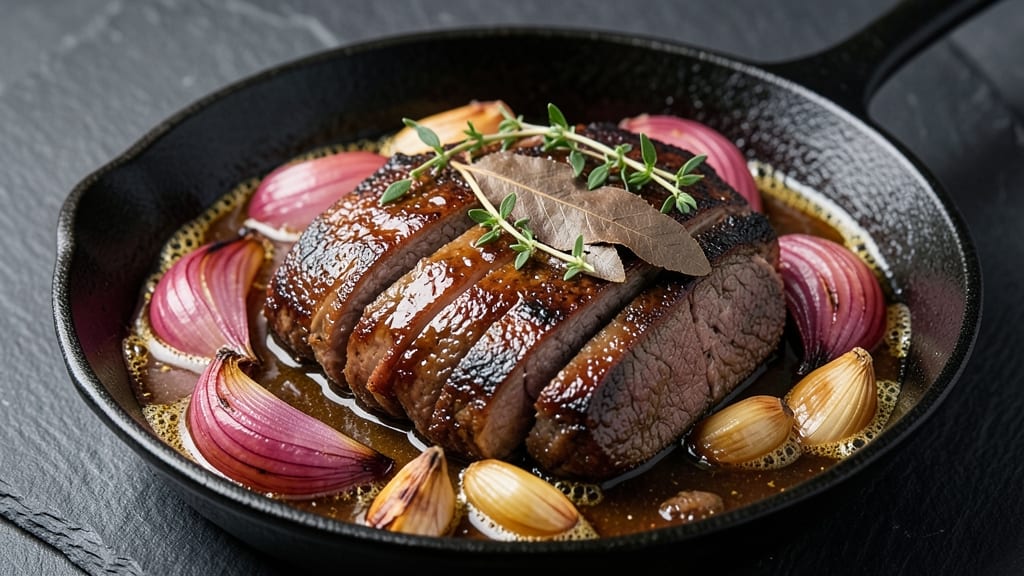
This beef and ale recipe transforms tough cuts into melt-in-your-mouth perfection through slow braising and caramelized fond magic. The rich, malty ale infuses every bite, creating a dish that tastes like a pub meal made at home.
I developed this recipe after years of experimenting with braising techniques, and it never fails to impress—whether for a cozy weeknight or a special dinner.
The secret lies in the two-step process: first, searing the beef to build deep flavor, then slow-cooking it in a rich ale-broth mixture until tender. Caramelized onions and garlic form the aromatic base, while herbs like thyme and bay leaf add layers of complexity.
The result is a dish with juicy beef, velvety sauce, and a crusty bread-worthy texture that disappears faster than you can say "second helping."
Serve it with mashed potatoes, crusty bread, or roasted vegetables to soak up every last drop of that luscious ale sauce. The dish reheats beautifully, making it perfect for meal prep or leftovers that taste even better the next day.
This is comfort food at its finest—rich, hearty, and packed with flavor that feels like a hug in a bowl.
For an extra touch, garnish with fresh parsley or a sprinkle of crusty breadcrumbs to add texture. The ale reduction alone makes this dish worth the wait, turning simple ingredients into something extraordinary. Let's get cooking!
Ingredients for beef and ale
The heart of this slow-braised masterpiece lies in these carefully chosen ingredients—each playing a crucial role in transforming tough beef into melt-in-your-mouth perfection.
| Ingredient | Amount | Notes |
|---|---|---|
| Chuck Roast 🥩 | 3 lb | Well-marbled for tenderness |
| Dark Ale Beer 🍺 | 3 cups | Stout or porter preferred |
| Yellow Onions 🧅 | 2 whole | Thinly sliced for caramelization |
| Garlic Cloves 🧄 | 6 cloves | Smashed for intense flavor |
| Fresh Thyme 🌿 | 2 tbsp | Leaves only, finely chopped |
| Bay Leaves 🍃 | 2 whole | Dried, standard size |
| Tomato Paste 🍅 | 2 tbsp | Smooth, no salt added |
| Beef Broth 💧 | 2 cups | Low-sodium preferred |
| Olive Oil 🫒 | 2 tbsp | Extra-virgin for searing |
| Salt 🧂 | 1 ½ tsp | Diamond Crystal preferred |
| Black Peppercorns 🌶️ | 1 tsp | Freshly cracked |
| Worcestershire Sauce 🍯 | 1 tbsp | Vegan if needed |
| Fresh Parsley 🌿 | ¼ cup | Chopped for garnish |
| Crusty Bread 🍞 | 1 loaf | For serving, optional |
The chuck roast is non-negotiable here—its marbling ensures tender, fork-tender results. Look for cuts with visible fat streaks, typically found in the butcher section of Whole Foods or local specialty grocers. If your store doesn't carry it, ask for a chuck roll and have them cube it for you. The dark ale should be malty and robust—Guinness, Samuel Smith's Nut Brown Ale, or a local craft stout all work beautifully. Avoid overly hoppy IPAs, as they'll overpower the delicate beef flavors. For the onions, yellow or red both work, but yellow caramelizes more reliably. Trader Joe's often has pre-sliced onions in their freezer section, which saves time without sacrificing quality.
No dark ale on hand? Stout coffee or tea can mimic some of the malty depth, though it won't replicate the full complexity. Fresh thyme is ideal, but dried works at one-third the amount—just toast it lightly in a dry pan first to wake up the flavors. The tomato paste should be smooth, not chunky, and no-salt-added to control the seasoning. If you're using a Worcestershire substitute, check for anchovies—Lee & Perrins original is vegetarian-friendly. The beef broth can be homemade or store-bought, but avoid anything with added MSG—it can make the sauce taste flat. For the olive oil, stick with extra-virgin—the higher quality ensures better flavor transfer during searing.
This dish tastes even better the next day as flavors meld, so portion into airtight containers for easy reheating. The braised beef keeps 4-5 days refrigerated or 3 months frozen, though the sauce may thicken slightly—just add a splash of water or broth when reheating. Toasting the breadcrumbs (if using) for garnish adds wonderful texture—do this in a dry skillet over medium heat until golden. The ale reduction can be made ahead and stored separately for up to 2 weeks, saving you time on cooking day. For optimal freshness, store the fresh parsley wrapped in damp paper towels in a sealed container—it'll stay vibrant for 5-7 days in the fridge.
Why You'll Love This Recipe
- One-Pot Magic: I swear by this—just dump everything in a Dutch oven, let it simmer, and walk away. The onions caramelize while you’re still slicing bread, and the beer reduces into a glossy sauce that takes zero effort to scrape out.
- Deep, Rich Taste: That dark ale isn’t just for drinking—it transforms tough chuck roast into melt-in-your-mouth perfection. The thyme and garlic seep into the meat like a hug, while the onions add this sweet, jammy depth that makes it taste like a pub meal you’d pay double for.
- Weeknight or Weekend Star: Between us, this is my lazy Sunday brunch dish and my "I have 20 minutes before guests arrive" go-to. Serve it over mashed potatoes for a hearty lunch or slice it thin for sandwiches the next day—no judgment if you eat it straight from the pot.
- Budget-Friendly Feast: A chuck roast feeds six for under $20, and the beer adds flavor without breaking the bank. Leftovers? They’re even better cold in wraps or reheated for tacos—proof that good food doesn’t have to cost a fortune or take all day.
Step-by-step instructions for beef and ale braising
Master this technique and you'll transform tough chuck roast into melt-in-your-mouth beef with deep ale flavor and caramelized richness.
Sear the Chuck Roast for Maximum Flavor
Heat a heavy Dutch oven over medium-high heat until hot. Add the 2 tablespoons olive oil and swirl to coat the bottom. Pat the 3 lb chuck roast completely dry with paper towels—this ensures maximum browning. Place the roast in the pot and sear on all sides until deeply browned, about 8-10 minutes total.
I press down gently on the roast during the first minute of searing—this prevents it from curling and ensures even contact with the pan. The goal is to develop a rich, brown crust that will dissolve into the braising liquid, creating layers of flavor. Remove the roast and set it aside on a plate.
Build the Flavor Foundation with Caramelized Vegetables
In the same Dutch oven, add the 2 whole yellow onions that have been thinly sliced (about 4 cups total). Cook over medium heat for 10-12 minutes, stirring occasionally, until softened and beginning to caramelize. You'll notice the onions release moisture first, then gradually turn golden brown.
Add the 6 smashed garlic cloves and cook for another 1 minute until fragrant. Stir in the 2 tablespoons tomato paste and cook for 30 seconds, allowing it to darken slightly. This creates a flavorful base that will meld beautifully with the ale and beef broth.
Deglaze and Combine All Braising Components
Pour in the 3 cups dark ale beer, scraping up all the browned bits from the bottom of the pot with a wooden spoon. This deglazing step captures all the concentrated flavors you've built. Add the 2 cups beef broth, 1.5 teaspoons salt, 1 teaspoon freshly cracked black peppercorns, 1 tablespoon Worcestershire sauce, 2 whole bay leaves, and 2 tablespoons finely chopped fresh thyme.
Return the chuck roast to the pot, along with any accumulated juices. Bring the liquid to a gentle simmer over medium heat, then reduce heat to low. The liquid should barely bubble—this ensures even cooking without toughening the meat. Cover the pot and let it cook undisturbed.
Braise Until Tender with Perfect Texture
Transfer the pot to a 325°F oven and braise for 3-3.5 hours until the beef is fork-tender. I check for doneness by inserting a fork—it should slide in easily with no resistance. The meat should pull apart cleanly when pulled between fingers, but still hold its shape on the bone.
About 30 minutes before the beef is done, skim any excess fat that has risen to the surface. This helps prevent the sauce from becoming greasy. The braising liquid should reduce to about 1.5 cups, creating a rich, concentrated sauce that coats the beef beautifully.
Rest and Serve with Fresh Herbs
Remove the beef from the pot and transfer it to a cutting board. Tent loosely with foil and let it rest for 15-20 minutes before slicing. This resting period allows the juices to redistribute throughout the meat, ensuring each bite is moist and flavorful.
Strain the braising liquid through a fine-mesh sieve to remove any solids, then return it to the pot. Skim off any remaining fat if desired. Stir in the 0.25 cup chopped fresh parsley and adjust seasoning if needed. Serve the sliced beef with the reduced sauce spooned over the top, accompanied by warm crusty bread for soaking up every last bit.
Pro Tips For Making Beef And Ale
- SEAR THE ROAST FIRST: Don’t skip browning that chuck roast—high heat for 5-6 minutes per side until deep golden. I used to skip this and wondered why my stew tasted flat; the Maillard reaction is the thing that matters most when you’re braising.
- USE A DARK ALE: Skip the light beer—this isn’t a pale ale stew. A dark ale (like a stout or porter) adds depth and caramel notes that cut through the richness of the beef. I was skeptical until I tried it, and now I won’t go back.
- SIMMER LOW AND SLOW: Cover the pot and let it bubble gently, not boil violently. After burning three batches, I finally figured out that 300°F (150°C) is the sweet spot—it keeps the meat tender and the beer from evaporating too fast.
- ADD THYME LATE: Toss the fresh thyme sprigs in at the very end—just 10 minutes before serving. I skip this when I’m lazy, but the dish is noticeably better when it infuses right before eating, not all day in the pot.
Wine and beer pairings for this dish
Ale Selection Guide
For this dish, the ale is the star—choose a dark, malty beer like Guinness Extra Stout or Samuel Smith's Nut Brown Ale for deep, caramelized sweetness. Avoid overly hoppy IPAs or light lagers, as they’ll clash with the beef’s richness.
If you can’t find dark ale, try stout coffee or strong black tea (like Earl Grey) as a substitute, though it won’t replicate the full complexity. 🍺
Beer Pairing Classics
Serve your beef and ale stew with the same beer used in cooking for a seamless experience. A Belgian Dubbel or English Porter complements the dish beautifully, balancing the meaty depth with malty sweetness.
For a lighter option, a crisp German Pilsner cuts through the richness without overpowering it. Always chill your beer to 45-50°F—room temperature can mute the flavors.
Wine Pairings
If you prefer wine, a bold red like Cabernet Sauvignon or Syrah stands up to the beef’s richness. For a lighter option, a Pinot Noir with its bright acidity refreshes the palate.
Avoid heavy, oaky whites—they’ll make the dish taste flat. I love pairing this stew with a Malbec from Argentina, as its dark fruit notes harmonize with the ale’s caramelized flavors. 🍷
Non-Alcoholic Options
Don’t drink alcohol? No problem! A sparkling ginger beer or non-alcoholic stout (like Heineken 0.0) mimics the malty depth. For a refreshing contrast, try sparkling apple cider—its acidity cleanses the palate between bites.
Even a cold brew coffee with a splash of cream can add a surprising depth to the meal.
Sauce Reduction Trick
Save any leftover ale from cooking and reduce it into a glazed sauce for garnishing. Simmer 1 cup ale with 1 tbsp brown sugar and 1 tsp Dijon mustard until thickened (about 10 minutes).
Drizzle over sliced beef or use as a dipping sauce for crusty bread. This trick turns simple leftovers into a restaurant-worthy finish. ✨
Nutrition facts
Frequently asked questions
Can I substitute ale with another type of beer?
The key is using a dark, malty beer like stout or porter—avoid light lagers or overly hoppy IPAs, as they'll overpower the beef. For non-alcoholic options, try sparkling ginger beer or strong black tea (like Earl Grey) as substitutes. The malty sweetness is what creates the signature depth in this dish.
How do I know when the beef is fully tender?
Use the fork test: Insert a fork—it should slide in easily with no resistance. The meat should pull apart cleanly when gently tugged between fingers but still hold its shape on the bone. For chuck roast, this typically takes 3-3.5 hours at 325°F. If it's not tender enough, extend the cooking time by 30-60 minutes.
What's the best way to reheat leftovers?
Reheat in a skillet over medium-low heat with a splash of beef broth to restore moisture. Cover and warm for 5-7 minutes, stirring occasionally. For oven reheating, cover with foil and bake at 300°F for 20-25 minutes. The sauce may thicken slightly—add a little liquid if needed. Leftovers taste even better the next day!
Can I make this dish in a slow cooker?
Yes! Brown the beef first in a skillet, then transfer everything to the slow cooker. Cook on low for 8-10 hours or high for 5-6 hours. The slow cooker method is perfect for hands-off cooking, though you'll lose some of the caramelized fond flavor from the Dutch oven. Skim excess fat before serving.
Why did my sauce turn out too thin?
This usually happens when the liquid wasn't reduced enough during cooking. For next time, skim fat more aggressively and cook uncovered for the last 15-20 minutes to thicken the sauce. If it's too thin now, simmer uncovered for 5-10 minutes to reduce. A cornstarch slurry (1 tbsp cornstarch + 1 tbsp water) can also help thicken it instantly.